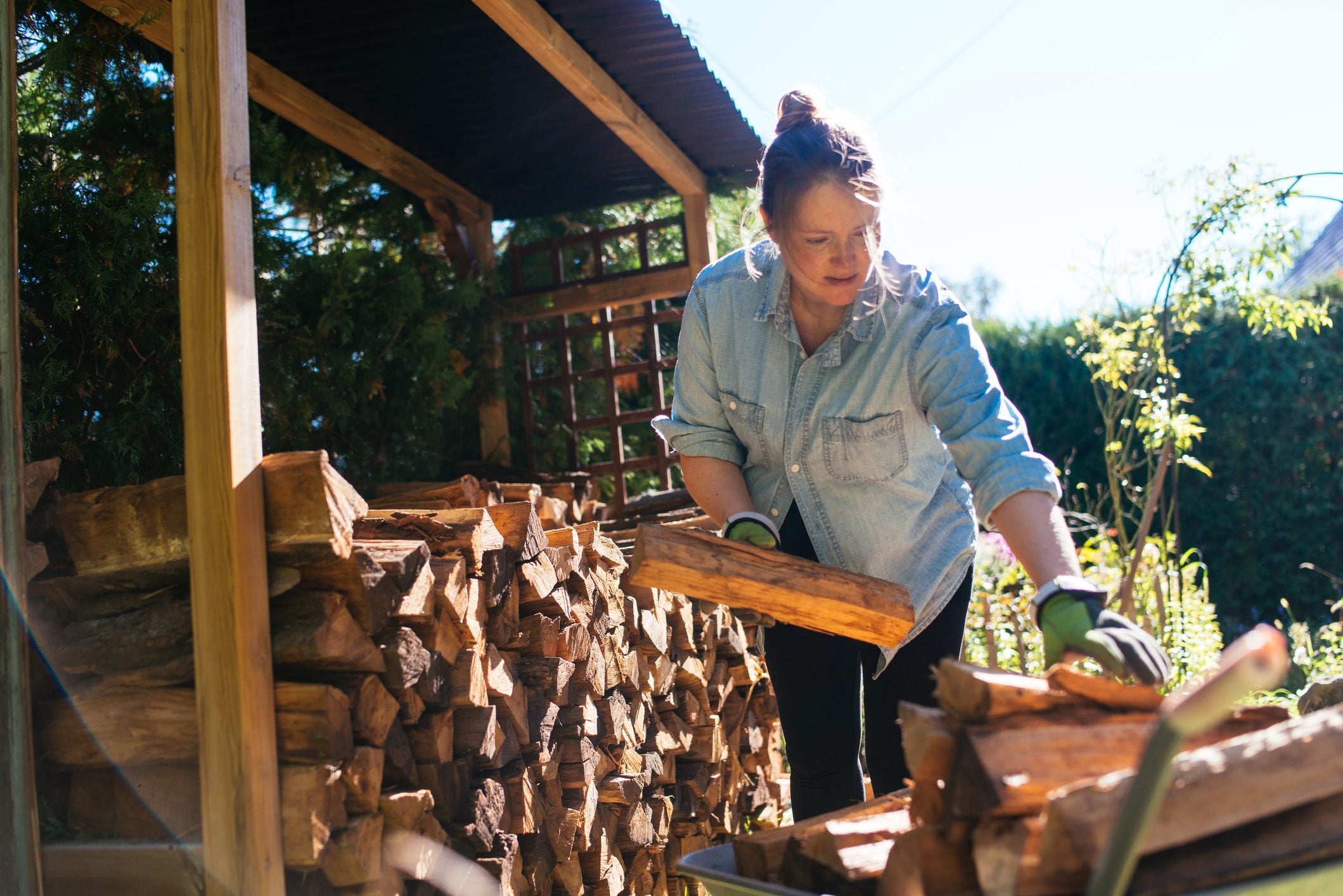
Firewood looks simple. It is, after all, just wood that has been persuaded by an axe to become smaller wood. But anyone who has tried to burn a damp, hissing log knows the truth: good firewood is not born in the fireplace. It is made months earlier, in the yard, through smart stacking, patient seasoning, and storage that lets air do its job.
Learning how to stack and store firewood properly helps your wood burn hotter, cleaner, and longer. It also reduces smoke, discourages mold and insects, saves money, and keeps your woodpile from collapsing like a poorly planned game of backyard Jenga. Whether you heat with a wood stove, enjoy weekend fires, or keep a stack ready for the fire pit, the goal is the same: dry wood, good airflow, safe placement, and easy access when the weather turns frosty.
This guide explains the best way to stack firewood, where to store it, how long to season it, how to cover it, and which mistakes to avoid. Grab your gloves. The logs are waiting.
Why Proper Firewood Storage Matters
Firewood storage is not just about making the yard look tidy, although a neat stack does make you look like the sort of person who owns both a tape measure and a plan. The real reason to stack firewood correctly is moisture control. Freshly cut wood, often called green wood, can contain a large amount of water. Before it burns well, much of that moisture needs to leave the wood through a process called seasoning.
Dry, seasoned firewood lights faster, produces more usable heat, and creates less smoke. Wet wood wastes energy because the fire must first boil away water before it can burn efficiently. That means more smoke, more frustration, and less heat in your home. In a fireplace or wood stove, high-moisture wood can also contribute to creosote buildup in the chimney, which is one reason seasoned firewood is such a big deal for wood-burning safety.
Good firewood storage also helps prevent rot. Logs left directly on soil absorb ground moisture, especially after rain or snow. Once the bottom row begins to decay, it can invite insects, mold, and an aroma best described as “forest floor with regrets.” Elevating the stack and allowing airflow around the logs keeps wood in better condition for burning.
Start With the Right Firewood
Split the wood before stacking
Split firewood dries much faster than whole rounds. Splitting exposes more surface area, allowing moisture to escape from the interior of the log. If you have large rounds sitting in a heap, they may look impressive, but they are drying at the speed of a sleepy turtle. Split them before stacking, especially hardwoods such as oak, hickory, maple, and ash.
For most fireplaces and wood stoves, pieces between 14 and 18 inches long are practical. The exact size depends on your appliance, but uniform lengths make stacking easier and safer. Oddball pieces can still be useful, but keep them in a separate “ugly log” pile for kindling, outdoor fires, or the moment when you decide every log deserves a second chance.
Know the difference between green, seasoned, and kiln-dried wood
Green firewood has been freshly cut and still contains too much moisture for efficient burning. Seasoned firewood has been cut, split, stacked, and allowed to dry naturally over time. Kiln-dried firewood has been dried in a heated chamber and is often sold at a premium.
For the cleanest burn, aim for firewood with a moisture content below 20 percent. A simple moisture meter is inexpensive and useful. To test correctly, split a log open and press the meter pins into the freshly exposed face, not the weathered outside surface. The outside can be dry while the inside is still damp enough to throw a smoky tantrum.
Where to Store Firewood
Choose a sunny, breezy location
The best place to store firewood is outdoors in a spot that receives sun and moving air. Sun warms the wood, and wind carries moisture away. A shady corner behind a shed may seem convenient, but if it stays damp and still, your firewood will season slowly and may develop mold.
Look for a location with good drainage. Avoid low spots where rainwater collects. If the area stays muddy after a storm, it is not a firewood storage area; it is a future swamp with logs.
Keep firewood away from the house
It is tempting to stack firewood right against the house because nobody wants to cross the yard in freezing weather while wearing slippers and making poor life choices. Still, firewood should be stored away from your home, garage, porch, shed, and other structures whenever possible. Woodpiles can shelter insects, rodents, and other pests. They can also create a fire hazard if placed too close to buildings.
A practical setup is to keep the main supply outdoors at a safe distance and bring only a small amount near the door or inside for immediate use. That way, you get convenience without turning your foundation into a five-star resort for carpenter ants.
Buy or harvest firewood locally
Firewood can carry invasive insects and diseases, even when it looks clean. For that reason, avoid moving firewood long distances. Buy it close to where you plan to burn it, or use certified heat-treated wood when traveling. This is especially important for camping, cabins, and vacation homes. A harmless-looking bundle can transport pests that damage forests and neighborhood trees.
How to Stack Firewood Step by Step
Step 1: Build a raised base
Never stack firewood directly on bare ground. Use pallets, pressure-treated lumber, landscape timbers, concrete blocks, metal racks, or rails to raise the first row. Even a few inches of elevation makes a difference. The goal is to prevent the bottom logs from absorbing moisture and to allow air to move underneath the stack.
If you use pallets, choose sturdy ones and place them on level ground. If you use concrete blocks with boards across them, make sure the boards are strong enough to hold the weight. A full cord of wood is heavy, and firewood has absolutely no sympathy for flimsy construction.
Step 2: Stack in rows with cut ends facing out
Place the logs in straight rows with the cut ends facing outward. The cut ends release moisture more readily than bark-covered sides, so exposing them to air helps the wood season. Keep pieces fairly level and aligned. This does not mean every log must sit perfectly, but the stack should be orderly enough to stay stable.
Leave small gaps between pieces rather than packing the stack too tightly. Firewood needs airflow. A stack that is crammed together like rush-hour commuters will dry slowly and may trap moisture.
Step 3: Keep stacks narrow enough for air movement
Single-row stacks dry very well because air reaches both sides. If space is limited and you need a double row, leave a gap between rows. Avoid creating a thick block of wood with no air in the center. The middle of an overstuffed pile can stay damp long after the outside looks ready.
For many homeowners, the classic stack is about 4 feet high. This height is practical, easy to reach, and less likely to topple. Going higher may save ground space, but it also increases the chance that your woodpile will lean, shift, or collapse at the exact moment you are carrying coffee.
Step 4: Create stable ends
The ends of a firewood stack need support. You can use posts, a firewood rack, trees with proper spacing, or crisscrossed log towers. The crisscross method is popular because it requires no extra materials. To do it, place two or three logs one way, then the next layer perpendicular, alternating direction as you build upward. This creates a square “bookend” that holds the row in place.
Do not rush this part. Weak ends are the reason many firewood stacks slowly develop a dramatic lean, as if they are trying to escape the yard.
Step 5: Stack bark-side up when exposed to weather
If your stack is exposed to rain or snow, placing the bark side up can help shed water. Bark acts somewhat like a natural roof. However, if the wood is stored under a proper roof or in a shed with strong airflow, bark direction becomes less important. Air circulation matters more than perfection.
Best Firewood Stacking Methods
The classic straight-row stack
The straight-row stack is the easiest and most practical method for most homes. Logs are placed in horizontal rows on a raised base, with stable ends or supports. It is simple, efficient, and easy to measure. If you are stacking a cord of firewood, remember that a full cord equals 128 cubic feet, commonly arranged as 4 feet high, 4 feet wide, and 8 feet long.
This method works well along a fence line, beside a woodshed, or in a sunny open area. Just keep the stack away from structures and leave enough room for air to circulate behind it.
The crisscross stack
A crisscross stack is useful for building strong ends or creating a small freestanding pile. Each layer alternates direction, which improves stability and airflow. It is especially handy when you do not have a rack. The downside is that it takes a little more time and may use space less efficiently than straight stacking.
The round stack
The round stack, sometimes called a holz hausen, is a circular firewood pile with logs arranged around a central space. It can be attractive and surprisingly efficient when built correctly. However, it requires more skill. If the slope is wrong or the outer wall is unstable, the stack can shift. Beginners are usually better off mastering straight rows before attempting backyard firewood architecture.
How to Cover Firewood Correctly
Firewood should be protected from rain and snow, but it should not be sealed up like leftovers in plastic wrap. The best approach is to cover the top of the stack while leaving the sides open. A metal roof, woodshed roof, tarp, or firewood rack cover can work well if it keeps precipitation off the top and allows air to move through the sides.
If using a tarp, secure it so wind does not turn it into a neighborhood kite. Cover only the top portion of the pile or drape it loosely enough that the sides remain ventilated. A tarp wrapped tightly around the entire stack traps moisture, encouraging mold and slowing seasoning. Your firewood needs a hat, not a raincoat zipped up to the chin.
A permanent woodshed is ideal if it has open sides, a raised floor, and a roof with enough overhang to block rain. Fully enclosed sheds can work for already seasoned wood, but green wood needs airflow. If the shed smells musty, the wood probably feels the same way.
How Long Does Firewood Need to Season?
Seasoning time depends on wood species, climate, log size, splitting, and storage conditions. Softwoods often dry faster than dense hardwoods. Many softwoods may be usable after six months of good drying conditions, while dense hardwoods such as oak may need a year or even two years to reach ideal moisture levels.
The calendar alone does not guarantee dry wood. Firewood tossed into a heap for a year may still be wet inside. Firewood that is cut, split, stacked off the ground, top-covered, and exposed to sun and wind will dry much more effectively. When in doubt, test with a moisture meter.
Visual signs can help too. Seasoned firewood is often lighter in weight, darker or grayer on the ends, and may show cracks or checks. Two dry pieces knocked together often make a sharper sound than wet pieces. Still, the moisture meter is the honest friend in this situation.
How to Store Firewood Through Winter
Winter storage is about keeping seasoned wood dry and accessible. If your wood is already seasoned, move part of it to a covered rack closer to the house, but avoid stacking it directly against siding or on a wooden porch for long periods. Keep the main pile outdoors and bring in only a day or two of wood at a time.
Indoor firewood storage should be limited. Logs can carry insects that become active in a warm house. Most insects found in firewood are nuisance pests rather than a structural threat, but nobody wants beetles wandering across the living room during movie night. Store a small amount indoors near the hearth and refresh it as needed.
Use older wood first. This rotation system, often called first in, first out, keeps your supply from aging unevenly. Stack new deliveries separately or behind older wood so you do not bury last year’s perfectly seasoned logs under this year’s green ones.
Common Firewood Storage Mistakes
Stacking wood directly on soil
This is the classic mistake. Ground contact leads to moisture, rot, and insects. Always raise the stack.
Covering the entire pile too tightly
A fully wrapped tarp traps moisture. Cover the top and let the sides breathe.
Stacking too close to the house
Convenient, yes. Smart, not usually. Keep the main pile away from structures and bring small amounts closer only when needed.
Building unstable stacks
Firewood stacks should not lean, wobble, or exceed a safe height. If a pile looks like it is thinking about falling, restack it before gravity files a complaint.
Mixing new and old wood
Do not dump fresh wood on top of seasoned wood. Separate stacks by age so you can burn the driest pieces first.
Storing wood in a damp, shaded corner
Shade and poor airflow slow drying. Sun and wind are your unpaid firewood employees. Let them work.
Firewood Storage Safety Tips
Wear gloves when handling firewood to protect against splinters, spiders, and sharp bark. Stack on level ground so the pile does not shift. Keep children from climbing on woodpiles, even if the stack looks like the world’s most rustic jungle gym. If using posts or racks, check them regularly for leaning or weakness.
Do not spray firewood with pesticides. Treated wood can release harmful fumes when burned, and pesticide use does not solve the underlying storage problem. Dry, elevated, well-ventilated storage is the safer pest-control strategy.
Never burn painted, stained, pressure-treated, or glued wood in a fireplace or wood stove. Burn only clean, natural firewood intended for heating.
Real-World Experience: Lessons From the Woodpile
Ask anyone who has stored firewood for a few seasons, and they will usually have one story that begins with, “Well, I thought it would be fine.” That sentence has introduced many damp woodpiles, collapsing stacks, and emergency tarp missions performed in the rain.
One of the most common lessons is that convenience can be expensive. Stacking wood right beside the back door feels brilliant in October. By February, it may still feel brilliant every time you avoid walking through snow. But if that stack sits against the house all season, it can trap moisture against siding and create shelter for insects. A better system is to keep the main stack farther away and maintain a small covered “ready rack” near the entrance. That gives you comfort without inviting the entire woodland buffet to move in.
Another lesson is that the bottom row matters more than beginners expect. Many people carefully cover the top of the pile but leave the first layer sitting directly on the ground. Months later, the top logs are decent, the middle logs are questionable, and the bottom logs have become a science experiment. Pallets, rails, or concrete blocks are not decorative extras; they are the foundation of dry firewood storage.
Stack stability is another hard-earned teacher. A pile may look solid when freshly built, but wood shrinks as it dries. Irregular pieces shift. Rain softens the ground. Wind pushes tarps. Suddenly, the stack develops a lean that was not part of the design. Building strong ends with crisscrossed logs or sturdy posts prevents most of this drama. Keeping stacks around shoulder height or lower also makes them safer and easier to use.
People also learn that tarps are both helpful and sneaky. A tarp thrown over the whole pile may seem protective, but it can trap condensation and block airflow. The wood underneath may stay damp even during dry weather. The better method is to cover the top like a roof and leave the sides open. If you can upgrade to a simple shed roof or metal panel, even better. Firewood likes shelter, not suffocation.
Finally, rotation makes life easier. When new firewood arrives, it is tempting to stack it wherever space exists. But if fresh wood blocks the seasoned pile, you will spend winter digging for dry logs like a raccoon with a heating bill. Label stacks by year, separate green wood from seasoned wood, and burn the oldest dry wood first. It is a small habit that turns firewood storage from chaos into a system.
The best firewood setup is not fancy. It is practical: split wood, raised base, loose rows, covered top, open sides, safe distance, and steady rotation. Do that consistently, and your future fires will reward you with easy starts, better heat, and far less smoke. Your chimney will appreciate it. Your fire pit will appreciate it. Even your slippers, spared from unnecessary midnight woodpile adventures, will appreciate it.
Conclusion
Knowing how to stack and store firewood is one of those old-fashioned skills that still matters. The method is simple, but the details make all the difference. Split the wood, stack it off the ground, choose a sunny and breezy location, keep the rows stable, cover only the top, and allow enough time for proper seasoning. Store the main pile away from your home, bring in only small amounts at a time, and rotate older wood first.
Dry firewood burns hotter, cleaner, and more efficiently. It saves money, reduces smoke, discourages pests, and turns every fire into the cozy experience you had in mind instead of a smoky wrestling match with damp logs. In short, treat your firewood well before you burn it, and it will return the favor one warm, crackling evening at a time.