Secondhand stores are proof that the universe has a sense of humor. One minute you are walking in for a $4 coffee mug, and the next you are holding a hand-painted vase, a vintage leather jacket, or a framed print that looks suspiciously too fancy to be hanging between a ceramic rooster and a DVD workout from 2003.
That is the magic of thrift stores, charity shops, flea markets, consignment stores, estate sales, and neighborhood resale shops. They are part treasure hunt, part recycling center, part museum, and part “why is there a taxidermy squirrel wearing a graduation cap?” adventure. Shoppers love them because they offer affordable prices, sustainable shopping, one-of-a-kind home decor, vintage fashion, and the thrill of finding something no algorithm could have predicted.
In recent years, secondhand shopping has moved from niche hobby to mainstream lifestyle. Inflation, sustainability concerns, vintage trends, and social media “thrift haul” culture have pushed more Americans to look at used goods with fresh eyes. But the best secondhand finds are not always expensive. Sometimes the surprise is sentimental, practical, hilarious, or simply too weird to leave behind.
Below are 50 times secondhand stores delivered cool, unexpected surprisessome inspired by real resale stories, others based on the kinds of discoveries thrifters regularly brag about to anyone within listening distance.
Why Secondhand Stores Feel Like Modern Treasure Hunts
A regular retail store is predictable. Shirts are folded by size. Candles smell like “coastal linen.” Furniture comes with assembly instructions and emotional damage. A secondhand store, however, is chaos with price tags. Inventory changes constantly because it depends on donations, consignments, estate cleanouts, and what people finally admitted they would never use.
That unpredictability is exactly the point. The secondhand shopping experience rewards curiosity. You are not just buying an object; you are rescuing it from obscurity and giving it a second act. A solid wood dresser becomes a weekend refinishing project. A brass lamp becomes the star of a reading nook. A forgotten painting becomes a conversation piece. A $3 bowl becomes the official popcorn bowl of the household, which is a sacred position.
50 Cool, Unexpected Secondhand Store Surprises
1. The $4 Painting That Was More Than Pretty
One of the most famous thrift store dreams is buying art for pocket change and later learning it may be valuable. Stories of overlooked paintings by recognized artists remind shoppers to check signatures, frames, paper quality, and gallery labels. Even when the artwork is not worth a fortune, a piece that makes a wall feel alive is still a win.
2. A Murano-Style Glass Vase Hiding in Plain Sight
Glassware shelves are where many shoppers go to find replacement tumblers and accidentally meet design history. Rare Italian glass, hand-blown vases, art glass bowls, and colorful mid-century pieces can look ordinary to an untrained eye. A quick search for shapes, maker marks, and patterns can turn “nice vase” into “do not put grocery-store flowers in that yet.”
3. A Designer Handbag Mixed With Everyday Purses
Every thrift store purse rack has mysteries: cracked vinyl, forgotten receipts, and once in a while, a shockingly well-made bag. Look for quality stitching, real leather, heavy hardware, clean lining, and brand details. Even if it is not a luxury piece, a sturdy vintage handbag can outlast three trendy fast-fashion versions.
4. Vintage Levi’s With Actual Character
New jeans try very hard to look old. Real vintage denim does not have to try. A worn-in pair of Levi’s, Lee, or Wrangler jeans can have better fabric, better fading, and better personality than anything labeled “heritage-inspired” at the mall.
5. A Complete Set of Mismatched Dinnerware That Somehow Works
Secondhand stores are perfect for building a table setting that looks collected instead of cloned. Floral plates, stoneware bowls, delicate saucers, and odd serving platters can create a charming mix. The trick is choosing one shared element, such as color, material, or pattern style.
6. A Solid Wood Dresser Under Bad Paint
Many great furniture finds are hiding under unfortunate DIY choices. A real wood dresser with dovetail drawers, sturdy joints, and a classic shape can be sanded, refinished, or repainted. The orange chalk paint era has much to answer for, but redemption is possible.
7. First-Edition Books on a Dusty Shelf
Book sections are quiet treasure zones. First editions, signed copies, vintage children’s books, old cookbooks, art monographs, and out-of-print novels can appear for a few dollars. Even when they are not rare, books add warmth to a room and make guests believe you have your life together.
8. A Cast-Iron Skillet That Needed a Second Chance
Rusty cast iron scares off many shoppers, but light rust can often be cleaned and reseasoned. A vintage skillet may have a smoother cooking surface than many modern pans. Avoid pieces with deep cracks or serious warping, but do not fear a little neglect.
9. A Brass Lamp With Main Character Energy
Lighting is one of the best categories to thrift. Brass lamps, ceramic bases, glass shades, and sculptural floor lamps can transform a room. Always inspect wiring and test the lamp when possible. Nobody wants “vintage charm” to include sparks.
10. A Weird Mug That Becomes a Personality Trait
Some mugs are not valuable. They are simply perfect. Maybe it says “World’s Okayest Bowler,” features a cat in sunglasses, or has a handle shaped like a fish. These are not purchases; they are emotional support ceramics.
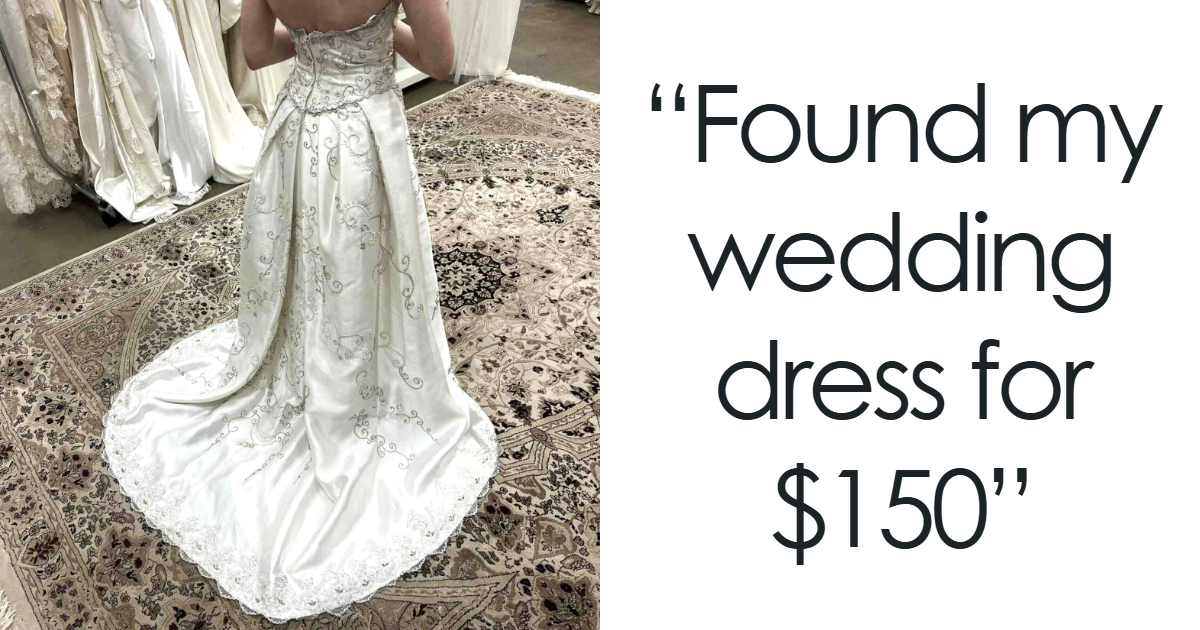
11. A Wedding Dress for Less Than Dinner for Two
Secondhand bridal finds can be surprisingly beautiful. Some gowns are samples, some were worn once, and some were donated after plans changed. With tailoring and cleaning, a thrifted wedding dress can look custom without emptying a savings account.
12. A Leather Jacket That Already Knows How to Be Cool
A good leather jacket is expensive new and unbeatable when vintage. Check for soft leather, intact lining, strong zippers, and minimal cracking. The best ones look like they have stories but are polite enough not to tell all of them.
13. Original Artwork From a Local Artist
Not every art surprise involves a famous name. Local paintings, student works, handmade prints, and signed watercolors often appear in thrift stores. These pieces bring originality to a home and keep walls from looking like a hotel lobby.
14. A Vintage Mirror That Makes a Room Feel Bigger
Mirrors are secondhand store royalty. A gilded frame, carved wood edge, or unusual shape can add depth and light. Check for cracks, loose backing, and heavy damage, but do not dismiss a little patina. Patina is just age with better branding.
15. Mid-Century Glassware Ready for a Comeback
Barware, coupe glasses, colorful tumblers, and etched crystal often land on thrift shelves after estate cleanouts. A set of six vintage glasses can make lemonade feel like an occasion and sparkling water feel suspiciously glamorous.
16. A Record Collection With One Hidden Gem
Vinyl crates require patience. Most contain holiday albums and mysterious polka compilations, but occasionally there is a classic jazz pressing, a beloved rock album, or a soundtrack that deserves better than the bottom bin.
17. A Handmade Quilt With Real History
Handmade quilts carry time in every stitch. Look for strong fabric, clean seams, and manageable wear. Even a slightly imperfect quilt can become a bed topper, wall hanging, or couch blanket with more soul than anything shrink-wrapped.
18. A Camera That Still Works
Film cameras, Polaroids, and vintage lenses can be exciting finds. Some are collectible; others are just fun. Check battery compartments for corrosion, test moving parts, and research model numbers before celebrating too loudly in aisle five.
19. A Ceramic Animal That Makes No Sense but Sparks Joy
A blue giraffe. A goose in a bonnet. A frog playing saxophone. Secondhand stores are full of decorative animals that seem designed during a fever dream. They are ridiculous, and that is their power.
20. A Wool Coat Built Like a Fortress
Older wool coats often have better weight, lining, and tailoring than many new budget coats. Check for moth holes, stains, missing buttons, and odors. A dry-cleaning bill is worth considering, but a great coat can last for years.
21. A Toy From Childhood You Forgot Existed
Few surprises hit like finding a toy you owned as a kid. Action figures, board games, plush animals, dolls, and old lunchboxes can instantly unlock memories. Nostalgia is a powerful sales associate.
22. A Board Game With All the Pieces
Finding a used board game is easy. Finding one with every tiny plastic token is the miracle. Always open the box and count important components. Victory tastes better when nobody has to use a penny as a missing spaceship.
23. A Vintage Typewriter for Writers With Dramatic Intentions
Typewriters are heavy, charming, and completely unnecessary in the best way. They make grocery lists feel like wartime correspondence. If the keys move and the carriage advances, it may be worth taking home.
24. A Designer Chair Waiting Under Ugly Fabric
Sometimes a chair has great bones and terrible upholstery. Look for solid frames, interesting silhouettes, and comfortable proportions. Reupholstery can cost money, but a special chair can become the piece everyone asks about.
25. A Box of Old Photos With Accidental Poetry
Old photographs are bittersweet finds. They show vacations, birthdays, cars, kitchens, and hairstyles that made sense at the time. Some shoppers collect them as anonymous history; others use them in art projects.
26. A Cashmere Sweater Hiding Between Acrylic Knits
Fabric labels matter. Cashmere, merino wool, silk, linen, and alpaca can be found if you are willing to inspect tags. Check for holes, pilling, and shrinkage. A $7 cashmere sweater is basically thrift-store confetti.
27. A Set of Vintage Tools That Still Outperform New Ones
Old hand tools can be beautifully made. Wooden handles, forged metal, and sturdy construction often beat flimsy modern versions. Avoid unsafe electrical tools unless properly tested, but hand tools are often practical bargains.
28. A Holiday Decoration That Becomes Family Tradition
Secondhand holiday aisles are wonderfully chaotic. Ceramic trees, glass ornaments, old stockings, and nutcrackers with suspicious expressions can become annual favorites. The stranger the ornament, the more likely people remember it.
29. A Vintage Map That Turns Into Wall Art
Maps are great thrift finds because they are decorative, educational, and usually inexpensive. Old city maps, nautical charts, and school maps can be framed for instant character.
30. A Musical Instrument Begging for Lessons
Guitars, keyboards, ukuleles, violins, and brass instruments appear often. Some need repair, but others are perfectly playable. A thrifted instrument is a low-pressure way to discover whether you are secretly musical or just loud.
31. A Basket That Solves a Storage Problem
Baskets are the unsung heroes of secondhand shopping. They hide blankets, toys, magazines, cables, and the emotional wreckage of a busy living room. Natural materials like wicker, rattan, and seagrass age beautifully.
32. A Vintage Suitcase With Travel Romance
Old suitcases may not meet modern travel needs, but they make excellent decor and storage. Stack them as a side table or use them for seasonal items. Just check for musty smells first, because “old train station” is not a home fragrance.
33. A KitchenAid Mixer at a Suspiciously Good Price
Small appliances can be risky, but occasionally a quality mixer, blender, or food processor appears. Plug it in, test speeds, inspect cords, and check for missing parts. A working mixer at a thrift price is a baking victory.
34. A Framed Needlepoint With Unexpected Sass
Needlepoint has range. Some pieces are sweet florals. Others say things your grandmother would whisper but never print. These handmade finds add humor, texture, and personality.
35. A Pair of Nearly New Boots
Footwear can be hit or miss, but quality boots with little wear are worth checking. Look at soles, heel wear, stitching, and leather condition. A good pair can survive weather, concerts, and questionable life choices.
36. A Vintage Radio That Becomes Decor Even If It Hums
Old radios have sculptural appeal. Some still work; others simply look good on a shelf. For electrical safety, treat restoration seriously and do not plug in damaged cords casually.
37. A Rare Cookbook With Notes in the Margins
Used cookbooks often come with handwritten edits: “too much salt,” “great for church,” or “Bob hated this.” These notes are tiny domestic reviews from the past, and they make recipes feel alive.
38. A Plant Pot That Looks Boutique
Ceramic planters, terracotta pots, brass cachepots, and pedestal stands are thrift-store staples. Plants do not care whether their container came from a designer shop or a $2 shelf. They only judge your watering habits.
39. A Vintage Sports Jacket From a Forgotten Team
Old team jackets, varsity pieces, and embroidered club apparel can be stylish even when you have no idea who won the 1987 regional bowling championship. The graphics often beat modern minimalist logos.
40. A Porcelain Figurine That Is Secretly Collectible
Some figurines are mass-produced dust magnets; others are collectible pieces from known makers. Check marks on the base and look up patterns. At worst, you own a tiny porcelain shepherd. At best, you found a gem.
41. A Vintage Scarf That Upgrades Everything
Silk scarves are small, easy to inspect, and endlessly useful. Tie one around your neck, hair, bag handle, or framed as art. The best patterns look expensive because they were designed before beige took over the world.
42. A Desk With Secret Compartments
Old desks sometimes include hidden drawers, sliding panels, or forgotten envelopes. Always inspect furniture before buying and before donating. You never know what historyor spare changemight be tucked inside.
43. A Handmade Pottery Bowl With Studio Marks
Studio pottery is a wonderful category for patient shoppers. Turn pieces over and check for signatures, stamps, or labels. Handmade bowls and mugs bring warmth to everyday routines.
44. A Vintage Blazer That Fits Like Tailoring Magic
Blazers are everywhere in thrift stores, but great ones stand out by fabric, structure, and fit. Wool, linen, silk blends, and classic cuts can make a thrifted blazer look far more expensive than it was.
45. A Box of Craft Supplies Worth More Than the Price Tag
Yarn, fabric, beads, paint, frames, patterns, and unopened art supplies often arrive after abandoned hobbies. Crafters know this is gold. Someone else’s “I’ll learn macramé someday” becomes your weekend project.
46. A Vintage Clock That Makes Time Feel Fancy
Old clocks can be charming, even when they are dramatic about ticking. Mantel clocks, wall clocks, travel clocks, and mid-century alarm clocks add personality. If accuracy matters, test before buying.
47. A Piece of History Donated by Accident
Every so often, cultural artifacts, historical documents, or rare objects appear in secondhand stores because someone did not recognize them. These finds should be handled responsibly, especially if they may belong in a museum or require proper provenance.
48. A Perfectly Aged Denim Jacket
A denim jacket with natural fading is hard to fake. Thrift stores offer different washes, cuts, and eras. Oversized, cropped, embroidered, or plain, a good denim jacket earns its closet space immediately.
49. A Set of Frames That Makes Cheap Art Look Expensive
Frames can cost more than art, which is rude but true. Thrift stores often sell wood, metal, and ornate frames for a fraction of retail prices. Swap the print, clean the glass, and suddenly your wall has opinions.
50. The Thing You Did Not Know You Needed Until It Found You
The best secondhand surprise is often impossible to categorize: a tiny lamp shaped like a mushroom, a velvet footstool, a handmade chess set, a ceramic bowl in the exact shade of your kitchen, or a jacket that fits like destiny. Thrifting works because it leaves room for chance.
How to Spot a Great Secondhand Find
The secret to successful thrift shopping is slowing down. Great finds rarely announce themselves with a spotlight and theme music, although that would be helpful. Start by touching materials. Solid wood feels different from particleboard. Wool feels different from acrylic. Real leather ages differently from vinyl. Heavy glass, hand-thrown pottery, tight stitching, dovetail joints, and maker marks are all clues that an item may be better than its price tag suggests.
Condition matters, but perfection is not required. A missing button, loose screw, dusty frame, or dull brass finish can usually be fixed. Deep odors, mold, major structural damage, unsafe wiring, and cracked cookware are harder to justify. The smartest thrifters know the difference between “easy project” and “future regret with handles.”
Use your phone, but do not let it ruin the fun. Searching a signature, brand label, model number, or pattern name can help you make better choices. Still, not every purchase needs resale value. Sometimes the right reason is simple: you love it, you will use it, and it costs less than a sad sandwich.
What Not to Buy Without Extra Caution
Secondhand shopping is exciting, but safety still matters. Be careful with used car seats, cribs, helmets, damaged electronics, scratched nonstick cookware, old pressure cookers, heavily stained upholstery, and anything with unknown contamination. Some items can be cleaned; others are not worth the risk.
For furniture, inspect seams, joints, cushions, drawers, and undersides. For clothing, check zippers, lining, armpits, hems, and fabric content. For kitchenware, avoid pieces with cracks, rust, peeling coatings, or questionable surfaces for food use. For lamps and appliances, test them when possible and replace damaged cords before use.
Why Secondhand Surprises Matter Beyond the Bargain
Secondhand stores do more than sell cheap stuff. Many nonprofit shops fund job training, housing programs, community services, and local charity work. Donation-based retail also helps extend the life of products. Reuse is especially important because textiles, furniture, home goods, and building materials can create huge waste when they are thrown away too soon.
Buying secondhand is not a perfect solution to overconsumption. A cart full of thrifted items you do not need is still clutter wearing a bargain hat. But thoughtful secondhand shopping can reduce demand for newly made products, save money, support community organizations, and keep useful goods in circulation longer.
It also adds character to daily life. A home filled only with new, matching items can look clean but forgettable. A home with thrifted objects tells stories. The lamp came from a church rummage sale. The chair was rescued from a dusty corner. The painting was bought because it looked like someone’s dramatic aunt staring into the sea. These details make a space feel human.
Personal Experiences and Lessons From the Secondhand Hunt
Anyone who shops secondhand long enough develops a sixth sense. At first, you walk in and see clutter. After a while, you see categories: good wood, real wool, vintage frames, handmade ceramics, quality zippers, heavy brass, suspiciously elegant glass, and “that might be worth checking.” The store does not change. Your eyes do.
One of the best experiences is learning to trust curiosity. Many shoppers start by looking only for practical things: a winter coat, a bookshelf, a cheap pan, a costume piece for a party. Then the secondhand world expands. You begin to notice the back of picture frames, the bottoms of bowls, the tags inside jackets, and the screws under chairs. You learn that ugly fabric can hide a great frame, dusty silver can be polished, and a lamp shade can be replaced. You also learn that not every bargain is a bargain if it needs $300 of repairs and a garage you do not have.
The emotional side is just as important. Secondhand shopping gives objects a kind of mystery. A handwritten recipe tucked into a cookbook makes you wonder who made that cake and whether Bob ever stopped complaining about the salt. A quilt with uneven stitches feels more meaningful because someone made it by hand. A framed family photo accidentally left in a donated box can feel funny for one second and then oddly tender. These objects remind us that everyday life leaves traces.
Another useful lesson: go often, buy slowly. The best thrifters do not force the treasure hunt. They visit regularly, scan patiently, and leave empty-handed without feeling defeated. That discipline matters because secondhand stores tempt you with low prices. A $5 lamp is still a waste if you hate it next week. A $2 basket is not helpful if you already own twelve baskets and none of them contain your life in any meaningful way.
It helps to keep a small wish list. Maybe you need a narrow side table, cotton button-down shirts, frames in specific sizes, ceramic planters, or a real wool coat. A list keeps your shopping focused while still leaving room for surprise. The magic happens when your list says “small lamp” and the universe offers a brass turtle lamp with a green glass shell. That is not impulse buying. That is destiny with a cord.
Secondhand shopping also teaches repair skills. You might learn to polish metal, sew buttons, steam wool, remove sticker residue, oil wood, clean leather, or rewire a basic lamp with help from a professional or safe tutorial. These small skills build confidence. They also make you less dependent on buying new whenever something looks tired.
Finally, thrifting is a reminder that value is not always obvious. Some things are financially valuable because of age, rarity, maker, or condition. Other things are valuable because they solve a problem, make a room feel alive, or make you laugh every morning. The coolest secondhand surprise is not always the one that sells at auction. Sometimes it is the $1 mug you reach for every day, the chair everyone fights over, or the strange little painting that makes your hallway feel like it has a secret.
Conclusion
Secondhand stores deliver surprises because they are built from other people’s almosts: almost-used gifts, almost-forgotten heirlooms, almost-finished hobbies, almost-trendy decor, and almost-lost treasures. For shoppers with patience and a good eye, those almosts can become something wonderful.
The next time you walk into a thrift store, look beyond the crowded shelves. Check the labels, lift the frames, open the drawers, test the lamp, read the inscription, and inspect the weird object you cannot stop staring at. You may not find a six-figure vase or a museum-worthy painting. But you might find something better: a piece that feels like it was waiting for you.