Note: This article is for educational reptile-care content only. For baby dragons, sick dragons, underweight dragons, or reptiles with appetite, stool, hydration, or bone-health concerns, consult an exotic-animal veterinarian before changing the diet.
Mealworms are the potato chips of the bearded dragon world: crunchy, exciting, and capable of making your little desert pancake sprint across the tank like it just heard the dinner bell from another dimension. But like potato chips, mealworms are not meant to be the whole meal plan. They can be useful as a treat, a training reward, or a way to tempt a picky beardie, but they need to be offered correctly.
A healthy bearded dragon diet depends on variety, proper insect size, gut-loaded feeders, calcium supplementation, clean feeding habits, hydration, and age-appropriate portions. Young bearded dragons need more insect protein because they are growing fast, while adult bearded dragons should eat a mostly plant-based diet with insects offered in moderation. Mealworms can fit into that picture, but they should not push out staple feeders such as dubia roaches, crickets, black soldier fly larvae, silkworms, or nutritious leafy greens.
This guide explains how to feed mealworms to a bearded dragon in 9 practical steps, with safety tips for beginners and useful reminders for experienced reptile keepers who have already been judged by a lizard for chopping collard greens incorrectly.
Are Mealworms Good for Bearded Dragons?
Mealworms are not “bad,” but they are not perfect. They contain protein and fat, and many bearded dragons love their movement and texture. However, mealworms also have a tougher outer shell than some softer feeder insects. That shell is often called chitin. In a healthy dragon with good basking temperatures, proper hydration, and appropriate portions, a few correctly sized mealworms are usually manageable. Problems are more likely when owners feed too many, choose worms that are too large, offer them to very young dragons, or keep the enclosure too cool for proper digestion.
Think of mealworms as part of a rotating feeder menu, not the star of the entire buffet. A better feeding routine includes a mix of insects, dark leafy greens, vegetables, and proper supplementation. Your dragon should not look at a salad bowl like it is a personal insult, even though many of them absolutely will.
How Often Can Bearded Dragons Eat Mealworms?
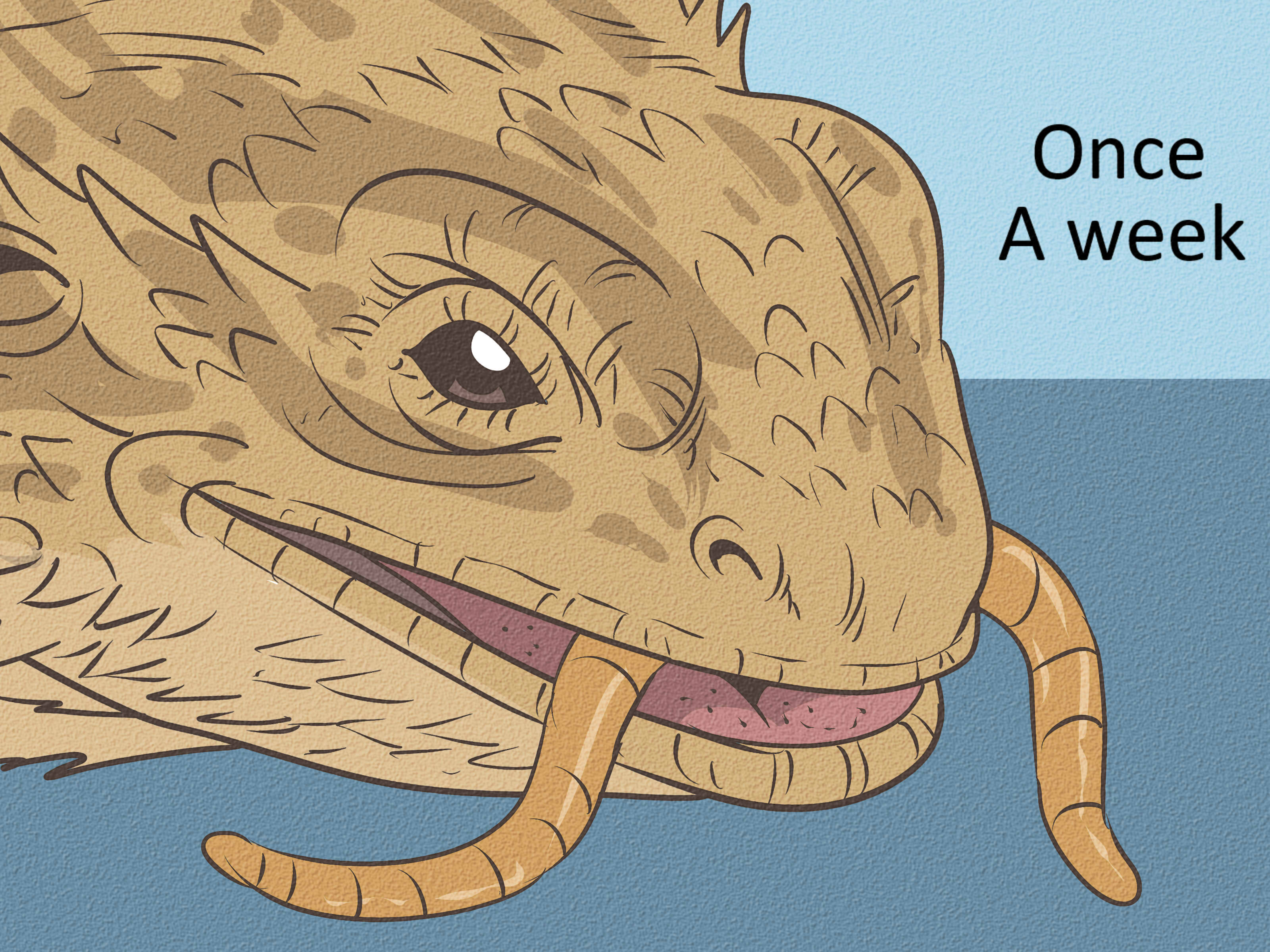
Adult bearded dragons can usually have mealworms occasionally, such as a few worms once or twice a week, depending on body condition, activity level, and the rest of the diet. Juveniles should be offered mealworms more cautiously because they are still growing and may be more prone to digestive issues if given hard-bodied feeders too often. Very young baby bearded dragons are usually better served with small, softer, appropriately sized insects rather than regular mealworms.
If your dragon is overweight, constipated, dehydrated, recovering from illness, or living in an enclosure with questionable heat or UVB, pause the mealworms and fix the husbandry first. A mealworm should not be asked to solve a lighting problem. It has no tools, no certification, and no tiny contractor’s license.
How to Feed Mealworms to a Bearded Dragon: 9 Steps
Step 1: Choose Healthy, Live Mealworms from a Safe Source
Start with clean, active mealworms from a reputable pet store, reptile supplier, or trusted feeder insect breeder. Avoid wild-caught insects because they may carry parasites, pesticides, lawn chemicals, or other contaminants. Wild bugs are not “free protein” if they come with a mystery medical bill.
Healthy mealworms should move when disturbed, look plump rather than dried out, and be stored in clean bedding such as wheat bran or oats. Do not feed dead, moldy, foul-smelling, or discolored worms. If the container smells like science class went wrong, toss it.
Step 2: Pick the Right Size Mealworms
Size matters. A safe rule is to avoid feeding any insect that is wider than the space between your bearded dragon’s eyes. For small dragons, choose small mealworms only, or skip mealworms until the dragon is older and better able to handle firmer feeders. Oversized insects can increase the risk of choking, regurgitation, stress, or digestive trouble.
For adults, standard mealworms are usually easier to manage than giant mealworms or superworms. Superworms are different insects, much larger, more active, and often higher in fat. They should be treated as occasional feeders for appropriately sized dragons, not confused with everyday mealworms.
Step 3: Gut-Load the Mealworms Before Feeding
Gut-loading means feeding the mealworms nutritious foods before your dragon eats them. This step improves the value of the feeder insect. Mealworms that have been living on poor-quality bedding alone are basically crunchy delivery vehicles with wasted potential. Feed them for 24 to 72 hours before offering them to your dragon.
Good gut-loading foods include dark leafy greens, squash, carrots, sweet potato, and commercial high-quality insect gut-load diets. Avoid wet, spoiled, or moldy food. Remove old vegetable pieces before they rot. A tiny slice of carrot or squash can provide moisture without turning the container into a swampy insect motel.
Step 4: Dust Mealworms Lightly with Calcium
Most feeder insects are naturally low in calcium compared with phosphorus, so calcium dusting is important. Place the mealworms in a small cup or bag, add a small pinch of reptile calcium powder, and gently shake until the worms are lightly coated. They should look dusted, not breaded like they are about to enter a fryer.
How often you dust depends on the dragon’s age, diet, UVB exposure, and veterinary guidance. Juveniles generally need calcium more often than adults. Adult dragons on a balanced diet may need calcium dusting less frequently, but they still require consistent mineral support. A reptile multivitamin may also be used on a schedule, but do not overdo supplements. More powder is not automatically more health; sometimes it is just a lizard wearing chalk.
Step 5: Feed After Your Dragon Has Warmed Up
Bearded dragons need proper heat to digest food. Offer mealworms after your dragon has had time to bask and become active. Feeding too early in the morning, before the body has warmed, can make digestion less efficient. Feeding too late at night can also be a problem because the dragon may not have enough warm basking time left before lights go out.
A practical routine is to feed insects during the day, after the dragon has basked, and leave several hours of normal heat and light afterward. Proper basking temperature, UVB lighting, and a temperature gradient are not optional extras. They are part of the digestive system’s support crew.
Step 6: Use a Feeding Dish or Tongs
Mealworms are easy to serve in a shallow, escape-resistant dish. This keeps them from burrowing into substrate, hiding under decorations, or becoming weird little roommates your dragon discovers three days later. A smooth-sided ceramic or glass dish works well because mealworms have trouble climbing out.
You can also use soft-tipped feeding tongs. Move the worm gently to trigger your dragon’s hunting response, but do not poke, tease, or hold the worm too tightly. Avoid hand-feeding too often, especially if your dragon is enthusiastic. A hungry beardie does not always pause to admire the difference between mealworm and fingertip.
Step 7: Offer a Sensible Portion
Portion control is where many owners get into trouble. Because mealworms are small, it is easy to think, “What’s five more?” That sentence has defeated many diets, both human and reptilian.
For an adult bearded dragon, a few appropriately sized mealworms as part of an insect feeding session is usually enough. For juveniles, use smaller portions and rely more on staple feeders that are easier to digest and better suited to growth. Mealworms should not replace daily greens or a varied insect rotation. If your dragon starts refusing greens because it is waiting for worms, reduce the treats and rebuild better habits.
Step 8: Watch Your Dragon Eat
Supervise every feeding. Make sure your dragon chews and swallows normally. Signs of trouble may include repeated gagging, black-bearding, panic movements, food dropping from the mouth, or immediate regurgitation. If anything looks wrong, stop feeding and contact a reptile veterinarian.
Watching the meal also helps you learn your dragon’s normal behavior. Some beardies are polite hunters. Others launch themselves at a worm with the emotional intensity of a tiny dinosaur who has been personally betrayed by breakfast. Normal enthusiasm is fine. Labored swallowing or distress is not.
Step 9: Remove Uneaten Worms and Track Digestion
After feeding, remove uneaten mealworms. Do not leave insects wandering in the enclosure. They can hide, stress the dragon, contaminate the habitat, or get eaten later when you are not monitoring portion size. Clean the feeding dish and keep the enclosure tidy.
Over the next day or two, monitor appetite, energy, basking behavior, and stool. Healthy digestion should be consistent for your individual dragon. If you notice constipation, bloating, lethargy, straining, repeated loss of appetite, or unusual stool, stop feeding mealworms and review hydration, basking temperatures, UVB, substrate, and overall diet. When in doubt, call an exotic-animal veterinarian. Internet advice is helpful; a qualified vet with your actual lizard in front of them is better.
Best Foods to Pair with Mealworms
Mealworms should be one small part of a broad bearded dragon diet. Pair insect days with fresh vegetables and greens. Good leafy options often include collard greens, mustard greens, turnip greens, dandelion greens, endive, and escarole. Vegetables such as squash, bell pepper, and occasional carrot can add variety. Fruit should be rare because it is sugary.
For feeder rotation, consider dubia roaches, crickets, black soldier fly larvae, silkworms, and hornworms. Each feeder has different moisture, fat, protein, and mineral qualities. Variety helps prevent nutritional gaps and keeps your dragon from becoming a one-insect food critic with a beard.
Common Mistakes When Feeding Mealworms
Feeding Too Many at Once
Mealworms are easy to overfeed. Too many can contribute to weight gain, picky eating, and digestive issues. Keep them as occasional feeders, not the foundation of the diet.
Skipping Gut-Loading
A feeder insect is only as good as what it has been eating. Gut-loading improves nutrition and should be a regular habit, not a fancy optional upgrade.
Forgetting Calcium
Calcium support is essential for bearded dragons, especially growing juveniles and egg-laying females. Poor calcium balance, inadequate UVB, and weak husbandry can contribute to serious bone-health problems.
Using Loose Substrate During Feeding
If your dragon eats mealworms from sand, wood chips, crushed walnut shell, or other loose substrate, it may swallow substrate along with the worm. Use a dish, tongs, or a clean feeding area to reduce that risk.
Feeding When the Tank Is Too Cool
Digestion depends on heat. A dragon that cannot bask properly may struggle with insects that a well-heated dragon could digest more easily. Always fix enclosure temperatures before blaming the worm.
Signs Mealworms May Not Be Right for Your Dragon
Some bearded dragons tolerate mealworms well; others do better without them. Stop offering mealworms and seek professional advice if your dragon shows constipation, repeated regurgitation, appetite loss, weight loss, lethargy, swelling, tremors, weakness, or difficulty passing stool. These signs can have many causes, and diet is only one part of the puzzle.
Also reconsider mealworms if your dragon becomes obsessed with them and refuses healthier foods. Beardies can be stubborn. A dragon that has discovered treats may stare at a salad with the disappointment of a restaurant critic reviewing wet napkins. Stay consistent, offer variety, and avoid training your pet to hold out for dessert.
Quick Mealworm Feeding Checklist
- Buy live mealworms from a safe, reputable source.
- Choose worms smaller than the space between your dragon’s eyes.
- Gut-load mealworms for 24 to 72 hours.
- Dust lightly with calcium powder before feeding.
- Feed after your dragon has basked and warmed up.
- Use a shallow dish or soft-tipped tongs.
- Offer mealworms in moderation.
- Remove uneaten insects after feeding.
- Monitor stool, appetite, hydration, and behavior.
Frequently Asked Questions
Can baby bearded dragons eat mealworms?
Baby bearded dragons are usually better off with small, softer feeder insects. If mealworms are offered at all, they should be tiny, rare, and carefully supervised. Many keepers wait until the dragon is older before adding mealworms.
Can bearded dragons eat dried mealworms?
Live, gut-loaded insects are usually better than dried mealworms because they provide movement, moisture, and better feeding enrichment. Dried mealworms may also encourage dehydration if used too heavily. They should not be a staple food.
Are mealworms better than crickets?
Not necessarily. Crickets are active and widely used, while mealworms are easier to contain but should be fed more moderately. Dubia roaches, black soldier fly larvae, silkworms, and other feeders can also be valuable. The best answer is variety.
How many mealworms should I feed my bearded dragon?
There is no universal number because age, size, weight, health, and total diet matter. For adults, a few mealworms as an occasional treat is safer than a large bowl of them. For young dragons, be more conservative and prioritize appropriate staple feeders.
Can mealworms cause impaction?
Mealworms alone are not magic impaction machines, but they can contribute to problems when fed too often, too large, or under poor husbandry conditions. Dehydration, low basking temperatures, loose substrate ingestion, illness, and overfeeding all increase risk.
Conclusion
Feeding mealworms to a bearded dragon is simple when you treat them as an occasional part of a balanced reptile diet. Choose healthy live worms, gut-load them, dust them lightly with calcium, serve them in a dish or with tongs, and keep portions sensible. Most importantly, do not let mealworms replace leafy greens, varied feeder insects, proper UVB, hydration, and correct basking temperatures.
Your bearded dragon may act like mealworms are the greatest invention since basking rocks, but you are the keeper of the menu. A few crunchy treats can be fun. A mealworm-only lifestyle is not. Feed smart, observe closely, and your beardie can enjoy the snack without turning dinner into a digestive drama.
Owner Experience: Practical Lessons from Feeding Mealworms to Bearded Dragons
Many first-time bearded dragon owners discover mealworms during the “what will my dragon actually eat?” phase. This phase usually begins with optimism, a clean salad bowl, and a dragon who looks at mustard greens like they personally ruined its weekend. Mealworms often get attention because they wiggle, they are easy to buy, and they stay in a dish better than crickets. That convenience is real, but it can also make owners rely on them too much.
One useful experience-based tip is to use mealworms as a bridge, not a bribe. For example, if an adult dragon refuses greens, placing one or two moving mealworms on top of a chopped salad can encourage investigation. The dragon may grab the worm and accidentally taste the greens. This does not instantly create a salad-loving angel, but it can help build familiarity. Over time, reduce the number of worms and keep rotating colorful vegetables. The goal is not to hide every vegetable forever; the goal is to remind your dragon that the bowl is worth visiting.
Another lesson is that feeding dishes matter more than people expect. A shallow dish with smooth sides prevents worms from escaping and keeps the enclosure cleaner. Without a dish, mealworms can disappear into corners, under decor, or into loose substrate. Then the owner spends the afternoon conducting a tiny worm investigation while the dragon watches with absolutely no intention of helping. Dish feeding also makes portion control easier because you can count what goes in and remove what is left.
Owners also learn quickly that calcium dusting requires a light hand. A common beginner mistake is turning insects ghost-white with powder. Dragons may reject heavily coated feeders, and excess supplement use can create its own problems. A light coating is enough. The “shake and serve” method works well: place the mealworms in a small cup with a pinch of calcium, swirl gently, and offer them right away before the powder falls off.
Timing is another practical detail. Bearded dragons usually feed best when they are warm, alert, and actively basking. If your dragon is still sleepy or dark-colored in the morning, wait until it warms up. After feeding, give it several hours under normal heat and UVB so digestion can proceed properly. Many feeding issues blamed on insects are really husbandry issues wearing a fake mustache.
Finally, the best long-term experience is learning your individual dragon’s normal pattern. Some dragons poop like clockwork after insect meals. Others slow down if they get too many firmer feeders. Some become picky if treats appear too often. Keep a simple feeding note on your phone: what insects you offered, how many, whether calcium was used, and how stool looked afterward. It sounds overly organized until it saves you from guessing later.
Mealworms can be a useful snack, training tool, or appetite helper, but the healthiest keepers stay boring in the best way: consistent heat, strong UVB, fresh greens, varied insects, clean water, and moderation. Your dragon gets the fun of the occasional crunchy treat. You get the peace of knowing dinner is not secretly sabotaging digestion.