Note: This article is for general education only and should not replace medical advice. If you think you have shingles, especially on your face, near your eye, or with severe pain, contact a health care professional promptly.
Living with shingles is a little like hosting an extremely rude houseguest: it arrives uninvited, makes everything uncomfortable, and insists on staying longer than anyone would prefer. Shingles, also called herpes zoster, is caused by the reactivation of the varicella-zoster virus, the same virus that causes chickenpox. After a person recovers from chickenpox, the virus can remain quiet in the nerves for years before waking up later in life.
The good news is that shingles can be managed. The better news is that early treatment, smart skin care, pain control, and a few daily-life adjustments can make recovery much more tolerable. Most people recover in several weeks, although some develop lingering nerve pain known as postherpetic neuralgia. That is why taking shingles seriously from day one matters.
This guide explains how to live with shingles in 12 practical steps, from recognizing symptoms and getting treatment to soothing the rash, protecting others, sleeping better, and preventing future outbreaks when possible.
What Is Shingles?
Shingles is a viral infection that usually causes a painful, blistering rash. The rash often appears on one side of the body, commonly around the torso, chest, back, waist, neck, or face. Before the rash shows up, many people feel burning, tingling, itching, stabbing pain, or unusual skin sensitivity in one area. Some people also experience fever, chills, headache, fatigue, or an upset stomach.
Unlike a regular rash, shingles follows nerve pathways. That is why the pain can feel sharp, electric, deep, or strangely intense compared with what the skin looks like at first. The blisters typically crust over as healing progresses. Until the rash has fully scabbed, the fluid from the blisters can spread the varicella-zoster virus to someone who has never had chickenpox or the chickenpox vaccine. That person would develop chickenpox, not shingles.
How to Live With Shingles: 12 Steps
1. Call a Health Care Provider Quickly
If you suspect shingles, do not wait to “see what happens” while Googling pictures at midnight and questioning every life decision. Contact a doctor as soon as possible. Antiviral medicines work best when started early, ideally within 72 hours after the rash appears. Common antiviral medications include acyclovir, valacyclovir, and famciclovir.
Early treatment may shorten the illness, reduce the severity of symptoms, and lower the risk of complications. This is especially important if you are over 50, pregnant, immunocompromised, have widespread rash, have severe pain, or have shingles on the face.
2. Learn the Pattern of Your Symptoms
Shingles often starts with nerve pain before blisters appear. You may feel tingling, burning, itching, or tenderness in a narrow band on one side of the body. Then red patches and fluid-filled blisters may develop. The rash often stays localized, but it can be more widespread in people with weakened immune systems.
Tracking your symptoms helps you explain them clearly to your clinician. Write down when the pain started, when the rash appeared, where it is located, whether it is spreading, and what makes it better or worse. A simple note on your phone can save you from trying to remember details while sitting in an exam room wearing a paper gown and questioning modern civilization.
3. Take Antiviral Medicine Exactly as Prescribed
If your doctor prescribes antiviral medication, take it exactly as directed. Do not stop early because the rash “looks a little less angry.” Antivirals need to be taken on schedule to work properly. If you miss a dose, follow the instructions from your doctor or pharmacist.
Tell your provider about other medications, kidney disease, pregnancy, immune system conditions, or allergies. Some people need adjusted dosing or closer monitoring. Drinking enough water may also be recommended with certain antiviral medicines, but your doctor’s advice should guide you.
4. Manage Pain Before It Takes Over Your Day
Shingles pain can range from annoying to “who installed lightning under my skin?” Mild discomfort may respond to over-the-counter pain relievers such as acetaminophen or ibuprofen, if those are safe for you. However, shingles pain can be nerve-based, and nerve pain sometimes needs prescription treatment.
Your clinician may recommend topical lidocaine, prescription pain medicine, certain antidepressants, or anticonvulsant medicines used for nerve pain. Never mix medications casually, and avoid applying random creams to open blisters. Pain control is not about being dramatic; it is about helping you sleep, move, breathe comfortably, and recover.
5. Soothe the Rash With Cool, Gentle Care
Cool compresses can calm itching and burning. Use a clean, soft cloth soaked in cool water, apply it gently, and then pat the skin dry. Cool baths may also help. Some people find colloidal oatmeal baths soothing, especially when itching is making them behave like a bear against a tree.
Keep the routine simple. Use fragrance-free cleansers, avoid harsh scrubbing, and skip perfumed lotions. Calamine lotion may help with itching for some people, but ask your provider before applying products if the rash is open, infected-looking, or near the eyes.
6. Keep the Rash Clean, Dry, and Covered
Gentle hygiene helps prevent secondary skin infection. Wash the rash with mild, fragrance-free cleanser and water. Pat dry with a clean towel. A thin layer of plain petroleum jelly and a sterile, nonstick bandage may help protect the rash from friction and reduce the chance of spreading blister fluid.
Change bandages regularly and wash your hands after touching the rash or used dressings. Avoid scratching, even if your skin is auditioning for the role of “most irritating body part.” Scratching can break the skin, increase infection risk, and slow healing.
7. Protect People Who Are at Higher Risk
You cannot give someone shingles directly, but you can spread the varicella-zoster virus from active blister fluid. Someone who has never had chickenpox or the chickenpox vaccine could develop chickenpox after direct contact with the fluid.
Until your rash has fully crusted over, keep it covered and avoid close contact with pregnant people who have never had chickenpox or the vaccine, premature or low birth weight infants, newborns, and people with weakened immune systems. Wash your hands often for at least 20 seconds. Yes, sing a little handwashing song if necessary. Your bathroom, your concert hall.
8. Wear Loose Clothing and Reduce Friction
Shingles and tight clothing are not friends. Soft, loose fabrics can reduce rubbing against the rash. If the rash is around your waist or chest, avoid tight waistbands, rough seams, underwire bras, scratchy sweaters, and anything that makes you mutter under your breath every time you move.
For sleep, lightweight pajamas and breathable bedding may help. If one position hurts, try supporting your body with pillows. Some people sleep better slightly elevated or with the affected area protected from pressure.
9. Watch for Eye, Ear, and Face Symptoms
Shingles on the face needs extra attention. If the rash is near your eye, forehead, nose, or scalp, call a doctor immediately. Eye involvement can lead to serious complications, including vision problems. Warning signs include eye pain, redness, light sensitivity, blurry vision, swelling, or rash on the tip of the nose.
Also seek urgent care for facial weakness, hearing changes, dizziness, severe headache, confusion, or rash near the ear. These symptoms are not “sleep it off” material. They deserve prompt medical evaluation.
10. Support Your Immune System With Basic, Boring, Useful Habits
There is no magic shingles diet, but your body heals better when it is not running on stress, stale crackers, and three hours of sleep. Aim for balanced meals with protein, fruits, vegetables, whole grains, and fluids. If eating feels difficult, try small meals, soups, smoothies, yogurt, eggs, beans, or other easy foods.
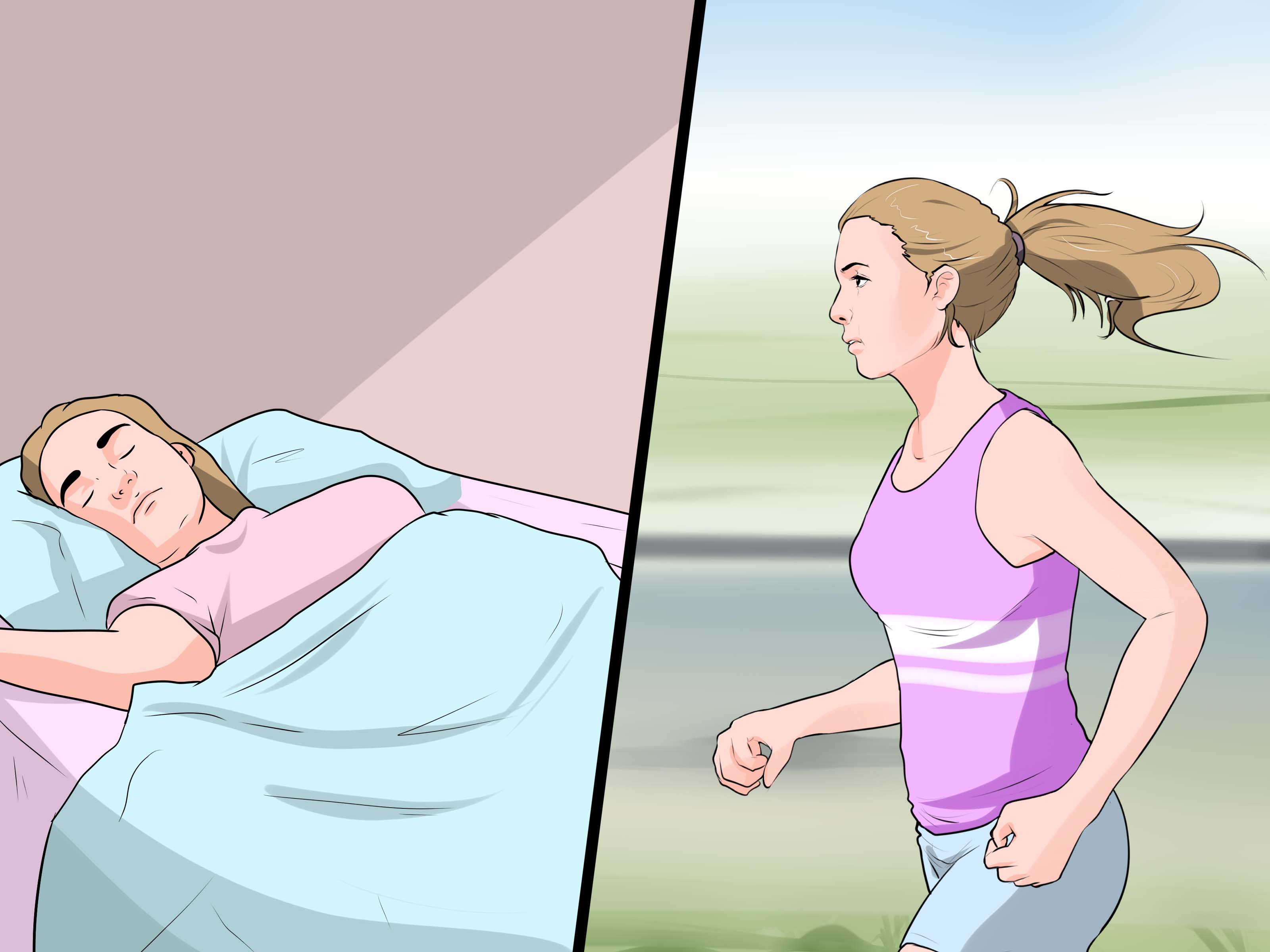
Rest matters. Shingles can cause fatigue, and pushing through like a productivity superhero may backfire. Light movement is fine if you feel up to it, but avoid intense workouts if they worsen pain, sweating irritates the rash, or you feel feverish. Healing is a job, and naps are part of the uniform.
11. Plan Your Work, Home, and Social Life Around Recovery
Depending on pain level, rash location, and your type of work, you may need time off or temporary adjustments. If your rash can be completely covered and you feel well enough, some people can continue normal activities. However, if you work with newborns, pregnant people, immunocompromised individuals, or in certain health care settings, ask your clinician or employer about return-to-work rules.
At home, simplify chores. Let laundry be imperfect. Order groceries if possible. Ask someone to walk the dog, cook dinner, or handle errands. Shingles is not a character test. It is a viral nerve infection, and you are allowed to make life easier while your body handles it.
12. Ask About Shingles Vaccination After You Recover
The shingles vaccine can help prevent future shingles and related complications. In the United States, recombinant zoster vaccine is recommended for adults age 50 and older, and for adults 19 and older who are or will be immunocompromised because of disease or therapy. It is given as a two-dose series.
If you have shingles now, vaccination is usually delayed until the acute illness has passed and symptoms have improved. Ask your health care provider when the right time is for you. Even if you have already had shingles, vaccination may still be recommended because shingles can happen more than once.
Common Mistakes to Avoid While Living With Shingles
Ignoring Early Symptoms
Many people dismiss early shingles pain as a pulled muscle, bug bite, sunburn, or mystery allergy. Because antivirals work best early, waiting too long may make recovery harder.
Using Harsh Home Remedies
Avoid bleach, alcohol, hydrogen peroxide, undiluted essential oils, toothpaste, and mystery internet pastes. Your skin is already irritated. It does not need a science fair project.
Scratching or Picking Scabs
Picking can slow healing and increase scarring or infection risk. Keep nails short, cover the rash, and use doctor-approved itch relief strategies.
Assuming Pain Is “Normal” No Matter What
Some pain is expected, but severe, worsening, or lingering pain deserves medical attention. Postherpetic neuralgia can be treated, and early help may improve quality of life.
When to Seek Medical Help Immediately
Contact a health care professional urgently if the shingles rash is near your eye, nose, ear, or face; if you have vision changes; if the rash spreads widely; if you have a high fever; if the area becomes increasingly red, swollen, warm, or filled with pus; if pain is severe; or if you have a weakened immune system.
You should also seek help if pain continues after the rash heals. Lingering nerve pain is common enough that doctors know how to address it, but you have to tell them it is happening. You do not receive extra points for silently suffering while pretending to be made of granite.
Living With Shingles Day by Day
A practical daily routine can make shingles more manageable. In the morning, take medications as directed, check the rash, change dressings, and choose soft clothing. During the day, use cool compresses when needed, drink fluids, eat simple nourishing meals, and avoid direct contact between the rash and others. In the evening, repeat gentle skin care, manage pain before bedtime, and set up your sleep area to reduce pressure on the affected side.
Emotionally, shingles can be frustrating. Pain may interrupt sleep, social plans, exercise, work, and mood. Some people feel embarrassed by the rash or anxious about spreading the virus. These reactions are understandable. The key is to treat shingles like a temporary medical condition that deserves care, not like a personal failure. You did not “cause” it by being weak. The virus reactivated, your nerves complained loudly, and now your job is to recover with patience and good support.
Experience Section: What Living With Shingles Can Feel Like
For many people, shingles does not begin with a dramatic rash. It starts quietly, almost sneakily. One day there is a strange burning sensation under the skin. Maybe it feels like a pulled muscle near the ribs or a patch of sunburn where there was absolutely no sun. The skin may feel sensitive to a shirt brushing against it. At this stage, it is easy to blame laundry detergent, bad posture, stress, or that one ambitious gardening session from the weekend.
Then the rash appears, and the mystery becomes less charming. Small red patches or blisters show up in a band or cluster, often on one side of the body. People commonly describe the pain as burning, stabbing, tingling, or electric. Even light touch can feel offensive. A bedsheet may suddenly become a villain. A waistband may feel like medieval equipment. This is when many people realize shingles is not “just a rash.” It is a nerve condition with a skin announcement.
Daily life often changes for a while. Getting dressed may require strategy. Loose cotton clothing becomes the hero of the closet. Showers become careful operations involving gentle water, mild cleanser, and no scrubbing. Sleep can be difficult because rolling onto the affected side wakes the pain. Some people build a pillow fortress to keep pressure away from the rash. It may not look elegant, but neither does losing sleep for a week.
Work and social plans may need adjustment. Someone with shingles may feel well enough to answer emails but not well enough to sit through a long meeting in tight clothing. Others may need time off because pain, fatigue, or medication side effects make concentration difficult. Parents may need help with childcare. Caregivers may need a caregiver of their own for a few days. This is normal. Recovery is easier when people stop pretending they can run at full speed with a nerve fire alarm ringing.
Emotionally, shingles can be isolating. People may worry about exposing others, especially babies, pregnant friends, or relatives with weakened immune systems. Keeping the rash covered, washing hands, and avoiding high-risk contacts until the blisters scab over can reduce risk and restore a sense of control. It helps to explain the situation simply: “I have shingles, I’m being treated, and I need to be careful until the rash crusts.” No dramatic speech required.
Many people also learn the value of asking for help. A neighbor picking up groceries, a spouse changing sheets, a coworker covering one deadline, or a friend dropping off soup can make a real difference. Shingles recovery is not glamorous, but it is manageable. The experience often teaches people to listen sooner when the body sends strange signals, to respect nerve pain, and to take prevention seriously. Once the rash heals, many adults talk with their doctor about vaccination so they can reduce the chance of going through the whole production again. Because frankly, once is plenty.
Conclusion
Learning how to live with shingles is about acting early, caring gently for your skin, managing pain seriously, protecting vulnerable people, and giving your body the recovery time it deserves. Shingles may be painful and inconvenient, but it is not something you have to simply endure without help. Antiviral treatment, safe rash care, smart comfort measures, and medical follow-up can make a major difference.
If shingles affects your face, eye, ear, immune system, or causes severe pain, seek medical care promptly. After recovery, ask your health care provider whether shingles vaccination is right for you. The goal is not only to get through this outbreak, but to lower the odds of a repeat performance. Your nerves have made their point. No encore needed.