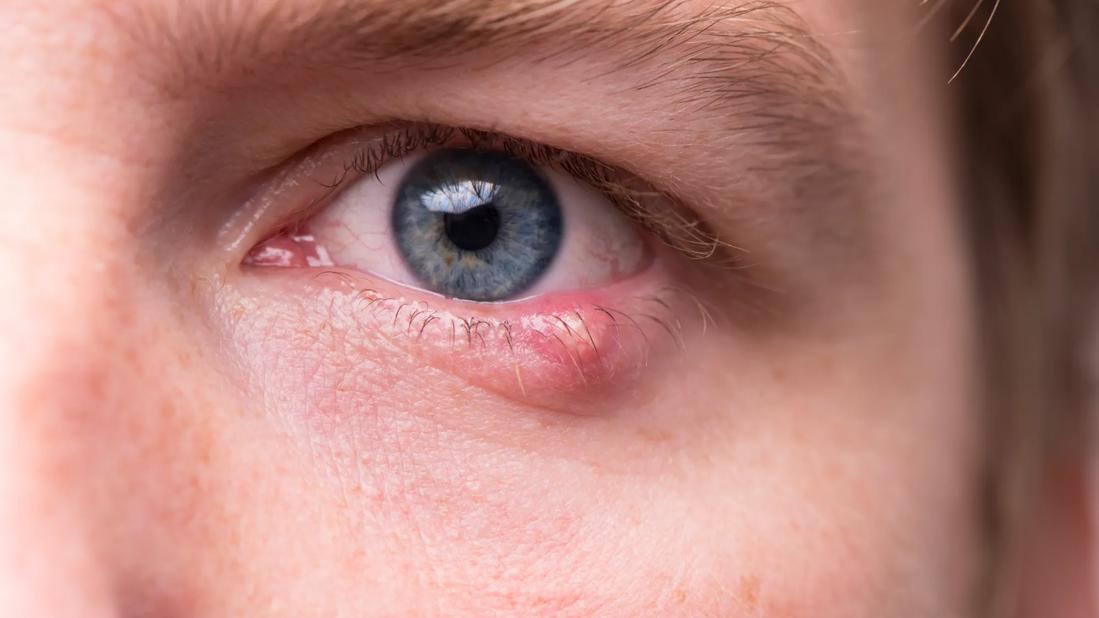
A stye has incredible timing. It never shows up when you are planning to stay home, wear sunglasses, and avoid society like a dramatic movie character. No, it appears right before school photos, a work presentation, a date, a family event, or the one morning you were finally going to look “well-rested.” So naturally, the first question is: how to get rid of a stye overnight?
Here is the honest answer: you usually cannot make a stye disappear completely overnight. A stye is a small infection or inflamed bump on the eyelid, often near the eyelashes, and it normally needs several days to calm down. However, you can often reduce swelling, ease pain, support natural drainage, and stop making it worse by using the right home care. Think of it less like deleting a file and more like politely convincing your eyelid to stop throwing a tiny tantrum.
This guide explains what a stye is, what helps, what does not, when to call a doctor, and what you can realistically do tonight if your eyelid has decided to audition for the role of “angry little balloon.”
What Is a Stye?
A stye, also called a hordeolum, is a tender bump that forms on or inside the eyelid. It often looks like a small pimple near the lash line. It may be red, swollen, sore, watery, itchy, or sensitive when you blink. Some styes form on the outside edge of the eyelid, while others develop deeper inside the lid.
Most styes happen when bacteria, oil, dead skin cells, or debris clog an eyelash follicle or eyelid oil gland. Once that gland gets blocked, inflammation builds up. The result is the kind of eyelid bump that makes you suddenly aware of every blink you have ever taken for granted.
Common Stye Symptoms
A stye may cause a painful bump on the eyelid, swelling, tenderness, tearing, crusting around the lashes, light sensitivity, or the feeling that something is in your eye. Some people notice a small yellowish spot as the stye comes closer to draining naturally. That does not mean you should pop it. Your eyelid is not a bubble wrap project.
Can You Get Rid of a Stye Overnight?
In most cases, no. You can often make a stye feel better overnight, but full healing usually takes longer. Many mild styes improve within a few days and clear within about a week with proper care. Some take longer, especially if the gland remains blocked or if the bump becomes a chalazion, which is usually less painful but can linger.
The best overnight goal is not “erase the stye by sunrise.” The better goal is: reduce discomfort, bring down puffiness, keep the area clean, avoid spreading irritation, and encourage the stye to drain on its own. That is the fastest safe route.
How To Get Rid of a Stye Fast: The Safe Overnight Routine
If you are trying to calm a stye before tomorrow morning, follow this simple routine. It is not glamorous, but neither is an angry eyelid. The good news is that these steps are easy, inexpensive, and do not require turning your bathroom into a medical drama set.
1. Use a Warm Compress
A warm compress is the number-one home remedy for a stye. Warmth helps soften hardened oil, improve circulation, reduce discomfort, and encourage the clogged gland to open and drain naturally.
Wash your hands first. Soak a clean washcloth in warm water, wring it out, and place it gently over the closed eyelid for 10 to 15 minutes. The cloth should feel comfortably warm, not hot. If it cools down, rewarm it. Repeat this three to four times a day, including once before bed.
Do not press hard. Do not scrub. Do not try to “force” drainage. Your job is to apply warmth, not negotiate with your eyelid using pressure tactics.
2. Clean the Eyelid Gently
Eyelid hygiene matters. After the warm compress, gently clean the eyelid margin with a clean cotton pad, sterile lid wipe, or a mild cleanser made for eyelids. Some people use diluted baby shampoo, but commercial eyelid cleansers are often easier and less likely to irritate.
Keep your movements gentle. Clean along the lash line without rubbing the eye itself. If crust has formed, let warmth loosen it first. Scraping at crust like you are restoring old furniture is not recommended.
3. Skip Eye Makeup
Mascara, eyeliner, false lashes, and eye shadow can trap bacteria and irritate the eyelid. If you have a stye, pause eye makeup until it heals. Also, consider replacing old mascara or eyeliner if you used them while the stye was active. Makeup has many talents, but being a bacteria hotel should not be one of them.
4. Avoid Contact Lenses
If you wear contact lenses, switch to glasses until the stye is gone. Contacts can irritate the eye and may increase the chance of spreading bacteria. Clean or replace your lenses and case according to your eye care provider’s instructions before using contacts again.
5. Do Not Pop, Squeeze, or Pick the Stye
This is the rule everyone hates and everyone needs. Do not pop a stye. Squeezing can push infection deeper, spread bacteria, worsen swelling, and damage delicate eyelid tissue. A stye may drain naturally after warm compresses, and that is fine. But you should not turn it into a DIY procedure.
If it drains on its own, gently clean the area with clean water or an eyelid-safe cleanser, wash your hands, and keep using warm compresses. If pain, redness, or swelling gets worse, call a healthcare professional.
6. Use Over-the-Counter Pain Relief Carefully
If your eyelid feels sore, an over-the-counter pain reliever may help. Follow the label directions and avoid anything you have been told not to take. Pain relief does not cure the stye, but it can make the healing process feel less like your eyelid is holding a tiny grudge.
What Not To Put on a Stye
The internet is full of “overnight stye cures” that sound creative, confident, and deeply questionable. Your eye is delicate, so this is not the place to experiment with spicy foods, toothpaste, essential oils, rubbing alcohol, apple cider vinegar, lemon juice, garlic, or random ointments from the back of a drawer.
Avoid using redness-relief eye drops as a stye treatment unless a clinician recommends them. They may reduce redness temporarily, but they do not treat the blocked gland or infection. Also avoid leftover antibiotic drops. Prescription eye medicines should be used only as directed for your current condition.
Stye vs. Chalazion: Why the Difference Matters
A stye and a chalazion can look similar, but they are not exactly the same. A stye is usually painful and often linked to infection. A chalazion is usually a blocked oil gland that becomes a firm lump and may be less painful. Sometimes a stye calms down but leaves behind a chalazion-like bump.
Warm compresses can help both, but persistent bumps may need professional care. If a lump stays for weeks, keeps growing, affects your vision, or comes back often, an eye doctor can check whether it is a stye, chalazion, or something else.
When To See a Doctor for a Stye
Most styes can be managed at home, but some need medical attention. Contact a healthcare provider or eye doctor if the stye does not improve after several days of warm compresses, becomes more painful, grows larger, keeps coming back, or causes significant swelling.
Get medical help quickly if you develop vision changes, fever, swelling that spreads beyond the eyelid, trouble opening the eye, severe pain, or redness spreading around the eye. These symptoms can suggest a more serious infection or another condition that should not be handled with a washcloth and wishful thinking.
Medical Treatments for a Stubborn Stye
If home care is not enough, a clinician may prescribe antibiotic ointment or drops, especially if there are signs of bacterial infection around the eyelid. In some cases, oral antibiotics may be needed if infection spreads beyond the eyelid. For a large or persistent stye, an eye doctor may drain it safely in a medical setting.
Do not try to drain it at home. Eye doctors have sterile tools, training, and lighting that does not involve leaning into a bathroom mirror while whispering, “I probably know what I’m doing.” Spoiler: that is not a medical plan.
How To Prevent Styes From Coming Back
Once you have had a stye, you may become highly motivated to never host another one. Prevention starts with simple habits. Wash your hands before touching your face or eyes. Remove makeup before bed. Replace old eye makeup regularly. Clean contact lenses properly. Avoid sharing towels, cosmetics, or eye products.
If you have blepharitis, rosacea, dry eyes, or recurring eyelid inflammation, you may be more prone to styes. In that case, regular eyelid hygiene may help. An eye doctor can recommend a routine that fits your situation, such as lid scrubs, warm compresses, or treatment for underlying eyelid oil gland problems.
Quick Overnight Stye Care Checklist
- Wash your hands before touching the eye area.
- Apply a warm compress for 10 to 15 minutes.
- Repeat warm compresses several times a day.
- Clean the eyelid gently after compressing.
- Avoid eye makeup and contact lenses.
- Do not pop, squeeze, or pick the stye.
- Call a doctor if symptoms worsen or affect vision.
Realistic Timeline: What To Expect
After the first warm compress, your eyelid may feel less tight and irritated. After a day or two, swelling may begin to improve. The stye may come to a head and drain naturally, or it may gradually shrink. In many mild cases, the bump clears within about a week. If it does not, it is time to get professional advice.
The key is consistency. One warm compress is helpful. Several warm compresses over a few days are better. Stopping after five minutes because you got bored is understandable, but your eyelid does not care about your entertainment needs.
Experience-Based Tips for Dealing With a Stye
Anyone who has dealt with a stye knows the experience is weirdly annoying for something so small. It is not usually a major medical crisis, but it can feel huge because it is on your face, right next to the eye, in the exact location everyone seems to look when talking to you. The first practical tip is to accept that you may not look completely normal for a couple of days. That sounds obvious, but it helps. Stressing over the mirror every 12 minutes will not speed up healing.
A helpful routine is to treat warm compresses like scheduled appointments. Morning, afternoon, evening, and before bed works well for many people. Put on a podcast, listen to music, or set a timer so you do not quit after two minutes. The compress should stay warm, so keep a bowl of warm water nearby or rewet the cloth when it cools. A clean reusable eye mask designed for warm compresses can also be useful, but only if it is kept clean and heated safely.
Another real-life lesson: do not underestimate how often you touch your eyes. People rub their eyes when they are tired, thinking, reading, laughing, or pretending to understand math. With a stye, every unnecessary touch can add irritation. Try keeping tissues nearby and washing your hands more often. If you catch yourself reaching for your eye, redirect your hand like you are training a very confused puppy.
If you wear makeup, the hardest part may be leaving your eyes bare. Still, it is worth it. Makeup can delay healing, and using the same mascara afterward can bring bacteria back to the eyelid. If your mascara is old, clumpy, or has been used during the stye episode, replacing it is a smart move. Your future eyelid may thank you silently, because eyelids are not known for writing letters.
For contact lens wearers, glasses may feel like a downgrade at first, especially if your glasses are the “emergency backup pair” from three prescriptions ago. But contacts can irritate an already sensitive eye. Wearing glasses for a few days gives the eyelid a cleaner, calmer environment. Clean your lens case, follow proper disinfection steps, and do not rush back to contacts until the stye is healed.
The biggest emotional challenge is resisting the urge to squeeze. A stye can look like a pimple, but it is on delicate eyelid tissue. Popping it may feel satisfying for half a second and then become a much bigger problem. Warm compresses are slower, yes, but they are safer. If the stye drains naturally, that is different. Gently clean the eyelid and keep your hands clean.
Finally, pay attention to patterns. One random stye may just be bad luck. Recurring styes may point to eyelid hygiene issues, blepharitis, makeup habits, contact lens problems, or another underlying condition. If you keep getting them, do not just keep repeating the same emergency routine. See an eye care professional and ask about prevention. The goal is not to become a world-class stye manager. The goal is to stop needing stye management in the first place.
Conclusion
So, how do you get rid of a stye overnight? You probably cannot make it vanish completely by morning, but you can do a lot to calm it down. A warm compress, gentle eyelid cleaning, clean hands, no makeup, no contacts, and absolutely no squeezing are the safest steps. Most mild styes improve with home care, but worsening symptoms, vision changes, spreading redness, fever, severe pain, or repeated styes deserve medical attention.
A stye may be small, but it is very good at being annoying. Treat it gently, give it warmth, keep it clean, and resist the temptation to play eyelid surgeon. Your eye deserves better than a risky bathroom experiment.