Dressing like a guy is not about copying one rigid uniform, pretending personality never happened, or suddenly developing a mysterious emotional bond with gray hoodies. It is about learning the visual language of traditionally masculine style: relaxed structure, practical layers, straightforward silhouettes, grounded colors, and accessories that look useful instead of decorative for decoration’s sake.
The good news? Guy-style dressing is wonderfully buildable. You do not need a closet full of designer menswear, a dramatic makeover montage, or a friend named Chad who owns seven identical flannels. You need a few reliable pieces, some proportion tricks, the right shoes, and the confidence to make the look feel like yours.
This guide breaks down how to dress like a guy with outfit ideas, accessories, layering tips, fit advice, and real-life styling experiences. Whether you want a casual masculine look, a smart-casual outfit, a streetwear-inspired fit, or a polished “I have my life together” vibe, this article will help you create outfits that feel comfortable, intentional, and easy to wear.
What Does “Dressing Like a Guy” Actually Mean?
In fashion terms, dressing like a guy usually means leaning into masculine clothing codes. These often include boxier cuts, structured outerwear, neutral colors, durable fabrics, simple accessories, and shoes that anchor the outfit. Think straight-leg jeans, relaxed T-shirts, button-down shirts, hoodies, bomber jackets, work jackets, chinos, boots, sneakers, watches, belts, and caps.
But here is the important part: clothes do not belong to one gender. Anyone can wear menswear-inspired outfits. “Dressing like a guy” is simply a style direction, not a rulebook. The goal is not to erase who you are. The goal is to create a masculine or guy-coded look that fits your body, your comfort level, your lifestyle, and your personal taste.
Start With the Masculine Silhouette
The biggest difference between many traditionally feminine and traditionally masculine outfits is silhouette. Masculine style often uses straighter lines rather than curves. Instead of emphasizing the waist, many guy-style outfits create a cleaner line from shoulders to hips.
Choose Straight or Relaxed Fits
Straight-leg jeans, relaxed chinos, cargo pants, carpenter pants, and loose-fitting trousers are great starting points. Avoid anything that feels overly tight if your goal is a classic masculine shape. A straight or relaxed pant gives the outfit an easy, grounded feel.
For tops, try regular-fit T-shirts, oversized tees, camp-collar shirts, flannels, rugby shirts, sweatshirts, or boxy button-downs. The shoulder seam can sit at your natural shoulder or slightly dropped for a casual streetwear look. The key is not to drown yourself in fabric. Oversized should look intentional, not like you lost a fight with a laundry basket.
Balance Top and Bottom Proportions
If your top is oversized, pair it with straight-leg pants rather than extremely baggy bottoms, unless you want a full streetwear silhouette. If your pants are wider, keep the top neat or slightly cropped at the hip. Masculine dressing works best when the outfit looks relaxed but controlled.
Build a Guy-Style Wardrobe With Core Basics
You do not need many clothes to create multiple masculine outfits. A strong wardrobe starts with basics that mix well together. These are the pieces that quietly do the hard work while trendier items get all the attention and probably demand iced coffee.
Essential Tops
Start with plain crewneck T-shirts in white, black, gray, navy, and olive. Crewnecks usually read more traditionally masculine than deep V-necks or delicate necklines. Add a few heavyweight tees for structure, one or two Oxford button-down shirts, a flannel shirt, a denim shirt, and a simple polo.
For cooler weather, include crewneck sweatshirts, hoodies, quarter-zips, chunky sweaters, and cardigans with a relaxed shape. A hoodie under a jacket is one of the easiest guy-style formulas because it looks casual, comfortable, and put together without trying too hard.
Essential Bottoms
Dark straight-leg jeans are a must. Light-wash denim is great for casual outfits, while black jeans create a sharper, slightly edgier look. Chinos in khaki, navy, olive, or charcoal can handle casual days, school, work, dinner, and “I was not sure how fancy this place would be” situations.
Cargo pants and carpenter pants bring a rugged, practical feel. Tailored trousers can create a polished masculine outfit when paired with a tee, loafers, and a jacket. Shorts should usually hit around the knee or slightly above it for a classic casual guy look.
Essential Outerwear
Outerwear can transform the entire outfit. A denim jacket says casual and timeless. A bomber jacket adds sporty confidence. A chore coat feels practical and stylish. A field jacket creates a rugged everyday look. A blazer instantly makes jeans and a T-shirt look intentional. A leather jacket adds attitude, even if your most rebellious act is ignoring laundry day.
Outfit Ideas for Dressing Like a Guy
The easiest way to learn masculine dressing is through outfit formulas. Once you understand the formula, you can swap colors, fabrics, and accessories without rebuilding the whole look from scratch.
1. The Classic Casual Guy Outfit
Try a white crewneck T-shirt, straight-leg blue jeans, white sneakers, and a denim jacket. Add a simple watch or baseball cap. This outfit is clean, comfortable, and almost impossible to mess up. It works for errands, coffee, casual hangouts, and days when your brain refuses to style anything complicated.
2. The Hoodie and Jacket Combo
Wear a gray hoodie under a black bomber jacket with dark jeans and sneakers. This combination is a staple because it layers well and gives the outfit depth. The hoodie keeps things casual, while the jacket adds structure. Stick with neutral colors for a more grown-up look.
3. The Smart-Casual Masculine Look
Pair a navy Oxford shirt with khaki chinos, brown loafers, and a leather belt. Roll the sleeves slightly for a relaxed finish. This outfit is perfect for casual offices, dinners, family events, or any place where sweatpants would technically be comfortable but socially questionable.
4. The Streetwear-Inspired Fit
Go for an oversized graphic tee, relaxed cargo pants, chunky sneakers, and a crossbody bag. Add a beanie or cap if it suits your style. Streetwear often plays with volume, so keep the outfit balanced by choosing one or two oversized pieces rather than making every item huge.
5. The Rugged Workwear Outfit
Try a flannel shirt over a plain tee, carpenter pants, and lace-up boots. Add a chore coat when it is cool outside. Workwear-inspired outfits are practical, masculine, and easy to personalize. Earth tones such as brown, olive, tan, denim blue, and charcoal work especially well.
6. The Minimalist Monochrome Outfit
Wear a black tee, black straight-leg jeans, black boots, and a charcoal overshirt. Monochrome outfits look sleek because they reduce visual noise. The secret is texture: cotton, denim, leather, wool, or canvas can keep the look from feeling flat.
7. The Polished Blazer Outfit
Layer an unstructured blazer over a plain T-shirt with dark jeans or tailored trousers. Finish with loafers, clean sneakers, or Chelsea boots. This outfit says, “Yes, I know how to dress,” without saying, “I brought a briefcase to brunch.”
How to Use Accessories in a Masculine Outfit
Accessories in guy-style dressing usually work best when they feel useful, minimal, or slightly rugged. The idea is not to pile on everything you own. Accessories should finish the look, not hold a group meeting on your body.
Watches
A watch is one of the easiest masculine accessories to add. Choose a simple leather strap for smart-casual outfits, a metal bracelet watch for a polished look, or a sport watch for casual and athletic outfits. Keep the size comfortable for your wrist. A watch should look intentional, not like a wall clock escaped.
Belts
A leather belt can make an outfit feel complete. Match brown belts with brown shoes and black belts with black shoes when dressing up. For casual outfits, canvas belts, webbing belts, or simple leather belts work well.
Hats
Baseball caps are classic and easy. Beanies are great for colder weather or streetwear looks. A simple cap with minimal branding usually works with more outfits than one covered in giant logos. Unless you are being paid by the logo, let the outfit breathe.
Bags
Backpacks, messenger bags, crossbody bags, and canvas totes can all work in masculine outfits. Choose simple shapes and sturdy materials. Leather, canvas, nylon, and heavy cotton are reliable options.
Jewelry
Minimal jewelry works well: a chain necklace, signet ring, simple bracelet, or small hoop earring. Silver, stainless steel, black, and leather accessories often fit masculine outfits easily. The best approach is to add one or two pieces and stop before your wrists sound like a drawer of utensils.
Footwear: The Foundation of the Look
Shoes can make or break a guy-style outfit. Clean sneakers make casual outfits feel fresh. Boots add weight and confidence. Loafers make simple outfits look more intentional. Dress shoes are best for formal or business settings.
Best Shoes for a Masculine Wardrobe
Start with white sneakers, black sneakers, casual boots, loafers, and one pair of dress shoes if you attend formal events. For streetwear, chunky sneakers or skate shoes work well. For rugged looks, try work boots or moc-toe boots. For smart-casual outfits, loafers, desert boots, or Chelsea boots are excellent choices.
Color Palettes That Feel Masculine
Masculine style often leans on neutral and earthy colors. Black, white, gray, navy, olive, tan, brown, cream, denim blue, and charcoal are easy to combine. These colors create outfits that feel grounded and versatile.
That does not mean you must avoid color. Burgundy, forest green, rust, cobalt blue, and mustard can look great when used as accents. Try adding color through a flannel, cap, socks, sneakers, or overshirt.
Fit Tips for Different Comfort Goals
If you want a more masculine shape, choose tops that skim rather than cling. Structured fabrics like heavyweight cotton, denim, twill, canvas, and wool blends can create straighter lines. Layering also helps: an open overshirt, jacket, or hoodie can reduce emphasis on the torso and create a boxier outline.
If you wear chest compression garments, prioritize safety and comfort. Choose properly designed garments, follow sizing instructions, avoid sleeping or exercising in compression pieces, and stop if you feel pain. Fashion should help you feel more like yourself, not turn breathing into a side quest.
Grooming and Hair Styling
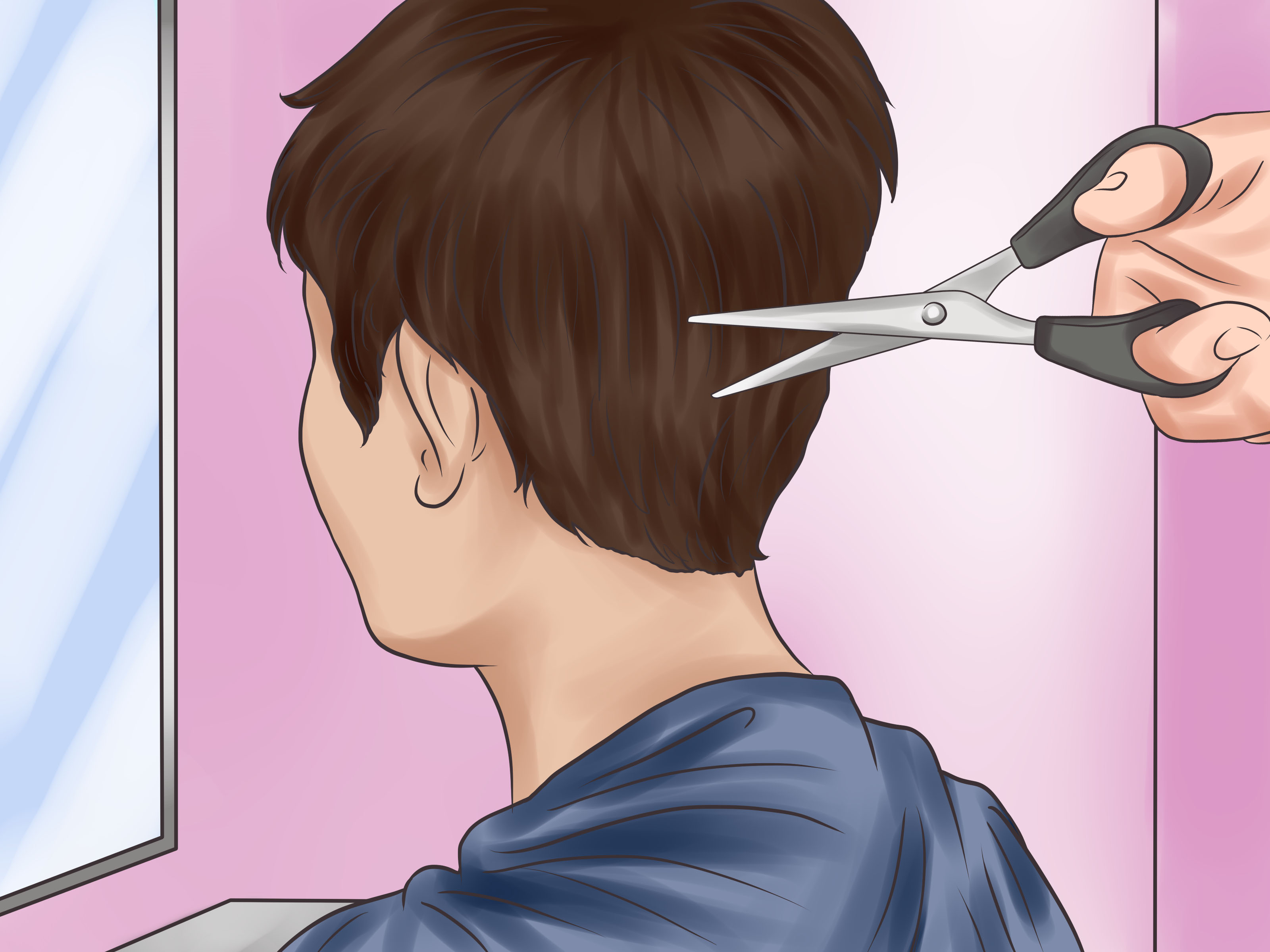
Clothing is only one part of the overall look. Hair, grooming, and posture also influence how masculine an outfit reads. Short haircuts, textured crops, fades, side parts, messy waves, or slicked-back styles can all pair well with guy-style outfits. If you prefer long hair, try low buns, caps, beanies, or a center part with relaxed layers.
Grooming does not need to be complicated. Clean nails, fresh breath, neat hair, and clothes that are not wrinkled into origami can do more than an expensive outfit. If you use fragrance, go light. The goal is “nice scent,” not “elevator hostage situation.”
Common Mistakes to Avoid
Wearing Clothes That Are Too Big Everywhere
Oversized clothing can look cool, but too much volume can look accidental. Balance matters. If your shirt is big, keep your pants controlled. If your pants are wide, make sure the top has shape.
Ignoring Shoes
A strong outfit can fall apart with worn-out or mismatched shoes. Keep sneakers reasonably clean, choose boots that match the vibe, and avoid overly formal shoes with very casual outfits unless you are intentionally mixing styles.
Overdoing Accessories
Masculine accessories usually work best in small doses. A watch, belt, cap, and simple necklace can be plenty. You want the outfit to say “effortless,” not “gift shop after a power outage.”
Copying Without Adjusting
Inspiration is helpful, but exact copying can feel awkward. Use outfit photos as a starting point, then adjust fit, color, and accessories to your body and daily life.
Seasonal Outfit Ideas
Spring
Try a lightweight overshirt, white tee, straight jeans, and sneakers. Add a cap for a casual finish. A denim jacket over chinos also works well when the weather cannot decide whether it is spring or emotional warfare.
Summer
Choose breathable fabrics such as cotton, linen, and lightweight twill. A camp-collar shirt with chino shorts and canvas sneakers makes a relaxed warm-weather outfit. A plain tee with loose linen pants and sandals can also feel masculine, easy, and stylish.
Fall
Fall is peak guy-style season. Flannels, chore coats, hoodies, boots, denim, corduroy, and wool layers all come out to play. Try a flannel over a tee with dark jeans and boots, or a crewneck sweater with chinos and loafers.
Winter
Layer a thermal shirt, hoodie, wool coat, straight jeans, and boots. Add a beanie and scarf in neutral colors. A pea coat or overcoat can make even a basic outfit feel sharp.
of Real-Life Experience: What Actually Works When Dressing Like a Guy
The biggest lesson from experimenting with masculine style is that the outfit usually works better when it starts with comfort, not costume. The first time many people try to dress like a guy, they go straight for oversized everything: huge hoodie, huge pants, huge jacket, huge shoes. It feels safe because it hides shape, but it can also feel like wearing a fabric tent with Wi-Fi. A better approach is to choose one relaxed piece and build around it. For example, a boxy tee with straight-leg jeans looks casual and masculine without swallowing the body.
Another useful experience: shoes change everything. A plain tee and jeans can look completely different depending on footwear. With white sneakers, the outfit feels clean and everyday. With boots, it feels rugged. With loafers, it becomes smart-casual. When building a guy-style wardrobe on a budget, shoes are worth prioritizing because they create the mood of the outfit fast.
Layering is also a quiet superpower. An open button-down over a tee, a hoodie under a bomber jacket, or a chore coat over a sweatshirt can make the outfit feel more masculine because layers add structure. They also make outfits more forgiving. If a shirt feels too fitted, throw on an overshirt. If a tee feels too plain, add a jacket. Layering is basically the fashion version of having a backup plan.
Color matters more than people think. Neutral outfits are easier to make masculine because they feel simple and grounded. Black jeans, gray hoodie, white tee, navy jacket, olive pants, tan boots: these pieces mix almost automatically. Once the basics feel natural, adding color becomes easier. A burgundy cap, green overshirt, or blue sneakers can add personality without changing the whole vibe.
Fit is the final boss. A masculine outfit does not need to be expensive, but it should look chosen. Pants that pool too much at the ankle can look messy. Shirts that cling in the wrong places can fight the look. Jackets with structured shoulders can help create a straighter line. Rolling sleeves, cuffing jeans, tucking a tee slightly, or swapping skinny pants for straight-leg denim can change the entire outfit.
The most surprising discovery is that confidence often arrives after the outfit, not before. You may not feel instantly cool when trying a new style. That is normal. Wear the outfit around the house. Take a mirror photo. Swap one piece. Try it again. Style is built through repetition. Eventually, the clothes stop feeling like an experiment and start feeling like your regular uniform.
Dressing like a guy is not about disappearing into someone else’s closet. It is about using masculine fashion tools to express yourself more clearly. Maybe that means a crisp Oxford shirt and loafers. Maybe it means cargos, sneakers, and a hoodie. Maybe it means a blazer over a band tee because you contain multitudes and also possibly snacks. The best outfit is the one that makes you stand a little taller and stop adjusting your sleeves every nine seconds.
Conclusion
Learning how to dress like a guy starts with understanding silhouette, structure, basics, and confidence. Straight-leg pants, crewneck tees, button-downs, hoodies, jackets, boots, sneakers, and practical accessories can help you build masculine outfits for almost any situation. Start simple, use neutral colors, pay attention to fit, and add personality through shoes, layers, and small accessories.
Most importantly, remember that masculine style is not a costume with strict rules. It is a flexible toolkit. You can dress rugged, polished, sporty, minimalist, streetwear-inspired, or somewhere in between. The best guy-style outfit is not the one that looks copied from a catalog. It is the one that feels natural when you walk out the door.