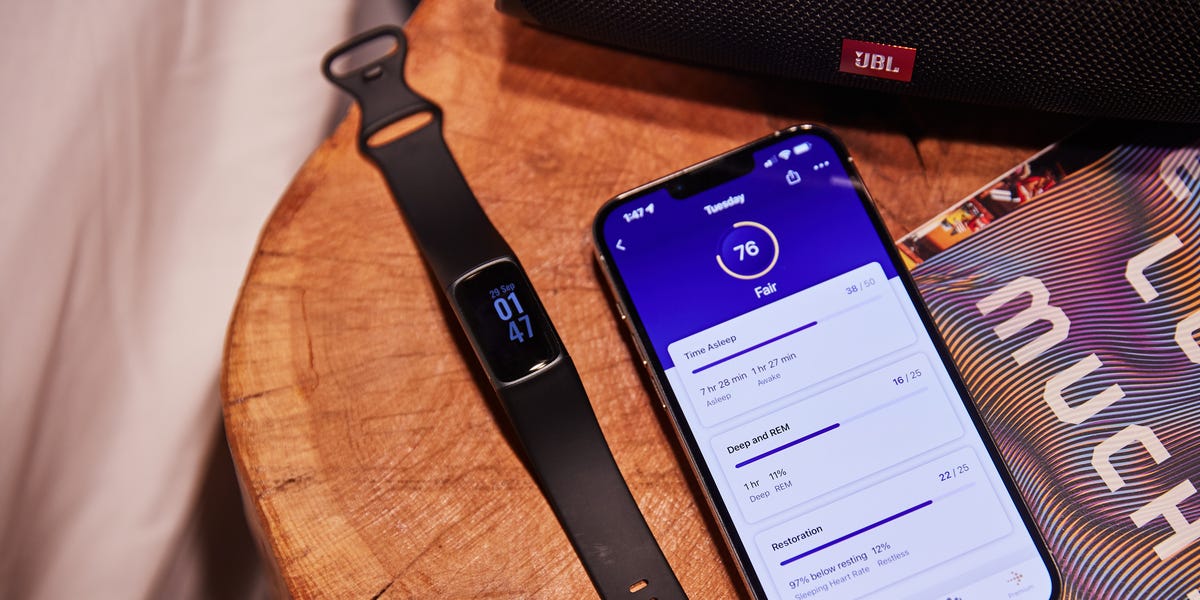
In 2022, sleep trackers promised to explain everything that happened after your head hit the pillow: how long you slept, how often you woke up, whether you reached deep sleep, and possibly why you felt like a confused raccoon the next morning.
The best sleep trackers of 2022 ranged from tiny smart rings and fitness bands to under-mattress sensors and radar-equipped bedside displays. Some focused on recovery and athletic performance, while others simply tried to answer a very practical question: “Did I actually sleep, or did I spend seven hours thinking about an email?”
This guide reviews the standout devices available during 2022. Because this is a historical product roundup, some models may have since been replaced, updated, repriced, or discontinued. The comparisons below reflect their features, strengths, and drawbacks within the 2022 market.
Best Sleep Trackers 2022: Quick Comparison
| Sleep Tracker | Best For | Type | Main Strength | Main Drawback |
|---|---|---|---|---|
| Oura Ring Generation 3 | Best overall | Smart ring | Detailed sleep and recovery insights | Ongoing membership fee |
| WHOOP 4.0 | Athletes | Screenless wristband | Connects sleep with training recovery | Membership-based pricing |
| Fitbit Charge 5 | Best value | Fitness band | Accessible app and useful sleep score | Some insights require Premium |
| Apple Watch Series 8 | iPhone users | Smartwatch | Sleep stages added through watchOS 9 | Frequent charging |
| Withings Sleep | Wearable-free tracking | Under-mattress mat | Automatic, low-maintenance operation | Tracks only one side of the bed |
| Google Nest Hub, 2nd Gen | Contactless tracking | Bedside display | No device worn on the body | Fewer physiological measurements |
| Garmin Venu 2 | Runners and multisport users | GPS smartwatch | Combines sleep, exercise, and Body Battery | Sleep is not its only priority |
| Muse S, Gen 2 | Relaxation and meditation | EEG headband | Guided audio and brain-sensing technology | Expensive and less convenient |
| SleepScore Max | Dedicated bedside monitoring | Contactless sensor | Action-oriented sleep coaching | Limited use outside the bedroom |
How We Chose the Best Sleep Trackers of 2022
A tracker does not become useful merely because it produces a graph with attractive purple bars. The strongest devices provide information that is understandable, reasonably consistent, and connected to actions a person can take.
Comfort and convenience
A sleep wearable must be comfortable enough to survive eight hours of tossing, turning, blanket stealing, and negotiating with an overly confident pillow. Rings tend to feel less intrusive than watches, while under-mattress and bedside devices eliminate overnight wear entirely.
Measurements and insights
Most consumer devices estimate total sleep, time awake, sleep efficiency, and sleep stages. More advanced models also monitor resting heart rate, heart rate variability, respiratory rate, blood oxygen trends, skin temperature, or nighttime movement.
Battery life
Long battery life matters because a tracker sitting on its charger cannot collect sleep data. Fitness bands and smart rings generally offered several days of use in 2022, while full-featured smartwatches often required more strategic charging.
Useful coaching
The best apps translate numbers into practical suggestions. A reminder that late alcohol, inconsistent bedtimes, or strenuous evening exercise may affect recovery is more helpful than a mysterious score of 62 accompanied by no explanation.
Total ownership cost
Several leading products introduced memberships or placed advanced insights behind subscriptions. Buyers therefore had to compare the purchase price with the longer-term cost of accessing their own detailed data.
The 9 Best Sleep Trackers of 2022
1. Oura Ring Generation 3: Best Overall Sleep Tracker
The Oura Ring Generation 3 was one of the most complete sleep-focused wearables available in 2022. Its compact ring design monitored movement, resting heart rate, heart rate variability, respiratory rate, and changes in skin temperature.
Each morning, Oura organized the information into Sleep, Readiness, and Activity scores. The app was particularly good at showing trends rather than treating one restless night as a national emergency.
The ring was easier to wear in bed than a bulky smartwatch and generally lasted several nights between charges. Its largest drawback was the membership model. After an introductory period, users needed a paid plan to retain access to the most detailed analysis.
Best for: People who prioritize sleep and recovery over smartwatch notifications.
2. WHOOP 4.0: Best Sleep Tracker for Athletes
WHOOP 4.0 treated sleep as part of a larger recovery system. Instead of counting steps or displaying text messages, the screenless band concentrated on three connected ideas: Strain, Recovery, and Sleep.
The platform estimated sleep need based on recent exercise, accumulated sleep debt, and desired performance. Overnight readings included sleep duration, sleep stages, disturbances, respiratory rate, heart rate variability, and recovery-related measurements.
WHOOP was most valuable for athletes deciding whether to train hard, schedule a lighter workout, or become temporarily unavailable to anyone suggesting burpees. The downside was cost: the hardware was tied closely to an ongoing membership.
Best for: Serious exercisers who want sleep data connected to training load.
3. Fitbit Charge 5: Best Affordable All-Rounder
The Fitbit Charge 5 offered a strong balance of sleep tracking, daytime fitness features, comfort, and price. It automatically detected sleep and produced an easy-to-read Sleep Score based on factors such as duration, restoration, and sleep stages.
Its slim shape was more comfortable overnight than many larger smartwatches. The Charge 5 also included continuous heart-rate tracking, blood oxygen trend monitoring, stress-related features, built-in GPS, and an ECG application in supported regions.
Fitbit’s interface was one of its greatest advantages. Beginners could understand the results without earning an unofficial degree in biometric spreadsheets. However, some advanced trends and recommendations were reserved for Fitbit Premium.
Best for: Everyday users seeking both fitness and sleep monitoring.
4. Apple Watch Series 8: Best for iPhone Owners
Apple significantly improved its native sleep tracking in September 2022 with watchOS 9. Compatible Apple Watches could estimate time spent awake and in core, deep, and REM sleep, while the Health app displayed sleep duration alongside heart rate and respiratory rate.
The Series 8 was not a dedicated sleep tracker, but it was an attractive choice for people already using an iPhone. It combined sleep information with workouts, notifications, safety functions, heart monitoring, and a large third-party app ecosystem.
Battery life remained the practical obstacle. Users often had to charge the watch before bed or during a shower to avoid discovering that their sophisticated sleep tracker had spent the night peacefully asleep on a desk.
Best for: iPhone users who want one device for sleep, health, communication, and exercise.
5. Withings Sleep: Best Under-Mattress Tracker
Withings Sleep was designed for people who disliked wearing anything to bed. The narrow sensor slipped under the mattress around chest level and automatically tracked bedtime, wake time, interruptions, sleep cycles, heart rate, breathing patterns, and snoring.
Once installed and connected, it required little nightly effort. There was no screen to activate, button to press, or battery to recharge. The companion app also organized long-term trends and could connect sleep information with other Withings health products.
The sensor covered one person’s sleeping area, so couples generally needed separate units. Mattress thickness, bed construction, and partner movement could also affect results.
Best for: Anyone who wants automatic tracking without wearing a gadget.
6. Google Nest Hub, 2nd Gen: Best Contactless Smart Display
The second-generation Google Nest Hub used low-energy Soli radar to detect movement and breathing from a bedside table. It also used sound information to identify disturbances such as coughing or snoring, without requiring a camera or wearable.
Its greatest appeal was convenience. A user could go to bed normally while the display handled tracking in the background. Morning summaries included sleep timing, interruptions, respiratory information, and suggestions based on detected habits and room conditions.
It did not provide the same depth of heart-rate and recovery data as Oura or WHOOP. Placement also mattered: the Hub needed to sit near the bed and face the person being monitored.
Best for: Smart-home users who want basic, contactless sleep insights.
7. Garmin Venu 2: Best for Runners and Multisport Training
The Garmin Venu 2 combined GPS sports tracking with advanced sleep monitoring, a daily Sleep Score, respiration measurements, stress data, and optional overnight Pulse Ox readings.
Its Body Battery feature used activity, stress, rest, and heart-rate variability information to estimate available energy throughout the day. That made the watch useful for seeing how sleep quality might relate to workout readiness and daily fatigue.
Garmin’s platform contained plenty of data, which performance-minded users often appreciated. People wanting a simple bedtime-only product might find the interface more extensive than necessary.
Best for: Active users who want sleep data within a comprehensive training platform.
8. Muse S, Gen 2: Best for Meditation and Guided Sleep
The Muse S differed from conventional wrist trackers because it was worn as a soft headband. Its sensors included EEG electrodes for brain activity, along with movement, heart-rate, and blood oxygen-related monitoring.
Muse paired its measurements with guided meditations, soundscapes, and “digital sleeping pill” audio sessions intended to help users relax. This made it more interactive than trackers that merely presented a report the next morning.
The trade-offs were price and convenience. Proper sensor contact could require adjustment, hair sometimes interfered with the electrodes, and not everyone wanted to sleep in a headband. It made the most sense for people interested in both meditation and sleep support.
Best for: Users who want relaxation guidance alongside sleep measurements.
9. SleepScore Max: Best Dedicated Bedside Sleep Monitor
SleepScore Max used contactless bedside sensing rather than a wearable. Its technology analyzed reflected signals created by breathing and body movement, then generated a nightly score and personalized recommendations.
The system emphasized practical coaching. It could help users investigate how bedtime consistency, bedroom conditions, exercise, caffeine, or other habits corresponded with their results.
Unlike a smartwatch, it had little purpose outside the bedroom. It was therefore best suited to people who wanted a dedicated sleep device and had no interest in daytime fitness tracking.
Best for: Users who prefer focused sleep coaching over an all-purpose wearable.
How to Choose the Right Sleep Tracker
Choose a form factor you will actually use
A highly advanced tracker is useless when it spends every night in a drawer. Side sleepers and people sensitive to wrist pressure may prefer a ring, mattress sensor, or contactless device. Athletes may accept a wristband because it also gathers training data during the day.
Decide whether sleep is the main priority
Oura, WHOOP, Muse, and SleepScore placed sleep or recovery near the center of their platforms. Fitbit, Apple, and Garmin offered broader ecosystems in which sleep was one feature among many.
Check subscription requirements
A low hardware price can become less attractive when advanced reports require a monthly plan. Calculate at least one or two years of ownership before deciding which tracker represents the best value.
Look beyond the nightly score
Total sleep time, bedtime consistency, wake time, and long-term trends may be more useful than small nightly changes in estimated REM or deep sleep. A tracker should help reveal patterns, not turn bedtime into a competitive sport.
How Accurate Were Sleep Trackers in 2022?
Consumer sleep trackers were not replacements for polysomnography, the clinical sleep study that measures brain activity, eye movements, muscle activity, breathing, heart signals, and other physiological information.
Most consumer wearables inferred sleep stages from movement and optical heart-rate data. They were generally more dependable for estimating broad sleep and wake patterns than for perfectly identifying every minute of light, deep, or REM sleep.
A single unusual result should therefore be treated as an estimate. Long-term patterns are usually more informative. For example, consistently delayed bedtimes or repeated short nights may identify a meaningful habit even when the precise sleep-stage percentages are imperfect.
Sleep trackers also cannot diagnose insomnia, sleep apnea, restless legs syndrome, or another sleep disorder unless a specific function has received appropriate regulatory clearance. Persistent snoring, gasping, excessive daytime sleepiness, morning headaches, or ongoing insomnia deserves professional medical attention regardless of what an app reports.
What It Was Like to Live With a 2022 Sleep Tracker
The first few nights with a sleep tracker often felt like opening a mysterious report card. A user might wake up feeling reasonably refreshed, check the app, and discover a score that suggested the night had been organized by a committee of caffeinated squirrels.
That initial confusion was normal. Most devices needed several nights to establish baselines, and one night rarely told the whole story. The practical value appeared after repeated use, when patterns became visible. A consistently late dinner might correspond with a higher nighttime heart rate. Weekend bedtimes might shift two hours later. Alcohol could increase restlessness, while a cooler room or earlier workout might produce steadier results.
The ring experience
A smart ring was generally the easiest wearable to forget about during sleep. After the sizing period, it could become part of the nightly routine with little effort. The main interruptions were charging and situations in which swollen fingers made the fit feel tighter. Morning reports were detailed but occasionally too persuasive; a low Readiness Score could influence how energetic someone believed they felt before getting out of bed.
The wristband experience
Fitbit, WHOOP, Garmin, and Apple Watch users benefited from having daytime activity and nighttime sleep in one system. The connection between exercise and recovery could be useful, particularly after hard training. Comfort depended heavily on strap fit. Too loose, and the sensors could lose contact. Too tight, and the device became a tiny overnight wrist supervisor.
Charging habits mattered most with smartwatches. A practical routine was to charge during a shower, while reading, or before bedtime. Longer-lasting bands were easier because they reduced the risk of missing several nights of data.
The under-mattress experience
Withings Sleep offered the least demanding nightly routine. Once positioned and calibrated, it simply waited under the mattress. This was ideal for anyone who repeatedly forgot to wear or charge a tracker. The experience could be less reliable when a partner moved into the monitored area, a pet occupied the bed, or the mattress and frame did not cooperate with sensor placement.
The contactless bedside experience
Google Nest Hub and SleepScore Max made tracking feel almost invisible. There was no wearable discomfort, but bedside placement required attention. Moving the device, changing sides of the bed, or allowing objects to block its sensing area could affect results.
The Nest Hub was convenient because it also handled alarms, smart-home controls, weather, and audio. That versatility was useful, although people uncomfortable with bedroom microphones or cloud-connected devices had understandable privacy concerns. Reviewing privacy controls and data deletion settings was an essential part of setup.
The most valuable lesson
The best results came from treating the tracker as a notebook rather than a judge. Testing one change at a timesuch as moving caffeine earlier, keeping a consistent wake time, or reducing late-night screen usemade the data more meaningful. Chasing a perfect score every night usually created frustration. Looking for repeatable patterns produced practical insight.
A successful sleep tracker did not simply confirm that Tuesday was terrible. It helped explain what might have made Tuesday terrible and suggested a realistic experiment for Wednesday.
Conclusion
The Oura Ring Generation 3 was the strongest dedicated all-around sleep tracker of 2022, thanks to its comfortable design and detailed recovery insights. WHOOP 4.0 was better suited to serious athletes, while the Fitbit Charge 5 offered an approachable balance of features and value.
Apple Watch Series 8 and Garmin Venu 2 made sense for buyers wanting sleep data within a broader smartwatch or sports platform. Withings Sleep, Google Nest Hub, and SleepScore Max were compelling alternatives for anyone who refused to invite another wearable into bed.
Whichever device you choose, focus on trends and behavior rather than obsessing over isolated scores. A sleep tracker can reveal useful clues, but it cannot tuck you in, remove the neighbor’s barking dog, or stop you from watching “just one more episode” at 1:17 a.m.