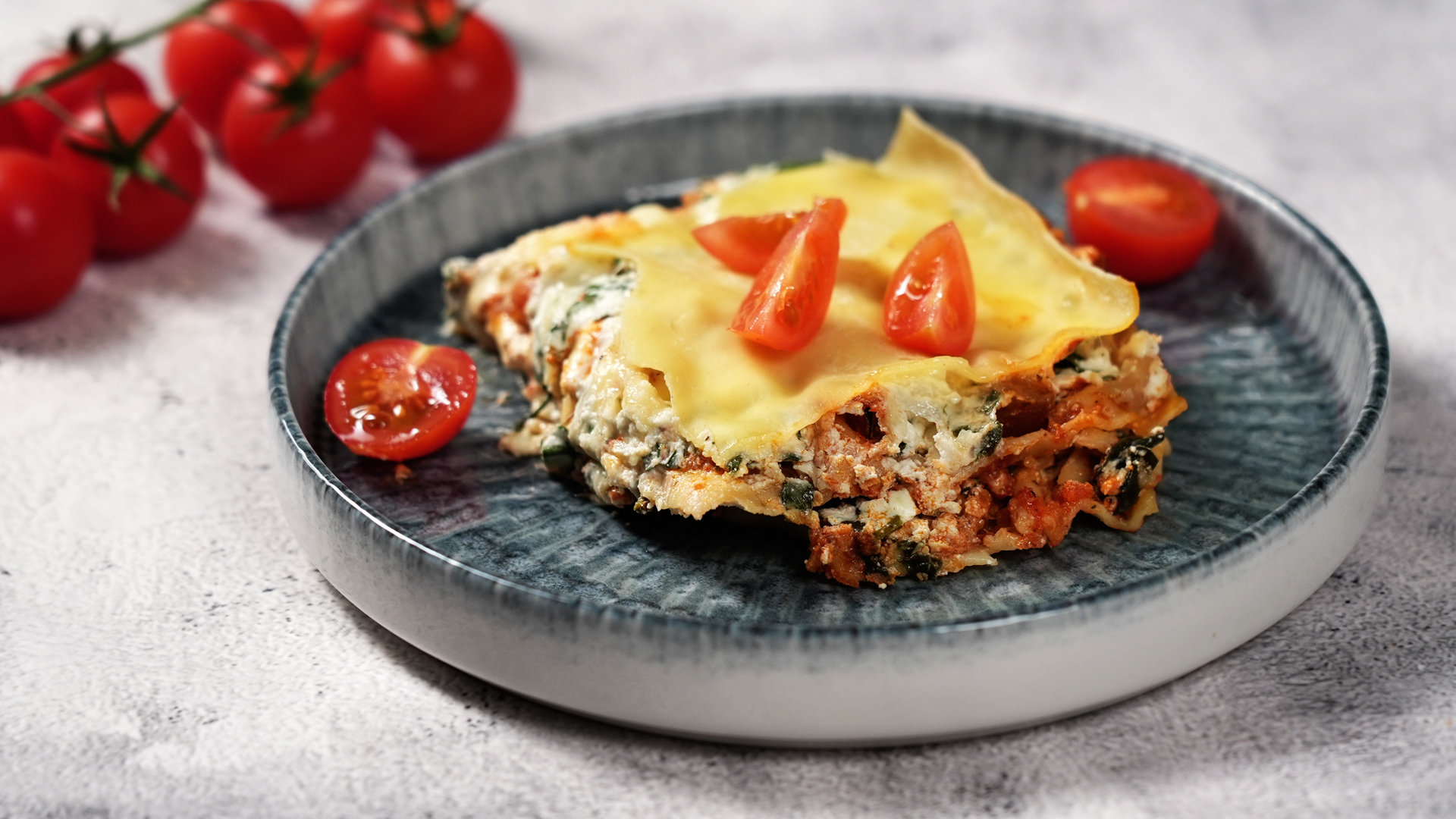
Note: This is a fun, safety-first guide based on real cooking and food-safety principles. A dishwasher may gently steam a tightly sealed food packet, but it is not a dependable replacement for baking lasagna the traditional way.
There are two kinds of people in this world: people who use a dishwasher to wash dishes, and people who look at a dishwasher and think, “What if this became an Italian restaurant?” If you clicked on this article, I’m guessing you lean toward the second group. Welcome. Please keep your oven mitts on and your expectations realistic.
The idea of dishwasher cooking has been floating around for years because it sounds equal parts genius, absurd, and like something invented during a very long Tuesday. Yes, a dishwasher creates heat, steam, and a sealed environment. Yes, people have experimented with cooking food in one. But lasagna is not a delicate fillet of fish that politely warms up in a pouch. Lasagna is a glorious stack of pasta, sauce, cheese, and often meat. It wants heat, time, bubbling edges, and a dramatic golden top. In other words, it wants the oven. Badly.
Still, if you want to explore the concept in a real-information, low-chaos way, there is a smarter path: treat the dishwasher as a steaming assist, not as the hero of the meal. That means using fully cooked ingredients, sealing everything like it’s entering witness protection, and finishing the dish properly if the center is not hot enough. So here it is: the most honest, practical, and mildly ridiculous guide to how to cook lasagna in your dishwasher in 11 steps.
Before You Start: Can You Actually Cook Lasagna in a Dishwasher?
Technically, sort of. Reliably, not really. A residential dishwasher can get hot enough to sanitize dishes, but that does not make it a true baking appliance. Lasagna normally bakes in an oven hot enough to soften noodles, heat the center thoroughly, melt the cheese evenly, and brown the top. A dishwasher, meanwhile, is basically offering warm steam, splashing water, and a personality disorder.
That means a dishwasher lasagna only has a fighting chance when the ingredients are already safe to eat before the cycle starts. Think fully cooked meat sauce, pre-cooked noodles, and cheese that only needs warming and melting. If your goal is a browned, bubbling, sliceable masterpiece, you will still want an oven finish. If your goal is a great dinner party story, congratulations, you are already halfway there.
How to Cook Lasagna in Your Dishwasher: 11 Steps
Step 1: Understand the Dishwasher’s Job Description
Before you start layering noodles like a pasta architect, be clear about what the dishwasher can and cannot do. It can provide heat and steam. It cannot reliably bake a thick casserole like an oven. It will not create a caramelized cheese top. It will not give you those glorious crispy corner edges that inspire family feuds. And it definitely should not be trusted with raw ground meat or undercooked egg-heavy fillings. The safest mindset is this: your dishwasher is a weird steamer, not a lasagna specialist.
Step 2: Choose Ingredients That Are Already Fully Cooked
This is the golden rule. Use a fully cooked meat sauce or a vegetarian sauce that has already simmered on the stove. If you want sausage, beef, mushrooms, spinach, or onions, cook them first. If your cheese mixture includes egg, remember that the final dish still needs a safely hot center, so keep portions small and easy to heat through. This is not the time for towering, deep-dish ambition. Think modest. Think strategic. Think “Italian casserole for a submarine mission.”
Step 3: Pre-Cook or Soften the Noodles
Traditional lasagna works because pasta absorbs liquid while it bakes in high oven heat. A dishwasher does not bring the same energy to the relationship. So do not expect dry noodles to magically become perfect while being misted like tropical houseplants. Boil the noodles until just tender, or at minimum soften them thoroughly in hot water if your pasta brand allows it. Drain them well so your final dish does not become lasagna soup with commitment issues.
Step 4: Make the Filling Rich, Thick, and Low-Water
One of the fastest ways to ruin any experimental lasagna is using a watery sauce. In a dishwasher environment, excess moisture can make the layers slide around and turn the finished dish soft, loose, and strangely apologetic. Simmer your sauce until it thickens. Drain wet vegetables. Use ricotta, cottage cheese, mozzarella, and Parmesan in balanced amounts so the layers hold together. Thick sauce and controlled moisture are your best friends here. Thin sauce is the friend who says, “Trust me,” right before things go badly.
Step 5: Build a Small Lasagna, Not a Lasagna Monument
Make a compact portion. A giant 9-by-13 pan is asking far too much from a dishwasher. Instead, build a small lasagna in a loaf pan, mini casserole dish, or tightly packed foil tray. Fewer layers, thinner layers, and a smaller overall volume help the center warm more evenly. Spread a little sauce on the bottom, add noodles, then filling, then cheese, then repeat. Finish with sauce and cheese on top. Keep the structure neat and tight. You are building dinner, not a leaning tower of dairy.
Step 6: Seal It Like You’re Protecting State Secrets
Waterproofing matters more here than in almost any normal recipe, because the dishwasher will enthusiastically spray everything in sight. Wrap the dish tightly in multiple layers of heavy-duty foil. Then wrap it again. If you are using a heat-safe lidded dish, cover it first and then foil-wrap the whole thing anyway. The goal is to keep wash water out and keep steam and heat in. If detergent, rinse aid, or dirty dish water gets inside, dinner is canceled and the dishwasher wins.
Step 7: Skip the Soap and Clear the Machine
Do not run a normal dirty load and tuck your lasagna in beside a crusty cereal bowl like they are roommates. Use an empty, clean dishwasher. Do not add detergent. Do not add a pod. Do not think, “Just a tiny bit probably won’t matter.” This is one of those moments when confidence should take a back seat. If you want actual edible food at the end, the machine needs to be clean and the cycle needs to run without chemical cleaners.
Step 8: Use the Hottest Cycle Available
Select the hottest wash option your dishwasher offers, ideally a sanitize or high-temperature cycle, and add heated dry if your machine includes it. This gives you the best shot at sustained heat. It still will not behave like oven baking, but it improves your odds of getting a thoroughly warmed center. Place the wrapped lasagna securely on the top rack or wherever your machine has the most stable space. Avoid crowding. This is not a carpool lane for casseroles.
Step 9: Run One Full Cycle and Then Check the Center
When the cycle ends, remove the lasagna carefully because the foil packet and trapped steam can be surprisingly hot. Open it cautiously. Then do the least glamorous but most important thing in this entire article: check the center temperature with a food thermometer. Not the edge. Not the cheesy top. The center. If the middle is not fully hot and safe, it is not done. This step separates a funny food experiment from a regrettable food experiment.
Step 10: Finish It in the Oven if Needed
Let’s be honest: this is the step where the dishwasher usually admits it needs help. If the center is not hot enough, move the lasagna to a preheated oven and bake it until the middle is fully heated, the edges bubble, and the cheese looks beautifully melted. This finish is also how you get the texture people actually want from lasagna. A short oven trip turns “appliance stunt” into “surprisingly decent dinner.” Think of it as a rescue mission, except the victim is your pasta and the hero is 375 degrees.
Step 11: Let It Rest Before Serving
Once the lasagna is properly hot, give it 10 to 15 minutes to rest before slicing. This pause helps the layers settle so you can cut squares instead of scooping what looks like a cheese avalanche. Resting also improves texture because the sauce thickens slightly and the noodles stop sliding around like they’re still in spin cycle. Sprinkle with parsley or basil if you want to pretend this whole operation was elegant from the beginning.
Why Dishwasher Lasagna Is More Novelty Than Kitchen Revolution
There is a reason classic lasagna recipes keep returning to the same themes: moderate-to-high oven heat, bubbling sauce, browned cheese, and a short rest before serving. Those details are not culinary snobbery. They are what make lasagna taste like lasagna instead of a warm pasta rumor. A dishwasher can warm sealed food, but it struggles to produce the dry heat needed for structure and browning.
That is why the best real-world advice is simple: if you want a memorable trick, try a small, sealed, fully cooked lasagna as an experiment. If you want the best possible dinner, bake it in the oven from start to finish. Your dishwasher deserves many talents, but becoming an Italian grandmother is not one of them.
Common Mistakes to Avoid
Using Raw Meat
This is the biggest mistake. A dishwasher is not a dependable way to bring raw ground meat to a safe final temperature throughout a thick casserole.
Using Dry Noodles
Without oven-style heat, dry pasta may stay tough, uneven, or gummy. Pre-cooked or thoroughly softened noodles are the better move.
Making the Lasagna Too Big
A deep, oversized pan is the enemy of even heating. Go small or go home. Preferably go home with edible dinner.
Trusting the Packet Without Checking Temperature
If you do not check the center, you are guessing. And food safety is not a field where guessing deserves applause.
of Real-World Experience With Dishwasher Lasagna
The experience of making dishwasher lasagna tends to follow a very predictable emotional arc. First comes curiosity. Then comes confidence. Then comes foil. So much foil. People are drawn to the idea because it sounds clever, rebellious, and weirdly efficient. You are already running the dishwasher, so why not also make dinner? It is the same logic that creates genius life hacks and, occasionally, very specific regrets.
In practice, most experiences with dishwasher cooking reveal the same truth: the idea is more entertaining than the result. The machine does generate heat. It can warm sealed food. It can even create that hopeful moment when you open the packet and see melted cheese and think, “Wait, did this actually work?” But lasagna is a demanding dish. It needs consistency. It needs enough heat to warm the center thoroughly. It needs enough dry heat to keep the top from feeling steamed. And it needs the kind of finish that tells your mouth, “Yes, this was worth the trouble.”
That is why the people who come away happiest are usually the ones who approached the project with realistic expectations. They treated it as a funny experiment, not as a permanent lifestyle. They used cooked sauce, softened noodles, smaller portions, and careful sealing. They checked the center. And when the lasagna needed help, they finished it in the oven without turning the moment into a personal crisis. That is the smart version of dishwasher lasagna: playful, cautious, and fully aware that the dishwasher is moonlighting outside its core competency.
Another common experience is surprise at how much texture matters. A lasagna can be hot and still not feel right. Without bubbling edges and a bit of browning on top, the whole dish can taste flatter than expected, even if the ingredients themselves are good. That is not because the recipe failed completely. It is because lasagna is one of those comfort foods where texture is half the magic. The difference between steamed and baked is not a tiny technical footnote. It is the difference between “interesting experiment” and “please give me seconds.”
Then there is the storytelling factor, which, frankly, may be the strongest reason this topic refuses to disappear. Dishwasher lasagna is funny. It is memorable. It is the kind of sentence that makes guests stop mid-sip and ask you to repeat yourself. It turns an ordinary dinner into a story with an opening hook, a middle act full of suspense, and an ending that may or may not involve broiling cheese at the last minute. Even when the lasagna is only decent, the experience itself often feels like a win because it gives people something better than a perfect casserole: a ridiculous memory.
So the real experience of dishwasher lasagna is this: you do it once because you are curious, because the internet got in your head, or because your sense of humor has excellent taste in pasta-related nonsense. You learn that sealed steam can warm food, but it cannot replace the oven’s magic. You serve the lasagna, tell the story, laugh a lot, and probably go back to baking the next one the normal way. Which, honestly, is a beautiful ending. Sometimes the best kitchen experiments are the ones that remind you why the classic method became classic in the first place.
Final Thoughts
If you came here hoping for permission to turn your dishwasher into a full-service pasta station, the answer is: not quite. If you came here for a smart, funny, reality-based guide that shows how the idea can be attempted without pretending it is the best way to make lasagna, then we are deliciously on the same page.
The bottom line is simple. You can warm a carefully sealed, fully cooked, small lasagna in a dishwasher cycle. But if you want the best flavor, the best texture, and the least chance of dinner becoming a science fair project, let the dishwasher wash and let the oven bake. That arrangement has kept peace in the kitchen for generations, and frankly, it has earned the right to continue.