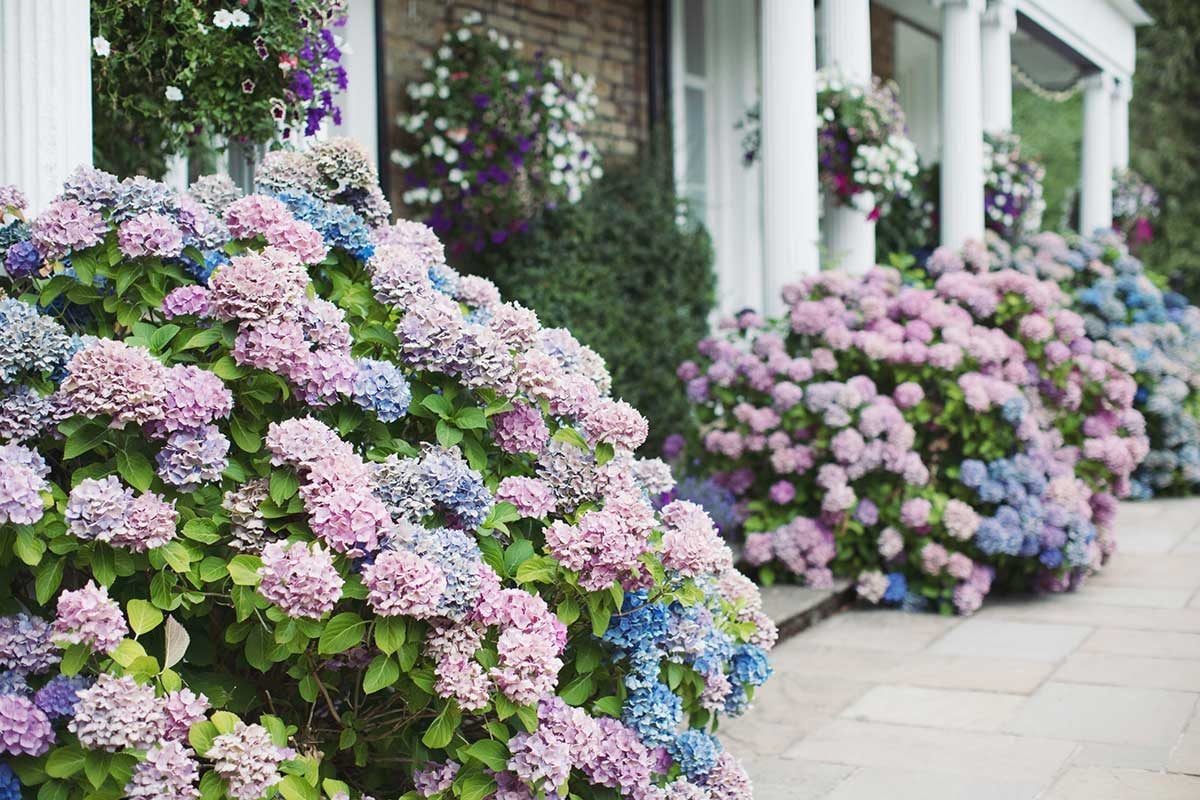
Hydrangeas are the garden’s version of a grand entrance. One week they look like a tidy green shrub minding its own business, and the next they explode into clouds of blue, pink, white, purple, or lime-green blooms as if they have been secretly rehearsing for Broadway. The good news? Learning how to care for hydrangeas is not complicated. The slightly annoying news? Hydrangeas do have opinions. They care about sunlight, soil, pruning time, moisture, and whether you know what kind of hydrangea you actually planted.
This guide breaks hydrangea care into simple, practical steps: where to plant them, how often to water, when to prune, how to encourage blooms, how to manage flower color, and what to do when leaves wilt, spot, scorch, or sulk. Whether you are growing bigleaf hydrangeas by the porch, panicle hydrangeas along a fence, smooth hydrangeas in a cottage garden, or potted hydrangeas on a patio, the secret is the same: match the care to the plant’s type and growing conditions.
Understanding Hydrangeas Before You Start
The first rule of hydrangea care is simple: know your hydrangea. Treating every hydrangea the same is like giving every houseguest black coffee and assuming they will all be grateful. Some hydrangeas bloom on old wood, meaning they form flower buds on stems grown the previous season. Others bloom on new wood, meaning they make flowers on fresh growth produced in the current season. This matters most when pruning.
Common Types of Hydrangeas
Bigleaf hydrangeas are the famous blue-or-pink bloomers often seen near foundations, patios, and shaded garden beds. They include mophead hydrangeas with round flower clusters and lacecap hydrangeas with flatter, more delicate blooms. Many bigleaf hydrangeas bloom on old wood, although some newer reblooming varieties flower on both old and new wood.
Panicle hydrangeas are tough, sun-tolerant shrubs with cone-shaped blooms that often start white or lime and age to pink, rose, or tan. They bloom on new wood, which makes pruning much less nerve-racking.
Smooth hydrangeas, including popular varieties like Annabelle-type hydrangeas, also bloom on new wood. They are loved for their big white or greenish-white flower heads and easygoing nature.
Oakleaf hydrangeas have dramatic leaves shaped somewhat like oak leaves, plus gorgeous fall color. They bloom on old wood, so pruning them at the wrong time can remove next year’s flowers faster than a rabbit finds your lettuce.
Climbing hydrangeas are woody vines that attach to walls, fences, and tree trunks. They grow slowly at first, then become impressive once established. They need patience, support, and very little fuss once they settle in.
Where to Plant Hydrangeas
Hydrangeas usually perform best in a spot with morning sun and afternoon shade. This is especially true in hot climates where intense afternoon sunlight can scorch leaves and brown blooms. Think of hydrangeas as people who enjoy brunch outdoors but do not want to sit on the patio at 3 p.m. in July wearing a wool sweater.
Bigleaf and oakleaf hydrangeas appreciate partial shade, particularly protection from harsh afternoon heat. Panicle hydrangeas can handle more sun and often bloom better with at least several hours of direct light. Smooth hydrangeas are flexible, but they still prefer soil that stays evenly moist.
Best Planting Conditions
Choose a location with rich, well-drained soil. Hydrangeas like moisture, but they do not want to sit in soggy soil. Constantly wet roots can lead to root rot, yellowing leaves, poor growth, and a plant that looks deeply offended. If your soil is heavy clay, mix in compost over a wide area rather than improving only the planting hole. Roots need room to spread, not a tiny luxury suite surrounded by compacted dirt.
Space hydrangeas according to their mature size. A small nursery plant may look adorable now, but many hydrangeas grow four to eight feet wide, depending on the variety. Crowding them invites poor air circulation, fungal leaf spots, and awkward pruning later.
How to Plant Hydrangeas Correctly
The best time to plant hydrangeas is usually spring or fall, when temperatures are mild and the plant can establish roots before extreme heat or cold. Summer planting is possible, but it demands more watering and attention. In other words, summer-planted hydrangeas are not “set it and forget it” shrubs. They are more like “set it, water it, check it, apologize to it, and water it again.”
Step-by-Step Planting Guide
Start by digging a hole about twice as wide as the root ball and roughly the same depth. Place the hydrangea so the top of the root ball sits level with the surrounding soil. Planting too deep can smother roots and create drainage problems. Backfill with native soil mixed with compost if needed, gently firm it around the roots, and water deeply.
Add two to three inches of organic mulch around the base, keeping it a few inches away from the stems. Mulch helps conserve soil moisture, regulate root temperature, and reduce weeds. Just do not pile mulch against the stems like a tiny volcano. Mulch volcanoes may sound fun, but plants disagree.
How Often to Water Hydrangeas
Hydrangeas are thirsty plants, especially when newly planted or grown in containers. Their large leaves lose moisture quickly, which is why they may wilt during hot afternoons. A wilted hydrangea does not always mean disaster; sometimes it is simply reacting to heat. If the plant perks up in the evening, it may be heat stress rather than dry soil.
As a general rule, established hydrangeas need about one inch of water per week, either from rain or irrigation. In hot, dry weather, sandy soil, or full sun, they may need more. Newly planted hydrangeas need consistent moisture while their root systems develop.
Smart Watering Tips
Water deeply at the base of the plant instead of sprinkling leaves from above. Deep watering encourages roots to grow downward, making the plant more resilient during dry spells. Morning watering is best because it gives foliage time to dry during the day and reduces the chance of fungal disease.
A soaker hose or drip irrigation system is ideal. If you water by hand, aim for the soil, not the flowers. Wet blooms can brown faster, and wet leaves in humid weather are practically an invitation for leaf spot fungi to pull up a chair.
Soil and Fertilizer for Healthy Hydrangeas
Hydrangeas grow best in fertile, well-drained soil with plenty of organic matter. Compost is your friend. It improves soil structure, helps retain moisture, and supports healthy root growth without turning your garden into a chemistry experiment.
Fertilizer can help, but too much can cause leafy growth at the expense of flowers. Excess nitrogen is a common reason hydrangeas look lush but refuse to bloom. They become all foliage, no performance, like a singer who only warms up and never steps on stage.
When to Fertilize Hydrangeas
Most hydrangeas benefit from a balanced slow-release fertilizer in spring as new growth begins. Some gardeners also apply a light feeding in early summer, especially for repeat-blooming varieties or container plants. Avoid fertilizing late in the season because it may encourage tender new growth that can be damaged by cold weather.
Before adding amendments, consider a soil test. A soil test tells you the pH and nutrient levels, helping you avoid unnecessary fertilizer. Guessing is fine for birthday presents. It is less fine for soil chemistry.
How to Change Hydrangea Flower Color
One of the most fascinating things about hydrangeas is that some varieties can change flower color based on soil conditions. This mainly applies to bigleaf and mountain hydrangeas. White hydrangeas generally stay white, no matter how much you beg, bribe, or sprinkle mysterious powders around them.
Blue flowers usually develop in acidic soil where aluminum is available to the plant. Pink flowers appear in more alkaline soil where aluminum is less available. Purple blooms often happen when conditions fall somewhere in the middle.
Blue, Pink, and Purple Blooms
To encourage blue hydrangeas, the soil must be acidic, often around a pH below 6.0, with available aluminum. Gardeners may use soil acidifiers or aluminum sulfate on established plants, following product instructions carefully. To encourage pink hydrangeas, garden lime can be used to raise soil pH gradually.
Color changes take time. Do not expect a shrub to switch from pink to blue overnight like a mood ring at a middle school dance. It may take months or even a full growing season. Always test the soil first and adjust slowly to avoid stressing the plant.
How and When to Prune Hydrangeas
Pruning is where many hydrangea owners panic, and honestly, hydrangeas have earned that reputation. Cut the wrong type at the wrong time and you may remove the flower buds. The plant will survive, but your summer bloom show may be canceled.
Hydrangeas That Bloom on Old Wood
Bigleaf, oakleaf, mountain, and climbing hydrangeas often bloom on old wood. Prune these right after flowering, usually in summer. Remove dead, weak, damaged, or crossing stems. If you need to shape the plant, do it soon after blooms fade so the shrub has time to form next year’s buds.
Avoid hard pruning old-wood hydrangeas in fall, winter, or early spring unless you are removing dead stems. Those bare-looking sticks may be carrying flower buds. They may not look impressive, but they are doing secret garden work.
Hydrangeas That Bloom on New Wood
Panicle and smooth hydrangeas bloom on new wood. Prune them in late winter or early spring before new growth begins. You can remove dead wood, shorten stems, and shape the plant. Some gardeners cut smooth hydrangeas close to the ground once established, while others leave more stem structure for stronger support.
For panicle hydrangeas, avoid removing too much at once. Pruning can encourage larger blooms, but very heavy pruning may create stems that are too weak to hold giant flower heads. Nobody wants a hydrangea that faints dramatically every time it rains.
Deadheading Hydrangeas
Deadheading means removing faded flowers. It is optional, but it can make the shrub look tidier and may encourage reblooming varieties to produce more flowers. To deadhead, snip the spent bloom just above a healthy pair of leaves or buds.
Late in the season, many gardeners leave dried blooms on the plant for winter interest. The papery flower heads look beautiful with frost or snow, and on some old-wood varieties, leaving them in place may provide a bit of protection for developing buds below.
Common Hydrangea Problems and Fixes
Even well-cared-for hydrangeas occasionally complain. The trick is to read the symptoms correctly rather than immediately blaming yourself, the weather, or your neighbor’s suspiciously perfect roses.
Wilting Leaves
Wilting may mean the plant needs water, but it can also happen during hot afternoons even when soil is moist. Check the soil before watering. If the top few inches are dry, water deeply. If the soil is wet and the plant is wilting, the issue may be heat stress, poor drainage, or root trouble.
Brown Blooms
Hydrangea flowers may brown early because of too much sun, drought stress, inconsistent watering, or natural aging. Bigleaf hydrangeas are especially prone to browning in strong afternoon sun. Provide afternoon shade, mulch the soil, and water consistently at the base.
Yellow Leaves
Yellow leaves can signal overwatering, poor drainage, nutrient issues, or normal seasonal aging. If lower leaves yellow and drop late in the season, that may be natural. If the whole plant looks pale and tired, check drainage and consider a soil test.
Leaf Spots and Powdery Mildew
Leaf spot diseases often appear during wet, humid weather. Powdery mildew may show up as white or grayish growth on leaves, especially where air circulation is poor. Reduce risk by spacing plants properly, watering at the base, removing heavily infected leaves, and cleaning up fallen foliage. Avoid crowding hydrangeas against walls or other shrubs where humid air gets trapped.
No Blooms
If your hydrangea is not blooming, the most common reasons are improper pruning, winter bud damage, too much shade, too much nitrogen fertilizer, or the plant being too young. For old-wood bloomers, late freezes can kill flower buds even when the plant itself survives. For new-wood bloomers, lack of sun or excessive fertilizer may be the culprit.
Winter Care for Hydrangeas
Winter care depends on your climate and hydrangea type. Panicle and smooth hydrangeas are generally more forgiving because they bloom on new wood. Bigleaf and oakleaf hydrangeas may need more protection because their flower buds must survive winter.
Before the ground freezes, water deeply if autumn has been dry. Apply mulch around the root zone after the soil cools. In colder areas, gardeners may protect old-wood hydrangeas with burlap, leaves, or temporary wind barriers. The goal is to reduce drying winds and sudden temperature swings that damage dormant buds.
How to Care for Potted Hydrangeas
Potted hydrangeas are beautiful on patios, balconies, and entryways, but they dry out faster than plants in the ground. Choose a large container with drainage holes. Use high-quality potting mix, not heavy garden soil, and water whenever the top inch of mix feels dry.
Container hydrangeas may need daily watering during hot weather. They also benefit from light, regular feeding during the growing season because nutrients wash out of pots more quickly. In cold climates, move containers to a sheltered spot for winter or insulate the pot to protect roots from freezing.
Seasonal Hydrangea Care Calendar
Spring
Remove winter-damaged stems, refresh mulch, apply fertilizer if needed, and watch for new growth. Prune new-wood bloomers before active growth begins. Do not rush to cut old-wood hydrangeas until you can tell what is truly dead.
Summer
Water consistently, deadhead if desired, monitor for pests and fungal issues, and enjoy the blooms. Prune old-wood hydrangeas soon after flowering if shaping is needed.
Fall
Stop fertilizing, keep watering during dry spells, and allow plants to slow down naturally. Leave late-season blooms for winter interest if you like the look.
Winter
Protect vulnerable varieties in cold regions, especially bigleaf hydrangeas. Avoid unnecessary pruning. Let the plant rest while you browse seed catalogs and make unrealistic plans for spring, as tradition requires.
Real-Life Experience: What Caring for Hydrangeas Teaches You
Hydrangeas are excellent teachers because they give feedback quickly. Plant one in blazing afternoon sun, and by mid-July it will look like it just received bad news. Put one in deep shade, and it may grow leaves enthusiastically while producing only a few shy blooms. Forget to water a newly planted hydrangea during a dry spell, and it will droop with theatrical commitment. The plant is not being dramatic for no reason; it is showing you what it needs.
One of the most useful experiences gardeners have with hydrangeas is learning the difference between temporary heat wilt and true drought stress. On a very hot day, a hydrangea may wilt even if the soil is moist. Beginners often rush out with the hose and soak the plant again, which can lead to overwatering. A better habit is to check the soil first. If the soil feels cool and damp a few inches down, wait until evening. Many hydrangeas perk up once the sun drops. If the soil is dry, water slowly and deeply. This small observation saves both the plant and the gardener from panic-watering, which is a real condition even if no doctor has named it yet.
Another common lesson is pruning humility. Many gardeners have accidentally removed flower buds from bigleaf hydrangeas by pruning in late fall or early spring. The shrub grows back with healthy leaves, but the blooms are missing. It feels personal, even though it is just plant biology. Once you understand old wood versus new wood, the confusion disappears. Bigleaf and oakleaf hydrangeas are best pruned soon after flowering. Panicle and smooth hydrangeas can be pruned in late winter or early spring. Suddenly, the plant seems less mysterious and more like a shrub with a calendar.
Hydrangeas also teach patience with soil color changes. A gardener may add soil acidifier hoping for blue flowers and then stare at the plant every morning like it owes them money. But changing bloom color is gradual. Soil pH shifts slowly, aluminum availability matters, and not every hydrangea responds the same way. White hydrangeas usually stay white. Some varieties lean naturally pink or blue. The best approach is to test the soil, amend carefully, and give the plant a full season to respond.
In containers, hydrangeas teach consistency. A potted hydrangea by the front door can look stunning, but it depends entirely on you for water. During hot weather, the potting mix may dry faster than expected. A large container, mulch on top of the soil, and morning watering can make the difference between a polished entryway and a sad botanical apology.
The most satisfying part of hydrangea care is seeing the plant settle in over time. The first year may be modest because the shrub is building roots. The second year often brings stronger stems and better blooms. By the third year, a well-placed hydrangea can become the anchor of a garden bed. It fills space, softens hard edges, attracts compliments, and makes even a simple yard look intentional. Hydrangeas reward steady care more than fussy care. Give them the right light, moist but well-drained soil, sensible pruning, and a little patience, and they will do what they do best: turn ordinary garden corners into something worth stopping to admire.
Conclusion
Learning how to care for hydrangeas comes down to a few essential habits: choose the right location, water deeply, mulch well, feed lightly, prune according to type, and protect vulnerable plants from harsh winter conditions. Hydrangeas are not difficult, but they do not appreciate guesswork. The more you understand whether your shrub blooms on old wood or new wood, how much sun it can handle, and what your soil is doing, the easier it becomes to grow big, healthy, colorful blooms year after year.
For the best results, start with observation. Notice when the plant wilts, where the sun hits in the afternoon, how quickly the soil dries, and whether blooms appear on older stems or new growth. Hydrangea care is part science, part routine, and part gentle negotiation with a leafy diva. Meet its needs, and it will repay you with flowers that make the whole garden look like it hired a stylist.
Note: This article is fully rewritten in original wording and synthesized from reputable U.S. horticultural, university extension, and gardening guidance for publication-ready use.