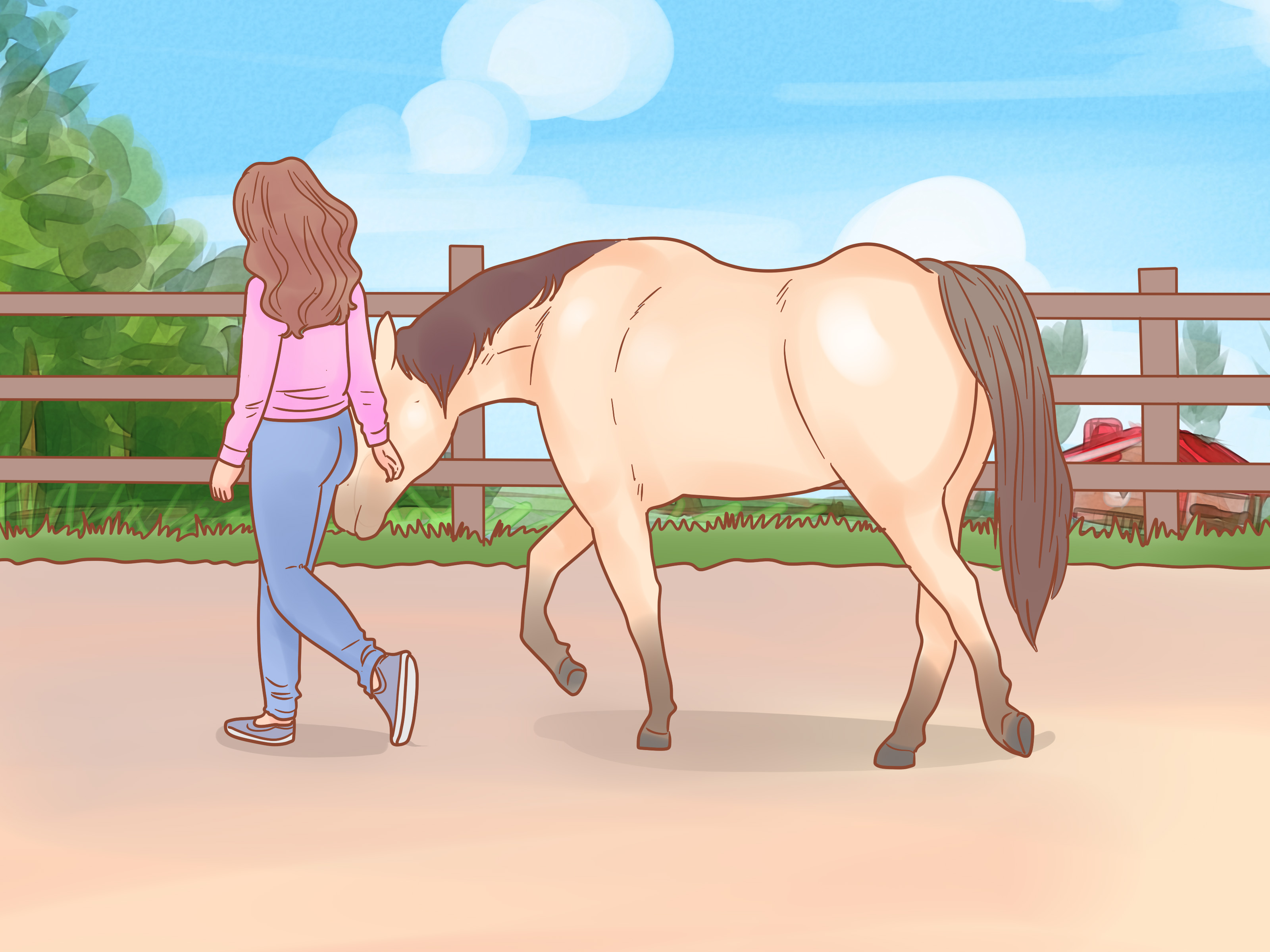
Learning how to join up with a horse sounds a little like joining a secret club where the password is “neigh” and the dress code is hay on your boots. In reality, join-up is a groundwork method designed to encourage a horse to choose connection with a handler by using body language, timing, space, and pressure-and-release cues. It is often associated with round pen training and natural horsemanship, but the best version of it is not mystical, dramatic, or loud. It is calm, observant, and fair.
At its heart, join-up is about communication. A horse is a prey animal with sharp senses, quick reflexes, and an impressive ability to notice whether you are confident, tense, distracted, or secretly wondering if your helmet makes your head look like a mushroom. Horses read human posture, energy, approach angle, eye contact, and movement. When you learn to control those things, you become clearer and safer around them.
This guide explains how to join up with a horse in a practical, welfare-minded way. You will learn what join-up means, when to use it, how to prepare, what signs to watch for, common mistakes to avoid, and how to turn a successful join-up session into better everyday groundwork.
What Does “Join-Up” Mean With a Horse?
Join-up is a groundwork exercise in which a handler asks a horse to move around a safe enclosed space, usually a round pen, then reduces pressure and invites the horse to approach, follow, or connect. The idea is that the horse learns: “When I pay attention to this person and choose calm cooperation, pressure goes away and life gets easier.”
That last sentence is important. Join-up is not about dominating a horse, chasing a horse until it gives up, or proving you are the “alpha.” Horses are not waiting for humans to perform a barnyard powerPoint presentation on leadership. They are responding to clear cues, release of pressure, body position, and emotional tone.
In a thoughtful join-up session, the handler uses movement to ask for attention, then uses softness to reward it. The horse may begin to show signs such as turning an ear toward the handler, lowering the head, making smaller circles, softening through the neck, licking and chewing, or looking inward. These signs should be read as part of the whole picture, not as a single magical checklist. Licking and chewing, for example, can happen when a horse is relaxing after stress, so it should not be treated as proof that the horse is suddenly writing you into its will.
Before You Begin: Safety Comes First
Join-up should never be attempted with a horse you cannot safely handle. If the horse is aggressive, extremely fearful, injured, exhausted, recently rescued, a young foal, a stallion, or known to kick, rear, or charge, get help from a qualified professional. Confidence is useful; overconfidence is how people end up telling dramatic stories from urgent care.
Choose the Right Area
A round pen is ideal because it removes corners where a horse can get stuck or feel trapped. The footing should be safe, dry, and not slippery. Fencing should be secure, visible, and free of sharp edges. A pen around 50 to 60 feet across is common for groundwork because it gives the horse room to move without allowing the handler to become tiny and irrelevant in the distance.
Use Simple Equipment
You do not need a tack store shopping spree. For a basic join-up session, you may use:
- A properly fitted halter and lead rope for before and after the session
- A lunge whip, training stick, or flag as an extension of your arm
- Safe boots and a helmet, especially for beginners
- Gloves if you will be leading or handling rope
The whip, stick, or flag is not for hitting. It is a visual cue that helps direct energy. Think of it as a pointer, not a punishment noodle.
Check the Horse’s Physical and Emotional State
A horse that is lame, sore, sick, hungry, overheated, or frightened is not a good candidate for join-up. Training does not fix pain. If a horse is unusually reactive, resistant, or defensive, consider whether discomfort, poor tack fit, dental problems, ulcers, hoof pain, or previous bad handling could be part of the story.
How to Join Up With a Horse Step by Step
The following method is a general framework, not a rigid script. Horses are individuals. Some will connect quickly; others need several short, quiet sessions. The goal is not speed. The goal is clarity without fear.
Step 1: Start Calm and Neutral
Bring the horse into the round pen quietly. Remove the lead rope if safe to do so, then step toward the center of the pen. Stand tall but relaxed. Breathe. Soften your shoulders. If your body says, “I just drank three coffees and saw a snake,” the horse may believe you.
Your first job is to observe. Notice the horse’s ears, eyes, breathing, tail, posture, and movement. Is the horse curious? Distracted? Tight? Pushy? Worried? A good handler reads before asking.
Step 2: Ask the Horse to Move Out
To send the horse forward, point or step toward the horse’s hindquarters, using your arm, flag, or lunge whip to create gentle driving pressure. You are asking the horse to move around the outside of the pen at a walk or trot. You are not chasing, scaring, or making the horse run laps like it forgot gym class.
Your body position matters. Standing slightly behind the horse’s shoulder tends to drive the horse forward. Moving toward the shoulder can slow or redirect. Stepping back, lowering your energy, and turning away can reduce pressure.
Step 3: Keep the Movement Rhythmic, Not Frantic
Allow the horse to travel around you. A forward walk or easy trot is usually enough. If the horse breaks into a canter, do not automatically panic, but do not encourage speed for the sake of drama. High-speed chasing can increase stress and create the opposite of trust.
Keep your cues consistent. If the horse slows without being invited, you may increase your energy slightly. If the horse is moving too fast, reduce your energy, step away from the drive line, and wait for relaxation. Timing is everything. Release pressure the instant the horse offers the response you want.
Step 4: Change Direction Thoughtfully
After a few circles, ask the horse to change direction. Step slightly ahead of the shoulder, lift your hand or flag to block forward movement, and redirect the horse the other way. As soon as the horse turns and moves off in the new direction, soften your body and allow the movement.
Direction changes help the horse tune in to your position. They also prevent the session from becoming endless jogging. A horse should not leave the session thinking, “I joined a fitness cult.”
Step 5: Watch for Signs of Attention and Softening
During the session, look for signs that the horse is mentally checking in. These may include:
- One ear turning toward you
- The inside eye looking at you
- The circle becoming smaller
- The head and neck lowering
- Slower, more rhythmic movement
- Licking and chewing after tension decreases
- A quieter tail and softer posture
Do not obsess over one signal. A horse can lick and chew while still worried. A horse can lower its head because it is tired. A horse can turn an ear toward you because you made a weird noise with your boot. Read the entire horse.
Step 6: Invite the Horse In
When the horse shows attention and softening, stop driving. Turn your shoulders slightly away from the horse, lower your eyes, relax your posture, and step back or walk a few steps away. This is the invitation. You are saying, in body language, “The door is open. You may come in.”
If the horse turns toward you, pause. Let the horse think. If it steps in, stay quiet. Do not rush forward and grab its face like you just found a celebrity at the grocery store. Allow the horse to approach.
Step 7: Reward the Try
When the horse approaches, reward with calmness. You may gently rub the withers or shoulder if the horse enjoys touch. Avoid patting loudly on the neck; many horses tolerate it, but few have filed a formal request for surprise applause.
If the horse follows you as you walk away, that is often considered the classic join-up moment. Keep walking calmly in gentle curves. Stop, turn softly, and reward. The horse should feel successful, not trapped.
Step 8: End Before the Horse Quits Mentally
A good join-up session may last only 10 to 20 minutes, sometimes less. End when the horse gives you a good effort. Put the halter and lead rope back on quietly, do a simple leading exercise, then finish. Ending well teaches the horse that cooperation brings relief, clarity, and peace.
What Join-Up Is Not
Join-up is often misunderstood, so let’s clean the mud off the boots.
It Is Not Chasing a Horse Until It Is Exhausted
If the horse is sweaty, panicked, stumbling, or desperate to escape, the session has gone wrong. The purpose is communication, not cardio punishment.
It Is Not a Shortcut Around Basic Training
Join-up does not replace leading, tying, grooming, hoof handling, trailer loading, desensitization, or manners. It can support those skills, but it is not a magical barn remote.
It Is Not Proof That a Horse “Respects” You
Respect is a human label. Horses learn through consequences, comfort, safety, repetition, and clear signals. A horse that follows you may be attentive, relaxed, or simply responding to pressure release. Build the relationship beyond one session.
Common Mistakes When Trying to Join Up With a Horse
Mistake 1: Using Too Much Pressure
The fastest way to make join-up fail is to turn up the volume too high. Loud flags, aggressive posture, constant chasing, or emotional frustration can make the horse fearful. Use the least amount of pressure needed and release immediately when the horse tries.
Mistake 2: Missing the Release
Pressure teaches only if release comes at the right time. If the horse turns an ear toward you and you keep driving hard, you may punish the very attention you wanted. Good timing says, “Yes, that.” Bad timing says, “I have no idea what I’m doing, but I brought a stick.”
Mistake 3: Staring Like a Predator
Direct eye contact, squared shoulders, and stiff movement can feel threatening to a worried horse. When inviting the horse in, soften your gaze and angle your body away.
Mistake 4: Practicing When You Are Angry
Never use join-up to “teach the horse a lesson” after a bad ride or barn argument. Horses notice emotional pressure. If you are frustrated, take a break, drink water, sweep the aisle, or go apologize to the wheelbarrow you kicked.
Mistake 5: Ignoring Individual Personality
A bold horse may need clearer boundaries. A sensitive horse may need smaller cues. A shut-down horse may not show obvious fear but may still be overwhelmed. A good handler adjusts the plan to the horse in front of them.
How to Build on Join-Up After the Session
The real value of join-up appears after the round pen. Once the horse is attentive, use that connection to improve practical groundwork.
Practice Leading With Lightness
Walk, halt, back up, and turn with soft cues. The horse should stay beside you without crowding, dragging, or lagging behind. Reward small improvements.
Teach Personal Space
A connected horse should not become a pocket-searching treat detective. Ask the horse to stand quietly, yield the shoulder, and move the hindquarters away from light pressure.
Add Desensitization Slowly
Introduce objects such as tarps, cones, poles, grooming tools, or spray bottles gradually. Let the horse investigate. Reward calm curiosity. Do not flood the horse with scary stimuli and call it bravery.
Use Positive Reinforcement When Appropriate
Pressure-and-release can be useful, but it is not the only tool in the shed. Food rewards, scratches, rest breaks, and calm praise can help many horses learn with more confidence. If using treats, teach polite treat manners first so the horse does not turn into a thousand-pound vending machine enthusiast.
When Should You Not Do Join-Up?
Skip join-up if the horse is lame, ill, overheated, heavily pregnant, very young, recently traumatized, extremely fearful, or dangerous to handle. Also skip it if the space is unsafe, the footing is poor, or you are unsure how to read the horse’s body language.
For some horses, quieter connection exercises are better than round pen work. You can build trust by hand grazing, calm grooming, leading over poles, target training, or simply spending time nearby without asking for anything. Sometimes the most powerful training tool is not movement. It is patience with good shoes.
Experience Notes: What Join-Up Feels Like in Real Barn Life
The first time many people try to join up with a horse, they expect a movie moment: dusty sunlight, dramatic music, the horse galloping beautifully, then choosing the human with the emotional intensity of a final scene in a family film. Real life is usually quieter. There may be dust, yes. There may also be one confused horse, one sweaty human, and a goat screaming from somewhere for no useful reason.
A common experience is that the handler learns more than the horse. You step into the round pen thinking the horse needs to pay attention, then realize your own signals are messy. You step toward the hip, but your shoulders block the horse. You ask for forward movement, then accidentally invite the horse in. You lower your energy too late, raise it too quickly, or forget to breathe. The horse, being honest in the way horses are, gives instant feedback. Not rude feedback. Just accurate feedback.
One practical lesson is that join-up improves when you stop trying to “make” it happen. Horses respond better when the handler becomes consistent rather than intense. A quiet step, a clear angle, a timely release, and a soft invitation often do more than dramatic arm waving. The session starts to feel less like controlling the horse and more like holding a conversation where both sides finally stop interrupting.
Another experience many handlers notice is how different horses interpret the same cue. A confident gelding may turn in quickly, ears bright, as if asking, “Great, what’s next?” A sensitive mare may need more space and a slower invitation. A previously mishandled horse may look obedient on the outside but tight through the jaw, tail, or eye. That horse may need less round pen work and more quiet trust-building. Good join-up is not a recipe copied from a video. It is a conversation adjusted in real time.
There is also a humbling moment when the horse joins, follows for three steps, then wanders off to inspect a suspicious patch of dirt. This is not failure. It is information. The horse may not fully understand, may need a clearer release, may be distracted, or may simply be a horse with a very important dirt appointment. You regroup, ask softly, reward the try, and keep the session short.
The best join-up experiences usually end with less drama, not more. The horse breathes more deeply. The handler moves more slowly. The lead rope feels lighter afterward. Grooming becomes easier. Leading becomes smoother. The horse may begin to check in more often because the human has become predictable and fair.
That is the real win. Not a viral video. Not a horse chasing you around the pen like you are carrying a bucket of grain. The real win is a horse that understands your cues, feels safe enough to think, and chooses to stay mentally present. Join-up, done well, is not about proving you can control a horse. It is about proving to the horse that you are worth listening to.
Conclusion
Learning how to join up with a horse can be a valuable way to improve timing, body awareness, and groundwork communication. The method works best when it is quiet, short, safe, and centered on the horse’s welfare. Ask clearly. Release quickly. Watch the whole horse. Stop before stress replaces learning.
Join-up is not magic, dominance, or a cure for every training problem. It is one tool among many. Used thoughtfully, it can help a horse become more attentive and willing. Used poorly, it can create fear and confusion. The difference is not the round pen. The difference is the handler.
So bring patience, humility, and a sense of humor. Horses have a way of improving all three.