Note: The title uses “PMBL” exactly as requested. In medical literature, this disease is more commonly abbreviated PMBCL, short for primary mediastinal B-cell lymphoma.
If cancer were a movie villain, PMBL would be the one that shows up in a sharp suit, plants itself in the middle of the chest, and starts acting like it owns the place. PMBL is an aggressive form of B-cell lymphoma that often appears as a bulky mass in the mediastinum, the area between the lungs. It can grow fast, press on nearby structures, and create symptoms that range from cough and chest pressure to shortness of breath and swelling in the upper body. In other words, it does not exactly believe in subtlety.
The good news is that PMBL therapy is not a single weapon. It is more like a well-trained squad. Doctors often use a combination of chemotherapy, immunotherapy, and sometimes radiation. In relapsed or refractory cases, treatment may also include checkpoint inhibitors, CAR T-cell therapy, stem cell transplant, or clinical-trial options. Each approach attacks lymphoma cells from a different angle. Some treatments damage the cancer cell’s DNA. Some block its ability to divide. Some tag it so the immune system can recognize it. And some practically hand T cells a map, a flashlight, and a battering ram.
This article breaks down how PMBL therapy kills cancer cells, why combination treatment works so well, and what patients and families should understand about the treatment journey. We will keep the science clear, the tone human, and the jargon on a short leash.
What Is PMBL, Exactly?
PMBL is a subtype of aggressive B-cell lymphoma that starts from B cells in the thymic region of the chest. It shares some features with diffuse large B-cell lymphoma and some with classical Hodgkin lymphoma, which is one reason it has fascinated researchers for years. It is biologically distinct, often affects younger adults, and tends to create a large mediastinal tumor mass rather than widespread disease at the start.
That location matters. A tumor in the mediastinum can crowd important real estate: the lungs, major blood vessels, heart, and airways. So part of PMBL treatment is not only killing cancer cells but also shrinking the mass fast enough to relieve pressure and reduce risk. Doctors therefore choose regimens that can act decisively rather than politely asking the cancer to leave.
How Standard PMBL Therapy Kills Cancer Cells
For many patients, first-line treatment is a rituximab-based chemoimmunotherapy regimen such as DA-R-EPOCH or sometimes R-CHOP, depending on the case and the treating center’s strategy. The reason these regimens work is simple in theory and complex in practice: they hit lymphoma cells through multiple kill mechanisms at once.
Chemotherapy Damages the Cancer Cell’s Survival Machinery
Chemotherapy works best on cells that grow and divide quickly. PMBL cells do plenty of that, which makes them vulnerable. Different chemotherapy drugs attack different parts of the cell cycle, and that is exactly why they are combined instead of used one at a time.
Cyclophosphamide damages DNA. Think of it as corrupting the cancer cell’s instruction manual. Once the DNA is too damaged to copy correctly, the cell cannot keep multiplying.
Doxorubicin is another major hitter. It interferes with DNA replication and creates additional stress inside the cell, making survival much harder. Cancer cells can be stubborn, but even stubborn cells struggle when their genetic blueprint is being shredded.
Etoposide helps block the enzymes cells use to manage DNA during division. When the DNA cannot unwind and repair the way it should, the cell stalls out and dies.
Vincristine disrupts microtubules, which are part of the machinery cells use to divide. No working division machinery means no successful reproduction. For a cancer cell, that is bad news in a lab coat.
Prednisone, while often introduced as “just a steroid,” is no background extra. In lymphoma treatment, it can directly trigger lymphoid cell death and reduce inflammation and tumor-related symptoms. So yes, even the steroid is in the fight, not merely standing near the fight looking supportive.
When these drugs are given together, they create a pileup of lethal stress. The lymphoma cell cannot repair its DNA, cannot divide properly, cannot maintain normal internal function, and cannot easily escape immune recognition. Combination therapy lowers the odds that a cancer cell will survive by relying on just one resistance trick.
Rituximab Tags the Lymphoma for Destruction
Rituximab is a monoclonal antibody that targets CD20, a protein found on B cells, including many malignant B cells in PMBL. Once rituximab sticks to CD20, it helps kill cancer cells in several ways.
First, it flags the lymphoma cell so the immune system can recognize it as a target. Second, it can activate immune processes that punch holes in the cell membrane or recruit immune cells to attack. Third, in some settings, it can contribute to direct cell death signals. In plain English, rituximab acts like a highly trained bloodhound with a badge: it finds the right cell, marks it, and helps bring in reinforcements.
This is why chemoimmunotherapy is more than chemotherapy with a fancy accessory. Rituximab adds precision. Chemotherapy injures the cancer broadly; rituximab helps identify the guilty party more specifically.
Why DA-R-EPOCH Can Be So Effective
DA-R-EPOCH is often discussed in PMBL because it intensifies and fine-tunes drug delivery over time. The “dose-adjusted” part means doses can be raised or lowered depending on how the patient’s blood counts respond. The goal is to hit hard enough to destroy lymphoma cells while managing toxicity as safely as possible.
This matters because PMBL can be bulky and biologically aggressive. A regimen that maintains pressure over several days may help kill more tumor cells and reduce the need for radiation in some patients. Doctors then use imaging, especially PET-CT, to determine whether any leftover mass is active lymphoma or just scar tissue. That distinction is huge because PMBL often leaves behind a residual mass even when the live cancer is gone.
How Immunotherapy Kills PMBL Cancer Cells
PMBL has a biologic personality that makes it especially interesting from an immunotherapy standpoint. Many PMBL tumors use immune-evasion tricks, which means they try to hide from or suppress T cells. Newer therapies are designed to ruin that strategy.
Checkpoint Inhibitors Take the Brakes Off T Cells
Some PMBL tumors overexpress proteins in the PD-1/PD-L1 pathway. That pathway normally helps prevent the immune system from overreacting. Cancer cells love to exploit it. When a lymphoma cell uses PD-L1 to engage PD-1 on a T cell, the T cell gets a message that basically says, “Nothing to see here, move along.” Very rude. Very effective.
Pembrolizumab is a checkpoint inhibitor that blocks this interaction. When the PD-1 brake is removed, T cells can wake up and attack lymphoma cells again. This is especially relevant in relapsed or refractory PMBL, where pembrolizumab has become an important option after prior lines of therapy.
Unlike classic chemotherapy, checkpoint inhibitors do not mainly kill the cancer by poisoning rapidly dividing cells. They work by restoring the immune system’s ability to do its job. That difference also explains why their side effects can look different. Instead of hair loss or low counts being the headline, immune-related inflammation can become the bigger story in some patients.
CAR T-Cell Therapy Reengineers the Immune System
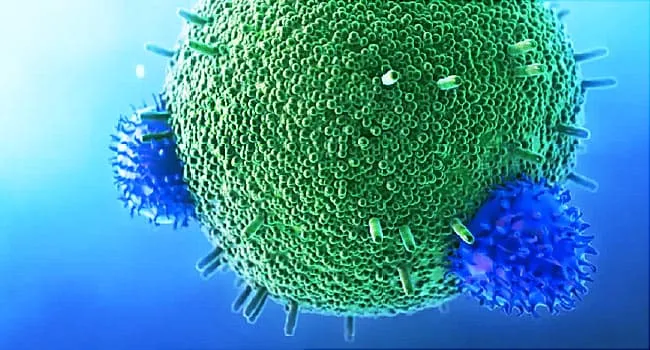
CAR T-cell therapy is one of the most dramatic examples of modern cancer treatment. Doctors collect a patient’s T cells, genetically modify them in a lab so they can recognize a target on lymphoma cells, expand them, and infuse them back into the body. Once those engineered T cells are back on the job, they hunt down and kill cancer cells more effectively.
If rituximab is a tracker and checkpoint inhibitors are brake cutters, CAR T cells are customized attack dogs with graduate degrees. They are designed to recognize the tumor with greater purpose and then destroy it.
CAR T-cell therapy is generally used when PMBL has not responded adequately to earlier treatment or has returned. It can be powerful, but it also requires specialized care because side effects such as cytokine release syndrome and neurologic toxicity need close monitoring.
Bispecific Antibodies Bring T Cells and Lymphoma Cells Together
Another promising immunotherapy strategy uses bispecific antibodies. These drugs are engineered to grab two targets at once: one on a T cell and one on a lymphoma cell. That physical bridging brings the immune cell right up to the cancer cell and encourages a targeted kill.
While not every bispecific therapy is specifically standard for PMBL, the concept matters because it shows where lymphoma treatment is heading. Instead of relying only on broad cytotoxic damage, newer therapies are increasingly designed to guide immune cells straight to the tumor and force a face-to-face confrontation. It is hard to hide when your enemy has your home address and a direct ride-share link.
How Radiation Therapy Kills Cancer Cells
Radiation therapy works differently from chemo and immunotherapy. It uses high-energy radiation to damage the DNA of cancer cells. If the DNA damage is severe enough, the cells stop dividing and eventually die. Radiation can be especially useful when doctors are treating a residual mass that still appears active or when local control is needed.
In PMBL, radiation is not always used the same way in every case. That is because doctors try to balance tumor control with long-term toxicity, especially since many patients are relatively young. When a tumor lives in the mediastinum, nearby organs such as the heart, lungs, thyroid, and breasts also matter. So radiation decisions are often personalized, with PET-CT findings playing a major role.
What Happens If PMBL Comes Back?
When PMBL relapses or proves refractory, the treatment strategy changes. At that point, the question is not just “How do we kill lymphoma cells?” but also “Which tool still has the best shot after the first tools have already been used?”
Common next-step options may include salvage chemotherapy, checkpoint inhibitors such as pembrolizumab, CAR T-cell therapy, and in selected cases, high-dose chemotherapy followed by stem cell transplant. Transplant does not work by magic. It works by allowing doctors to use very high-dose treatment to destroy cancer cells, then restore blood-forming stem cells afterward so the marrow can recover.
That is why stem cell transplant can be useful in aggressive lymphoma settings: it creates room for a more intense anti-cancer attack than the body would otherwise tolerate.
Why Healthy Cells Get Hurt Too
One of the hardest parts of PMBL therapy is that cancer cells are not the only fast-moving cells in the body. Chemotherapy can also affect hair follicles, the lining of the mouth and gut, and the bone marrow where blood cells are made. That is why side effects can include hair loss, nausea, mouth sores, infection risk, fatigue, anemia, and bruising.
Immunotherapies come with a different logic. Because they activate the immune system, they can sometimes cause the immune system to inflame normal tissues too. CAR T-cell therapy can trigger intense immune activation. Checkpoint inhibitors can cause immune-related side effects in organs like the thyroid, lungs, liver, skin, or colon. In short, the same power that helps kill lymphoma can create collateral drama.
That does not mean treatment is off course. It means the oncology team is constantly balancing anti-cancer effect with safety, symptom control, and long-term quality of life.
The Big Picture: Why Combination Therapy Works
PMBL therapy works because it does not rely on one fragile idea. It layers multiple kill strategies at the same time. Chemotherapy injures DNA and disrupts cell division. Rituximab targets CD20 and recruits immune destruction. Radiation damages tumor DNA locally. Checkpoint inhibitors restore T-cell attack. CAR T cells are engineered to hunt the tumor directly. Stem cell transplant supports high-dose treatment when needed. Emerging bispecific antibodies bring immune cells and lymphoma cells into direct contact.
That layered approach is exactly what makes modern lymphoma treatment so effective. Cancer cells are adaptable. If you block only one path, they may find another. But if you damage DNA, disrupt division, flag the cell for immune attack, and release immune brakes all in one treatment era, the lymphoma has far fewer escape routes.
What the PMBL Treatment Experience Often Feels Like in Real Life
Now for the part that medical diagrams do not always capture well: the lived experience. PMBL treatment is not just biology. It is also logistics, emotion, waiting, and learning an entirely new vocabulary that nobody asked to learn.
For many patients, the experience begins with symptoms that do not seem dramatic enough to hint at lymphoma. Maybe there is a cough that will not quit, chest pressure that feels like anxiety, a strange sense of breathlessness when climbing stairs, or swelling in the neck and face that suddenly makes everything feel very real. Then the scans happen, then the biopsy, and then life shifts into a new gear.
Once treatment begins, people often describe the first cycle as the moment when abstract fear turns into practical routine. Suddenly the calendar belongs to infusions, lab checks, anti-nausea medicine, temperature monitoring, hydration goals, and the eternal mystery of where all the medical tape keeps coming from. Some days feel almost normal. Others feel like the body has been replaced with wet sand and a weak Wi-Fi signal.
Fatigue is one of the most common themes. It is not ordinary tiredness. It can feel like your battery drains to 3% after doing something wildly ambitious, like folding towels or answering two emails. Appetite can change. Taste can change. Sleep can become weirdly complicated. Hair loss, if it happens, can be emotional even when someone expected it. There is often a strange mix of gratitude for treatment and frustration that the treatment is, frankly, a lot.
Emotionally, many patients say the hardest part is the uncertainty between milestones. You wait for the next scan. You wait for the blood counts to recover. You wait to hear whether that residual mass is active disease or scar tissue. You wait long enough that waiting itself starts to feel like a part-time job. Caregivers feel this too. They become chauffeurs, note-takers, snack coordinators, pharmacy runners, and morale officers all at once.
And yet there is another side to the experience. Many people also describe a growing sense of confidence after the first few cycles. The treatment team becomes familiar. Side-effect plans get better. Questions get more specific. Patients learn what helps: extra hydration, short walks, bland foods on bad stomach days, accepting help without turning it into a philosophical crisis, and celebrating boringly good lab results like they are championship trophies.
Follow-up after treatment can bring its own strange emotions. Relief and worry often arrive together. Finishing therapy feels huge, but survivorship has a way of asking new questions. How do you trust your body again? How do you interpret every cough without spiraling? How do you go back to “normal” when normal has clearly moved to a new address?
The most grounded answer is this: the PMBL experience is rarely elegant, but it is often deeply resilient. Patients adapt. Families adapt. Oncology teams help make the unbearable manageable one step at a time. And when treatment works, which it often does, the story becomes not just one about cancer cells dying, but about a life slowly, stubbornly, beautifully coming back into focus.
Conclusion
So, how does PMBL therapy kill cancer cells? Not with one miracle punch, but with a carefully coordinated series of smart hits. Chemotherapy damages DNA and blocks cell division. Rituximab targets CD20 and recruits immune attack. Radiation wipes out local disease by injuring tumor DNA. Checkpoint inhibitors reactivate T cells. CAR T-cell therapy engineers a more precise immune strike. Stem cell transplant supports higher-dose treatment when necessary. And newer immunotherapies continue to expand the playbook.
The result is a treatment strategy built around one goal: remove the lymphoma’s ability to grow, hide, repair, and survive. That is why modern PMBL treatment can be so effective. It does not merely chase cancer cells. It corners them.