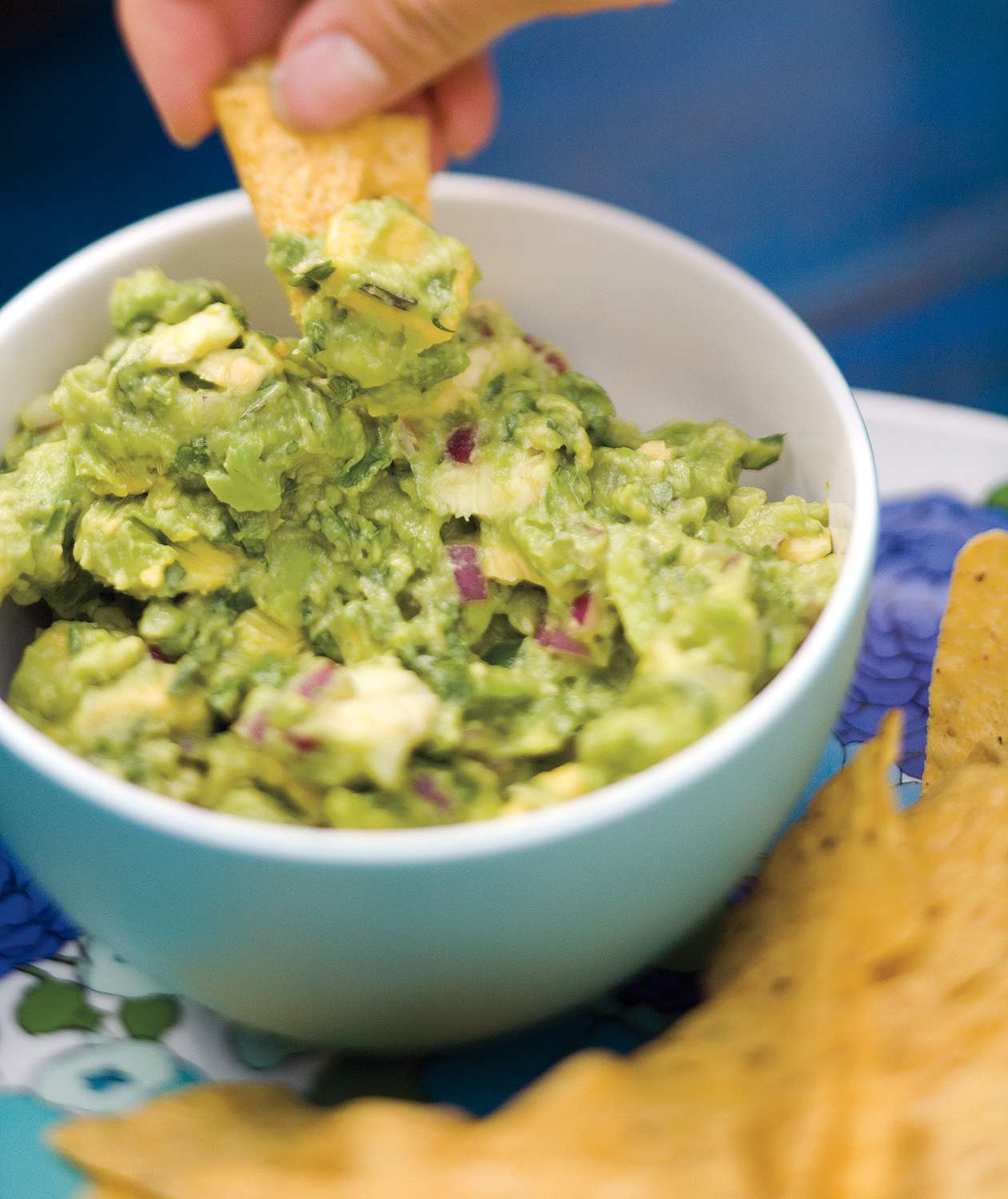
A great guacamole and chips recipe should do three things: taste fresh, scoop beautifully, and disappear from the bowl before anyone starts pretending they “only came for one chip.” This version keeps the spirit of classic guacamole alive with ripe avocados, lime juice, onion, cilantro, jalapeño, tomato, and salt, then pairs it with crisp homemade tortilla chips that are sturdy enough for serious dipping.
The magic is balance. Avocado brings the creamy, buttery base. Lime wakes it up. Onion and jalapeño add bite. Cilantro gives it that fresh green snap. Tomato adds color and a little juicy sweetness. Salt ties the whole party together like the friend who remembers to bring napkins. Add warm, crunchy chips, and suddenly your kitchen feels like the best table at a casual Mexican restaurant.
Why This Guacamole and Chips Recipe Works
Guacamole is simple, but simple food can be surprisingly bossy. Too much lime and it tastes sharp. Too little salt and it tastes flat. Over-mash the avocados and it turns into baby food with confidence issues. Under-season it and your chips will file a complaint.
This recipe works because it builds flavor in layers. First, the onion, jalapeño, cilantro, lime, and salt are mixed together so the sharp ingredients soften slightly before meeting the avocado. Then the avocado is mashed just enough to become creamy while keeping a few generous chunks. Finally, tomato is folded in gently so the guacamole stays bright instead of watery.
Ingredients for Fresh Guacamole
For the guacamole
- 3 large ripe Hass avocados
- 2 tablespoons fresh lime juice, plus more to taste
- 1/3 cup finely diced red onion or white onion
- 1 small jalapeño, seeded and finely minced
- 1/3 cup chopped fresh cilantro
- 1 medium Roma tomato, seeded and diced
- 1/2 teaspoon kosher salt, plus more to taste
- 1 small garlic clove, finely grated or minced, optional
- 1/4 teaspoon ground cumin, optional
- Freshly ground black pepper, optional
For the homemade tortilla chips
- 12 corn tortillas
- 2 to 3 tablespoons neutral oil for baked chips, or 2 cups oil for fried chips
- 1/2 teaspoon kosher salt
- 1 teaspoon fresh lime zest, optional
- 1/4 teaspoon chili powder, optional
How to Choose the Best Avocados
The best homemade guacamole starts before the knife touches the cutting board. Look for avocados that feel firm but yield slightly when gently pressed near the top. They should not feel rock-hard, and they should not feel like a water balloon wearing a green jacket. If the avocado is too firm, the guacamole will taste grassy and bland. If it is too soft, it may be stringy, bruised, or bitter.
Hass avocados are ideal because they have a rich flavor and creamy texture. Their pebbly skin also makes ripeness easier to judge. A ripe avocado often has darker skin, but touch matters more than color. If your avocados are not ready yet, leave them on the counter. To speed things up, place them in a paper bag with a banana or apple. Once ripe, refrigerate them to slow the process.
Step-by-Step Guacamole Instructions
Step 1: Prep the fresh ingredients
Wash the avocados, tomato, jalapeño, lime, and cilantro before cutting. Dry them well. Dice the onion finely so it spreads evenly through the dip. Mince the jalapeño carefully, removing the seeds and ribs for mild heat or leaving a few in if you want more kick. Seed the tomato before dicing to keep the guacamole from turning watery.
Step 2: Season the flavor base
In a medium bowl, combine the onion, jalapeño, cilantro, lime juice, salt, and garlic if using. Stir and let the mixture sit for 5 minutes. This quick rest softens the onion’s sharp edge and lets the lime pull flavor from the chile and herbs. Think of it as a tiny spa day for your aromatics.
Step 3: Add the avocados
Cut the avocados in half, remove the pits, and scoop the flesh into the bowl. Use a fork or potato masher to mash the avocados into the seasoned mixture. Stop while the guacamole still has visible chunks. A little texture makes every bite more interesting and helps the dip cling to chips instead of sliding off like it has somewhere better to be.
Step 4: Fold in tomato and adjust
Gently fold in the diced tomato. Taste the guacamole and adjust with more salt, lime juice, cilantro, or jalapeño. The finished dip should taste creamy, bright, savory, and fresh. If it tastes dull, add a pinch of salt. If it tastes heavy, add a squeeze of lime. If it tastes perfect, stop touching it and grab the chips.
How to Make Homemade Tortilla Chips
Store-bought tortilla chips are perfectly fine, especially when time is short or the game starts in seven minutes. But homemade chips bring a warm corn flavor and a crackly crunch that makes guacamole feel extra special. You can bake them for a lighter option or fry them for restaurant-style crispness.
Baked tortilla chips
Preheat the oven to 375°F. Stack the corn tortillas and cut each one into 6 wedges. Brush both sides lightly with oil, then arrange the wedges in a single layer on baking sheets. Sprinkle with salt. Bake for 10 to 14 minutes, flipping once, until the chips are golden and crisp. Let them cool for a few minutes; they will firm up as they sit.
Fried tortilla chips
Heat 1 to 2 inches of neutral oil in a heavy pot to 350°F. Cut the tortillas into wedges. Fry in small batches for about 1 to 2 minutes, turning as needed, until lightly golden and crisp. Transfer to a paper towel-lined tray and salt immediately while hot. This is the moment when the chips listen best.
Easy lime-chili chip seasoning
For extra flavor, mix kosher salt with lime zest and a pinch of chili powder. Sprinkle it over hot chips right after baking or frying. The lime zest gives the chips a citrus aroma without making them soggy, and the chili powder adds a gentle warmth that pairs beautifully with creamy avocado dip.
Serving Ideas for Guacamole and Chips
The classic move is obvious: place the guacamole in a wide bowl, surround it with tortilla chips, and let everyone dive in. For a cleaner party setup, serve the guacamole in small cups with chips tucked into each cup. It looks cute, prevents double-dipping drama, and gives guests their own little avocado kingdom.
This guacamole also works as a topping for tacos, burrito bowls, grilled chicken, veggie fajitas, nachos, quesadillas, turkey burgers, breakfast eggs, or roasted sweet potatoes. For a snack board, serve it with chips, cucumber slices, bell pepper strips, radishes, cherry tomatoes, and warm mini tortillas.
Flavor Variations
Spicy guacamole
Use serrano chile instead of jalapeño, or add a pinch of cayenne pepper. Start small. Guacamole should have personality, not a flamethrower license.
Chunky pico-style guacamole
Add extra diced tomato, onion, cilantro, and jalapeño for a fresher, salsa-like texture. This version is excellent for tacos and grilled meats.
Smoky guacamole
Add a pinch of smoked paprika or chipotle powder. Smoky spice gives the dip a backyard-grill attitude without requiring anyone to find charcoal.
No-tomato guacamole
Skip the tomato for a thicker, richer dip that stores a little better. This is a smart choice if you are making guacamole ahead of time.
Storage and Make-Ahead Tips
Guacamole tastes best soon after it is made, but you can prepare it a little ahead with the right storage method. Transfer it to an airtight container, smooth the surface, and add a thin layer of lime juice directly on top. Press plastic wrap against the surface before sealing the lid. The goal is to block air, because air is what turns avocado brown.
Refrigerate leftovers promptly and use them within 1 to 3 days for best quality. A little browning on the surface is usually oxidation, not automatic disaster. Scrape off the top layer if needed, stir, and taste. If the guacamole smells sour, looks moldy, or has been sitting at room temperature too long, throw it away. Avocado is wonderful, but it is not worth playing food-safety roulette.
Common Guacamole Mistakes to Avoid
Using underripe avocados
Hard avocados do not mash well and do not taste rich. Wait until they yield slightly to gentle pressure.
Adding too much lime juice
Lime should brighten the avocado, not bully it. Start with less and add more after tasting.
Forgetting enough salt
Salt is essential because avocado is naturally mild. A small extra pinch can turn “fine” into “who made this?”
Overmixing the dip
Keep some chunks. Guacamole should feel rustic and fresh, not whipped into submission.
Using watery tomatoes
Seed the tomato first. Removing excess liquid keeps the dip thick and scoopable.
Nutrition Notes
Guacamole is naturally plant-based, dairy-free, and gluten-free when served with corn tortilla chips. Avocados provide creamy texture from mostly unsaturated fats, along with fiber and potassium. The vegetables and herbs add freshness without making the recipe complicated.
Portion size still matters, especially with chips. The easiest way to keep things balanced is to serve guacamole with both tortilla chips and crunchy vegetables. That way, everyone gets the full dip experience while the snack table looks colorful enough to deserve compliments.
My Real-Life Experience With Guacamole and Chips
Guacamole has a funny way of turning ordinary gatherings into “please send me the recipe” situations. The first time I made a serious bowl of homemade guacamole, I thought the secret was adding more of everything: more lime, more garlic, more jalapeño, more cilantro. The result was not terrible, but it was loud. Very loud. It tasted like the avocado had been invited to its own party and then ignored in the corner.
Over time, I learned that the best guacamole and chips recipe is not about showing off. It is about restraint. Ripe avocado should be the star. The other ingredients are the backup singers: important, energetic, and absolutely not allowed to steal the microphone. A little lime makes the avocado taste brighter. A little onion gives crunch. A little chile adds excitement. Cilantro brings freshness. Salt makes the flavors stand up straight.
One of the best tricks I picked up is to season the onion, jalapeño, cilantro, and lime before adding the avocado. That short rest changes the flavor. The onion becomes less harsh, the jalapeño spreads more evenly, and the cilantro releases its aroma. When the avocado finally joins the bowl, everything blends faster and tastes more complete. It is a small step, but it makes the dip feel intentional instead of rushed.
Homemade chips were another lesson. The first batch I baked was pale, floppy, and emotionally unavailable. I had crowded the pan and used too little oil. Once I spread the tortilla wedges in a single layer and brushed them lightly on both sides, the chips turned crisp and golden. Fried chips are even crunchier, but baked chips are easier for weeknights and still taste fantastic when served warm.
The biggest crowd-pleasing move is serving the guacamole in a shallow bowl instead of a deep one. A shallow bowl gives everyone access to the good stuff and prevents the dreaded “chip snapped in the dip” incident. I also like to sprinkle a little extra cilantro, diced onion, and tomato on top right before serving. It makes the bowl look fresh, colorful, and ready for its close-up.
For parties, I make the guacamole about 30 minutes before guests arrive. That gives the flavors time to settle without letting the avocado lose its bright green charm. I keep extra lime wedges, salt, and chopped jalapeño nearby so the dip can be adjusted quickly. Some guests want it mild. Some want heat. Someone always claims they hate cilantro and then eats half the bowl anyway. Guacamole brings out contradictions in people.
The best compliment this recipe gets is silence. Not awkward silence, but the happy snack-table silence of people crunching chips, nodding, and going back for another scoop. That is when you know the guacamole is doing its job. It is creamy but not mushy, tangy but not sour, spicy but not chaotic, and salty enough to make each chip feel important.
In the end, guacamole and chips are not fancy, but they are deeply satisfying. They are the kind of food that fits everywhere: game day, taco night, cookouts, movie marathons, casual dinners, and “I bought too many avocados and now destiny has spoken” afternoons. Make it once with fresh ingredients and warm chips, and you may never look at the plastic tub version the same way again.
Conclusion
This guacamole and chips recipe proves that a simple appetizer can still feel special. Use ripe avocados, season thoughtfully, keep the texture chunky, and serve it with crisp tortilla chips that can handle a generous scoop. Whether you bake the chips, fry them, or open a reliable bag from the pantry, the real goal is the same: fresh flavor, satisfying crunch, and a bowl that empties faster than expected.