Dust is the uninvited houseguest that never takes the hint. You wipe the coffee table, turn around for one heroic sip of coffee, and there it is againsparkling in a sunbeam like it pays rent. The truth is, dust is not just “dirt.” It is a tiny mix of skin flakes, fabric fibers, pet dander, pollen, outdoor soil, hair, soot, microscopic debris, and other particles that drift, settle, and quietly form a gray film over your favorite bookshelf.
The good news? You do not need to live in a museum, vacuum twice a day, or start greeting guests at the door with lint rollers. Keeping dust under control in your home is about building smart habits: blocking dust at the entryway, cleaning in the right order, choosing better tools, maintaining your HVAC system, managing humidity, and reducing the dust traps that make your home harder to clean.
This guide shares practical, realistic, and home-friendly dust control tips that help your space look cleaner, feel fresher, and support better indoor air quality. No perfection required. Just a plan, a microfiber cloth, and the courage to look under the sofa.
Why Dust Builds Up So Quickly
Before you fight dust, it helps to understand where it comes from. Household dust enters and forms in several ways. Some particles blow in through windows, doors, vents, gaps, and clothing. Others are created inside the home from shedding skin cells, pet fur, upholstery fibers, carpet fibers, paper, cardboard, cooking particles, and even candles or fireplaces.
Dust also loves still air, cluttered surfaces, fabric-heavy rooms, and neglected corners. That is why one home may look dusty two days after cleaning, while another stays fresh for a week. The difference is often not how hard someone cleans, but how well the home is set up to prevent dust from collecting in the first place.
Dust Is Also an Indoor Air Quality Issue
Dust is not only a visual nuisance. Fine particles can float through the air and may irritate people with allergies, asthma, or sensitive lungs. Dust can also carry allergens such as dust mite waste, pet dander, pollen, mold fragments, and pest debris. For many households, reducing dust is part of creating a healthier indoor environmentnot just a prettier one.
1. Start at the Door: Stop Dust Before It Moves In
One of the easiest ways to reduce dust is to keep outdoor particles from entering your home. Shoes track in soil, pollen, road dust, lawn chemicals, and tiny debris from sidewalks and parking lots. Once those particles land on rugs and floors, every step can send them back into the air.
Use two doormats: one outside and one inside. Choose a sturdy outdoor mat that scrapes shoes well, and an indoor mat that absorbs moisture and catches fine particles. Shake or vacuum mats weekly because a dirty doormat eventually becomes a dust donation center.
A no-shoes policy is another powerful habit. You do not need to become dramatic about itno velvet rope required. A simple shoe rack, basket, or bench near the entry makes it easier for family members and guests to remove shoes without feeling like they are being processed through airport security.
2. Dust From Top to Bottom
The golden rule of dusting is simple: clean high surfaces first and floors last. Dust falls. Gravity is very loyal that way. If you vacuum first and then dust ceiling fans, shelves, and light fixtures, you will simply sprinkle debris onto your freshly cleaned floor.
Start with ceiling fans, crown molding, high shelves, tall furniture, curtain rods, and light fixtures. Then move to tabletops, counters, window sills, baseboards, and finally floors. This top-to-bottom method saves time and prevents the frustrating “I just cleaned this” moment.
Common High-Dust Areas People Forget
Dust often hides in places that are easy to ignore: ceiling fan blades, air vent covers, lampshades, picture frames, TV screens, electronics, plant leaves, baseboards, blinds, door tops, under beds, behind nightstands, and the backs of appliances. Add a few of these overlooked areas to your weekly or monthly routine to prevent heavy buildup.
3. Use Microfiber or Damp Cloths Instead of Feather Dusters
Feather dusters look charming, but many of them mostly move dust from one place to another. That is not cleaning; that is relocation. A microfiber cloth, slightly damp cloth, or electrostatic duster does a better job of grabbing particles and holding them.
For most surfaces, a dry microfiber cloth works for light dust. For heavier buildup, lightly dampen the cloth with water or a gentle cleaner suitable for the surface. Avoid soaking wood furniture or electronics. The goal is to trap dust, not give your bookshelf a bath.
Wash microfiber cloths separately from lint-producing fabrics like towels. Skip fabric softener because it can coat the fibers and reduce their dust-grabbing power. Keep several cloths on hand so you are not using the same dusty rag from the bedroom to the kitchen to the TV stand like a tiny chaos parade.
4. Vacuum With a HEPA Filter When Possible
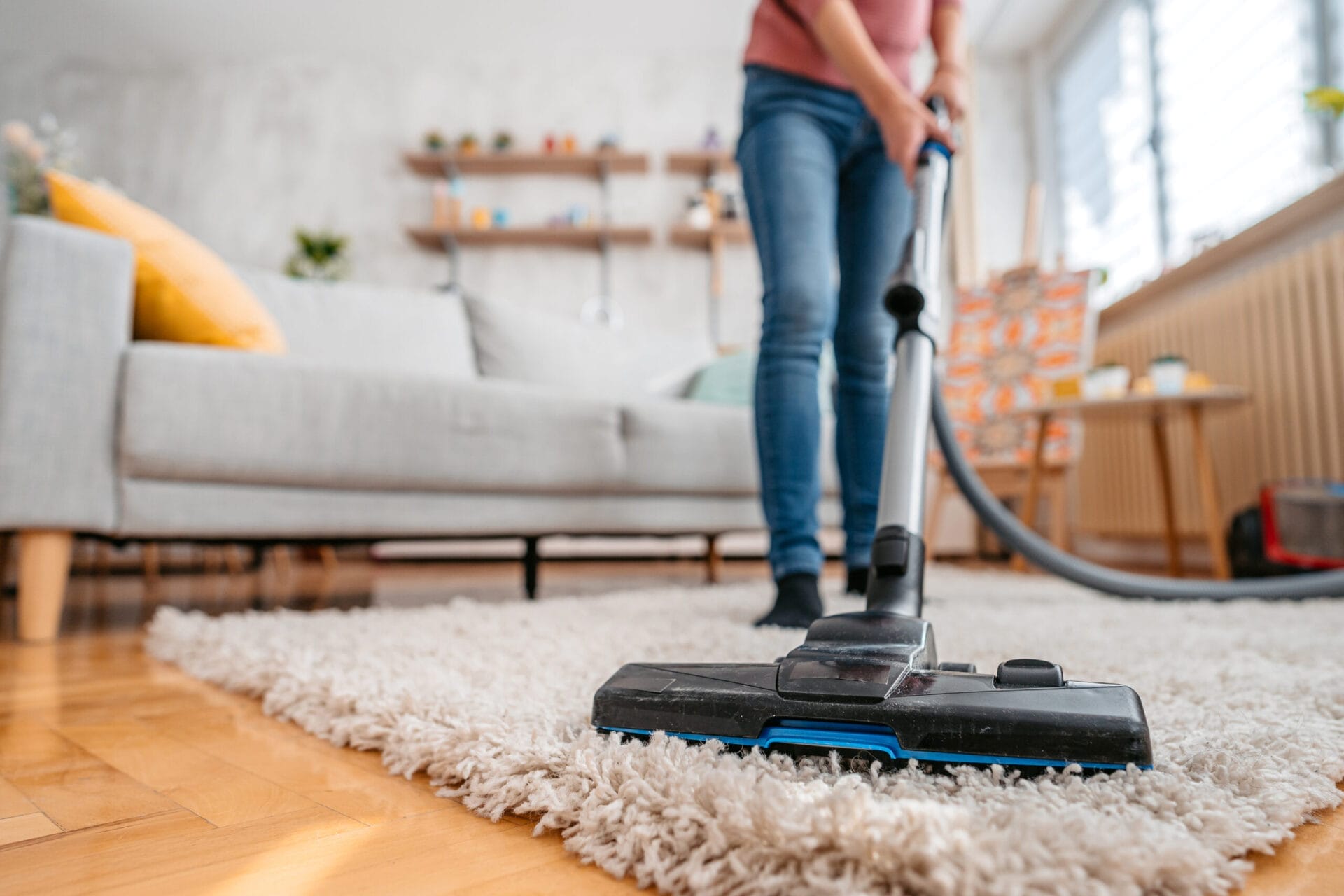
Vacuuming is one of the most effective ways to control dust, especially on carpets, rugs, upholstery, and fabric-covered furniture. A vacuum with a HEPA filter can help trap fine particles instead of blowing them back into the room. This is especially useful for homes with pets, carpets, allergies, or lots of fabric surfaces.
Vacuum high-traffic areas at least once or twice a week. Bedrooms, living rooms, entryways, and pet zones usually need the most attention. Use attachments for upholstery, stairs, baseboards, vents, and tight corners. If your vacuum has a washable filter, clean it according to the manufacturer’s instructions. If it has replaceable filters or bags, change them regularly.
Do Not Rush the Vacuum
Slow vacuuming works better than racing across the carpet like you are late for a flight. Give the machine time to lift dust, hair, and particles from fibers. Use overlapping passes, especially in areas where people walk often. For rugs, vacuum both sides occasionally if the material allows it.
5. Mop Hard Floors After Vacuuming
Hard floors may look cleaner than carpets, but dust still settles on them quickly. Sweeping with a dry broom can kick fine particles into the air. Instead, vacuum hard floors first using the proper floor setting, then damp mop to pick up the remaining fine dust.
Use a clean mop head and change the water when it gets dirty. Otherwise, you are simply painting the floor with gray water, which is not the home improvement trend anyone asked for. Microfiber mop pads are useful because they trap particles and can usually be washed and reused.
For wood floors, use a lightly damp mop and a cleaner designed for sealed wood. For tile, vinyl, and laminate, follow the manufacturer’s care directions. Too much water can damage some flooring, so aim for damp, not dripping.
6. Wash Bedding Every Week
Bedrooms are dust magnets because they contain mattresses, pillows, blankets, clothing, rugs, curtains, and plenty of skin flakes. Dust mites, which are microscopic creatures found in house dust, thrive in bedding and upholstered materials. They do not bite, but their waste can trigger allergy and asthma symptoms in sensitive people.
Wash sheets, pillowcases, and blankets weekly. Hot water can help reduce dust mites, but always check fabric care labels first. Dry bedding thoroughly, because moisture encourages mold and mites. If you use decorative pillows or throws, wash or vacuum them regularly instead of letting them become adorable allergen storage units.
Use Protective Covers
Allergen-resistant covers for mattresses and pillows can reduce dust mite exposure. These covers create a barrier between you and the particles that collect inside bedding over time. They are especially helpful for people with dust mite allergies or nighttime congestion.
7. Keep Indoor Humidity in Check
Humidity plays a major role in dust mite and mold control. A home that is too humid can encourage dust mites and mildew. A home that is too dry can make dust easier to stir up and may irritate skin, eyes, and airways. A balanced indoor humidity range is usually more comfortable and easier to manage.
Use a hygrometer, an inexpensive humidity monitor, to check your indoor levels. In many homes, keeping relative humidity below 50 percent helps discourage dust mites and mold growth. Bathrooms, laundry rooms, and basements often need extra attention because they collect moisture quickly.
Run bathroom fans during and after showers. Use kitchen exhaust fans while cooking. Repair leaks promptly. If your basement feels damp or smells musty, consider a dehumidifier and make sure water drains away from your foundation outside.
8. Change HVAC Filters Regularly
Your heating and cooling system moves air throughout your home. If the filter is clogged, loose, or low quality, dust can circulate more easily. Replacing HVAC filters on schedule helps reduce airborne particles and keeps the system running more efficiently.
Check your filter at least once a month, especially during heavy heating or cooling seasons. Some filters need replacement monthly, while others last longer. Homes with pets, smokers, renovation dust, wildfire smoke exposure, or allergy-sensitive residents may need more frequent changes.
Look for the filter size printed on the frame, and pay attention to MERV ratings. A higher MERV rating generally captures smaller particles, but not every HVAC system can handle a very restrictive filter. If you are considering a major filter upgrade, check your system manual or ask an HVAC professional so you do not reduce airflow.
9. Consider a Portable Air Purifier
A portable air purifier can help reduce airborne dust, pollen, pet dander, and other particles in a specific room. It is not a magic dust-erasing robot, but it can be a helpful addition when used correctly. Choose a unit sized for the room, place it where air can circulate freely, and run it consistently.
Look for a purifier with a true HEPA filter or high-efficiency particle filtration. CADR, or Clean Air Delivery Rate, can help compare how quickly a unit filters particles such as dust, pollen, and smoke in a room. Replace filters according to the manufacturer’s schedule, because a dirty purifier filter will not perform well.
Air purifiers work best as part of a larger plan. They should support cleaning, source control, ventilation, and good HVAC maintenancenot replace them.
10. Declutter Surfaces That Collect Dust
Every object on an open shelf creates more surface area for dust. Books, candles, frames, souvenirs, baskets, cords, decorative bowls, and tiny mystery objects all collect particles. You do not need to become a minimalist overnight, but fewer dust traps make cleaning faster and more effective.
Try grouping décor items on trays so you can lift several pieces at once when cleaning. Use closed storage for small items, seasonal décor, craft supplies, and paperwork. Replace open bins with lidded containers. Keep nightstands and dressers simple, especially in bedrooms where dust control matters most.
Make Dusting Easy on Future You
When a surface is easy to wipe, you are more likely to clean it. If dusting a shelf requires moving 42 tiny figurines and a ceramic frog named Harold, that shelf will probably be avoided. Choose a setup that looks good and is easy to maintain.
11. Reduce Fabric Dust Traps
Soft surfaces are cozy, but they hold dust. Carpets, heavy curtains, upholstered furniture, fabric lampshades, throw pillows, blankets, and plush toys all trap particles. If your home is constantly dusty, look at how many fabric-heavy items are in each room.
You do not have to remove everything soft. Instead, choose washable curtains, washable slipcovers, low-pile rugs, and bedding that can be cleaned frequently. In allergy-sensitive bedrooms, hard flooring with washable area rugs is often easier to maintain than wall-to-wall carpet.
For children’s rooms, choose washable stuffed animals and clean them regularly. If a toy cannot be washed, it can still be vacuumed with an upholstery attachment. Rotating plush toys instead of keeping dozens on the bed can also reduce dust buildup.
12. Groom Pets and Clean Pet Areas Often
Pets add love, personality, and sometimes enough fur to build a second pet. Pet dander, hair, tracked-in dirt, and litter dust can all contribute to household dust. Regular grooming helps reduce shedding before it spreads across the home.
Brush pets outdoors when possible, or in an easy-to-clean area. Wash pet bedding weekly or as often as needed. Vacuum sofas, rugs, and pet resting spots frequently. If you have a litter box, choose a low-dust litter and place a washable mat nearby to catch particles.
Keep pet supplies organized in closed containers. Open bags of food, litter, and bedding can release crumbs and dust into storage areas.
13. Clean Vents, Fans, and Filters
Air vents and fans can quietly collect dust and redistribute it. Wipe vent covers with a damp microfiber cloth and vacuum the slats with a brush attachment. Ceiling fans should be cleaned before they are switched on for the season, unless you enjoy indoor confetti made of dust.
Bathroom exhaust fans also need attention. Dust buildup can reduce performance, making it harder for the fan to remove moisture. Turn off power before cleaning any fan cover, and follow safety instructions for your model.
Range hood filters, dryer lint traps, and appliance vents should also be cleaned regularly. Dust control is not only about surfacesit is also about the systems that move air and moisture through your home.
14. Be Careful During Renovation or DIY Projects
Home improvement projects can create serious dust, especially sanding, cutting, drilling, scraping, or demolition. Fine construction dust spreads quickly and can settle in rooms far from the work area. If your home was built before 1978, disturbing old paint may also create lead dust hazards, which require special precautions.
For dusty projects, seal off the work area with plastic sheeting, close vents when appropriate, use tools with dust collection, and clean with a HEPA vacuum and wet wiping methods. Avoid dry sweeping renovation dust because it can send fine particles into the air. For lead, asbestos, mold, or major demolition concerns, hire certified professionals.
15. Build a Simple Dust-Control Cleaning Schedule
The best dust control system is the one you can actually follow. A realistic schedule beats an ambitious plan that collapses by Wednesday.
Weekly Dust-Control Routine
Dust main surfaces with microfiber cloths, vacuum high-traffic floors, wash bedding, mop hard floors, clean pet areas, and shake or vacuum entry mats. This weekly routine prevents dust from becoming a thick layer that requires heroic effort.
Monthly Dust-Control Routine
Clean ceiling fans, vents, baseboards, blinds, lampshades, under furniture, behind appliances, and closet floors. Check HVAC filters and replace them if needed. Vacuum upholstery and mattresses using the proper attachment.
Seasonal Dust-Control Routine
Wash curtains, clean window tracks, inspect weatherstripping, deep-clean rugs, organize storage areas, and replace worn filters. Seasonal cleaning is also a good time to review clutter and donate items you no longer use.
16. Use Better Storage for Dusty Zones
Closets, garages, basements, and laundry rooms often create or collect dust. Cardboard boxes shed fibers and attract pests. Open shelving gathers particles. Piles of fabric, paper, and seasonal decorations become dust reservoirs.
Use lidded plastic bins or sealed fabric storage bags for items you do not use often. Label containers clearly so you do not need to open five boxes to find one holiday wreath. Keep closet floors as clear as possible so vacuuming is easy.
For linens, store clean bedding in closed cabinets, drawers, or zippered storage bags. Avoid storing bedding in damp basements or dusty garages. Fresh sheets should not smell like cardboard, mystery air, and 2017.
17. Seal Gaps Around Windows and Doors
Outdoor dust can enter through gaps around windows, doors, baseboards, and utility openings. Sealing these gaps can reduce dust infiltration and improve energy efficiency. Check weatherstripping around exterior doors and windows. Replace damaged seals and use caulk where appropriate.
This is especially useful if you live near busy roads, construction areas, dry landscapes, agricultural zones, or places with seasonal pollen. Less outdoor dust entering the home means less indoor dust to clean later.
18. Improve Ventilation Without Inviting More Dust
Ventilation helps dilute indoor pollutants, but outdoor air is not always clean. On high-pollen days, wildfire smoke days, or poor air quality days, open windows may bring in more particles. Use local air quality information and pollen levels to decide when fresh air helps and when it hurts.
When outdoor air is good, short periods of ventilation can refresh the home. When outdoor air is poor, keep windows closed and rely on filtered HVAC operation or portable air cleaners. The goal is not simply “more air.” It is cleaner, better-managed air.
19. Avoid Products That Add Particles or Residue
Some household habits add to airborne particles or sticky residue that attracts dust. Burning candles, incense, smoking indoors, using fireplaces without proper ventilation, and overusing sprays can contribute to indoor particles. Too much cleaning product can also leave residue that makes surfaces feel tacky and attract more dust.
Use cleaners according to label directions. More product does not always mean more clean. Often, it means more rinsing. Choose low-residue methods where possible, and ventilate when using cleaning products.
20. Make Dust Control a Habit, Not a Weekend Punishment
The easiest way to keep dust under control is to stop treating it like a once-a-month battle. Small habits make a big difference. Wipe the bathroom counter after getting ready. Run the vacuum in the entryway twice a week. Dust the TV stand during commercial breaks. Wash bedding on the same day each week. Clean one forgotten zone every Saturday.
Dust control is not about having a spotless home every second. It is about reducing buildup so cleaning feels manageable, the air feels fresher, and your furniture does not look like it has been lightly powdered for a bakery photoshoot.
Personal Experience: What Actually Works in Everyday Homes
After trying many dust-control routines, the biggest lesson is that the best system is usually boringand that is why it works. Fancy gadgets can help, but daily habits matter more. The homes that stay cleaner are not always the homes where people clean for hours. They are the homes where dust has fewer places to enter, fewer places to hide, and fewer chances to build up.
One practical experience is that entryway control makes an immediate difference. A washable indoor mat and a no-shoes habit can noticeably reduce grit on floors. At first, it may feel slightly awkward to ask people to remove shoes, but a clean, organized shoe area makes the request feel normal. Add a small bench, a basket for slippers, and a visible mat, and suddenly the entryway starts doing half the work for you.
Another real-world lesson is that microfiber cloths are worth keeping in multiple rooms. When cleaning supplies are hidden in one faraway closet, dusting becomes a “later” task. Later, of course, is where chores go to retire. Keeping a few clean microfiber cloths in the living room, bedroom, and bathroom makes quick wipe-downs easier. A two-minute dusting session while waiting for coffee can prevent the need for a dramatic weekend cleaning event.
Bedrooms also deserve special attention. Washing bedding weekly sounds simple, but it has a noticeable impact on freshness. The room smells cleaner, surfaces stay less dusty, and allergy-prone sleepers may feel more comfortable. Using fewer decorative pillows helps too. Decorative pillows are lovely, but when the bed has enough pillows to qualify as a soft obstacle course, dust control becomes harder than it needs to be.
Pets require a different strategy. Brushing a dog or cat regularly can reduce fur tumbleweeds, but the real secret is cleaning where the pet actually rests. Many people vacuum the middle of the room and forget the sofa corner, pet bed, window perch, or rug where the pet naps daily. Those areas are dust and dander headquarters. Washing pet bedding and vacuuming favorite lounging spots can make the whole room feel cleaner.
Air filters are another area where routine wins. It is easy to forget HVAC filters because they are hidden. Setting a calendar reminder helps. Checking the filter monthly does not mean it must be replaced every time, but it keeps you aware. In homes with pets or heavy heating and cooling use, filters may get dirty faster than expected. A clean filter can help the system move air properly and reduce recirculated dust.
Decluttering may be the most underrated dust-control method. Open shelves full of small objects look charming until cleaning day arrives. Reducing the number of items on surfaces makes dusting faster, and fast chores are chores that actually get done. Trays, lidded baskets, drawers, and cabinets are small upgrades that make a room easier to maintain.
The final experience is this: do not aim for a dust-free home. That is not realistic. Aim for a lower-dust home. Dust will always exist because people live, move, shed, cook, open doors, wear clothes, own pets, and occasionally ignore the baseboards. A smart routine does not eliminate dust forever, but it keeps it from taking over. That is the victory: a home that feels clean without requiring you to spend your entire life chasing particles with a cloth.
Conclusion
Keeping dust under control in your home is a combination of prevention, smart cleaning, and better air management. Start by stopping dust at the door, then clean from top to bottom with microfiber tools, vacuum with strong filtration, wash bedding weekly, manage humidity, and maintain HVAC filters. Reduce clutter and fabric-heavy dust traps so your home is easier to clean in the first place.
You do not need a perfect routine. You need a repeatable one. A few consistent habits can make your home look brighter, smell fresher, and feel more comfortable. Dust may never fully surrender, but with the right strategy, it will at least stop acting like it owns the place.