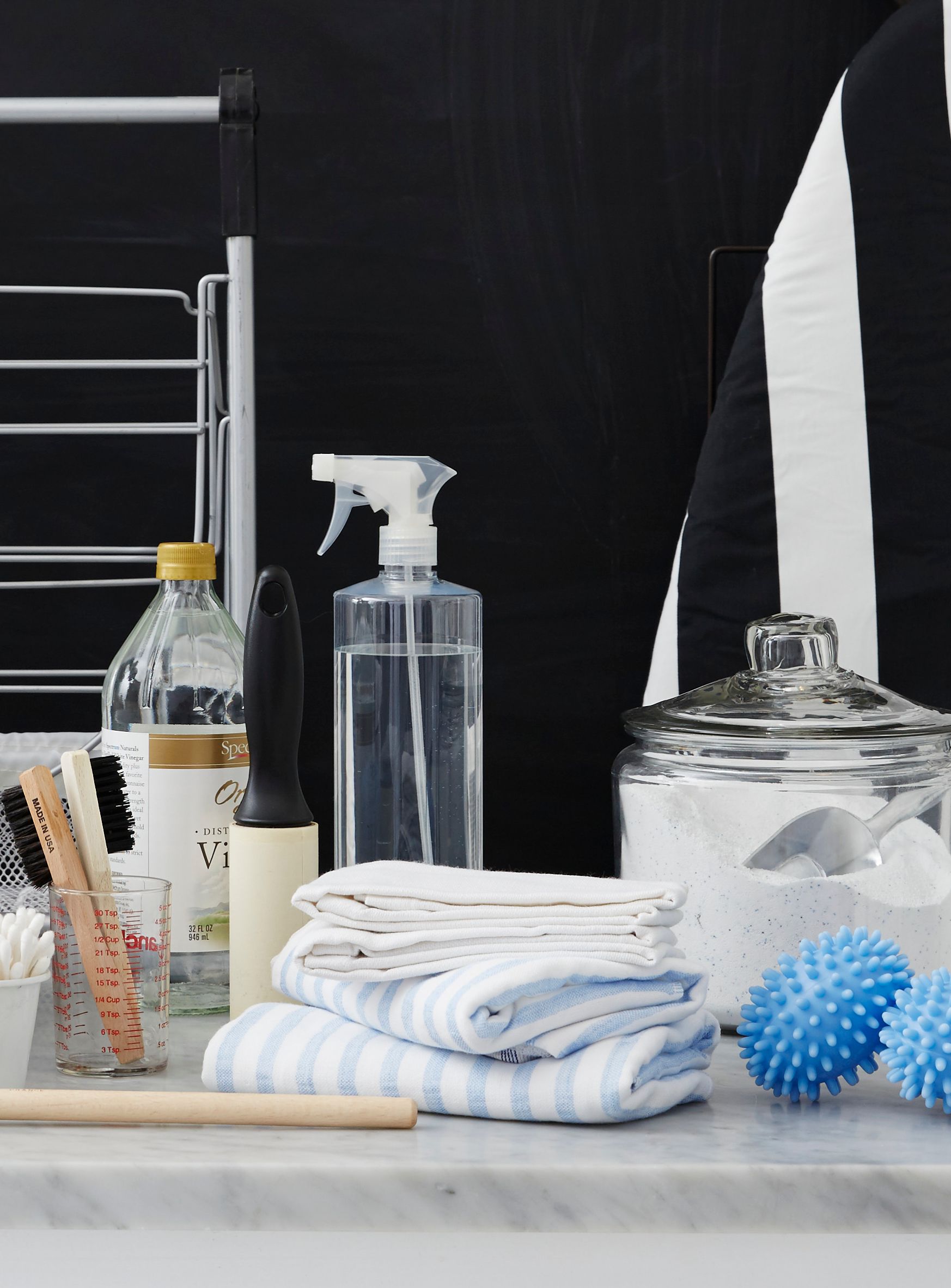
If your cleaning cabinet looks like a chemistry set and smells like a mystery, it might be time for a reset. A greener cleaning routine does not mean your home has to be less clean. In fact, for many everyday messes, simpler products and smarter habits work just as well (and sometimes better) than a pile of heavily fragranced sprays.
The trick is knowing what to use, where to use it, and what not to mix. That’s where a lot of people get tripped up. Vinegar becomes a hero, then accidentally becomes a villain on stone countertops. “Natural” sounds great, but the label doesn’t always tell the whole story. And disinfecting everything, all the time, can be overkill for normal daily cleaning.
This guide breaks down a practical, real-world approach to using natural cleaning products and safer alternatives: what belongs in your green-cleaning toolkit, how to choose store-bought products that are actually credible, which surfaces need special care, and how to build a routine that’s healthier for your home and easier on your nose.
Why Go Green in the First Place?
A green cleaning routine is usually about three goals at once: reducing harsh chemical exposure, improving indoor air quality, and cutting back on unnecessary waste. That doesn’t mean every “natural” ingredient is automatically perfect, and it definitely doesn’t mean every conventional product is bad. It means using the least harsh product that gets the job done.
For daily life, this approach makes a lot of sense. Most of the time, you’re cleaning away crumbs, grease, soap scum, fingerprints, and dustnot dealing with high-risk contamination. For those routine jobs, products like fragrance-free dish soap, baking soda, vinegar (on the right surfaces), and microfiber cloths can carry a surprising amount of the load.
Bonus: greener cleaning habits often save money. Pantry staples and concentrated products can replace a dozen “specialty” bottles marketed for every square inch of your house. Your under-sink cabinet gets less crowded, and your wallet gets a little less dramatic.
Cleaning vs. Sanitizing vs. Disinfecting (Yes, They’re Different)
Before we talk products, let’s clear up one of the biggest cleaning myths: everything needs disinfecting. It doesn’t.
Cleaning
Cleaning removes dirt, grime, and a lot of germs from surfaces. Think soap, water, and some light scrubbing. For most households and most days, this is the main event. If nobody is sick, routine cleaning is usually enough for common surfaces like counters, tables, and doorknobs.
Sanitizing
Sanitizing lowers germs to a safer level. This is especially useful for food-contact surfaces like cutting boards, kitchen tables, and areas where food is prepped or served.
Disinfecting
Disinfecting kills bacteria and viruses on surfaces, but it only works properly when used as directed. That means cleaning first, applying the product correctly, and letting it stay wet for the required contact time. It’s most important when someone is sick, when you’re cleaning body-fluid messes, or for certain high-risk areas.
A greener routine doesn’t reject disinfectants. It just uses them strategically instead of like confetti.
What “Natural” Cleaning Products Really Mean
Here’s the awkward truth: words like “green,” “eco-friendly,” and even “natural” can be used pretty loosely in marketing. Some products are genuinely designed with safer ingredients and better standards. Others are mostly just good at making leaves appear on labels.
That’s why label literacy matters. Instead of relying on buzzwords, look for:
- EPA Safer Choice for cleaning products with safer chemical ingredients and performance standards
- EPA DfE (Design for the Environment) on certain disinfectants and sanitizers
- Fragrance-free options if anyone in your home is sensitive to scents
- Clear directions, safety warnings, and storage instructions
- Full ingredient disclosure when available
In other words, don’t buy a spray just because the bottle is beige and has a tiny drawing of a lemon. Cute packaging is not a cleaning standard.
Your Green-Cleaning Toolkit (The Useful Stuff)
You don’t need 27 products. A smart starter kit covers most jobs:
1) Microfiber Cloths and Mops
These are the quiet overachievers of green cleaning. Microfiber grabs dust and dirt well, especially when slightly damp, and often reduces the need for extra chemicals. For many daily messes, microfiber plus warm water (or a little soap) is enough.
2) Fragrance-Free Dish Soap
A mild, fragrance-free dish soap is one of the most flexible cleaners you can own. Diluted with water, it works on many hard surfaces, greasy spots, and routine kitchen cleanup. It’s simple, effective, and much less dramatic than heavily scented sprays.
3) Baking Soda
Baking soda is a gentle abrasive and deodorizer. It’s handy for scrubbing sinks, tubs, and stovetop grime, freshening trash cans, and lifting odors from surfaces. Mix it with a little water to make a paste for scrubbing jobs.
4) White Vinegar (Use Carefully)
Vinegar is a favorite for cutting mineral buildup, soap scum, and hard-water residue. It’s useful on many surfaces when diluted and used correctly. But it is acidic, so it is not a universal cleaner. More on that in the “what not to clean” section (because your countertops deserve a long life).
5) Castile Soap or Plant-Based Soap
Castile soap is a common ingredient in DIY cleaners and works well for general grime. It’s often used for floors, bathroom surfaces, and light all-purpose cleaning when diluted properly.
6) Rubbing Alcohol (For Specific Jobs)
Rubbing alcohol shows up in many homemade window or glass cleaner recipes and can help with fast drying. Use it carefully, store it safely, and keep it away from heat sources.
7) A Safer Certified Disinfectant (For When You Actually Need One)
For situations that require disinfecting, keep one EPA-registered disinfectant on handideally one with the DfE label if you want a safer-choice option for antimicrobial use. That way you’re prepared without using strong disinfectants for every little crumb and fingerprint.
Natural Cleaning Products by Area of the Home
Kitchen
The kitchen is where green cleaning can shine because most daily messes are food, grease, and spillsnot biohazards. Start with warm water, a little dish soap, and a microfiber cloth for counters and appliance exteriors. Use baking soda paste for sticky spots or gentle scrubbing.
For sinks and hard-water buildup, vinegar can help break down mineral residue. Just don’t use vinegar on natural stone counters or around surfaces that can be damaged by acid. For food-contact surfaces, sanitize only when needed, and follow product labels carefully if using a sanitizer.
Pantry-style cleaners are also popular here: some extension programs share simple recipes using baking soda, vinegar, and hot water for all-purpose jobs. These can be budget-friendly and effective for light-to-moderate cleaning.
Bathroom
Bathrooms are where people tend to go full hazmat mode. You usually don’t need to. For everyday upkeep, soap, water, microfiber, and baking soda do a lot of work. Vinegar is often used for soap scum and hard-water spots (again: not on stone).
For mildew-prone areas, ventilation matters as much as product choice. Run the fan, open a window if possible, and keep surfaces dry when you can. A squeegee after showers may be the most boring good habit ever inventedand also one of the most effective.
If you need stronger antimicrobial cleaning in bathrooms (toileting areas, illness cleanup, etc.), use an EPA-registered disinfectant and follow the dwell time on the label. No freestyle chemistry, no guessing, no “I sprayed it and immediately wiped it, so I assume it worked.”
Glass and Mirrors
A simple vinegar-and-water solution is a classic for glass. Some DIY versions add a small amount of rubbing alcohol for faster drying and fewer streaks. Use a lint-free cloth and avoid over-spraying.
Just keep this solution for actual glass and mirrorsnot electronics screens. Phones, TVs, and monitors are a different story and can be damaged by acidic cleaners.
Floors
Floors are where many “natural cleaner” mistakes happen. People hear “vinegar” and start mopping everything in sight. Slow down. Floor materials vary wildly.
For many sealed hard floors, a mild soap-and-water solution and a microfiber mop is a safe, effective baseline. Some DIY floor recipes use vinegar, and they may work for certain surfaces, but always check your flooring manufacturer’s guidance first. What works on one floor can dull, strip, or weaken another.
What Not to Clean with “Natural” Products
Let’s protect your stuff. Green cleaning is great, but only when the cleaner matches the surface.
Avoid Vinegar or Lemon on Natural Stone
Marble, granite, and other natural stone surfaces can be etched or dulled by acids. That includes vinegar and lemon-based DIY cleaners. If you have stone counters, shower walls, or floors, use a pH-neutral cleaner or a product specifically made for stone.
Be Careful with Stainless Steel, Cast Iron, and Rubber
Acidic cleaners can cause pitting or wear on some metals and can break down rubber parts (like gaskets and hoses) over time. Vinegar is useful, but not on everything all the time.
Never Use Vinegar on Electronics Screens
It can damage anti-glare coatings. Use a screen-safe product or a lightly dampened microfiber cloth as recommended by the device manufacturer.
Safety Rules for a Green Cleaning Routine (The Important Part)
“Natural” does not mean “mix randomly and hope for the best.” A few rules matter a lot:
- Never mix bleach with ammonia, vinegar, lemon juice, or other cleaners. This can create dangerous gases.
- Clean first, then disinfect if needed. Dirt and grime can block disinfectants from working properly.
- Ventilate the space. Open windows or doors when using stronger products, especially bleach or disinfectants.
- Read the label every time. Contact time, dilution, rinsing, and protective gear all matter.
- Store products safely. Keep cleaning supplies in original containers, out of reach of children, and ideally locked up.
- Patch-test DIY cleaners. Try a small hidden spot before cleaning a visible area.
If you remember only one rule from this entire article, make it this: don’t mix cleaning chemicals. Not because we don’t trust youbecause chemistry never takes a day off.
How to Shop for Natural Cleaning Products That Actually Work
If DIY cleaning isn’t your thing (totally fair), you can still build a greener routine with store-bought products. Use this checklist:
Look for Credible Certifications
EPA’s Safer Choice label is one of the best shortcuts for everyday cleaners. For disinfectants and sanitizers, look for EPA DfE on qualifying products. These programs evaluate ingredients and product performance, which is exactly what you want when you’re trying to avoid guesswork.
Choose Fragrance-Free When Possible
Fragrance can be a major trigger for headaches, irritation, or respiratory symptoms in some households. If you like a clean smell, remember: “clean” does not have to smell like a tropical thunderstorm.
Buy Concentrates or Multi-Use Products
One effective all-purpose cleaner and one dish soap can replace multiple niche products. Concentrates can also reduce plastic waste and storage clutter.
Keep One Disinfectant for Specific Use Cases
You don’t need to disinfect daily kitchen crumbs, but you do want the right product ready for illness, bathroom contamination, or other situations where disinfecting matters.
Simple Green Cleaning Routine You Can Start This Week
Daily (5–10 minutes)
- Wipe kitchen counters with diluted dish soap and water (or a safer all-purpose cleaner)
- Use a damp microfiber cloth on high-touch dusty spots
- Dry wet bathroom surfaces to reduce buildup
Weekly
- Use baking soda paste for sink/tub scrubbing
- Clean mirrors with a simple glass cleaner (vinegar-based if appropriate)
- Mop floors with a surface-safe solution and microfiber mop
- Wash microfiber cloths separately and let them fully dry
As Needed
- Sanitize food-contact surfaces after food prep or contamination
- Disinfect bathroom or illness-related surfaces according to label directions
- Use stronger specialty cleaners only for the specific job they’re designed to do
Real-World Experiences with Green Cleaning (About 500 Extra Words)
One of the most common experiences people have when switching to natural cleaning products is a weird little moment of panic: “Wait… is this actually working?” If you’re used to strong perfumes and foamy sprays, a quieter cleaner can feel less powerful. But many households discover the opposite after a few weeksthe home feels just as clean, only without the heavy scent cloud hanging around afterward.
A typical first win happens in the kitchen. Someone swaps out three specialty products for one bottle of diluted dish soap, a microfiber cloth, and baking soda. At first, it feels suspiciously simple. Then they notice the counters are still clean, the stovetop grease comes off faster with a little baking soda paste, and they’re not buying a new cleaner every grocery trip. It’s not glamorous, but it is satisfying. Very “I have my life together” energy.
Another common experience is learning the hard truth about vinegar: it’s fantastic right up until it isn’t. A lot of people start a green routine and want to use vinegar on everything. Then they learn (usually just in time) that natural stone, certain metals, and some appliance parts do not appreciate this enthusiasm. The smart adjustment is simple: keep vinegar in the routine, but assign it specific jobsglass, hard-water spots, soap scum on compatible surfacesand use pH-neutral cleaners elsewhere.
Families with kids often report the biggest benefit is not just “greener” cleaning, but safer and more organized cleaning. Once they start paying attention to labels, storage, and what products are actually necessary, the cleaning area gets streamlined. Fewer random bottles. Fewer products decanted into unlabeled containers. More supplies kept in original packaging and out of reach. The routine becomes easier to manage because there’s less chaos.
People with scent sensitivity, asthma, or just a low tolerance for overpowering fragrances often notice a difference quickly. The house may smell less like “mountain waterfall perfume” and more like… nothing. Which is, honestly, underrated. A neutral-smelling home feels fresher than many people expect, and fragrance-free products can reduce irritation for guests and family members who are sensitive to strong scents.
There’s also a learning curve with disinfecting. Many people grow up thinking a fast spray-and-wipe means the surface is disinfected. Once they read actual labels and learn about contact time, the habit changes. They start cleaning first, then using disinfectants only for the right situations, and letting the product sit as directed. It’s a small shift, but it makes the routine both greener and more effective.
The most successful green cleaning routines are rarely perfect. They’re practical. Maybe you use DIY cleaners for windows and sinks, a Safer Choice product for all-purpose jobs, and one DfE-certified disinfectant for high-risk messes. Maybe you tried a fancy “natural” spray and hated it. Fine. The goal isn’t to win a purity contest. The goal is a clean home, safer habits, and fewer products that make your eyes water before you even start scrubbing.
In the end, green cleaning works best when it feels sustainable for you. Start small, keep what works, ditch what doesn’t, and remember: if a cleaning routine is simple enough to maintain, you’ll actually use it. And that’s the cleanest strategy of all.
Conclusion
Greening your cleaning routine is less about buying trendy products and more about using the right level of cleaning for the right job. For most day-to-day messes, simple tools like microfiber cloths, mild soap, baking soda, and carefully used vinegar can handle the job. When you need stronger protection, choose a certified product and follow the label.
The best routine is the one that balances effectiveness, safety, and consistency. Keep it practical, keep it surface-safe, and keep the chemistry experiments out of the kitchen. Your homeand your lungswill thank you.