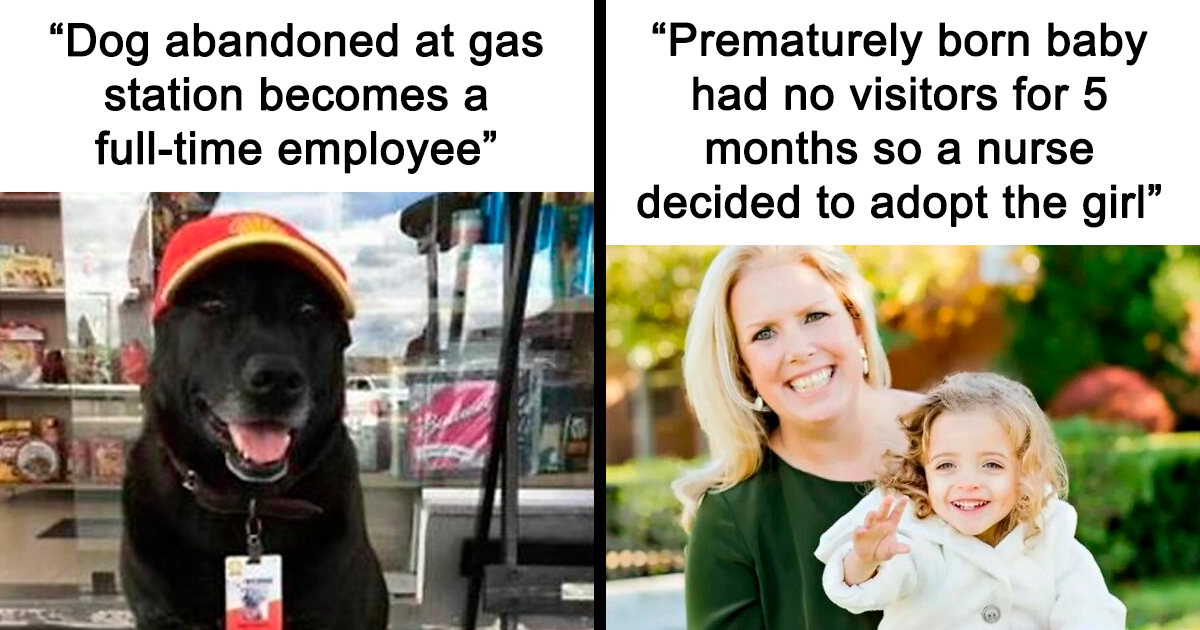
Bad news is loud. It kicks down the door, steals the snacks, and somehow convinces your phone to buzz at 11:47 p.m. with one more headline you absolutely did not need before bed. But good news? Good news is quieter. It arrives like a neighbor bringing soup, a teenager returning a lost wallet, a scientist announcing a breakthrough, or a community planting trees where there used to be dust.
That is why the idea behind “Global Positive News” matters. It is not about pretending the world is perfect. Nobody with Wi-Fi and a calendar believes that. It is about remembering that progress is still happening, kindness is still practical, people are still solving problems, and the human species occasionally does more than argue in comment sections.
This collection of 40 positive news posts highlights stories of compassion, innovation, environmental recovery, medical progress, education, animal rescue, and everyday decency. Think of it as a mental palate cleanser: less doomscrolling, more hope-scrolling.
Why Positive News Matters More Than Ever
Positive news is not fluff. Done well, it is a form of constructive storytelling. It shows what people are doing in response to real problems. A story about a malaria vaccine rollout is not merely “happy.” It is public health progress. A story about girls gaining better access to education is not just inspiring; it is evidence that policy, funding, and community pressure can change lives.
The best uplifting news stories do three things. First, they tell the truth. Second, they show action. Third, they leave readers with a sense that participation is possible. That is a very different mood from the usual online buffet of panic, outrage, and somebody’s uncle typing in all caps.
40 Posts To Remind Us There’s Good In The World
1. A Chief Who Fought Child Marriage
In Malawi, senior chief Theresa Kachindamoto became known for challenging child marriage and helping girls return to school. Her work reminds us that leadership is not always about speeches; sometimes it is about protecting a child’s future.
2. Medical Training That Includes Every Skin Tone
Medical student Malone Mukwende helped create resources showing how symptoms appear on darker skin. It is a powerful example of how inclusion can move from a slogan to a lifesaving tool.
3. Malaria Vaccines Reaching More Children
Malaria has long been one of the world’s cruelest diseases, especially for young children. Recent vaccine rollouts in African countries show how science, funding, and local health workers can work together to prevent child deaths.
4. Girls’ Education Is Moving Forward
Millions more girls are attending and completing school compared with a decade ago. That progress does not happen by accident; it comes from families, teachers, governments, and advocates refusing to treat girls’ education as optional.
5. Communities Are Rewilding Damaged Land
From grasslands to coastal habitats, conservation groups and local communities are restoring ecosystems that once seemed permanently damaged. Nature, when given half a chance, has a dramatic comeback arc.
6. Teen Entrepreneurs Getting Community Support
Stories of young people selling food, crafts, or services often become bigger than business. When a community helps a kid follow the rules instead of shutting them down, that is civic kindness with extra mustard.
7. Artists Bringing Joy To Hospitalized Children
Artists who create temporary tattoos, murals, music, or bedside performances for children in hospitals prove that healing is not only clinical. Sometimes courage arrives with glitter, paint, and a very serious dinosaur design.
8. Wildlife Crossings Saving Animals
Green bridges, tunnels, and wildlife corridors help animals cross roads safely. These simple structures reduce collisions and give fragmented habitats a way to breathe again.
9. Ocean Protection Gaining Momentum
Global agreements and marine conservation projects are expanding protections for oceans, biodiversity, and coastal communities. The ocean has been doing unpaid emotional labor for the planet for ages; protection is overdue.
10. Renewable Energy Breaking Records
Solar and wind power continue to grow around the world. Each new clean energy milestone shows that climate solutions are not fantasy technology from a sci-fi movie; they are already being built.
11. Neighbors Still Help Neighbors
Despite the popular fear that everyone is isolated, surveys and local stories show that many people still trust, assist, and look out for their neighbors. Humanity has not fully outsourced kindness to doorbell cameras.
12. Lost Pets Reunited Through Community Action
When a dog, cat, or even a runaway tortoise goes missing, entire neighborhoods often mobilize. Flyers, group chats, and porch cameras suddenly become a rescue network worthy of a tiny detective show.
13. Volunteers Planting Trees In Harsh Conditions
Tree-planting campaigns in areas affected by drought and desertification show what persistence looks like. One sapling may seem small, but thousands of saplings become shade, soil protection, and future habitat.
14. Medical Breakthroughs For Rare Conditions
Gene therapies, new treatments, and better diagnostic tools are giving families hope where there used to be little. Science is slow, expensive, and occasionally full of acronyms, but when it works, it changes everything.
15. Foster Families Creating Permanent Homes
Adoption and foster care stories often reveal the quiet heroism of ordinary households. A safe home can turn survival into childhood again.
16. Musicians Giving Better Seats To Real Fans
Some performers have made headlines for moving passionate fans closer to the stage. It is a small but delightful rebellion against the idea that the best view should always belong to the biggest wallet.
17. Seniors Becoming Social Media Stars
Older adults sharing humor, dancing, cooking, advice, or daily life online are challenging lazy stereotypes about aging. Also, let’s be honest: many grandparents have better comedic timing than professional influencers.
18. Clean Air Policies Showing Results
Cities that invest in cleaner transportation, air monitoring, and pollution reduction can see measurable improvements. The lesson is refreshingly practical: dirty air is a problem, not a personality trait.
19. Children Helping Other Children
From lemonade stands for medical bills to student-led donation drives, children often understand generosity with stunning clarity. Adults may need spreadsheets; kids just ask, “How can we help?”
20. Indigenous Communities Protecting Land
Indigenous-led conservation efforts are increasingly recognized as essential for protecting biodiversity. These communities often bring generations of ecological knowledge that modern systems are finally learning to respect.
21. Libraries Becoming Community Lifelines
Libraries now offer more than books. Many provide job help, internet access, language classes, cooling spaces, and social connection. Basically, libraries are the Swiss Army knives of civilization.
22. Strangers Paying Off School Lunch Debt
Across communities, donors have stepped in to erase student meal debt. The bigger policy debate matters, but so does the immediate relief of a child eating lunch without shame.
23. Animal Shelters Celebrating Empty Kennels
When shelters announce that every adoptable animal has found a home, the internet gets one of its rare universally acceptable reasons to cry at work.
24. Food Rescue Groups Fighting Waste And Hunger
Organizations that redirect surplus food from restaurants, farms, and grocery stores help feed families while reducing waste. It is one of those ideas so sensible it makes you wonder why we ever needed convincing.
25. Students Building Low-Cost Inventions
Young inventors are designing affordable tools for clean water, accessibility, agriculture, and health care. Innovation does not always wear a lab coat; sometimes it wears a backpack.
26. Communities Welcoming Refugee Families
Local groups that help newcomers find housing, language support, school supplies, and friendship show what hospitality looks like when it rolls up its sleeves.
27. Farmers Restoring Soil Health
Regenerative farming practices such as cover crops, reduced tillage, and rotational grazing can improve soil, water retention, and biodiversity. Dirt, it turns out, has a redemption story.
28. Volunteers Cleaning Rivers And Beaches
Cleanup crews around the world remove plastic, tires, fishing gear, and mystery objects that should never have met a shoreline. Every bag collected is a small vote for a cleaner planet.
29. Communities Supporting Small Businesses
When local shops face hardship, loyal customers often rally with orders, fundraisers, and word-of-mouth promotion. Never underestimate the economic power of people who really love their neighborhood bakery.
30. Teachers Going The Extra Mile
Teachers continue to create classroom libraries, food pantries, mentorship clubs, and safe spaces for students. They deserve better pay, louder applause, and possibly capes with pockets.
31. Scientists Finding Hope In Conservation Data
Species recovery stories, from sea turtles to birds and large mammals, prove that conservation can work when laws, habitat protection, and public support line up.
32. People Donating Hair, Blood, And Bone Marrow
These deeply personal donations can help cancer patients, trauma victims, and people with serious diseases. It is hard to get more generous than sharing part of yourself so someone else gets more time.
33. Cities Creating More Public Green Space
Parks, trees, community gardens, and shaded streets improve health and make cities more livable. A bench under a tree is not just urban design; it is a tiny public vacation.
34. New Tools Improving Accessibility
Captioning technology, adaptive devices, inclusive design, and better mobility tools are helping more people participate fully in school, work, culture, and daily life.
35. Restaurants Feeding People In Need
Pay-it-forward meals, community fridges, and free dinner programs show how food businesses can become neighborhood anchors. A warm meal can say, “You matter,” without making a speech.
36. Youth Climate Leaders Taking Action
Young activists continue to push for cleaner energy, better transit, climate education, and environmental justice. Their message is simple: the future would like a seat at the meeting.
37. People Returning Lost Money
Stories of wallets, envelopes, and forgotten cash being returned are small but mighty reminders that integrity still exists, even when nobody is filming.
38. Hospitals Using Therapy Dogs
Therapy animals help reduce stress for patients, families, and medical staff. A wagging tail cannot replace medicine, but it can make a hard day feel less lonely.
39. Global Health Campaigns Saving Lives
Vaccination, sanitation, maternal health, and nutrition programs have helped reduce preventable suffering over time. Progress is rarely perfect, but it is real, and it is measured in lives.
40. Ordinary People Choosing Kindness
The most powerful positive news posts are often the simplest: someone stops to help, listens without judgment, shares what they have, or refuses to give up on a stranger.
What These 40 Positive News Posts Have In Common
At first glance, these stories seem wildly different. A chief in Malawi, a medical student in London, a teenager selling hot dogs in Minneapolis, a conservation team restoring grasslands, a volunteer cleaning a river, and a hospital artist airbrushing temporary tattoos do not appear to belong in the same paragraph. Yet they share a pattern: someone noticed a problem and did something useful.
That is the secret engine of global positive news. It is not magic. It is attention plus action. The person who notices a hungry neighbor, the scientist who notices a gap in treatment, the teacher who notices a struggling student, and the community that notices a damaged ecosystem all begin in the same place: “This should be better.”
Positive stories also remind us that progress is usually collaborative. A medical breakthrough needs researchers, funders, regulators, nurses, and patients. A conservation win needs scientists, local residents, policymakers, and long-term monitoring. A rescued pet needs one person to post, another to search, another to drive, and at least one person to say, “Wait, I saw that dog near the gas station.”
How To Read Positive News Without Falling Into Toxic Positivity
There is a difference between hope and denial. Denial says, “Everything is fine.” Hope says, “Everything is not fine, but people are working on it.” That distinction matters. Positive news should not erase suffering, minimize injustice, or turn serious issues into decorative quote graphics. The best good news stories respect the problem while highlighting the response.
A healthy positive news habit looks balanced. Read about challenges, but also read about solutions. Learn what went wrong, but also ask what is working. Let yourself feel concern without letting the algorithm convince you that despair is the only responsible emotion.
Experiences Related To “Global Positive News”
Reading a collection like “Global Positive News”: 40 Posts To Remind Us There’s Good In The World can feel surprisingly personal. Many people do not realize how heavy their daily media diet has become until they pause and consume something different. The usual scroll often begins with one serious headline, then another, then a disaster, then a scandal, then a comment thread that appears to have been assembled in a basement by raccoons with Wi-Fi. After twenty minutes, the reader may feel informed, but also tense, helpless, and vaguely suspicious of humanity.
Positive news changes the emotional rhythm. A story about a child receiving medical help, a community rebuilding a school, or volunteers rescuing animals does not ask the reader to ignore pain. Instead, it offers a missing piece: response. That response is what makes the experience so powerful. The mind moves from “Look how bad things are” to “Look what people are doing about it.” That shift can restore energy.
There is also a contagious quality to good news. After reading about a stranger returning a wallet, you may be more likely to hold the door, text someone encouragement, donate a few dollars, or finally bring the reusable bags that have been living in your car like decorative guilt. Positive stories make kindness feel normal. They remind readers that decency is not rare; it is simply less noisy than conflict.
Another meaningful experience is perspective. A person having a difficult day may read about girls returning to school, neighbors feeding families, or doctors improving care for underserved patients and feel a little less alone. Not because their own problems disappear, but because the world suddenly looks wider. There are people everywhere trying, repairing, teaching, healing, adopting, planting, researching, and showing up.
For families, positive news can become a useful conversation starter. Parents can share one uplifting story at dinner and ask children, “What would you have done?” Teachers can use constructive news stories to help students understand citizenship, science, environment, and empathy. Friends can send a hopeful post instead of yet another meme about being exhausted, although frankly there is room for both.
The best part is that positive news often leads to action. A reader inspired by food rescue may volunteer at a pantry. Someone moved by conservation may join a cleanup. A person touched by foster care stories may mentor, donate, or learn more. Hope becomes strongest when it has somewhere to go.
In that sense, “Global Positive News” is more than a pleasant scroll. It is a reminder that the world is not only shaped by crises. It is also shaped by helpers, builders, caregivers, inventors, neighbors, teachers, artists, scientists, and ordinary people who decide that today is a good day to make something slightly better. That may not fix everything by breakfast, but it is not nothing. In fact, it is how most good things begin.
Conclusion: Good News Is Not Escapism, It Is Evidence
The world still has serious problems. Positive news does not cancel them out, and it should never be used as a shiny curtain to hide injustice, disease, poverty, conflict, or climate risk. But good news does prove something essential: problems are not the only things happening.
Every day, people are rescuing, repairing, researching, teaching, feeding, protecting, listening, donating, and building. Some changes are global. Others are so local they barely make it past a community Facebook group. Both matter.
So the next time the internet tries to convince you that everything is terrible and everyone is awful, remember these 40 posts. The good in the world is not imaginary. It is busy. It is just not always trending.
Note: This article was written as original, publish-ready web content based on real positive-news themes, constructive journalism research, public-health progress, conservation updates, education trends, and community kindness stories.