Nonstick pans are the sweatpants of cookware: comfortable, convenient, and slightly embarrassing when they start peeling. For years, many home cooks kept one around for eggs, pancakes, delicate fish, and those mornings when breakfast needed to slide out of the pan with the grace of a tiny Olympic skater. But traditional nonstick cookware has a catch. Coatings can wear down, high heat is a problem, and the phrase “forever chemicals” does not exactly make scrambled eggs sound more appetizing.
That is why the Misen Carbon Nonstick Skillet has become such an interesting kitchen conversation starter. It is not a standard Teflon-coated pan. It is not ceramic-coated either. Instead, Misen uses nitrided carbon steel, a treated metal surface designed to behave more like nonstick cookware without relying on PFAS, PTFE, or PFOA coatings. In plain English: it aims to give you the easy-release magic of nonstick with the toughness of carbon steel and the heat control of an aluminum-core pan.
Is it perfect? No pan is. Even the fanciest skillet cannot save salmon you abandoned while answering one “quick” text. But for cooks who want a durable, Teflon-free skillet that can sear, sauté, fry eggs with oil, tolerate metal utensils, and move from stovetop to oven without panicking, the Misen skillet makes a strong case for replacing the old nonstick pan that has been living in your cabinet like a scratched-up relic from breakfast past.
Why People Are Rethinking Traditional Nonstick Pans
Traditional nonstick pans became popular for a simple reason: food does not cling to them like gossip at a neighborhood barbecue. Eggs slide. Pancakes flip. Cleanup is fast. For busy households, that convenience is hard to beat.
The problem is longevity. Most coated nonstick pans eventually lose their slick surface. Scratches, bubbling, flaking, and worn patches are signs that a pan has reached the “thank you for your service” stage. Even when modern nonstick cookware is used correctly, it is usually not built to last forever. High heat can also be a concern because many coated nonstick pans are intended for low to medium cooking, not steak-searing temperatures.
There is also a broader conversation around PFAS, a large family of synthetic chemicals that have been used in nonstick cookware, food packaging, stain-resistant fabrics, and other products. Regulatory and public health agencies continue to study exposure risks and environmental persistence. The practical takeaway for home cooks is not panic; it is awareness. If you want to reduce reliance on coated cookware, materials like stainless steel, cast iron, carbon steel, ceramic, and newer PFAS-free designs are worth considering.
What Makes the Misen Carbon Nonstick Skillet Different?
The Misen Carbon Nonstick Skillet is designed around a simple promise: nonstick-like cooking without a fragile chemical coating. Its surface is made from nitrided carbon steel, which means the metal is heat-treated with nitrogen to create a harder, more corrosion-resistant cooking surface. Think of it as carbon steel that went to the gym, got serious about protein, and came back with better release properties.
The pan also uses an aluminum core. That matters because aluminum heats quickly and responds well to temperature changes. Traditional carbon steel can be excellent, but it can also feel heavy and require more seasoning discipline. The Misen skillet aims to bridge the gap: lighter than many cast iron or carbon steel pans, more durable than coated nonstick, and more forgiving than a fully bare carbon steel skillet.
Key Features at a Glance
- Teflon-free surface: No PTFE, PFOA, or PFAS coating.
- Nitrided carbon steel: Treated for hardness, durability, and corrosion resistance.
- Aluminum core: Helps the pan heat quickly and evenly.
- Metal utensil-friendly: No delicate coating to scratch off.
- High-heat capable: Suitable for searing and oven use at temperatures far beyond standard nonstick limits.
- Induction compatible: Works on gas, electric, and induction cooktops.
- Low-maintenance compared with traditional carbon steel: It benefits from conditioning, but does not require a full seasoning ritual before first use.
Performance: Where This Teflon-Free Skillet Shines
A skillet can make big promises, but the stove is where marketing goes to either become dinner or become smoke. The Misen skillet performs best when you treat it like a hybrid: part nonstick, part carbon steel, part searing machine.
Searing Steak, Chicken, and Vegetables
This is where the pan feels genuinely exciting. Standard nonstick pans are not ideal for hard searing because they usually dislike high heat. Carbon steel and cast iron, on the other hand, are fantastic at browning. The Misen skillet leans into that world. It can get hot enough to create a good crust on steak, chicken thighs, mushrooms, zucchini, or a pile of peppers destined for tacos.
Because of the aluminum core, it heats faster than many heavier pans. That means less time staring at the stovetop like it owes you money. It also gives you quicker control when reducing heat, which helps when you move from browning to finishing.
Eggs and Delicate Foods
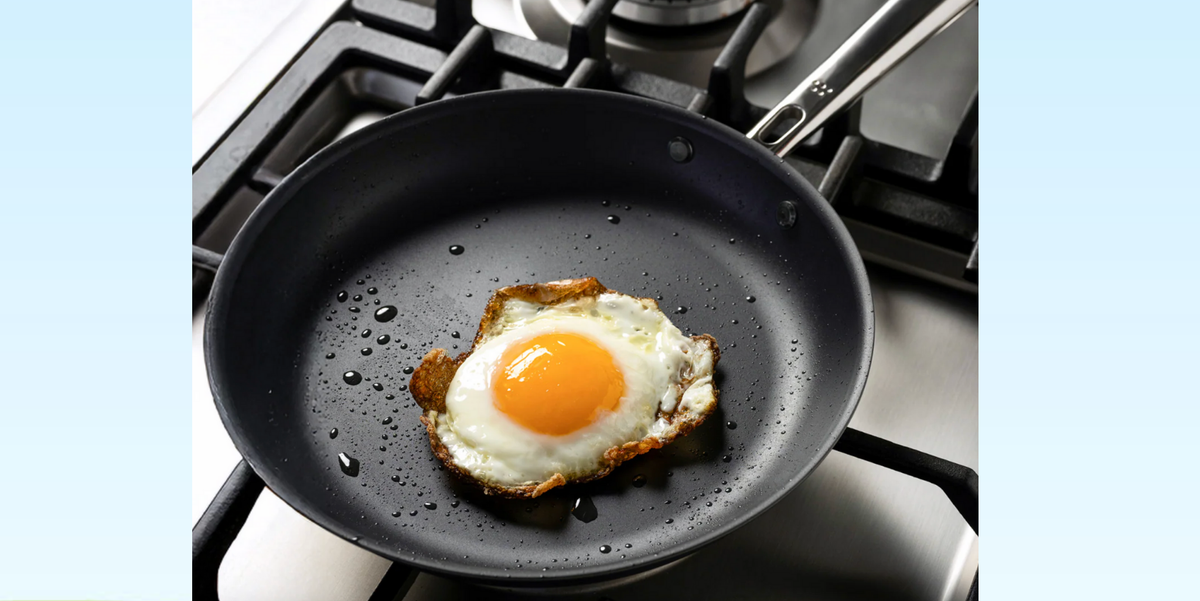
Here is the honest part: this pan is not a zero-oil miracle. If you crack an egg into it dry and expect it to glide out like a TV commercial, prepare for a tiny breakfast negotiation. The Misen skillet works best with a little fat. Add oil or butter, preheat properly, and the release becomes much more convincing.
For fried eggs, scrambled eggs, and omelets, a thin layer of oil makes a big difference. It is less “spray-and-pray” than old nonstick and more “use the pan correctly and it rewards you.” That may be a trade-off worth making if you want cookware that can handle more than delicate breakfast duty.
Weeknight Cooking
For everyday meals, the Misen skillet is versatile. It can brown chicken cutlets, crisp tofu, sauté greens, toast spices, cook quesadillas, finish frittatas, and reheat pizza with the kind of bottom crust that makes microwaves feel personally attacked.
It is also useful for cooks who want one skillet that can move between cooking styles. A traditional nonstick pan is great for eggs but not ideal for high heat. Stainless steel is great for fond and pan sauces but can intimidate beginners. Cast iron sears beautifully but is heavy and slower to respond. The Misen skillet sits in the middle, which is exactly why it is appealing.
What Is Nitrided Carbon Steel?
Carbon steel is a long-time favorite in restaurant kitchens because it gets hot, responds quickly, and develops a naturally slick surface over time. It is like cast iron’s leaner, faster cousin. Nitriding takes that material and treats the surface to make it harder and more resistant to corrosion.
That treatment is important because it creates nonstick-like performance without adding a traditional coating. There is no layer designed to peel away. The surface itself is modified. This is one of the biggest reasons the Misen skillet feels different from both standard nonstick and ordinary carbon steel.
Still, “nonstick” should be understood realistically. The surface is slicker than bare metal, especially when conditioned with oil, but it does not behave exactly like a brand-new PTFE-coated pan. You need some fat. You need heat control. You need to let proteins brown before moving them. In return, you get durability and heat tolerance that coated nonstick pans cannot match.
How to Use the Misen Skillet for Best Results
The easiest way to enjoy this pan is to stop treating it like a disposable nonstick pan and start treating it like a high-performance everyday skillet.
Preheat, But Do Not Blast It Immediately
Start over medium heat and let the pan warm gradually. Because of the aluminum core, it does not need ages to heat. A few minutes is usually enough. On induction, be especially careful with sudden high heat, since fast temperature changes can stress many pans.
Use a Little Fat
For eggs, fish, or sticky sauces, add oil or butter. High-smoke-point oils such as avocado, canola, grapeseed, or refined sunflower oil are good choices for higher-heat cooking. Butter works beautifully for eggs, but keep the heat moderate so it does not burn.
Condition the Surface
Conditioning is not the same as the full seasoning process required by many carbon steel pans. It is faster. After cleaning and drying, warm the pan briefly, rub in a very thin layer of high-heat oil, and wipe away the excess. This helps build and maintain release. The goal is not to leave it greasy; the goal is to leave it protected and ready.
Avoid Acidic Foods Early On
Tomato sauce, wine reductions, and lemon-heavy dishes can be rough on developing seasoning. Over time, the pan becomes more forgiving, but early on, use stainless steel or enameled cookware for long acidic simmering. Your skillet will thank you by not acting dramatic.
Misen Carbon Nonstick vs. Traditional Nonstick
If you only cook eggs and never use high heat, a conventional nonstick pan may still feel slicker. That is the one area where coated cookware continues to dominate. But traditional nonstick often comes with limits: no metal utensils, no very high heat, no broiler, no aggressive scrubbing, and a finite lifespan.
The Misen skillet trades a tiny bit of effortless slickness for a lot more toughness. It can sear. It can handle metal spatulas. It can be scrubbed more confidently. It does not depend on a coating that gradually wears out. For many home cooks, that is a smart trade.
Misen Carbon Nonstick vs. Stainless Steel
Stainless steel is the king of browning, fond, and pan sauces. It is durable, elegant, and deeply satisfying once you learn heat control. But stainless steel has a learning curve, especially with eggs and delicate proteins. Use too little fat or move food too soon, and it sticks like it signed a lease.
The Misen skillet is easier for beginners who want better release without giving up high-heat cooking. It will not replace stainless steel for every sauce-heavy recipe, but it can be a more approachable daily driver.
Misen Carbon Nonstick vs. Cast Iron
Cast iron is affordable, durable, and wonderful for searing. It also weighs enough to count as a forearm workout. The Misen skillet is lighter and quicker to heat, making it easier to use for weeknight meals. Cast iron still wins for heat retention and old-school charm, but Misen wins for responsiveness and easier handling.
Who Should Buy This Teflon-Free Misen Skillet?
This skillet makes the most sense for cooks who want to reduce coated nonstick cookware but still need convenience. It is especially useful if you cook proteins, vegetables, eggs with a little oil, frittatas, stir-fries, quesadillas, and one-pan dinners.
It is also a good option for anyone tired of replacing scratched nonstick pans every couple of years. If your cookware drawer contains one pan with a mystery scratch, one pan that used to be nonstick in a previous life, and one pan you keep “just in case,” the Misen skillet may help simplify the lineup.
Buy It If:
- You want a PFAS-free, PTFE-free, Teflon-free skillet.
- You like high-heat cooking and searing.
- You want something tougher than ceramic or traditional nonstick.
- You are comfortable using a little oil for best release.
- You want a pan that works on induction and in the oven.
Skip It If:
- You want completely oil-free eggs every morning.
- You hate any cookware maintenance at all.
- You mostly simmer acidic tomato sauces.
- You prefer ultra-light pans above all else.
Care and Cleaning Tips
Cleaning the Misen skillet is simpler than caring for traditional carbon steel. You can use dish soap and a sponge. You can scrub more confidently than you would with coated nonstick. Still, hand-washing is the better long-term habit.
After washing, dry the pan thoroughly. If you want to keep the surface performing well, warm it gently and rub in a whisper-thin layer of high-smoke-point oil. If you can see oil pooling, you used too much. Wipe it again. The pan should look cared for, not like it just came back from a spa treatment involving salad dressing.
Food stuck after cooking? Add warm water, let it loosen, and scrub. The beauty of a coating-free surface is that you do not need to treat it like a fragile museum artifact.
Real Kitchen Experience: What It Feels Like to Cook With a Teflon-Free Misen Skillet
The first thing you notice about the Misen Carbon Nonstick Skillet is that it does not feel like a gimmick pan. Some “healthy nonstick” cookware looks beautiful online, arrives in a box worthy of a lifestyle photoshoot, and then behaves like a regular pan wearing expensive pajamas. This skillet feels more serious. It has heft, but not the wrist-tormenting weight of cast iron. It sits flat, heats quickly, and gives you the confidence to cook with more heat than you would ever dare use under a standard nonstick pan.
For a weeknight chicken dinner, the pan makes sense immediately. Add a thin layer of oil, let the surface heat, and place seasoned chicken thighs skin-side down. Instead of the pale, steamy sadness that can happen in flimsy nonstick cookware, the chicken begins to brown. The surface encourages color. You can use a metal spatula to check the edges without whispering an apology to the coating. Once the chicken releases, it flips cleanly, and the pan feels like it is doing the work instead of merely surviving it.
Eggs require more honesty. A fried egg with no fat may stick, and anyone promising otherwise is probably also selling beachfront property in Nebraska. But add a little butter or oil and the story changes. The whites set, the edges lift, and the egg comes out clean enough for breakfast pride. Scrambled eggs are similar. With oil, they move well. Without oil, they cling. That is not a dealbreaker; it is simply the personality of the pan.
Vegetables are where the Misen skillet becomes fun. Mushrooms brown instead of leaking into a gray puddle. Green beans blister. Zucchini gets caramelized edges. Leftover rice can turn into fried rice with crisp bits instead of a sticky mound of regret. The pan rewards cooks who understand that flavor often begins with heat, fat, and patience.
The maintenance feels manageable. After cooking, a sponge and dish soap handle most messes. If something sticks, soaking is not a forbidden act. That alone makes the skillet less intimidating than classic carbon steel. The quick conditioning step after drying may sound fussy, but in practice it takes less than a minute. Heat, oil, wipe, done. It is the cookware equivalent of brushing your teeth: mildly annoying only if you dramatically overthink it.
Over time, the best part is psychological. You stop babying the pan. You stop reserving it only for delicate foods. You grab it for breakfast, lunch, dinner, and the occasional midnight grilled cheese that no one needs to know about. That is the real appeal of the Misen skillet: it does not merely replace a nonstick pan; it expands what that slot in your kitchen can do.
Final Verdict: Can You Really Ditch Your Nonstick Pans?
For many cooks, yes. The Misen Carbon Nonstick Skillet is one of the most compelling Teflon-free alternatives because it does not ask you to choose between convenience and performance. It is not as slippery as brand-new coated nonstick, but it is much tougher, more heat-tolerant, and more versatile.
The best way to think about it is this: traditional nonstick is a specialist, while the Misen skillet is a multitasker. It can cook eggs with oil, sear proteins, handle vegetables, go into the oven, and withstand more aggressive everyday use. If you are willing to use a little fat and do occasional conditioning, this pan can take over the job of your nonstick skillet while also doing several jobs your nonstick skillet should never attempt.
No single pan is perfect for every recipe. Keep stainless steel for pan sauces, cast iron for certain heavy-duty tasks, and maybe one small coated nonstick pan if you are deeply attached to oil-free eggs. But if your goal is to move toward more durable, PFAS-free cookware, the Misen Carbon Nonstick Skillet is a smart, modern, and genuinely useful upgrade.
Note: This article is based on current publicly available cookware information, product specifications, independent testing commentary, and safety guidance. Always follow the manufacturer’s latest care instructions for your specific pan.