Note: This article is written for web publication in standard American English and synthesizes current U.S. remodeling, design, safety, storage, curb appeal, universal design, and energy-efficiency guidance into original, copy-ready content.
Why the Entry Deserves a Real Remodel Plan
The entryway is the home’s handshake. It is the first “hello,” the last “did I forget my keys?” and the tiny stage where shoes, bags, umbrellas, mail, pets, groceries, guests, and weather all audition for a role in your daily chaos. So when people talk about entry remodel plans, they are not just talking about a prettier front door or a stylish bench. They are talking about designing a smarter transition between the outside world and the private comfort of home.
A great entry remodel improves curb appeal, daily organization, home safety, lighting, energy efficiency, and first impressions. That is a lot of responsibility for a space that often gets treated like a hallway with commitment issues. Whether your entry is a grand foyer, a narrow apartment landing, a mudroom off the garage, or a front porch that currently says “we tried,” the right plan can make it more welcoming and more functional.
The best entry remodel plans begin with one simple question: what happens here every day? Maybe kids drop backpacks. Maybe guests remove shoes. Maybe packages pile up like a cardboard mountain range. Maybe your front door leaks air every winter and makes the house feel like it is emotionally attached to the outdoors. Once you understand the job of the space, the design choices become much easier.
Start With the Entry Zone, Not Just the Door
Many homeowners begin an entry remodel by shopping for a new front door. That can be a smart move, especially when the existing door is damaged, drafty, outdated, or about as charming as a filing cabinet. However, the door is only one part of the entry zone. A complete entry remodel plan should consider the exterior approach, porch or stoop, lighting, threshold, flooring, walls, storage, seating, hardware, and the path into the rest of the home.
Think in Three Layers
The first layer is the approach. This includes the walkway, steps, landscaping, exterior lighting, house numbers, mailbox, doorbell, and porch surface. The second layer is the transition point: the door, lockset, threshold, weatherstripping, sidelights, storm door, and exterior trim. The third layer is the interior landing area, where real life begins dropping things immediately.
When all three layers work together, the entry feels intentional. When they do not, the result can feel like a beautiful door slapped onto a confused little corner. That is the remodeling equivalent of wearing a tuxedo with flip-flops.
Define Your Entry Remodel Goals
Before you pick paint colors or fall in love with a dramatic black door on a design site, write down your main goals. Entry remodeling can go in several directions, and your budget should serve the problems you actually have.
Common Entry Remodel Goals
If your goal is curb appeal, focus on the front door, trim, lighting, hardware, planters, walkway, and exterior color palette. If your goal is organization, prioritize storage, hooks, cubbies, shoe zones, benches, charging drawers, and mail control. If your goal is safety, improve lighting, slip-resistant surfaces, handrails, visibility, and secure locks. If your goal is comfort, consider weatherproofing, insulation, better flooring, and a layout that handles wet coats or muddy shoes without drama.
For many homes, the best plan combines all of these. The trick is to avoid doing a little bit of everything badly. A strong entry remodel plan ranks priorities. For example, a family with three children, two dogs, and a sports schedule that looks like a military operation may need a mudroom-style entry more than a delicate antique console table. A couple in a smaller condo may benefit from vertical storage, a mirror, layered lighting, and a slim floating shelf. A homeowner planning to sell may focus on a fresh front door, updated lighting, clean landscaping, and a neutral but memorable foyer.
Front Door Replacement: The Big First Impression
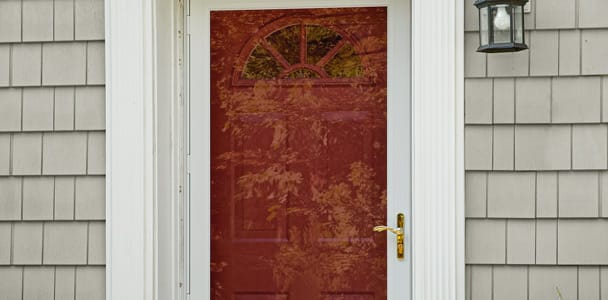
The front door is one of the most visible parts of the entry. It affects style, security, comfort, and resale appeal. A worn, faded, dented, or poorly sealed door can make the entire home feel neglected, even when the interior is beautiful. A new or refreshed front door can instantly sharpen the look of the house.
Steel, Fiberglass, or Wood?
Steel doors are often valued for durability, security, and cost-effectiveness. They can suit traditional, modern, and transitional homes depending on panel style and color. Fiberglass doors are popular because they resist dents and can mimic wood grain while offering good insulation. Wood doors bring natural warmth and character, but they usually require more maintenance, especially in areas with harsh sun, heavy rain, or major temperature swings.
The right choice depends on climate, budget, architecture, and maintenance expectations. A craftsman bungalow may look fantastic with a wood-look fiberglass door and divided-light glass. A modern farmhouse might suit a simple black steel or fiberglass door with clean hardware. A colonial home may benefit from a paneled door with sidelights and classic trim. The goal is not to choose the trendiest door. The goal is to choose the door that looks like it was invited to the house on purpose.
Do Not Ignore the Threshold
During an entry remodel, check the sill, threshold, sweep, and weatherstripping. These details are not glamorous, but neither is paying to heat the neighborhood. A well-installed door should open smoothly, lock securely, resist drafts, and keep water outside where it can continue minding its own business.
Entry Flooring: Pretty Is Nice, Durable Is Better
Entry flooring takes a beating. It faces wet shoes, grit, pet paws, rolling luggage, dropped keys, and the occasional mystery leaf that follows everyone indoors. For that reason, entry remodel plans should treat flooring as a performance decision, not just a design decision.
Best Flooring Options for Entryways
Porcelain tile is a strong choice because it is durable, moisture-resistant, and available in many styles. Natural stone can be beautiful, but it may need sealing and can be slippery depending on finish. Luxury vinyl plank can work well for busy households because it is resilient, water-resistant, and softer underfoot than tile. Engineered wood may be appropriate when the entry is protected and moisture is controlled, but it requires more care than tile or vinyl.
Whatever material you choose, pay attention to texture and transitions. Smooth, glossy floors may look elegant in photos, but in real life they can become a slip-and-slide with better lighting. A slightly textured surface is often more practical. Transitions between exterior and interior flooring should be secure, low-profile, and easy to cross. If anyone in the home uses a stroller, walker, cane, wheelchair, or rolling suitcase, this detail becomes even more important.
Use Rugs Carefully
Entry rugs help trap dirt and add warmth, but they should not create a tripping hazard. Choose low-profile mats with non-slip backing and make sure doors can clear them easily. A washable runner can be a lifesaver in long entries, especially if your weather forecast frequently includes “mud with a chance of more mud.”
Lighting: The Remodel Upgrade Everyone Notices
Lighting can make or break an entry remodel. A dark entry feels smaller, less secure, and less welcoming. A well-lit entry feels intentional and safe. It also helps guests find the doorbell, homeowners find keys, and everyone avoid stepping on whatever toy, shoe, or delivery box has decided to live near the threshold.
Layer the Lighting
Use exterior lighting to illuminate the approach, steps, porch, house numbers, and lock area. Inside, combine overhead lighting with wall sconces, a pendant, recessed lighting, or a small lamp if space allows. Mirrors can help bounce light around a narrow foyer, while glass panels or sidelights can bring in natural light during the day.
For exterior fixtures, scale matters. Tiny lights beside a large door can look timid, while oversized fixtures on a small porch can look like the house is wearing earrings meant for a chandelier. Choose fixtures that match the architecture and provide enough light without glare. Motion sensors, smart bulbs, timers, and dimmers can add convenience and efficiency.
Storage: Because the Entry Is Where Clutter Goes to Party
Most entryways fail because they do not have a realistic storage plan. A single decorative bowl cannot defeat school forms, sunglasses, leashes, keys, mail, shoes, scarves, umbrellas, and the one reusable grocery bag everyone keeps forgetting. Good entry storage must match the habits of the people who live there.
Small Entry Storage Ideas
For a small entry, think vertically. Wall hooks, peg rails, slim cabinets, floating shelves, narrow shoe cabinets, and wall-mounted mail organizers can add function without stealing floor space. A mirror with a shelf can do double duty. A small bench with storage underneath can create a place to sit and remove shoes.
Family Entry and Mudroom Ideas
For a busy family entry or mudroom, consider individual cubbies, labeled baskets, closed cabinets, coat hooks at different heights, a shoe drop zone, and a washable floor. Open storage is convenient for daily items, while closed storage hides seasonal gear and visual clutter. This balance matters because an entry should be useful without looking like a sporting goods store exploded.
Create a Landing Strip
Every entry needs a landing strip: a designated place for keys, wallets, bags, mail, and everyday carry items. This can be a console table, built-in shelf, drawer, tray, or cabinet. The goal is simple. When you walk in, your things have a home. When you leave, you are not conducting a dramatic search party for your car keys.
Walls, Trim, and Paint: The Style Multiplier
Entry walls work hard. They get bumped by bags, brushed by coats, and occasionally introduced to wet umbrellas. Durable finishes are worth considering. Satin or eggshell paint can be easier to clean than flat paint. Wainscoting, beadboard, board-and-batten, or shiplap can protect walls while adding architectural interest.
Choose Colors With Purpose
Light colors can make a narrow entry feel larger and brighter. Dark colors can make a small foyer feel cozy, dramatic, and intentional. A bold front door color can create personality before guests even step inside. The key is flow. The entry should introduce the style of the home, not feel like a completely separate design experiment that escaped from another address.
If your home has an open layout, coordinate the entry palette with nearby rooms. If the entry is enclosed, you can be a little more adventurous. Wallpaper, patterned tile, statement art, or a rich paint color can turn a pass-through space into a design moment.
Universal Design: Remodel for Real Life, Not Just Right Now
A smart entry remodel plan considers accessibility and long-term use. Universal design does not mean making a home look clinical. It means making the space easier and safer for more people, including kids, older adults, guests carrying luggage, people with temporary injuries, and anyone trying to bring in groceries with one heroic trip from the car.
Entry Accessibility Features to Consider
Useful upgrades include wider doorways, a no-step or low-step entry, secure handrails, slip-resistant surfaces, strong lighting, lever-style handles, easy-to-reach switches, and enough clear floor space to turn comfortably. Even if you do not need these features today, they can make daily life easier and may increase the long-term value of the remodel.
Accessibility also includes visibility and security. A door viewer, video doorbell, smart lock, illuminated house numbers, and clear sightlines can help residents feel more comfortable. These details are especially important for entries that are set back from the street or hidden by landscaping.
Curb Appeal: Make the Outside Say “Welcome”
The exterior entry sets expectations before anyone touches the doorknob. A good curb appeal plan does not need to be expensive. Clean lines, fresh paint, healthy plants, visible house numbers, updated lighting, and a clear walkway can make a major difference.
Simple Exterior Entry Remodel Ideas
Refresh the front door color. Replace dated hardware. Add matching planters. Upgrade the porch light. Install modern house numbers. Repair cracked steps. Power wash the walkway. Add low-voltage path lighting. Paint or replace railings. Improve the landscaping around the approach. These are small changes, but together they tell visitors, buyers, and delivery drivers that the home is cared for.
Symmetry often works well at the front entry. Matching planters, balanced lights, or paired sidelights can create order and polish. However, symmetry is not required. A modern entry might use one oversized planter, a sculptural light fixture, and a simple bench. A cottage entry might use layered greenery, a warm door color, and charming hardware. The best curb appeal feels natural to the house.
Budgeting for an Entry Remodel
Entry remodel costs vary widely. A weekend refresh with paint, hooks, lighting, a rug, and new hardware may be budget-friendly. A full remodel involving a new exterior door, structural changes, flooring, electrical work, built-ins, porch repairs, or accessibility improvements can cost much more. The smartest budget starts with scope.
Three Budget Levels
A light refresh may include paint, a new mat, updated house numbers, a mirror, a small bench, hooks, and better bulbs. A mid-range remodel might include new flooring, upgraded lighting, a new door, improved storage, trim work, and porch repairs. A major remodel could include reconfiguring the foyer, expanding the porch, adding a mudroom, installing custom built-ins, improving insulation, changing the door opening, or creating a no-step entry.
Always reserve part of the budget for surprises. Entry areas often hide water damage, rot, uneven subfloors, old wiring, or poor insulation. These issues are not fun, but fixing them is better than covering them with beautiful finishes and hoping the house forgets.
Common Entry Remodel Mistakes to Avoid
The first mistake is designing for photos instead of daily life. A white rug, open shoe display, and tiny decorative stool may look lovely online, but they may not survive a household with pets, kids, rain, or actual shoes. The second mistake is ignoring lighting. Even expensive finishes look underwhelming in a dim entry.
The third mistake is choosing storage that is too small. If your household owns twenty pairs of everyday shoes, a two-pair shoe rack is not storage. It is a polite suggestion. The fourth mistake is forgetting weather. Entry materials need to handle your climate. Snow, salt, humidity, sun exposure, and rain should all influence your choices.
The fifth mistake is creating awkward door swings or blocked pathways. Before installing furniture or built-ins, test clearances. Doors should open freely. People should be able to enter without performing a sideways dance around a console table. A beautiful entry that is hard to use is not a remodel; it is a decorative obstacle course.
Entry Remodel Plans by Home Type
For a Small Apartment Entry
Use a slim shoe cabinet, a mirror, wall hooks, a washable runner, and a small shelf for keys. Choose bright lighting and keep the color palette simple. If the door opens directly into the living room, use a rug or furniture placement to define the entry zone.
For a Suburban Family Home
Create zones for shoes, coats, backpacks, sports gear, and mail. Add a bench with storage, durable flooring, easy-clean walls, and hooks at kid-friendly heights. If the garage entry is used more than the front door, remodel that area with the same care. The “real” entry deserves respect, even if guests never see it.
For an Older Home
Preserve character where possible. Original trim, transoms, stair details, and wood doors can be restored or enhanced. Add modern function carefully with concealed storage, improved lighting, and updated hardware that respects the home’s style.
For a Home Being Prepared for Sale
Focus on high-impact, broadly appealing improvements. Clean and paint the front door, update hardware, improve lighting, repair visible damage, declutter the foyer, and add a simple mirror or art. Buyers form opinions quickly, and the entry is where the home starts making its case.
Extra Experience-Based Ideas for Better Entry Remodel Plans
After looking at many entry remodel projects, one lesson becomes clear: the best entryways are not always the biggest or most expensive. They are the ones that understand behavior. A family does not magically become organized because a beautiful cabinet appears. The cabinet has to be easy to use. Hooks should be where coats actually land. Shoe storage should be close enough to the door that people use it before tracking dirt across the floor. A mail station should be simple, visible, and not so tiny that it becomes full after two envelopes and a pizza coupon.
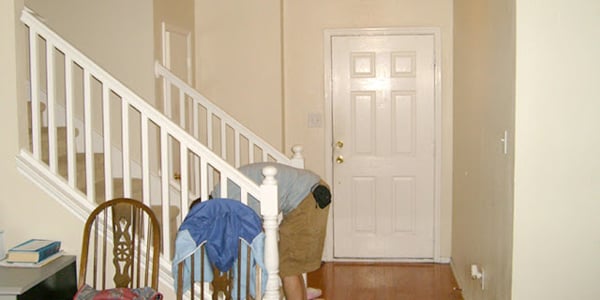
One practical experience is to observe the entry for a week before remodeling. Do not clean it first. Let it tell the truth. Where do shoes pile up? Where does the dog leash land? Which door does everyone use? Is the front entry for guests while the side entry handles real life? Does the current lighting make the space feel gloomy? Is there a draft near the floor? These small observations can save money because they prevent you from solving imaginary problems while ignoring the daily annoyances.
Another useful strategy is to create a “drop zone hierarchy.” Daily items should be easiest to reach. Seasonal items can go higher or behind closed doors. Rarely used items should not live in prime entry real estate. If you wear one jacket every day, it deserves a hook. If you own a formal coat worn twice a year, it can live elsewhere. Entry storage should be democratic, but not every item gets a front-row seat.
In many remodels, lighting produces the biggest emotional change. People often underestimate how much a dim entry affects the feeling of the whole home. A brighter porch light, a warmer interior fixture, and a mirror placed opposite natural light can make the space feel larger and friendlier. Adding a dimmer can help the entry shift from morning launchpad to evening welcome zone. This is especially helpful in homes where the foyer connects directly to a living room or staircase.
Flooring is another area where experience beats fantasy. The best-looking floor sample may not be the best entry floor. Bring samples home and test them near the door. Look at them in daylight and at night. Step on them with shoes. See whether they show dust, paw prints, or water spots. A mid-tone, textured material often hides daily mess better than very dark or very light flooring. In other words, choose the floor that can keep a secret.
For homes with children, consider assigning each person a basket, drawer, or cubby. Labels may feel overly organized at first, but they reduce confusion. For adults, a charging drawer or small tray can be surprisingly helpful. For pet owners, add a leash hook, towel basket, and treat container near the door. For rainy climates, include an umbrella stand or wall hook with a drip-friendly mat below it. For snowy climates, plan for boot trays and salt-resistant flooring.
Finally, do not forget the emotional side of the entry. This is the place where you come home after long days. It should make you exhale a little. A favorite color on the door, a framed print, a plant, a vintage bench, or a small lamp can make the entry feel personal. Function matters, but warmth matters too. The goal is not to create a museum foyer where no one dares set down a bag. The goal is to create a hardworking, good-looking space that welcomes real life without giving up after the first muddy Tuesday.
Conclusion: Build an Entry That Works Before It Wows
An entry remodel plan should do more than decorate the first few feet of your home. It should solve problems, improve safety, support daily routines, and create a warm first impression. Start by studying how the space is used. Then choose durable flooring, layered lighting, practical storage, secure hardware, weather-smart materials, and a style that connects naturally to the rest of the house.
Whether your project is a simple front door refresh or a complete foyer and mudroom transformation, the best entry remodel plans balance beauty with behavior. Design for shoes, coats, guests, keys, pets, packages, weather, and the occasional frantic morning. When the entry works well, the whole home feels calmer. And that is a very nice thing to walk into.