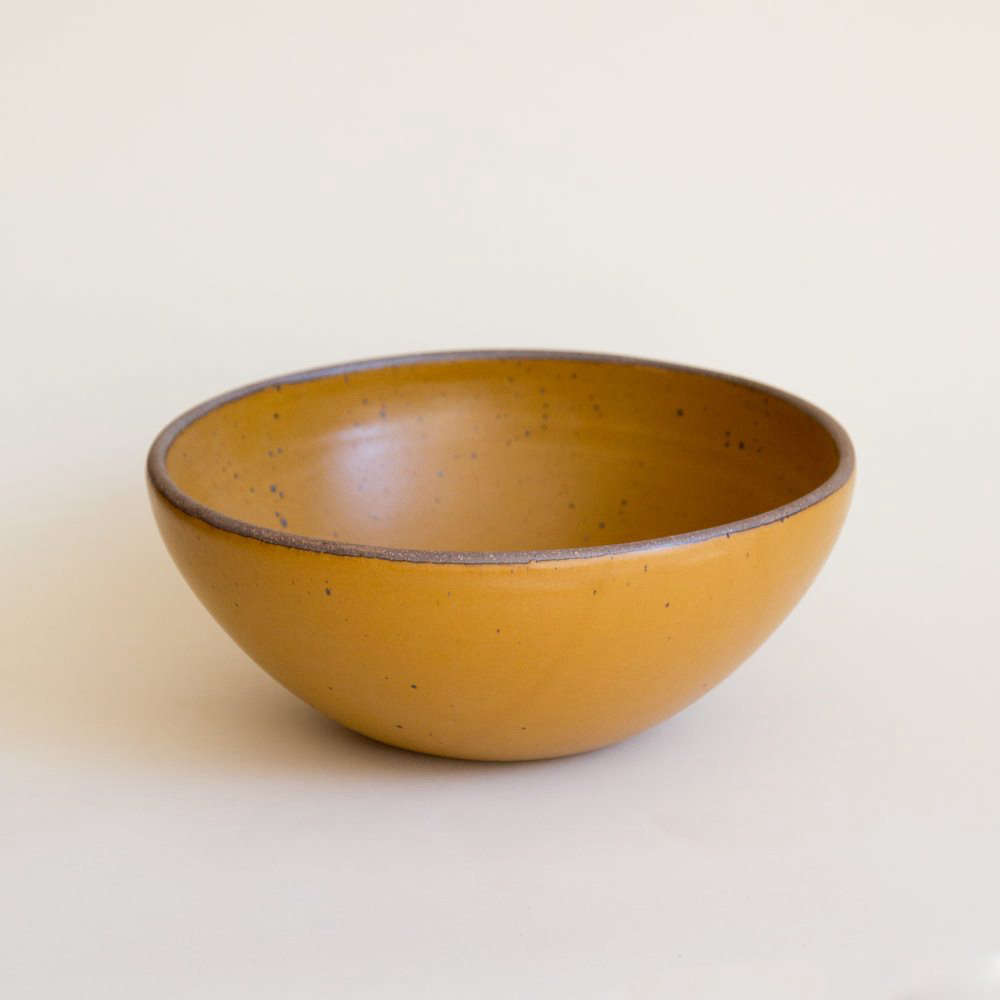
Some kitchen tools do their jobs quietly. A measuring spoon measures, a spatula flips, and a suspiciously expensive garlic press spends most of its life in a drawer wondering what went wrong. Then there is East Fork Pottery’s Potter’s Mixing Bowl, the kind of ceramic workhorse that looks like it wandered out of a potter’s studio, stopped by a bakery, and decided to become the most handsome thing on your counter.
Known today in many retail listings simply as the East Fork Mixing Bowl, this large handmade stoneware bowl belongs to the practical-meets-beautiful world East Fork has built from its Asheville, North Carolina roots. The older “Potter’s Mixing Bowl” name still appears in editorial archives, while current product listings often describe it as a flat-bottomed, generously sized ceramic mixing bowl made for bread dough, pancake batter, cookie dough, fruit, salads, and the sort of casual kitchen chaos that somehow ends in dinner.
It is not just a bowl. It is a statement piece with flour on its shirt. It is a serving dish pretending to be a baking tool. It is a countertop sculpture that will absolutely hold popcorn during a movie night. And yes, it is also a reminder that grown-up kitchens do not need to be filled only with stainless steel, plastic lids, and that one mystery container nobody dares open.
What Is East Fork Pottery’s Potter’s Mixing Bowl?
East Fork Pottery’s Potter’s Mixing Bowl is a large ceramic mixing and serving bowl designed for daily kitchen use. The current East Fork size chart lists the Mixing Bowl at approximately 11.3 inches wide by 4.6 inches tall, with a capacity of about 16 cups, or 128 ounces. That is enough room for two loaves’ worth of bread dough, a heroic batch of pancake batter, a family salad, or a mountain of peaches that makes your kitchen look like a farmers market with better lighting.
The bowl is part of East Fork’s broader bowl family, especially its Potter’s Bowl series, which is described as having steeper sides, rounded bottoms, and flat feet. This shape matters. A bowl used for real cooking needs enough depth to keep ingredients from leaping out like tiny culinary escape artists, but it also needs a stable base. East Fork’s flat-footed design gives the bowl a grounded feel, useful when whisking, folding, tossing, or kneading.
Current listings describe the bowl as lead-free stoneware, hand-finished by artisans in North Carolina, made from regionally sourced clay from the American Southeast, and safe for the dishwasher and microwave. That combination gives it the rare personality of a handmade-looking object that does not demand precious, museum-glove treatment. It is attractive, but it still wants a job.
Why This Bowl Has a Cult-Favorite Feel
East Fork has become known for ceramics that sit somewhere between heirloom and everyday tool. The brand was founded by potters and grew from a traditional wood-fired pottery studio into a Certified B Corporation based in Asheville. Its pottery is often recognized for sturdy silhouettes, earthy glazes, iron-speckled clay, and forms that feel modern without looking sterile.
The Potter’s Mixing Bowl fits that identity perfectly. It is not flashy in the “look at me, I have sixteen features and a Bluetooth app” way. Its charm is quieter. The bowl’s proportions are generous but not silly. The glazes feel grounded and food-friendly. The unglazed rim and natural variation in surface make each piece feel slightly individual, which is exactly the point of buying pottery made by human hands instead of a bowl that looks like it was emotionally assembled by a spreadsheet.
Design and Materials: Built for More Than Shelf Admiration
Lead-Free Stoneware
The bowl is made from lead-free stoneware, a durable ceramic material that works well for everyday dining and food preparation. Stoneware has a reassuring heft. It does not feel flimsy, and it does not skid around like a lightweight plastic bowl when you attack cookie dough with a wooden spoon. That weight can be a benefit during mixing, though it also means this is not the bowl you casually wave around with one finger while pretending to be on a cooking show.
Regional Clay and Iron Speckles
East Fork’s clay body is part of the brand’s visual signature. The small dark freckles seen in many pieces come from iron in the clay and the firing process. Rather than hiding that natural character, East Fork leans into it. The result is a surface that looks alive: subtle, earthy, and slightly unpredictable in the best way.
Flat Bottom, Big Capacity
The flat-bottomed shape makes the bowl useful for mixing heavier ingredients. Bread dough, muffin batter, and cookie dough all need room, and this bowl has it. With a 16-cup capacity, it is large enough for serious prep without entering “where do I store this cauldron?” territory. It can sit on a kitchen island, open shelf, or dining table without looking like a piece of equipment that needs to be hidden before guests arrive.
Best Uses for the East Fork Mixing Bowl
1. Bread Dough
For bread bakers, size matters. A bowl that is too small turns rising dough into a sticky science experiment. The East Fork Mixing Bowl has enough room for mixing and resting dough for two loaves, making it especially useful for weekend baking. The stoneware body also gives the process a pleasantly old-school feel, as if your sourdough starter has finally upgraded its apartment.
2. Pancake and Waffle Batter
A wide, deep bowl is ideal for pancake batter because it gives you space to whisk without repainting your backsplash. The East Fork bowl’s capacity makes it useful for big breakfasts, brunch gatherings, and those mornings when “just two pancakes” becomes “I made enough batter for the neighborhood.”
3. Cookie Dough and Muffin Mixes
For cookie dough, muffin batter, cornbread, banana bread, and quick breads, the bowl offers enough room to fold ingredients without overworking them. Its weight also helps stabilize the bowl as you stir. That is good news for anyone who has ever chased a lightweight bowl across the counter while pretending everything is under control.
4. Salad Serving
This is where the bowl becomes more than bakeware. Fill it with greens, roasted vegetables, citrus, herbs, or a grain salad, and it moves from prep station to dinner table without needing a costume change. A stainless steel mixing bowl may be efficient, but it rarely says, “Welcome, guests, I have my life together.” East Fork’s bowl says exactly that, even if the kitchen sink is currently telling a different story.
5. Fruit Bowl and Countertop Display
When not in active use, the bowl can hold apples, citrus, stone fruit, tomatoes, or onions. This is one of its greatest strengths: it does not have to disappear into a cabinet. It can live in plain sight and make even ordinary produce look like a still-life painting with snacks.
How It Compares With Stainless Steel, Glass, and Plastic Bowls
Professional kitchens often favor stainless steel mixing bowls because they are lightweight, durable, affordable, and excellent for keeping ingredients cold. Glass bowls are useful because they are non-reactive, transparent, and often microwave safe. Plastic bowls are convenient, light, and less nerve-racking around children, pets, or adults who claim they are “great at multitasking” while dropping things.
So where does a handmade ceramic mixing bowl fit? It is not trying to replace every bowl in your kitchen. Instead, it fills a different role: the beautiful, substantial, multipurpose bowl you reach for when the task benefits from room, weight, and presentation. It is less utilitarian than a restaurant-supply stainless bowl, but far more table-ready. It is heavier than plastic, but more elegant. It is less transparent than glass, but warmer and more tactile.
In other words, the East Fork Potter’s Mixing Bowl is not the cheapest or lightest option. It is the bowl you buy when you want function with feeling. It is for people who believe a kitchen tool can earn its keep and still look good doing it.
Color, Style, and the East Fork Palette
East Fork’s color palette is one of the reasons collectors pay attention. Core and seasonal colors have included soft neutrals, earthy browns, blues, greens, and dramatic dark glazes such as Black Mountain. Retail availability changes, but the brand’s overall look tends to stay calm, mineral, and food-friendly.
That matters because a mixing bowl this large becomes part of the room. A bright red plastic bowl may be cheerful, but it also announces itself like a fire truck. East Fork’s colors are quieter. They pair well with wood cutting boards, linen napkins, marble counters, farmhouse tables, modern kitchens, and that one apartment counter where the “backsplash” is mostly ambition.
Who Should Buy East Fork Pottery’s Potter’s Mixing Bowl?
This bowl is a strong choice for home cooks who bake often, host occasionally, and like kitchen tools that can stay visible. It is also a good fit for design-minded cooks who want fewer, better objects rather than stacks of mismatched bowls that tumble out of the cabinet like a sitcom gag.
It makes particular sense for:
- Home bakers who regularly make bread, muffins, pancakes, or cookies.
- People who want a mixing bowl that doubles as a serving bowl.
- Fans of American-made ceramics and Asheville pottery.
- Gift buyers looking for a wedding, housewarming, or milestone kitchen piece.
- Anyone building a warm, intentional kitchen instead of a drawer-based avalanche system.
It may not be the best choice for someone who wants an ultralight bowl, a budget mixing set, or a bowl that can be tossed around without thought. Ceramic is durable, but it is still ceramic. Gravity remains undefeated.
Care and Everyday Maintenance
Current product listings describe the East Fork Mixing Bowl as dishwasher and microwave safe, which makes it far more practical than delicate decorative pottery. Still, good care helps preserve any ceramic piece. Avoid sudden extreme temperature changes, such as moving a very cold bowl into high heat. Use gentle dish soap when washing by hand. If metal utensils leave marks, a mild ceramic cleaner or baking soda paste may help, depending on the glaze and mark.
Because each piece is handmade or hand-finished, small differences in glaze, surface, and shape are normal. These are not flaws in the usual sense. They are part of the object’s character. Think of them as the pottery equivalent of laugh lines: evidence that the piece is alive enough to have a personality.
Is It Worth the Price?
East Fork’s Mixing Bowl is a premium piece. Some current retail listings place it around the luxury end of the mixing bowl category, especially compared with stainless steel or glass sets. That means the value depends on what you expect from it.
If you only need a basic bowl for tossing popcorn, cheaper options will do the job. If you want one large, beautiful, American-made stoneware bowl that can mix dough, serve salad, hold fruit, and live on the counter as part of your kitchen’s visual identity, the value becomes easier to understand.
The real appeal is not that it performs one task better than every other bowl on earth. The appeal is that it performs many tasks while making the kitchen feel more intentional. It turns ordinary routines into small rituals. That sounds dramatic for a bowl, but anyone who has a favorite mug understands immediately.
Buying Tips Before You Choose
Check Current Availability
The exact name, colors, and stock status may vary by retailer. The older Potter’s Mixing Bowl name appears in archived product descriptions, while newer listings often use “Mixing Bowl by East Fork.” Before buying, check dimensions, capacity, color, and return policy.
Think About Storage
At more than 11 inches wide, this is a large bowl. It can fit in many cabinets, but it shines when left out. If you have open shelving or a spacious counter, it becomes easier to justify because it serves as both tool and decor.
Choose a Color You Will Not Tire Of
Seasonal glazes can be tempting, and East Fork fans often love collecting limited colors. For a large foundational piece, consider whether you want a versatile neutral or a statement shade. Either can work, but the best choice is the one that will still make you happy after the honeymoon phase ends and the bowl is full of pizza dough.
Experience Notes: Living With a Bowl Like This
The experience of using East Fork Pottery’s Potter’s Mixing Bowl begins before anything goes into it. You notice the weight first. It does not feel disposable or nervous. It settles onto the counter with the calm confidence of a kitchen object that knows it has rent-controlled real estate in your home. That grounded feeling changes how you cook. When you whisk eggs, stir batter, or fold flour into wet ingredients, the bowl stays put. There is less chasing, less wobbling, and less of that tiny panic that happens when a lightweight bowl starts skating toward the edge of the counter.
For baking, the size is the luxury. A batch of banana bread batter has elbow room. Pancake batter can be whisked without splashing onto your shirt, your counter, and somehow the dog. Bread dough has space to rise without pressing itself against plastic wrap like it is trying to escape. The bowl’s depth makes it feel practical, but its shape keeps it from looking industrial. It is the rare tool that handles messy work and still looks composed afterward.
The second experience is visual. A bowl like this encourages you to leave things out in a good way. A pile of oranges looks brighter. A heap of tomatoes looks more intentional. Even onions gain dignity, which is not easy for onions. When you use the bowl for salad, roasted vegetables, or popcorn, it moves straight from counter to table. There is no need to transfer food into a “nicer” serving dish because this is the nicer serving dish. That saves time, reduces cleanup, and makes dinner feel casually elegant rather than aggressively styled.
There is also a psychological effect. A beautiful mixing bowl can make everyday cooking feel less like a chore and more like a rhythm. Stirring muffin batter on a slow morning, tossing greens before dinner, or setting out fruit after a grocery run becomes a small domestic pleasure. This is not because the bowl has magical powers. It is because objects shape behavior. When a tool is satisfying to use, you reach for it more often. When it looks good on the counter, you keep fresh fruit visible. When it feels sturdy, you trust it with bigger tasks.
Of course, the bowl asks for a little respect. You will not want to fling it into the sink or stack it carelessly under ten other dishes. It has heft, and it is ceramic, so you handle it with awareness. But that is part of its charm. In a kitchen full of fast, cheap, replaceable things, a thoughtfully made bowl slows the pace just enough. It reminds you that cooking is not only about finishing dinner. Sometimes it is about the satisfying scrape of a spoon through dough, the glow of fruit in a deep ceramic bowl, and the small pleasure of using something made with care.
Conclusion
East Fork Pottery’s Potter’s Mixing Bowl is a rare kitchen piece that understands two truths at once: tools should work hard, and everyday objects should be allowed to be beautiful. Its large capacity, lead-free stoneware construction, flat-bottomed stability, and table-ready design make it useful for baking, mixing, serving, and displaying. It is not the most budget-friendly bowl, and it is not the lightest. But for cooks who want a handmade ceramic mixing bowl with character, durability, and a strong sense of place, it earns its counter space with quiet confidence.