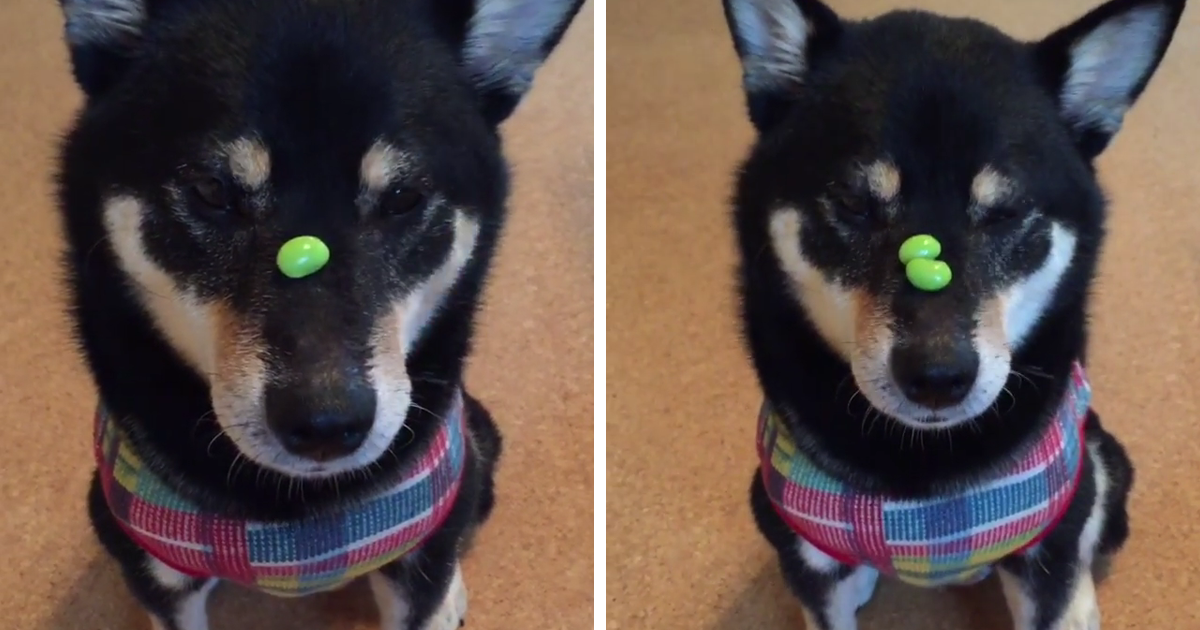
Some dogs fetch. Some dogs sit politely. Some dogs stare into the distance as if remembering a past life as a wolf philosopher. And then there are dogs who can snatch a flying treat out of the air so quickly you wonder if they secretly installed Wi-Fi in their jaws. Welcome to the wonderfully ridiculous, surprisingly skillful world of the Fastest Treat-Catcher Alive.
The phrase became especially popular thanks to viral clips of treat-catching dogs like Miku, a Shiba Inu with ninja-level snack reflexes. One blink, and the treat is gone. A tiny toss becomes a dramatic sports moment. A single biscuit turns into a high-speed chase scene starring one very focused dog and one helpless piece of food.
But behind the comedy is something genuinely fascinating: treat catching combines attention, timing, coordination, motivation, training, and trust. It is not just “dog sees food, dog becomes vacuum cleaner.” A great treat-catcher learns to watch, wait, track movement, and respond at the perfect moment. That makes the trick fun, but also useful for bonding, mental enrichment, and positive reinforcement training.
What Does “Fastest Treat-Catcher Alive” Really Mean?
“Fastest Treat-Catcher Alive” is not an official world title with a referee, stopwatch, and tiny championship belt. It is more of an affectionate internet crown given to dogs with spectacular mid-air snack skills. The best treat-catching dogs make it look effortless. Their eyes lock on. Their body goes still. Their mouth opens at exactly the right time. The treat disappears like it was never there.
The most famous examples are often small, alert, highly expressive dogs. Shiba Inus, for example, are known for their foxlike appearance, confidence, independence, and sharp attention. That does not mean every Shiba Inu is born ready for the Treat-Catching Olympics, but the breed’s quick reactions and expressive personality can make the trick especially entertaining.
Still, any healthy dog can potentially learn to catch treats. Golden Retrievers may do it with cheerful enthusiasm. Border Collies may approach it like a graduate-level physics problem. Beagles may catch the first treat and then spend the next ten minutes investigating whether your pocket contains evidence. The “fastest” dog is not always the biggest or most athletic. Often, it is the dog who understands the game best.
Why Dogs Love Catching Treats
Dogs enjoy treat catching because it checks several boxes at once. First, there is food. That alone is enough to make many dogs file the activity under “excellent life choices.” Second, there is interaction with their favorite human. Third, the game gives them a clear goal: watch, catch, celebrate.
From a training perspective, treats work because they reinforce behavior. When a dog does something and receives a reward immediately afterward, that behavior becomes more likely to happen again. A treat-catching game can strengthen attention, impulse control, and hand-eyeor rather eye-mouthcoordination. The trick also gives high-energy dogs a quick mental workout without requiring a backyard the size of a national park.
However, the key word is game. The dog should enjoy it. A nervous dog, a dog with mouth pain, or a dog who struggles with fast-moving objects should never be forced to participate. The goal is not to create a snack-powered robot. The goal is to build confidence, connection, and maybe capture one hilarious slow-motion video for the family group chat.
The Science of a Perfect Treat Catch
When a dog catches a treat, several small skills work together. The dog must visually track the treat, predict its path, adjust head position, open the mouth at the right moment, and close gently enough to avoid chomping air with the drama of a cartoon shark. It sounds simple until you try tossing a pea-sized snack across the kitchen and your dog watches it bounce off their forehead.
Timing matters. Toss the treat too hard, and it becomes a tiny edible missile. Toss it too high, and your dog may lose interest before gravity finishes the job. Toss it too low, and the treat may hit the floor before your dog understands the assignment. The best throws are gentle, short, and predictable.
Focus matters too. Dogs who know a cue such as “watch me” or “ready” often improve faster because they understand when the game begins. Instead of randomly launching snacks like a chaotic vending machine, you are giving your dog a clear signal: pay attention, something delicious is about to fly.
How to Teach Your Dog to Catch Treats
Step 1: Choose the Right Treat
Use soft, small, easy-to-swallow treats. Training treats should be bite-sized because your dog may receive several during practice. A treat that is too large can slow the game down, increase calories, or create a choking concern. Think tiny cubes of dog-safe food, soft commercial training treats, or small pieces of plain cooked lean meat. Avoid hard biscuits at first because they can bounce off your dog’s face like crunchy little betrayal discs.
Step 2: Start Close
Sit or stand about two feet from your dog. Hold the treat where your dog can see it. Say a cue such as “ready,” then gently toss the treat toward your dog’s mouth. The throw should be soft and easy, almost like you are floating the treat through the air rather than pitching in the World Series.
Step 3: Keep It Positive
If your dog misses, do not scold. Missing is part of the learning process. Some dogs will blink dramatically. Some will turn their head at exactly the wrong second. Some will let the treat land on the floor and then proudly eat it as if that was the plan all along. Stay cheerful. Reset. Try again.
Step 4: Reward Attention, Not Just Catching
At first, praise your dog for watching the treat and staying engaged. A beginner dog may not catch consistently, but attention is the foundation. If your dog looks at you, tracks the treat, or makes an effort, mark the moment with praise. The catch will improve naturally as your dog understands the pattern.
Step 5: Add Distance Slowly
Once your dog can catch from close range, move back a little. Do not rush this part. Fast improvement often comes from tiny changes. A dog who catches perfectly from two feet away may not immediately understand a toss from six feet away. Keep sessions short, upbeat, and easy to win.
Safety First: Not Every Snack Should Fly
A treat-catching game should be safe, not a comedy audition for emergency veterinary care. Use foods that are appropriate for dogs, and avoid anything toxic or risky. Common unsafe foods for dogs include chocolate, xylitol-containing products, grapes, raisins, onions, garlic, alcohol, and caffeinated items. If you are unsure whether a food is safe, do not toss it.
Also consider your dog’s size, age, and health. Puppies may still be learning coordination. Senior dogs may have dental issues, vision changes, or neck stiffness. Dogs with short muzzles, respiratory issues, or swallowing concerns may need a different game. When in doubt, ask your veterinarian what kind of treats and activities are appropriate.
Calorie control matters too. Treats should generally make up no more than 10 percent of a dog’s daily calories. That sounds simple until you realize “just one more” can become “why is the treat bag empty and why is the dog shaped like a loaf of bread?” Use tiny pieces, count treats as part of the daily food plan, and rotate food rewards with praise, toys, petting, or play.
Best Treats for Catching Practice
The ideal catching treat is small, soft, safe, and interesting enough to hold your dog’s attention. Low-calorie commercial training treats are popular because they are designed for repetition. Plain cooked chicken or turkey can also work when cut into very small pieces. Some dogs enjoy tiny bits of dog-safe fruits or vegetables, such as plain green beans or small carrot pieces, although softer options are often easier for beginners.
Avoid greasy, salty, heavily seasoned, or processed human foods. Bacon may smell like a five-star restaurant to a dog, but it is not a great training staple. Also avoid large chunks that encourage gulping. Treat catching is supposed to be quick, not a competitive eating contest judged by squirrels.
Why Shiba Inus Make the Trick Look Extra Dramatic
Shiba Inus have a special advantage in the entertainment department: facial expression. Their bright eyes, compact bodies, curled tails, and alert posture make every trick look like a carefully choreographed anime scene. A Shiba catching a treat can look calm, intense, and mildly judgmental all at once.
That said, Shibas are also famously independent. They may learn quickly, but they may also decide that your training plan is merely a suggestion. This is where positive reinforcement becomes essential. A Shiba Inu is more likely to participate when the game is rewarding, respectful, and fun. Try to boss them around, and you may receive the classic Shiba look: “Interesting proposal. I reject it.”
For independent breeds, short sessions work best. Practice for two or three minutes, celebrate wins, and stop before your dog gets bored. Ending while your dog still wants more keeps the game exciting for next time.
Common Mistakes When Teaching Treat Catching
Throwing Too Hard
The most common mistake is tossing the treat too fast. Your dog is not a baseball glove. A soft toss gives them time to track and succeed.
Using Treats That Are Too Big
Large treats slow training and add unnecessary calories. Small pieces keep the game safe and repeatable.
Training Too Long
Five successful catches are better than twenty tired attempts. Dogs learn best when training feels like a game, not a homework assignment with crumbs.
Practicing in a Distracting Area
Start indoors or in a calm space. If your dog is surrounded by kids, guests, other pets, squirrels, or the mysterious smell under the couch, catching treats may not be their top priority.
How Treat Catching Builds a Better Bond
The best part of the treat-catching trick is not the speed. It is the shared joy. Your dog watches you. You watch your dog. You both learn each other’s timing. When the catch happens, everyone celebrates like your living room just hosted a championship final.
This kind of training builds communication. Your dog learns that paying attention to you leads to good things. You learn how your dog thinks, reacts, and stays motivated. Over time, that can support other behaviors too, such as recall, focus, and impulse control.
It also gives dogs mental enrichment. Many behavior experts emphasize that dogs need more than food, shelter, and walks. They need activities that challenge their brains and strengthen their relationship with humans. A simple treat-catching game can become a mini training session, a confidence booster, and a boredom breaker.
Turning Your Dog Into a Treat-Catching Star
If your dog becomes impressive, you may be tempted to film the trick. Excellent idea. Use slow motion if your phone has it. Treat catching often happens so quickly that regular video misses the funniest details: the laser focus, the tiny head tilt, the dramatic snap, the proud “yes, I am gifted” expression afterward.
Keep filming sessions short. Never pressure your dog to repeat the trick endlessly just to get content. The internet does not need another stressed pet video. It needs joyful, safe, goofy moments where the dog is clearly having fun.
You can also add variations once your dog is confident. Try a “wait” before the toss. Toss from slightly different angles. Use a cue like “catch.” Practice with a toy instead of food to reduce treat calories. Some dogs even learn to catch gently tossed popcorn-shaped dog treats, soft toys, or pieces of kibble. Always prioritize safety and comfort over difficulty.
Real-Life Experiences With the “Fastest Treat-Catcher Alive” Game
The first thing most owners discover is that treat catching looks easier online than it is in real life. Viral dogs make it seem as if every pet is born with built-in snack radar. Then you try it at home, and your dog lets the treat bounce off their nose, land on the rug, and only then realizes food has entered the atmosphere. This is normal. In fact, it is half the fun.
One common experience is the “forehead phase.” During this stage, the dog watches the treat, understands something exciting is happening, and still fails to open their mouth on time. The treat taps their face lightly, falls down, and the dog eats it from the floor with complete confidence. Owners often laugh, dogs remain proud, and the training continues. The key is to keep the mood happy. A dog who feels safe being silly will learn faster than a dog who feels corrected for every miss.
Another experience is discovering your dog’s preferred snack style. Some dogs become treat-catching champions for soft chicken but suddenly forget all motor skills for dry biscuits. Others only perform when the treat smells exciting. Many owners learn that tiny, soft, high-value rewards are the magic ticket. The treat needs to be interesting enough to focus on but small enough that the dog can catch and swallow it quickly.
Owners also notice that the trick improves communication. At first, the human tosses randomly and the dog reacts randomly. After a few sessions, both sides get better. The owner learns the right height, speed, and distance. The dog learns the cue, the timing, and the pattern. Suddenly, the game feels like teamwork. The dog is not just catching food; they are reading their person.
There is also a confidence effect. Shy dogs may start cautiously, unsure whether the flying snack is a gift or a suspicious object with crumbs. But when the game stays gentle and positive, many dogs begin to brighten. They watch more closely. They lean forward. They try again. That little moment of “I did it!” can be surprisingly meaningful, especially for dogs who need low-pressure enrichment.
For energetic dogs, treat catching can become a quick indoor activity on rainy days. It will not replace walks, sniffing, play, or proper exercise, but it can take the edge off boredom. A few minutes of focus work can leave a dog calmer because their brain has been engaged. For busy owners, that makes the trick practical as well as adorable.
The funniest experience, of course, is the personality reveal. Some dogs catch with athletic seriousness. Some leap like tiny superheroes. Some open their mouths too early and look shocked when gravity continues doing gravity things. Some dogs miss once, then stare at the human as if the throw was obviously defective. These tiny reactions are why the “Fastest Treat-Catcher Alive” idea remains so charming. It is not just about speed. It is about the dog’s character shining through a snack-sized moment.
Eventually, many owners realize that the real prize is not creating a viral star. The real prize is having a shared ritual. A cue, a look, a toss, a catch, a laugh. The treat disappears in half a second, but the bond lasts much longer.
Conclusion: Long Live the Treat-Catching Champion
The title Fastest Treat-Catcher Alive may have started as an internet joke, but it captures something dog lovers understand perfectly: dogs can turn the smallest everyday moment into a spectacle. A tiny treat becomes a challenge. A kitchen becomes an arena. A regular dog becomes a snack-snatching legend.
With the right treats, gentle training, safe food choices, and positive reinforcement, many dogs can learn to catch treats in mid-air. Some will become fast. Some will become funny. Some will specialize in missing dramatically and cleaning the floor afterward. All of them can enjoy the game when it is taught with patience and care.
So whether your dog is the next Miku-level superstar or simply the fastest crumb detector in your house, celebrate the effort. Keep the treats small, the sessions short, the praise big, and the camera ready. Greatness may be only one soft toss away.