During the COVID-19 surge, medical students found themselves in one of the strangest positions in modern medical education: trained enough to help, not yet licensed to practice independently, eager to serve, andlet’s be honeststill trying to remember where the hospital keeps the extra gloves. The pandemic did not simply interrupt medical school; it forced every school, hospital, public health department, and student to ask a serious question: what should medical students do when the health system is under pressure?
The answer is not “throw everyone into the ICU and hope anatomy lab confidence translates into ventilator mastery.” The better answer is more thoughtful. Medical students can play a meaningful role during a COVID-19 surge when their work is voluntary, supervised, safe, ethical, educational, and matched to real community needs. Their role may include telehealth support, public health outreach, vaccination work, contact tracing, patient education, research assistance, care coordination, logistical support, and, for graduating students who meet requirements, early transition into physician roles under appropriate licensing rules.
In short, medical students are not decorative stethoscope holders. They are future physicians with useful skills, energy, and a strong sense of duty. But they are also learners who deserve protection, supervision, and clear boundaries.
Why the Role of Medical Students Became So Complicated
At the start of the pandemic, many U.S. medical schools paused clinical rotations. The reason was not that students suddenly became unhelpful. It was because COVID-19 created serious concerns about personal protective equipment, viral transmission, patient safety, and whether students could receive meaningful education in chaotic clinical environments.
Hospitals were conserving masks, gowns, gloves, face shields, and testing supplies. Every extra person in a clinical area potentially used equipment and increased exposure risk. Medical students, unlike residents and attending physicians, are not essential to staffing in the same way. They learn by participating in care, but they cannot replace licensed clinicians. During a surge, that distinction matters.
Yet removing students from hospitals created another problem: medical students wanted to help. Many had useful skills in communication, documentation, patient counseling, language interpretation, basic clinical reasoning, and technology. They also had something every overwhelmed health system desperately needed: time. The challenge was to channel that time into roles that helped patients without turning students into undertrained emergency substitutes.
The Core Principle: Helpful, Safe, Supervised Service
The best framework for medical student involvement during a COVID-19 surge is simple: students should serve where they can add value without creating unnecessary risk. That means three questions should guide every role.
1. Does the task meet a real health system need?
A role should not exist just so students can feel useful. During a surge, hospitals and public health agencies need practical support. Examples include calling patients with positive tests, helping clinics reschedule delayed visits, staffing vaccine clinics, preparing patient education materials, organizing PPE donations, or assisting with data entry for public health programs.
2. Can the student do it safely and competently?
Medical students have different levels of training. A first-year student who just learned the brachial plexus should not be treated like a senior resident. A fourth-year student who has completed core clerkships may be able to support telehealth visits, gather histories, or help with discharge follow-up under supervision. Competence, not enthusiasm, should determine responsibility.
3. Is the role supervised and voluntary?
Students should not be pressured into risky work to prove dedication. Medicine already has enough “character-building experiences” that mostly build sleep debt. During a pandemic, student work should be clearly voluntary, supervised by faculty or trained professionals, and supported with appropriate PPE, training, and mental health resources.
Major Roles Medical Students Can Play During a COVID-19 Surge
Telehealth Support and Remote Patient Follow-Up
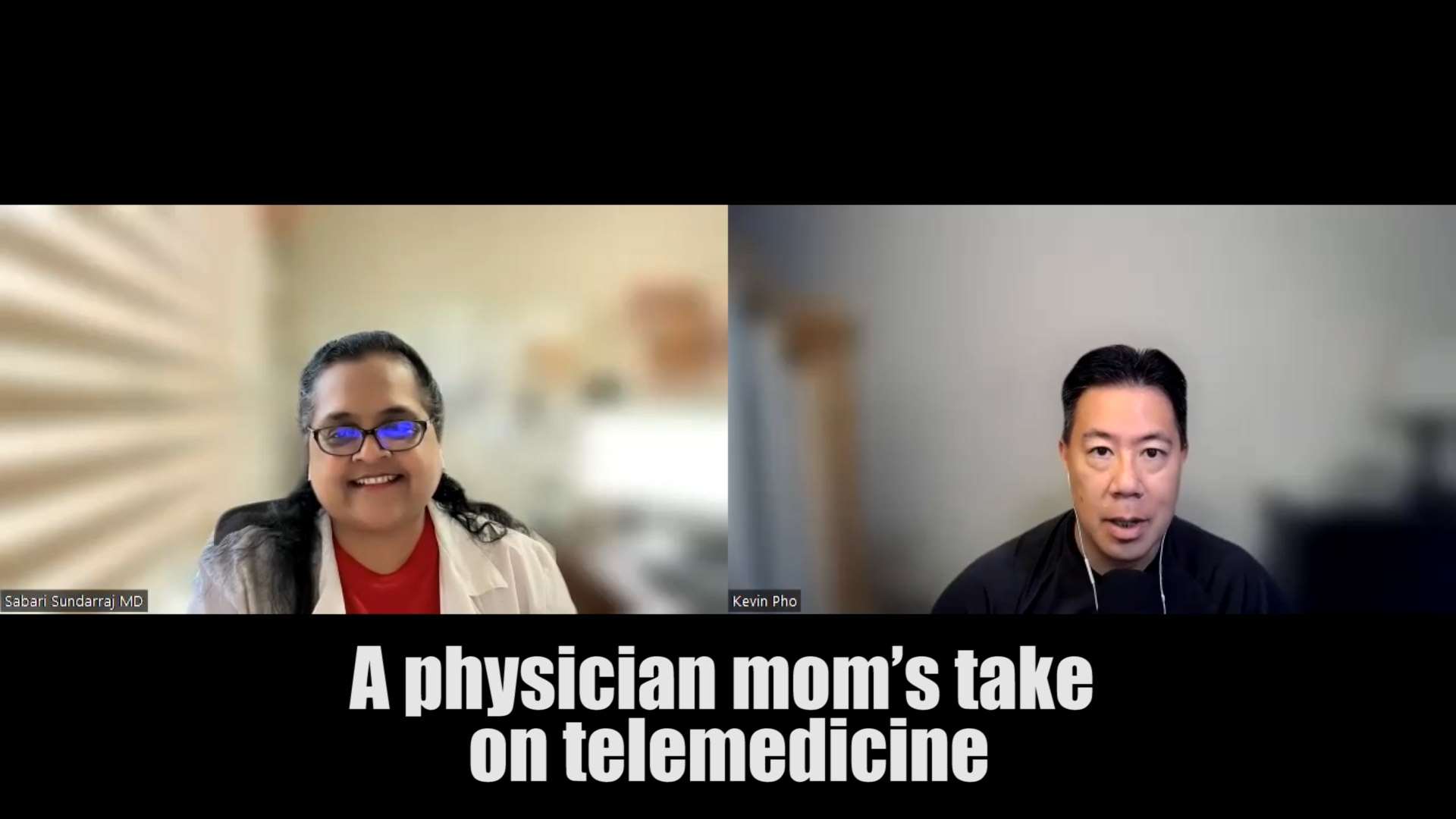
Telehealth became one of the most important tools of pandemic care. Medical students helped by calling patients recovering at home, checking symptoms, reviewing warning signs, and escalating concerns to clinicians. For patients with COVID-19, a well-structured follow-up call could identify worsening shortness of breath, persistent fever, confusion, dehydration, or difficulty accessing medication.
Students could also assist with chronic disease check-ins. During surges, many patients delayed care for diabetes, hypertension, heart disease, cancer screening, and mental health concerns. Medical students helped clinics identify patients who needed follow-up, medication refills, home monitoring, or transportation support. That may not sound dramatic, but preventing a diabetic crisis or catching medication gaps is exactly the kind of quiet work that keeps people out of the emergency department.
Contact Tracing and Public Health Outreach
Contact tracing was a major public health strategy early in the pandemic. Medical students, especially those trained in epidemiology and communication, helped call exposed individuals, explain quarantine recommendations, connect people to testing, and answer basic questions. The work required patience, clarity, and the ability to explain risk without sounding like a government robot reading from a laminated script.
Even when broad contact tracing became harder during massive surges, targeted outreach remained useful in high-risk settings such as long-term care facilities, shelters, correctional facilities, and group living environments. Students could support public health teams by organizing data, preparing educational materials, and helping people understand isolation guidance.
Vaccination Clinics
Once vaccines became available, medical students played an important role in vaccination efforts. Depending on state rules, school policy, and training, students helped register patients, screen for contraindications, observe people after vaccination, document doses, provide education, and, in some settings, administer vaccines under supervision.
This role matched student skills well. It combined public health, patient communication, basic clinical procedure, and community service. It also gave students direct experience with vaccine hesitancy. Many learned that people rarely change their minds because someone throws statistics at them like confetti. Trust, listening, and respectful conversation matter.
Patient Education and Myth-Busting
The COVID-19 surge was also an information surge. Patients faced a blizzard of confusing claims about masks, tests, isolation, treatments, vaccines, and “miracle cures” promoted by people whose medical credentials were usually a ring light and a dramatic caption.
Medical students helped create plain-language materials, answer hotline questions, translate public health recommendations, and share accurate information through clinics, community groups, and social media. This work was especially important for communities facing language barriers, limited internet access, distrust of medical systems, or high exposure risk due to work and housing conditions.
Supporting Isolated Patients and Families
COVID-19 hospital precautions often kept families away from patients. Medical students helped bridge that emotional gap by coordinating video calls, updating families under supervision, collecting tablets or chargers, and helping patients communicate with loved ones. In a pandemic defined by isolation, this kind of support was not “extra.” It was humane care.
A student helping a patient FaceTime a spouse might not make headlines, but it could be the most meaningful moment of the day for that family. Medicine is not only oxygen saturation and lab values; it is also making sure people do not feel abandoned behind a closed hospital door.
Research and Data Support
COVID-19 created urgent research questions. Which treatments worked? Which patients were at highest risk? How did social conditions affect outcomes? What happened when elective care was delayed? Medical students contributed to chart reviews, literature summaries, data collection, quality improvement projects, and public health dashboards.
Research roles were often remote and therefore safer. They also gave students a front-row seat to evidence-based medicine in real time. Guidelines changed as evidence changed, which was unsettling but educational. Students saw science doing what science does best: updating itself, occasionally with the elegance of a group project submitted two minutes before midnight.
Logistical and Community Support
Many students organized grocery delivery, childcare, PPE drives, transportation help, blood donation campaigns, and support services for frontline workers. These tasks may seem outside traditional medical training, but they addressed real barriers. A nurse who has childcare can work a shift. A patient who receives food can isolate safely. A clinic with organized supplies can function more smoothly.
During a surge, health care is not limited to bedside care. It includes everything that keeps patients, clinicians, and communities stable.
Should Medical Students Provide Direct Patient Care?
The most debated question is whether medical students should care directly for patients during a COVID-19 surge. The answer depends on timing, local conditions, student level, PPE availability, supervision, and the specific clinical task.
Direct care may be appropriate when students have adequate training, proper protective equipment, clear supervision, and a defined educational purpose. For example, senior students might take histories, help with documentation, assist in telehealth-supported inpatient communication, or participate in non-COVID care areas where risk is controlled.
Direct care is not appropriate when students are used as replacement staff, asked to work beyond their competence, denied PPE, or placed in high-risk settings without strong justification. A surge does not erase educational ethics. Students are not spare parts in the hospital machine.
Early Graduation: A Special Case
During severe early surges, some medical schools allowed eligible fourth-year students to graduate early. These graduates were no longer acting as medical students; they became physicians entering supervised roles, often before the usual residency start date. This approach helped some hospitals expand their workforce during a crisis.
Early graduation should be handled carefully. Students must meet graduation requirements, choose the pathway voluntarily, receive appropriate licensing or temporary authorization, and be placed in roles with supervision. The goal is not to rush people into danger. The goal is to responsibly move qualified graduates into the workforce when the need is urgent and the structure is ready.
Ethical Issues: Duty, Safety, and Fairness
Medical students often feel a strong duty to serve. Many entered medicine because they wanted to help in moments exactly like a pandemic. But duty is not one-sided. Institutions also have duties to students.
Schools and hospitals should provide training, PPE, supervision, mental health support, disability accommodations, and freedom from coercion. Students with health risks, family caregiving responsibilities, pregnancy, immune compromise, or other vulnerabilities should not be penalized for declining in-person roles. Courage in medicine should never be measured by willingness to ignore personal safety.
Fairness also matters. Some students could volunteer because they had financial stability, safe housing, and family support. Others could not. A good medical school recognizes these differences and creates multiple ways to contribute, including remote work.
How Medical Schools Can Build Better Surge Roles
Create a Student Response Corps
Several institutions developed student response teams to match volunteers with vetted opportunities. This model works because it prevents chaos. Instead of hundreds of students independently emailing exhausted administrators, one organized group can collect needs, train volunteers, track hours, and communicate expectations.
Use Tiered Roles Based on Training Level
Preclinical students can help with education, logistics, research, and community outreach. Clinical students can support patient follow-up, telehealth intake, vaccine clinics, and care coordination. Graduating students may take on more advanced supervised roles if they meet requirements. A tiered system keeps enthusiasm aligned with competence.
Make Education Part of Service
Service during a surge should still teach. Students can learn disaster medicine, public health, health equity, communication, ethics, epidemiology, and systems-based practice. Reflection sessions, faculty debriefings, and structured feedback can turn emergency service into professional growth.
What Medical Students Learn During a Surge
The COVID-19 surge taught lessons that no textbook could fully capture. Students learned how fragile hospitals can become when demand spikes. They saw how misinformation affects patient behavior. They watched health inequities widen under pressure. They learned that public health is not an abstract lecture topic; it is the difference between a manageable outbreak and a flooded emergency department.
They also learned humility. Medicine during a pandemic did not offer perfect answers. Guidelines evolved. Treatments changed. Clinicians had to communicate uncertainty without losing trust. For future physicians, that lesson is priceless.
What Is the Best Role for Medical Students During the COVID-19 Surge?
The best role is not one role. It is a menu of responsible options. Medical students can help most when schools and health systems place them where their skills match the need: telehealth, outreach, vaccination, education, research, care coordination, and supervised clinical support when appropriate.
The guiding principle should be this: medical students should be included in the pandemic response, but not exploited by it. They should be protected, trained, respected, and allowed to serve in ways that benefit patients while preserving their education and safety.
Real-World Experiences: What It Felt Like for Medical Students During the COVID-19 Surge
For many medical students, the COVID-19 surge felt like standing outside a burning building while holding a bucket, a textbook, and a permission slip. They wanted to run in. They also knew that running in without training could make things worse. That tension shaped the student experience across the United States.
One common experience was the abrupt shift from hospital hallways to laptop screens. Students who expected to spend the spring learning physical exams suddenly found themselves in virtual lectures, telehealth training, and online case discussions. Some joked that they had become “Zoom School of Medicine” students, but the frustration was real. Clinical education depends on human contact, and COVID-19 made human contact risky.
Still, many students found purpose through service. A third-year student assigned to remote COVID-19 follow-up might begin the day with a list of patients recovering at home. The calls could be simple at first: “How is your breathing? Do you have a thermometer? Are you able to drink fluids?” But the conversations often became deeper. Patients worried about infecting grandparents, missing work, paying rent, or not knowing when to seek emergency care. Students learned that medical advice only works when it fits the patient’s life.
At vaccine clinics, students experienced a different kind of education. They saw relief, fear, suspicion, gratitude, and confusionsometimes in the same person. A patient might ask whether the vaccine could cause infertility, whether side effects meant danger, or whether vaccination mattered after infection. Students had to practice calm, respectful communication. The best answer was rarely a lecture. It was usually, “Tell me what you’ve heard, and let’s talk through it.”
Some students helped families connect with hospitalized loved ones. These moments were emotionally heavy. A student might hold a tablet while a patient whispered to a daughter or while a family sang through a screen. The student was not prescribing medication or adjusting oxygen. But they were helping preserve dignity, memory, and connection. Many future doctors carried those moments with them long after the surge eased.
Other students worked behind the scenes. They built spreadsheets for PPE donations, translated patient handouts, delivered groceries to quarantined families, or helped clinics call patients whose appointments had been canceled. These roles taught an important lesson: health care is a team sport, and not every winning play happens at the bedside.
The experience also exposed students to moral distress. Some felt guilty for staying home while residents and attendings worked dangerous shifts. Others felt anxious about being asked to return to clinical spaces without enough information. Students with vulnerable family members had to weigh service against the possibility of bringing infection home. The pandemic made professional identity formation painfully real. Becoming a doctor was no longer an inspirational admissions essay theme; it was a daily negotiation between duty, safety, fear, and service.
For graduating students who entered the workforce early, the experience was even more intense. They moved from student status into physician responsibility during a historic emergency. They needed supervision, teamwork, and emotional support. Many discovered that medicine is not about knowing everything; it is about knowing when to ask for help, how to communicate clearly, and how to keep showing up without pretending to be invincible.
In the end, the COVID-19 surge gave medical students a harsh but powerful education. It showed them that physicians must understand science, systems, ethics, communication, and community trust. It taught them that public health is not separate from clinical care. It reminded them that medicine is both technical and deeply human. And yes, it probably also taught them to appreciate a properly fitted N95 mask more than any normal person should.
Conclusion
The role of medical students during the COVID-19 surge was not to act as emergency replacements for trained clinicians. Their role was to serve wisely. When properly trained and supervised, medical students supported telehealth, contact tracing, vaccination, patient education, research, care coordination, family communication, and community outreach. In some cases, qualified final-year students graduated early and entered supervised physician roles.
The pandemic revealed that medical students are more than learners waiting for permission to matter. They are capable contributors to health systems, especially when institutions design roles that are safe, ethical, educational, and genuinely useful. The best approach respects both sides of their identity: they are future doctors with a duty to serve, and they are students with a right to protection, training, and meaningful education.
Note: This article is written for educational and informational purposes. It should not replace official guidance from medical schools, hospitals, public health agencies, licensing boards, or professional medical organizations.