Dry eye sounds like a tiny problem until it turns your eyeballs into grumpy raisins. One minute you are answering emails, scrolling your phone, or pretending to enjoy air-conditioning. The next minute your eyes sting, burn, blur, and act like blinking is now an extreme sport. That is where dry eye gel drops enter the chat.
These thicker lubricating drops are designed to stay on the eye longer than standard artificial tears. In plain English, they are the clingy friends of the eye-care world, and for once, clingy is a good thing. Dry eye gel drops can offer longer-lasting relief, especially when regular drops seem to disappear faster than your motivation on a Monday morning.
This guide explains what dry eye gel drops do, who they help, how to use them, possible side effects, common interactions, and when it is time to stop self-treating and see an eye doctor. If you have ever stood in the pharmacy aisle squinting at fifteen nearly identical boxes, welcome. You are in the right place.
What are dry eye gel drops?
Dry eye gel drops are lubricating eye products made to relieve dryness, irritation, grittiness, and discomfort caused by an unstable tear film. They are usually thicker than regular artificial tears but lighter than ointments. That middle-ground texture is exactly why many people like them: they last longer than watery drops without feeling quite as greasy as nighttime ointment.
Most dry eye gel drops are over-the-counter lubricants. They do not “cure” dry eye disease, but they can protect the eye’s surface, reduce friction, and make the eyes feel more comfortable. Some formulas contain ingredients that attract and hold moisture, while others create a protective coating that slows tear evaporation.
In short, gel drops are usually about symptom relief. They are not the same thing as prescription anti-inflammatory dry eye medicines, antibiotic eye drops, or allergy drops. Think of them as support staff, not the full legal team.
What do dry eye gel drops help with?
1. Temporary dry eye symptoms
Gel drops are commonly used when eyes feel dry because of wind, screen time, smoke, low humidity, airplane travel, aging, or long hours in heated or air-conditioned rooms. If your eyes feel scratchy at the end of the day, a lubricating gel may help them calm down.
2. Moderate dryness that outlasts standard drops
Some people try regular artificial tears and feel better for about six minutes and forty-three seconds. If that sounds familiar, gel drops may be a better fit. Their thicker consistency usually helps the product stay on the eye longer, which can reduce the need for constant reapplication.
3. Overnight or early-morning dryness
Dry eye often feels worse at night or right after waking up. That is because the eye surface can dry out during sleep, especially in people who do not fully close their eyelids or who have meibomian gland dysfunction. Many people use regular drops during the day and switch to gel drops in the evening for longer-lasting coverage.
4. Dry eye linked to certain health conditions
Dry eye may also occur alongside blepharitis, Sjögren syndrome, thyroid disease, diabetes, autoimmune conditions, hormonal changes, or medication use. In these situations, gel drops may still help with comfort, but they usually work best as part of a bigger treatment plan rather than as the whole plan.
Dry eye gel drops vs. regular drops vs. ointments
This is where the pharmacy shelf gets unnecessarily dramatic.
Regular artificial tears are thinner and are often best for daytime use when you need quick relief without much blur.
Gel drops are thicker, last longer, and are often a smart choice for people whose eyes dry out quickly or who want something more substantial, especially in the evening.
Ointments are the heaviest option. They can be excellent at bedtime but often blur vision more noticeably, so they are not ideal right before driving, working, or reading tiny text on a screen that already hates you.
If you want a practical rule of thumb, use lighter products when you need clear daytime vision and thicker products when comfort matters more than visual sharpness for the next little while.
How to use dry eye gel drops correctly
Wash your hands first
Yes, always. Eye products and dirty hands are a terrible pairing. Start with clean hands before touching the bottle or your eyelids.
Do not touch the tip
The tip of the bottle should not touch your eye, lashes, fingers, counter, sink, or any mysterious household surface. Contaminated eye drops can become unsafe, and eye product recalls have made this more than a theoretical concern.
Use the right technique
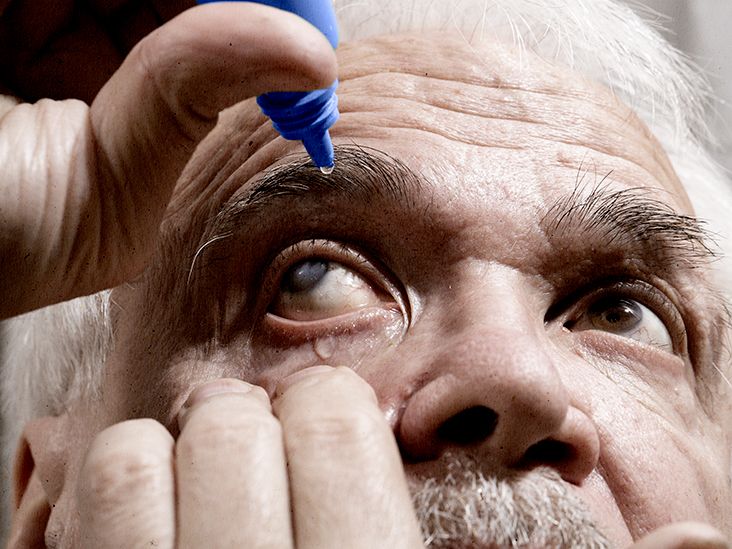
Tilt your head back, pull down the lower eyelid to create a small pocket, and place the gel drop there. Close your eyes gently for a minute or two. Do not blink aggressively like you are trying to send Morse code with your eyelashes.
Space out other eye medications
If you use more than one eye drop, separate them by at least 5 minutes unless your doctor gives different instructions. That helps keep the second drop from washing out the first one. Some prescription dry eye medicines, such as cyclosporine products, may need a longer gap from lubricant drops, often about 15 minutes.
Be careful with contact lenses
Many eye products should not be placed directly onto contact lenses unless the label specifically says they are contact-lens compatible. Some preservatives can irritate the eye or lens surface. In many cases, it is best to remove contacts, use the drop, and wait before reinserting the lenses according to the product directions or your clinician’s advice.
Common side effects of dry eye gel drops
Most lubricating gel drops are well tolerated, but “well tolerated” does not mean “you will feel absolutely nothing and float away on a cloud.” Mild side effects can happen.
Temporary blurry vision
This is one of the most common complaints, especially with thicker gels. It usually passes, but it is a good reason not to use gel drops right before driving, biking, or doing anything that requires crisp vision. If you need fast visual clarity, a thinner daytime drop may be a better choice.
Mild burning, stinging, or irritation
Some people notice brief stinging after application. That can happen with dry, inflamed eyes even when the product itself is appropriate. If the sensation is strong, persistent, or gets worse over time, the formula may not agree with you.
Stickiness or residue
Because gel drops are thicker, they can leave a temporary sticky feeling or slight residue on the lashes. Glamorous? No. Usually dangerous? Also no.
Sensitivity to preservatives
If you use lubricating drops frequently, preservatives can become irritating for some people. That is one reason preservative-free formulas are often recommended for people who need drops several times a day.
Allergic reaction
This is uncommon, but possible. Stop using the product and get medical advice if you develop swelling, intense redness, rash, significant itching, or worsening discomfort after use.
When side effects are not “normal” anymore
Call an eye doctor promptly if you develop:
- Eye pain rather than simple irritation
- Vision changes that do not clear quickly
- Discharge, pus, or crusting that suggests infection
- Worsening redness
- Symptoms that continue despite treatment
- Dry eye that becomes frequent, severe, or one-sided
Dry eye can sometimes mimic other problems, including allergy, infection, eyelid disease, corneal injury, or inflammatory eye disease. If your eyes are behaving like they are auditioning for a medical drama, do not keep guessing from aisle seven at the pharmacy.
Do dry eye gel drops have interactions?
Dry eye gel drops generally have fewer whole-body drug interactions than oral medicines because they act mostly on the eye surface. Still, “few interactions” is not the same as “zero things to think about.”
Interactions with other eye drops
This is the big one. Using several eye products too close together can dilute them, wash them out, or make it hard to know which one is causing irritation. Lubricants, glaucoma drops, antibiotic drops, steroid drops, allergy drops, and prescription dry eye treatments may all need spacing.
A simple strategy is this: use thinner drops first, wait several minutes, and place thicker gels later. If you use both a prescription dry eye medicine and gel lubricant, follow the prescription instructions carefully. Some products specifically recommend at least a 15-minute interval from artificial tears.
Interactions with contact lenses
This is not a classic drug interaction, but it absolutely matters. Some gel drops are not ideal with contact lenses because of preservatives or thickness. If your eyes feel dry in lenses every day, that may mean the lens fit, lens material, wear schedule, or underlying dry eye needs attention, not just more drops.
Interactions with ingredients you are sensitive to
If you have reacted badly to a preservative, lubricant base, or additive before, read labels carefully. A product that works beautifully for one person may irritate another person’s eyes almost immediately.
Interactions with the cause of your dry eye
Here is the sneaky part: some systemic medications can make dry eye worse. Common examples include certain antihistamines, decongestants, antidepressants, blood pressure medicines, acne treatments, and hormone-related medications. In that situation, your gel drops may not “interact” with the drug in a pharmacy-textbook sense, but the medication may still be contributing to your symptoms.
How to choose the best dry eye gel drops
Pick based on timing
If your eyes bother you mainly while working or driving, a regular lubricating drop may be more practical during the day, with gel drops reserved for evening or bedtime.
Consider preservative-free formulas
If you use drops often, preservative-free options may be gentler. They are especially worth considering if your eyes feel irritated by standard products or if you need frequent reapplication.
Match the product to the type of dryness
Some people have more evaporative dry eye, often linked to poor oil gland function in the eyelids. Others have reduced tear production. You do not need to diagnose this alone, but if one type of product keeps disappointing you, an eye care professional can help match the formula to the problem.
Avoid buying blindly during a recall headline
Eye-drop safety has received more attention in recent years for a reason. Buy from reputable sources, check packaging, do not use products with damaged seals, and keep an eye on FDA safety alerts if you hear about a recall.
When gel drops are helpful, but not enough
If you are using gel drops all the time and still miserable, the issue may be bigger than surface dryness alone. Persistent dry eye may need professional evaluation and treatments such as prescription anti-inflammatory drops, eyelid hygiene, warm compresses, punctal plugs, treatment for blepharitis or meibomian gland dysfunction, or management of an underlying medical condition.
That does not mean your gel drops failed. It just means they may be one tool in the toolbox, not the entire hardware store.
Common experiences people have with dry eye gel drops
One of the most relatable things about dry eye gel drops is that people often try them after reaching the end of their patience with regular artificial tears. The typical story goes something like this: a person starts with standard drops, feels relief for a short time, then finds themselves reapplying again and again throughout the day. Eventually, they move to a gel formula because they want something that lasts longer and feels more protective.
A very common first impression is, “Oh, this is thicker than I expected.” That is not a bad sign. In fact, the slightly heavier texture is the whole point. Many users say the eye feels more cushioned after a gel drop, almost as if the surface is finally being covered instead of merely splashed. The relief is often most noticeable in the evening, after long screen use, or first thing in the morning when the eyes feel dry, sticky, or irritated.
Another extremely common experience is temporary blurry vision right after application. This can surprise first-time users, especially if they expected a gel drop to behave exactly like a watery lubricant. The blur usually clears, but it is one reason many people prefer gel drops at bedtime or after work rather than right before driving. In real life, people often end up using thinner drops during the day and thicker gels at night because that balance gives them the comfort they want without messing up their visual routine.
People who wear contact lenses often describe a trial-and-error phase. Some realize their dryness is worse during lens wear, while others learn that the timing of their drops matters as much as the product itself. They may remove lenses, use the gel, wait, and then reinsert the lenses later if the product directions allow it. For some, that helps. For others, it becomes obvious that the lens fit or schedule needs attention too.
Frequent users also tend to notice differences between preserved and preservative-free products. A person may do fine with a preserved gel once in a while, then start using it several times a day and wonder why the eyes feel more irritated. That is often when preservative-free options start looking much more appealing. Many people report that switching to preservative-free products makes repeated use feel gentler.
There is also the emotional side of dry eye that does not get enough attention. Chronic eye irritation is distracting, exhausting, and surprisingly disruptive. People often say it affects reading, working, sleep, and mood more than they expected. When a gel drop works well, the benefit is not just physical relief. It is the feeling of getting part of your day back.
At the same time, many users learn an important lesson: needing gel drops constantly is often a sign to get evaluated, not just keep buying bigger boxes. When symptoms persist, the “experience” shifts from convenient self-care to a clue that something more is going on. That moment matters. It is often the point where better treatment begins.
Final takeaway
Dry eye gel drops can be a smart, effective option for people who need more staying power than standard artificial tears provide. They are especially useful for moderate dryness, evening symptoms, overnight dryness, and eyes that seem to dry out the second life becomes inconvenient. The trade-off is that they may blur vision temporarily and may not play nicely with contacts or frequent use if preservatives are involved.
The best approach is simple: use the right product for the right time of day, apply it cleanly, space it properly from other eye medicines, and pay attention to warning signs. If your eyes are only occasionally cranky, gel drops may be enough. If your symptoms are persistent, painful, or getting worse, let an eye care professional take it from there.
Your eyes do a lot for you. The least we can do is stop treating them like they are supposed to survive twelve hours of screens, dry air, and zero blinking without filing a complaint.