Medical clinics exist to make people healthier, but they also bring together coughing children, adults with mysterious rashes, busy healthcare workers, and enough shared door handles to make a germ feel like it has won the lottery. Fortunately, visiting a clinic does not automatically mean bringing home an unwanted microbial souvenir.
Patients can reduce their exposure by combining good hand hygiene, respiratory precautions, smart scheduling, and a willingness to speak up when something does not look right. Meanwhile, medical offices should use Standard Precautionsincluding hand hygiene, personal protective equipment, safe injection practices, environmental cleaning, and proper handling of reusable equipmentfor every patient, regardless of whether an infection has already been diagnosed.
Here is how to avoid germs in medical clinics without treating the waiting room like the opening scene of a disaster movie.
Why Germ Prevention Matters in Medical Clinics
Clinics serve people with many different health conditions. Some visitors may have influenza, COVID-19, RSV, stomach viruses, bacterial infections, or illnesses that have not yet been diagnosed. Others may be receiving chemotherapy, taking immune-suppressing medications, recovering from surgery, or living with chronic conditions that make infections more dangerous.
Germs can spread through several routes. Respiratory viruses may travel through the air or through droplets released when people breathe, talk, cough, or sneeze. Other organisms can be transferred by contaminated hands, medical equipment, needles, bodily fluids, or frequently touched surfaces. Infection prevention therefore works best as a layered strategy rather than a single heroic squirt of hand sanitizer.
Healthcare-associated infections remain a major patient-safety concern across the United States. Although much of the national data focuses on hospitals, the same basic prevention principles apply to outpatient offices, urgent-care centers, dental practices, imaging facilities, and specialty clinics.
Before the Appointment: Prepare for a Cleaner Visit
Tell the Clinic About Infectious Symptoms
When scheduling or confirming an appointment, report symptoms such as fever, vomiting, diarrhea, a new rash, persistent coughing, or possible exposure to a contagious disease. This gives the clinic an opportunity to provide specific instructions.
Staff may ask you to wear a mask, use a separate entrance, wait in your vehicle, move directly into an examination room, or change the appointment time. These steps are not meant to make anyone feel unwelcome. They help separate potentially infectious patients from infants, older adults, pregnant patients, and people with weakened immune systems.
CDC guidance encourages healthcare facilities to screen for respiratory symptoms, provide masks and hygiene supplies, and separate symptomatic patients when possible.
Ask Whether Remote Care Is Appropriate
Some medication reviews, follow-up conversations, mental health appointments, and discussions of test results can be completed through telehealth. Virtual care is not suitable for every condition, especially emergencies or problems requiring a physical examination, but it can reduce time spent in a shared clinic environment.
Never postpone necessary medical care solely because you are worried about germs. Chest pain, severe breathing difficulty, stroke symptoms, uncontrolled bleeding, serious injuries, and other emergencies require prompt evaluation.
Pack a Small Hygiene Kit
A practical clinic kit may include:
- Alcohol-based hand sanitizer containing at least 60% alcohol
- A well-fitting mask
- Clean tissues
- A small bag for used tissues
- Your own pen
- Water and essential medications
- Entertainment for children that is easy to clean
You do not need to arrive carrying enough disinfectant to decontaminate a small airport. The goal is simply to avoid depending entirely on whatever supplies happen to be available.
Practice Hand Hygiene at the Right Moments
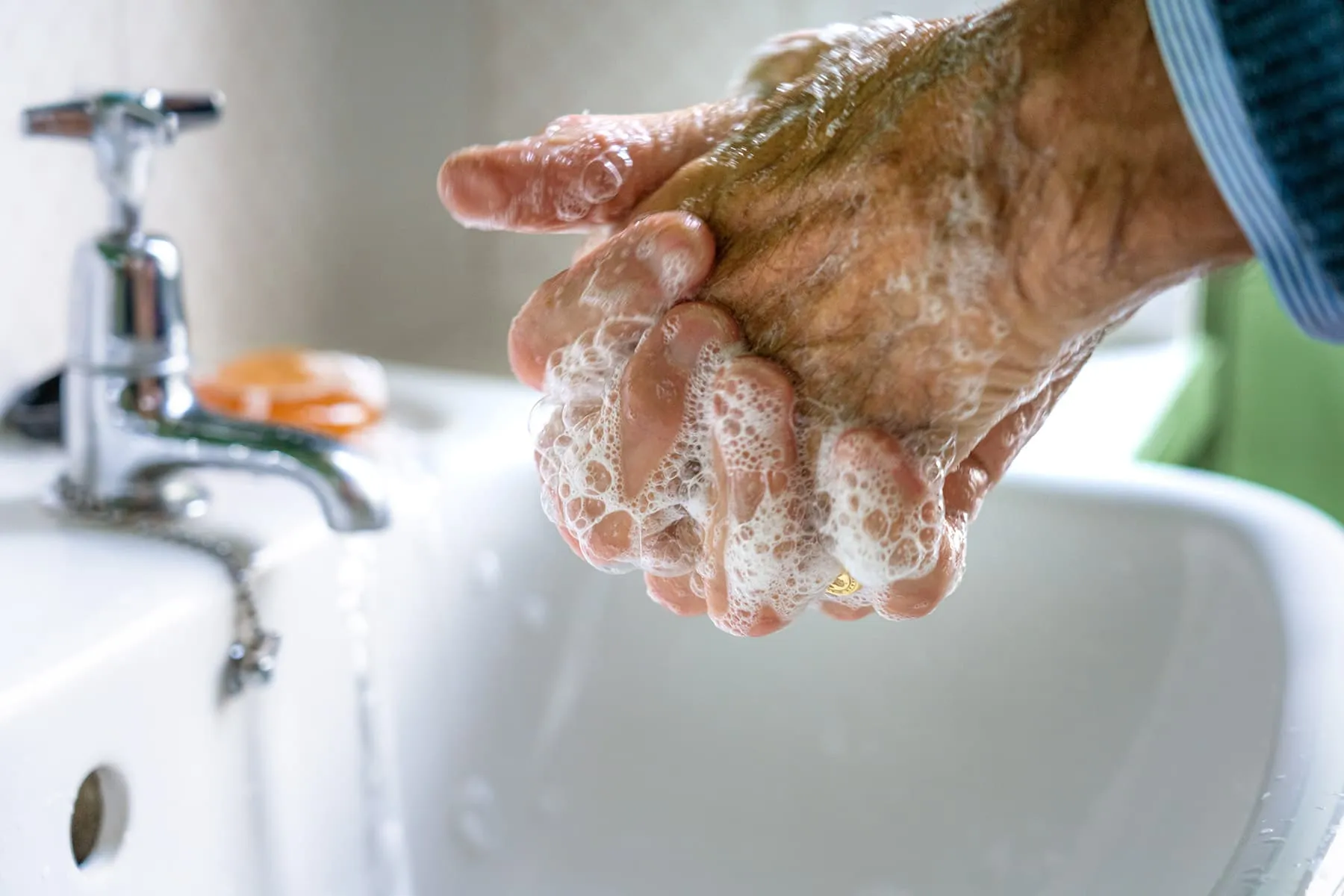
Hand hygiene is one of the simplest and most effective ways to prevent the spread of germs. Wash with soap and running water for at least 20 seconds, covering your palms, fingertips, thumbs, the backs of your hands, the spaces between your fingers, and the areas beneath your nails. Dry your hands thoroughly because germs transfer more easily from wet skin.
During a medical visit, clean your hands:
- After entering the clinic
- After coughing, sneezing, or blowing your nose
- After touching shared objects
- Before eating or taking oral medication
- After using the restroom
- After helping a child with tissues or toileting
- Before touching your eyes, nose, mouth, wound, or medical device
- When leaving the clinic
Alcohol-based sanitizer is a useful backup when hands are not visibly dirty. Apply enough product to cover every part of both hands and rub until dry. Soap and water are preferable when hands are visibly soiled and may work better against certain organisms, including norovirus.
Avoid Touching Your Face
Touching a chair arm or clipboard does not instantly cause an infection. A problem can arise when contaminated fingers subsequently touch the eyes, nose, or mouth. Try to keep your hands below shoulder level until you can clean them.
This habit is harder than it sounds. Many people touch their faces without noticing, particularly when adjusting glasses, using a phone, or thinking deeply about why the appointment is already 17 minutes late.
Reduce Respiratory Germ Exposure
Wear a Well-Fitting Mask When It Adds Protection
A mask can be especially useful when the waiting room is crowded, respiratory illnesses are circulating, you have respiratory symptoms, or you are at increased risk for severe illness. Choose the most protective mask or respirator that fits comfortably and can be worn consistently.
A good fit matters. The mask should cover both the nose and mouth without large gaps around the cheeks or nose. Replace it if it becomes damp, dirty, damaged, or difficult to breathe through. Current CDC guidance notes that broader masking may offer the greatest benefit to higher-risk patients and during periods of elevated respiratory-virus activity.
Use Proper Cough Etiquette
Cough or sneeze into a tissue, discard it promptly, and clean your hands. When a tissue is unavailable, use the inside of your elbow rather than your bare hand. Clinics should place tissues, masks, hand-hygiene products, and no-touch trash containers near entrances, reception areas, and waiting rooms.
Create Space When Possible
Sit farther away from anyone who is actively coughing, sneezing, or vomiting. Choose a less crowded area, wait outside when the office permits it, or ask whether staff can send a text when the examination room is ready.
Distance alone does not eliminate risk, particularly with airborne pathogens, but it can reduce close-range exposure. Clinics are also encouraged to separate people with respiratory symptoms from other patients when space allows.
Be Sensible About Shared Surfaces
Door handles, check-in screens, pens, elevator buttons, chair arms, toys, magazines, payment terminals, and restroom fixtures receive plenty of hand traffic. Avoid unnecessary contact, but do not become so focused on surfaces that you overlook respiratory protection and hand hygiene.
Bring your own book, tablet, or washable toy rather than using communal waiting-room items. Keep your phone in a pocket or bag whenever practical. If you use it after touching shared surfaces, clean your hands before handling food or touching your face.
Do not spray clinic furniture with a personal disinfectant. Disinfectants must be appropriate for the surface and used for the contact time specified on the label. Incorrect products can damage equipment, irritate lungs, or create hazardous chemical mixtures. Healthcare facilities should use EPA-registered products and follow label directions.
Pay Attention in the Examination Room
Healthcare Workers Should Clean Their Hands
Healthcare personnel should perform hand hygiene immediately before touching a patient, before an aseptic procedure, after exposure to bodily fluids, after touching a patient, and after contact with the patient’s surroundings.
If you did not see a clinician clean their hands, it is appropriate to ask politely. Try, “Would you mind cleaning your hands before we begin?” This is a patient-safety request, not a personal accusation. The Joint Commission specifically encourages patients to ask caregivers about hand hygiene.
Gloves Do Not Replace Clean Hands
Gloves are useful when exposure to blood, bodily fluids, mucous membranes, contaminated material, or certain chemicals is expected. They are not magical force fields. Staff should change gloves between patients and between dirty and clean tasks, and they should perform hand hygiene after removing them.
Patients generally do not need to wear disposable gloves in a waiting room. Gloves can become contaminated just like bare hands, and people often touch phones, purses, faces, and door handles while wearing the same pair.
Watch for Safe Injection Practices
Every needle and syringe should be used for only one patient and then discarded. Changing the needle does not make a used syringe safe for another person. Medication preparation should occur in a clean area using aseptic technique, and used sharps should go directly into an approved puncture-resistant container.
Most clinics follow these rules routinely. Still, patients may ask whether equipment is new, sterile, or single-use, particularly before an injection, infusion, biopsy, or minor surgical procedure.
Reusable Equipment Must Be Reprocessed
Stethoscopes, blood-pressure cuffs, examination tables, ultrasound probes, thermometers, and other reusable devices require cleaning or disinfection according to their intended use and manufacturer instructions. CDC guidance calls for reusable medical equipment to be reprocessed between patients or whenever it becomes soiled.
If an examination table is visibly dirty or used paper has not been changed, mention it before sitting down. A calm observation is usually enough: “It looks like this surface may still need to be cleaned.”
Protect Children and High-Risk Family Members
Children explore with their hands and occasionally with their mouths, which is charming at home and less charming beside a waiting-room toy bin. Bring a familiar toy, book, or tablet. Discourage children from crawling on the floor, licking furniture, sharing snacks, or investigating the trash can as though it contains buried treasure.
Clean a child’s hands before snacks and after restroom visits, nose wiping, or contact with communal objects. Supervise sanitizer use and keep the product out of reach when it is not being applied.
People with weakened immune systems may benefit from additional precautions. Consider requesting the first appointment of the day, asking to bypass the waiting room, wearing a high-quality well-fitting mask, and confirming whether the clinic separates patients with respiratory symptoms. Follow any disease-specific instructions given by the treating medical team.
After the Visit
Clean your hands when leaving the clinic and again before eating. At home, place used tissues in the trash and wash your hands. There is usually no need to change clothes, shower immediately, or disinfect every item you carried unless something was visibly contaminated or your healthcare team provided special instructions.
Clean frequently handled personal items, such as phones or eyeglasses, according to the manufacturer’s directions. Avoid saturating electronic devices or experimenting with powerful cleaning chemicals.
Monitor your health over the following days, particularly if the clinic notified you of a known exposure. Contact a healthcare professional if you develop concerning symptoms. Timing alone does not prove that an illness came from the clinic, since many infections have incubation periods lasting several days and may be acquired in numerous settings.
Common Germ-Prevention Mistakes
Using Antibacterial Soap as a Superweapon
Plain soap and water are effective for routine handwashing. Consumer antibacterial soap has not been shown to clean hands better than ordinary soap. Technique and washing time matter more than a label covered in dramatic scientific-looking bubbles.
Wearing the Same Gloves Everywhere
Gloves worn from the parking lot to the check-in desk, restroom, examination room, and car can spread contamination between every object touched. Clean hands used thoughtfully are generally more useful than one continuously worn pair of gloves.
Mixing Cleaning Products
Never combine bleach with ammonia, vinegar, alcohol, or other cleaners. Dangerous gases and chemical reactions can result. Patients should leave environmental disinfection to trained clinic staff rather than conducting an improvised chemistry demonstration beside the reception desk.
Avoiding Essential Healthcare
The purpose of infection prevention is to make necessary healthcare safernot to discourage appointments, vaccinations, screenings, or urgent treatment. Use sensible precautions and communicate with the clinic rather than canceling important care out of fear.
A Practical Clinic Safety Checklist
- Report contagious symptoms before arrival.
- Ask about remote check-in or waiting outside.
- Carry sanitizer with at least 60% alcohol.
- Wear a well-fitting mask when risk is elevated.
- Keep hands away from the eyes, nose, and mouth.
- Clean hands after touching shared objects.
- Use tissues and proper cough etiquette.
- Create distance from visibly ill patients when possible.
- Ask healthcare workers to clean their hands if needed.
- Confirm that needles and syringes are new and single-use.
- Speak up about visibly dirty surfaces or equipment.
- Clean hands before leaving and before eating.
Real-World Experiences: What Safer Clinic Visits Look Like
One of the most useful lessons from visiting busy clinics is that preparation removes much of the stress. During an early-morning appointment at a large medical center, the waiting area began filling quickly. Several people were coughing, and one family was passing a tablet among three children. Instead of worrying about every chair and magazine, the most practical response was simple: choose a seat near the edge of the room, wear a well-fitting mask, keep the phone in a bag, and clean hands after using the check-in screen.
That experience demonstrated an important point: preventing infection is usually about managing the most meaningful risks, not attempting to create a perfectly sterile bubble. The air, close interactions, hand-to-face contact, and shared equipment deserve more attention than whether a coat briefly brushes against a chair.
Another instructive visit involved taking a young child to an urgent-care clinic during cold-and-flu season. The waiting room contained colorful communal toys, which naturally attracted the child faster than the promise of ice cream. Bringing a washable toy and a tablet from home prevented a negotiation worthy of an international peace conference. A small packet of tissues, hand sanitizer, and a snack reserved for after handwashing also made the visit easier.
The clinic’s staff asked about respiratory symptoms at the entrance and moved coughing patients to a separate section. That visible organization was reassuring. It showed that good infection prevention is not hidden entirely behind examination-room doors. Patients can often recognize a safety-focused clinic by the availability of sanitizer, tissues, masks, covered trash containers, clear signs, uncluttered treatment areas, and staff who clean their hands without being reminded.
A different experience occurred during a minor procedure. The clinician opened sterile supplies in front of the patient, cleaned the work surface, performed hand hygiene, put on fresh gloves, and explained what each item would be used for. Those actions added only a minute or two, but they created confidence. Clear communication transformed infection prevention from an invisible promise into an observable process.
Not every visit is perfect. On one occasion, a healthcare worker entered an examination room and moved directly toward the patient without visibly using the sanitizer dispenser. A polite question“Could we clean our hands before the examination?”solved the problem immediately. The clinician apologized, used sanitizer, and continued without defensiveness. Speaking up felt slightly awkward for approximately three seconds, which was still preferable to spending the entire appointment wondering whether it was safe to shake hands.
These experiences suggest that the best strategy combines personal habits with cooperation. Patients can arrive prepared, limit unnecessary contact, use masks and hand hygiene appropriately, and ask respectful questions. Clinics can support those efforts through screening, ventilation, environmental cleaning, safe injections, staff training, and transparent procedures.
The objective is not perfection. People will touch door handles. Children will attempt to inspect the floor. Someone will sneeze five seconds after removing a mask. A successful visit is one in which practical layers of protection reduce the opportunities germs have to move from one person to another.
Conclusion
Learning how to avoid germs in medical clinics does not require fear, disposable gloves for every finger, or a suitcase full of disinfecting wipes. Focus on high-value actions: report symptoms in advance, clean your hands correctly, wear a well-fitting mask when appropriate, avoid touching your face, keep reasonable distance from symptomatic patients, and pay attention to how equipment and injections are handled.
Healthcare workers and facilities carry the primary responsibility for maintaining safe clinical practices, but informed patients can strengthen that safety system. Ask questions, mention visible problems, and follow clinic-specific instructions. Germs may be persistent little freeloaders, but they become much less successful when patients and healthcare teams work together.
Note: This article provides general infection-prevention education and does not replace medical advice, emergency care, or instructions from a healthcare facility. People with weakened immune systems or specific medical conditions should ask their clinicians which precautions are appropriate for them.