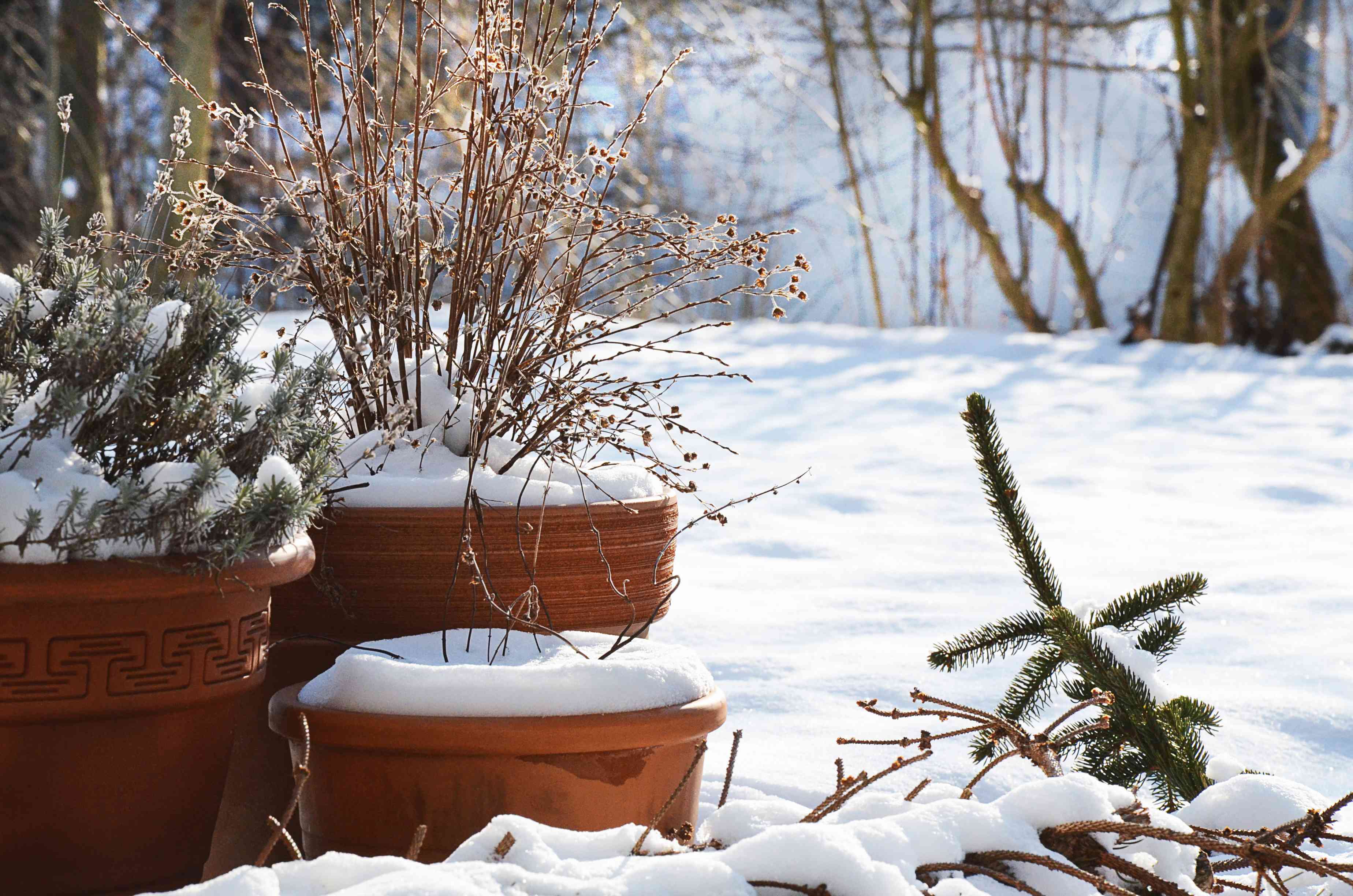
Winter has a special talent for making gardeners second-guess everything. The basil is already gone dramatic, the tomatoes have accepted their fate, and now the real question arrives: what about the pots? Can you leave plant pots outside in winter, or is that basically inviting Jack Frost to smash your containers and bully your roots?
The honest answer is: sometimes yes, sometimes absolutely not. Whether a pot can stay outdoors depends on three big factors: the plant inside it, the material of the pot, and how harsh your winter gets. A hardy evergreen in a large resin planter has a much better shot at surviving January than a tender tropical in a soggy terracotta pot. Winter gardening is less about bravery and more about smart preparation.
If you want the simple version, here it is: leave only cold-hardy plants in freeze-tolerant containers outdoors, and protect them from waterlogging, root freeze, and repeated freeze-thaw cycles. Everything else should either be moved, insulated, or stored before winter fully settles in.
The Short Answer: Yes, But Not Every Pot Should Stay Outside
Gardeners often assume that if a plant survives winter in the ground, it will survive winter in a pot. Unfortunately, roots in containers do not get the same cozy insulation that garden soil provides. In the ground, the earth buffers temperature swings. In a pot, the roots are sitting in a much smaller volume of soil, exposed on all sides to cold air. That means roots can freeze faster and more deeply than they would in a garden bed.
So yes, some pots can stay outside in winter, but only under the right conditions. Hardy perennials, shrubs, and small evergreens can overwinter outdoors in containers if the pot is durable, the drainage is good, and the plant is hardy enough for your climate. Tender plants, fragile pots, and anything that stays soaking wet are much riskier. In gardening terms, “it’ll probably be fine” is usually the sentence spoken right before spring regret.
What Decides Whether a Pot Can Survive Winter Outdoors?
1. The Plant’s Hardiness Matters First
The plant is the first thing to evaluate. Tropicals, tender annuals, citrus, geraniums, and warm-season herbs usually should not stay outdoors in cold-winter regions. Once hard frost arrives, many of these plants are done. They need to come inside, go dormant in protected storage, or be treated as seasonal plants.
Hardy perennials and shrubs are a different story, but gardeners often follow a stricter rule for containers than for in-ground planting. A plant that is hardy only to your exact zone may struggle in a pot because the roots are more exposed. Many experienced gardeners play it safer by choosing plants that are one to two hardiness zones tougher than their local climate when they plan to leave them outside all winter.
Good candidates for winter container life often include hardy evergreens, certain ornamental grasses, hellebores, some sedges, dwarf conifers, boxwood, and cold-hardy herbs like thyme or chives. Tender favorites like coleus, begonias, sweet potato vine, and most houseplants should not be trusted to “tough it out.” They will not appreciate your optimism.
2. Pot Material Can Make or Break the Situation
This is where many beautiful planters meet an ugly end. Water expands as it freezes, and that expansion can crack rigid, porous containers. Terracotta, unglazed clay, ceramic, and some concrete pots are especially vulnerable to freeze-thaw damage. Even if the plant inside survives, the pot itself may not.
More winter-friendly choices include plastic, resin, fiberglass, wood, and other flexible or less porous materials. These are generally better able to handle cold temperatures outdoors. If you love the look of clay pots, winter may be the season to love them from inside the garage.
Expensive decorative containers deserve extra caution. Many gardeners empty, clean, dry, and store fragile pots before winter rather than risk cracks, flaking, or water damage. It is not dramatic. It is strategic.
3. Pot Size Changes Everything
Small pots are much more vulnerable than large ones. A tiny container has very little soil mass, which means it loses heat fast and freezes hard. A larger pot provides better insulation simply because there is more growing medium around the roots. If you are hoping to overwinter a shrub or perennial outside, a roomy container gives you much better odds than a cute little planter that looks like it belongs on a dollhouse patio.
4. Your Winter Weather Pattern Counts
Not all winters are equally rude. In some places, the real problem is deep cold. In others, it is the constant freeze-thaw roller coaster. Those repeated swings are rough on both roots and containers. Add winter wind, reflected heat from walls, road salt, or waterlogged soil, and outdoor pots can face more stress than many gardeners realize.
A pot tucked into a protected corner near the house, out of strong wind and away from standing water, has a far better chance than one stranded in the open like it lost a bet.
What Gardeners Recommend Before Leaving Pots Outside
Choose the Right Pots
If you want containers to stay outside in winter, start with pots built for the job. Resin, plastic, fiberglass, and sturdy wood planters are safer bets than terracotta or thin ceramic. Make sure each container has drainage holes. If it does not drain, it does not belong outside in freezing weather. Period.
Move Pots to a Sheltered Spot
Even cold-hardy plants benefit from a protected location. Shift pots against a wall, into a courtyard, beside a fence, or under an overhang where they are shielded from harsh wind and excess winter moisture. Gardeners often group containers together because clustered pots help buffer each other from temperature swings.
Remove Saucers and Improve Drainage
One of the simplest winter moves is also one of the smartest: remove saucers and anything that allows water to sit beneath the pot. Standing water freezes, keeps the soil too wet, and can damage both roots and containers. If possible, raise pots slightly on feet or blocks so water can drain freely.
Insulate the Root Zone
For valuable or borderline-hardy plants, gardeners often add insulation. That might mean wrapping the sides of the pot with burlap, bubble wrap, frost fabric, or another breathable protective layer. Mulching the soil surface with straw, shredded leaves, or bark also helps buffer the crown and roots from rapid temperature changes.
Another classic trick is to bury the pot in the ground temporarily or heel nursery containers into a garden bed for winter. That surrounding soil acts like a natural blanket and protects roots much more effectively than leaving the pot above ground.
Water, But Do Not Babysit With a Hose
Potted plants still need moisture in winter, especially evergreens and woody plants. The goal is to keep roots from drying out, not to keep the pot soggy. Water well before the ground freezes, then check moisture occasionally during winter thaws. If the soil is bone dry and temperatures are above freezing, a modest drink helps. If the pot is already wet, back away from the watering can like it is gossip at a family reunion.
Stop Feeding Late in the Season
Late-season fertilizer can push tender new growth that has no business trying to survive winter. By fall, the goal is not lush fresh growth. The goal is dormancy, stability, and keeping the plant strong enough to wake up in spring without drama.
When You Should Bring Pots Inside Instead
Bring pots indoors or into protected storage when any of the following applies:
- The plant is tropical, tender, or not hardy in your climate.
- The container is terracotta, ceramic, clay, or another material prone to cracking.
- The pot is small and exposed, with very little soil around the roots.
- Your winters are severe, windy, or full of freeze-thaw swings.
- The container stays wet and does not drain well.
For many gardeners, an unheated garage, shed, enclosed porch, or other frost-protected space is the sweet spot. Hardy dormant plants do not necessarily need warmth; they need protection from the worst cold and rapid fluctuations. Tender houseplants, of course, need to come into brighter, warmer indoor conditions before frost arrives.
Common Winter Pot Mistakes to Avoid
Leaving Empty Fragile Pots Full of Soil
This is a classic. Moist soil left inside a clay or ceramic pot all winter is practically a written invitation for cracking. If the pot is not winter-safe, empty it, let it dry, and store it somewhere protected.
Assuming Snow Means Enough Water
Snow can insulate, but it does not always solve winter dryness. Pots under eaves or in dry, windy spots may still dry out. Evergreens are especially likely to suffer if roots cannot access moisture.
Using the Same Hardiness Standard as In-Ground Plants
A plant that is “hardy in your zone” may still struggle in a pot. Containers create tougher conditions, so gardeners usually leave themselves a safety margin instead of testing fate for entertainment.
Forgetting About Wind
Cold air is one thing. Cold wind is another. Winter wind dries foliage, desiccates roots, and turns patios into little weather laboratories. A sheltered location can be the difference between survival and a springtime compost contribution.
Best Winter Strategy by Pot Type
Plastic or resin pots: Often safe to leave outdoors if drainage is good and the plant is hardy.
Wood planters: Usually better than clay in winter, though they still need drainage and occasional maintenance.
Fiberglass pots: Often a strong option for year-round outdoor use.
Terracotta and clay pots: Best emptied and stored in cold climates unless labeled frost-proof and used very carefully.
Ceramic pots: Risky in freezing conditions, especially if water can soak in or pool.
Concrete pots: Heavy and sometimes left in place, but still vulnerable to moisture damage and cracking over time.
Real-World Gardener Experiences: What People Usually Learn the Hard Way
Ask enough gardeners about winter containers, and you start hearing the same stories. Someone leaves a gorgeous terracotta pot on the patio because it “looks sturdy,” only to find a dramatic crack running down the side in February. Someone else forgets to remove a saucer, and by spring the potting mix smells like a swampy science experiment. Then there is always the optimistic gardener who assumes a rosemary shrub will “probably be okay,” which is a wonderful example of confidence but not always of horticultural judgment.
One of the most common lessons is that roots are far more vulnerable than the top of the plant suggests. A shrub may look hardy and perfectly calm above the soil line, but inside the pot the roots are dealing with cold from every side. Gardeners often discover this the frustrating way: the top looks green until spring, then nothing resumes growth. It is not that winter was unfair; it is that container life is simply harsher than life in the ground.
Another frequent experience involves location. Many people have success leaving pots outdoors when they move them into a protected corner near the house, especially on the east or north side where temperatures stay more stable. The goal is not to warm the plant up on sunny winter afternoons. The goal is to keep it dormant and reduce severe swings. Gardeners who leave pots exposed in the middle of a windy deck often report much worse results than those who tuck them into a more buffered spot.
There is also the matter of pot size. Gardeners who overwinter large shrubs in substantial planters often report decent success, especially with hardy evergreens. Gardeners trying the same trick in tiny decorative pots usually end up with a spring mystery and a dead root ball. Bigger containers are not magical, but they do buy valuable insulation.
Experienced gardeners also talk about the difference between wet cold and dry cold. In some winters, the issue is not just freezing; it is repeated soaking, freezing, thawing, and re-freezing. That cycle is rough on roots and brutal on porous containers. People learn quickly that drainage holes matter, saucers have to go, and a pot sitting flat where water pools is asking for trouble.
Then there are the gardeners who swear by simple winter tricks because they have seen them work again and again: grouping pots together, mulching the soil surface, wrapping favorite containers, or burying nursery pots in a spare garden bed for the season. None of these methods are glamorous. No one is posting “look at my thrilling burlap-wrapped shrub situation” as patio inspiration. But these methods save plants.
Perhaps the most valuable experience-based advice is this: do not treat all potted plants the same. A boxwood in a large resin planter, a pot of thyme, a tender hibiscus, and an empty clay herb pot should not all get the exact same winter plan. Gardeners who succeed tend to sort their containers into categories: hardy and stay outside, hardy but need protection, tender and move indoors, fragile pot and store dry. That simple sorting habit prevents a lot of unnecessary winter losses.
In other words, real-life experience usually turns gardeners into practical people. Winter pot care becomes less about guessing and more about knowing what each plant and each container can realistically handle. And once you have carried one cracked terracotta pot to the trash on a freezing morning, you tend to become very realistic, very quickly.
Final Verdict
So, can you leave plant pots outside in winter? Yes, but only when the plant is hardy enough, the container is winter-tough, and the setup protects roots from cold, soggy, and repeated freeze-thaw stress. If the pot is terracotta, the plant is tender, or the drainage is poor, bringing it in is usually the smarter move.
What gardeners recommend most is not one universal rule, but a careful winter plan. Choose larger, durable pots for year-round outdoor use. Give hardy plants a margin of safety. Move containers to sheltered spots. Water when needed, but do not overdo it. Store fragile empty pots dry. Do those things, and your containers stand a much better chance of surviving winter with dignity intact.
Because in gardening, spring surprises should be tulips. Not shattered planters.