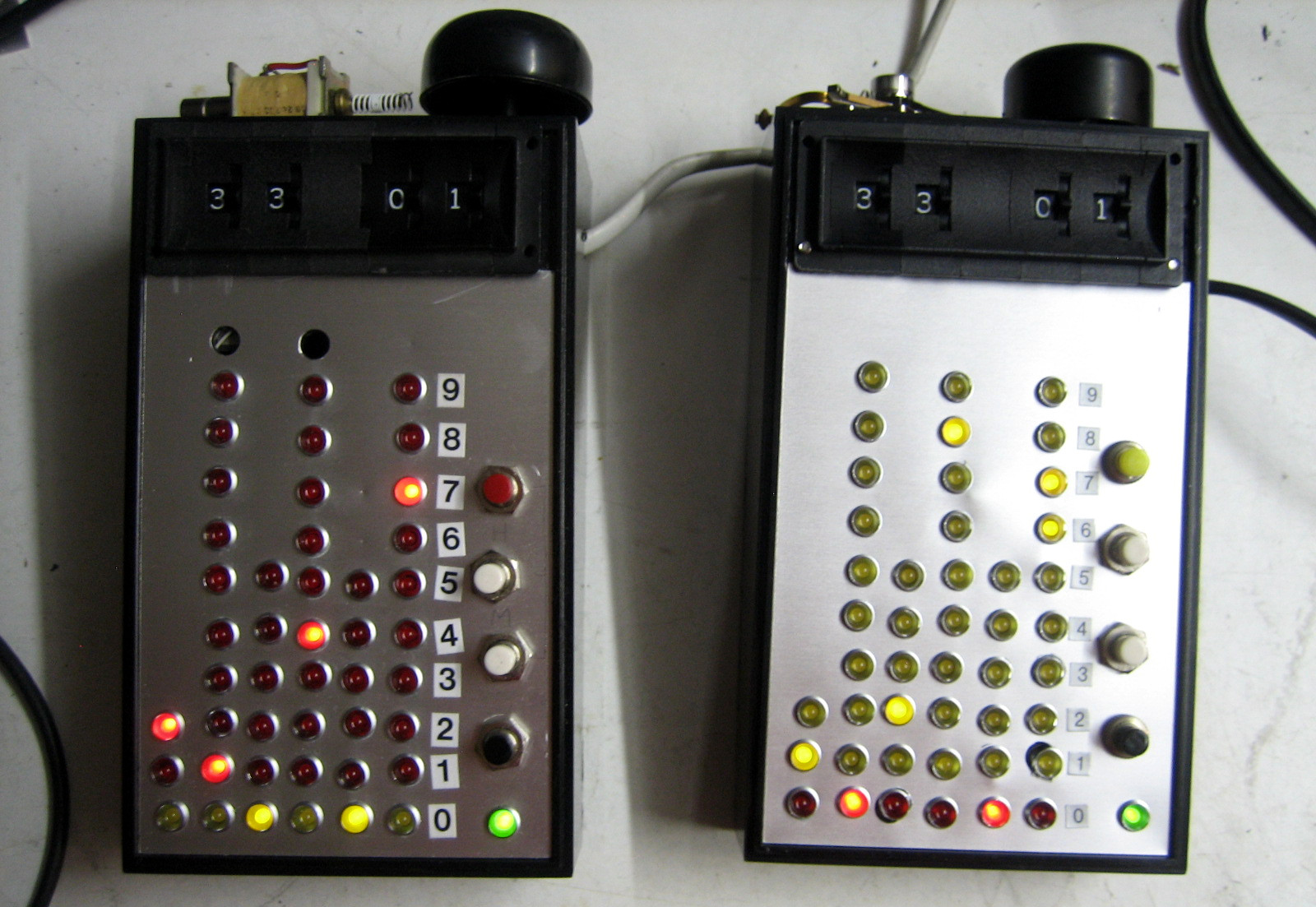
Some alarm clocks politely whisper, “Good morning.” Others blink, chirp, and beg you to become a responsible adult. Then there is the kind of breathtaking alarm clock that looks as if it was bolted to the wall of a 1960 fallout shelter, wired by a serious engineer in horn-rimmed glasses, and designed to wake you up not just for breakfast, but for a national emergency.
That is the deliciously strange charm behind the Cold War-style tube clock often admired by retro electronics fans: it does not merely tell time. It performs time. With glowing numerals, exposed industrial character, old-school circuitry, and an atmosphere somewhere between “classified military instrument” and “mad scientist’s bedside table,” this kind of clock turns a basic household object into a miniature Cold War movie prop.
The best part? The appeal is not only nostalgia. It is craftsmanship. It is design. It is the thrill of seeing technology behave in a visible, mechanical, almost theatrical way. In a world where most clocks are hidden inside smartphones, this clock stands there like a tiny bunker commander saying, “The time is 07:30. Please remain calm.”
What Makes This Alarm Clock So Breathtaking?
The phrase “breathtaking alarm clock” sounds dramatic until you see a true Cold War-inspired Nixie or Dekatron clock in action. Instead of a flat LED screen or plastic digital face, the clock uses glowing glass tubes, metal hardware, analog switches, and a rugged case that feels like it should have a serial number stamped by a government department nobody talks about.
One famous example, Hank’s Cold War Clock, was built around a fascinating rule: use only parts and technologies that would have been available in 1959. That single constraint changes everything. It means no modern microcontroller doing the thinking behind the curtain. No lazy little chip sipping power while pretending to be vintage. The design leans into period-correct tube technology, with a military/commercial reproduction feel rather than a decorative “retro-looking” shell.
That is why it feels authentic. It does not wear vintage style like a costume. It behaves like vintage technology. The clock’s personality comes from what it actually is: an all-tube timekeeping machine with an audible alarm, glowing numerical display, and the kind of technical seriousness that makes you want to salute before hitting snooze.
The 1960 Fallout Shelter Aesthetic: Why It Works
The early 1960s in America had a visual language all its own. Civil defense signs, emergency sirens, government manuals, basement shelters, sturdy metal cabinets, tube radios, olive-gray equipment, and thick instruction labels all belonged to a world that believed technology should be legible, durable, and ready for trouble.
A fallout shelter-inspired alarm clock taps directly into that mood. The case may look heavy, the controls may appear purposeful, and the glowing tubes create a warm orange light that feels both comforting and ominous. It is not minimalist in the modern sense. It is functionalist with a serious eyebrow.
This is why the design hits so hard. Modern gadgets often try to disappear. They are smooth, black, sealed, and silent. A Cold War clock does the opposite. It reveals its presence. It has knobs, labels, tubes, vents, screws, and a face that says, “Somebody with a slide rule had a very long week.”
It Feels Like a Prop, But It Is Real Engineering
The magic comes from the overlap between visual storytelling and electrical logic. A prop only needs to look convincing. A working clock needs to count seconds, minutes, and hours with enough accuracy to be useful. In the best examples, those two goals meet beautifully.
Dekatron tubes, for example, can function as counting devices. Their glowing dot steps around a circular arrangement, making time feel almost physical. Nixie tubes display numerals through shaped cathodes inside glass envelopes, producing that iconic orange glow collectors adore. Together, they create a display that feels alive in a way a smartphone lock screen never will.
That glow is not just decoration. It is part of the mechanism’s identity. The clock becomes a small performance of electrical history, where every digit feels earned.
Nixie Tubes: The Beautiful Digits That Refuse to Retire
Nixie tubes are one of the main reasons retro clocks remain so popular among makers, collectors, and design enthusiasts. A Nixie tube is a cold-cathode display device that shows numbers by lighting shaped metal elements inside a glass tube. The result is not pixelated, not segmented, and not boring. It is sculptural.
Each numeral appears as a glowing form suspended in glass. The number “3” does not look like a compromise made from seven straight bars. It looks like a real “3.” That matters. It gives the clock warmth and personality. It also explains why Nixie tube clocks continue to be prized even though the technology was largely replaced by LEDs and vacuum fluorescent displays decades ago.
There is also a tiny bit of danger in the romance. Nixie clocks often require higher-voltage circuitry than modern low-voltage electronics. That does not mean they are mysterious magic boxes, but it does mean they deserve respect from builders and restorers. For ordinary owners, the smart move is simple: buy from reputable makers, avoid poking around inside, and let the glowing digits do their charming little dance from a safe distance.
Dekatron Counters: The Spinning Glow of Old-School Logic
If Nixie tubes are the face of the clock, Dekatron tubes are part of its brain and theater. A Dekatron is a gas-filled counting tube, commonly associated with 1950s and 1960s electronics. It can count pulses by moving a glow from one cathode position to the next. In plain English: it is a tiny circular light show that also does math.
That is exactly the kind of technology that makes a Cold War clock feel so mesmerizing. You are not just seeing the time; you are seeing the act of counting. It is the difference between watching a digital file download and watching a mechanical odometer roll over. One gives information. The other gives drama.
In a fallout-shelter-style clock, Dekatrons help create the “control room” vibe. Their motion suggests monitoring, calculation, and coded signals. Put one on a desk and suddenly your home office feels 17 percent more like a secret research facility. Add a cup of bad coffee and a metal chair, and you are basically halfway to a black-and-white training film.
Why the Alarm Matters
An alarm clock without a memorable alarm is just a clock with ambition. The audible alarm in a Cold War-inspired tube clock is part of its personality. It should not sound like a tropical ringtone or a polite bird. It should sound as if someone in a command room just looked at a radar screen and frowned.
That does not mean it has to be unpleasant. The best retro alarms are theatrical without being cruel. A buzzer, tone sequence, or period-flavored electronic sound gives the clock a sense of purpose. Waking up to it feels less like “time for email” and more like “the mission begins.”
Of course, this could be dangerous for chronic snoozers. A normal alarm says, “Please get up.” A Cold War alarm says, “You have been briefed.” It is harder to ignore a clock that looks like it has clearance levels.
The Appeal of “Creative Anachronism”
One of the most interesting ideas behind this kind of clock is creative anachronism. It is not necessarily a restored product from 1960. Instead, it can be a carefully imagined device that could have existed if someone from that era had decided to build an extremely serious alarm clock with available technology.
That distinction is important. A reproduction of a product that never existed can still feel historically meaningful when it respects the materials, constraints, and design language of the period. It becomes alternate-history engineering: not fake, exactly, but fictional in the best possible way.
Think of it like a movie set made by someone who actually understands the tools. The screws are not random. The labels are not generic. The wiring layout, case finish, panel design, and even the manual-style humor all work together. When done well, the clock does not scream “novelty item.” It quietly mutters, “Property of a department whose name has been redacted.”
Industrial Decor Meets Atomic Age Nostalgia
This breathtaking alarm clock also fits neatly into a larger design trend: people love objects with visible history. Industrial decor, mid-century modern furniture, vintage radios, analog meters, mechanical keyboards, film cameras, and tube amplifiers all share a similar emotional appeal. They remind us that technology used to have texture.
A Cold War-style clock can become the centerpiece of a room. On a walnut desk, it looks scholarly and eccentric. On a metal shelf, it looks like lab equipment. Beside a modern laptop, it creates a perfect contrast: one object is sleek and sealed; the other glows like it has secrets.
It also pairs surprisingly well with warm interiors. The orange glow of Nixie tubes looks beautiful near wood, leather, dark green paint, brass accents, and matte black hardware. It can soften an industrial space or add tension to a clean modern room. Basically, it is the design equivalent of wearing a vintage field jacket over a crisp white shirt.
Why People Still Love Complicated Clocks
From a purely practical standpoint, no one needs a tube-based alarm clock. Your phone can tell time, set five alarms, display weather, count steps, and ruin your attention span before breakfast. Yet that is exactly why a retro clock feels so refreshing.
It does one thing with character. It does not notify you about group chats. It does not ask for updates. It does not sell you cloud storage. It simply counts time in a way you can see, hear, and admire.
There is also satisfaction in complexity when the complexity has a purpose. The clock’s tubes, counters, switches, and circuitry are not hidden behind a frictionless interface. They invite curiosity. Even people who do not understand electronics can sense that something real is happening inside.
That sense of reality is rare in modern consumer tech. Today, many devices are designed to be replaced, not understood. A Cold War-style clock feels repairable, discussable, and wonderfully stubborn. It has the confidence of an object that expects to outlive the furniture around it.
Specific Design Details That Sell the Fallout Shelter Look
1. Rugged Casework
The case is crucial. Rounded metal corners, hammered finishes, gray or olive tones, ventilation slots, and panel screws all help create the shelter-ready mood. The clock should look like it belongs next to a radio transmitter, not a scented candle.
2. Authentic Labels
Labels make the fantasy believable. Words like “alarm,” “set,” “test,” “power,” and “reference” feel more convincing when printed in a plain technical style. Decorative fonts would ruin the illusion. This clock wants bureaucracy, not birthday-card calligraphy.
3. Glowing Tube Display
The display is the emotional core. Nixie numerals and Dekatron movement make the clock feel like a living instrument. The warm glow contrasts beautifully with cold metal, which is exactly why the design feels both eerie and inviting.
4. Switches With Physical Feedback
Real switches matter. A sturdy toggle or rotary control gives the user a tactile connection to the machine. Pressing a flat plastic button is fine. Flipping a metal switch feels like authorizing a launch sequence, even when you are only setting an alarm for oatmeal.
5. A Hint of Official Seriousness
The best Cold War-inspired objects do not overdo the joke. They look official enough to be funny only after you notice the absurdity. A clock that appears ready for emergency communications but is actually reminding you to take out the trash has perfect comedic tension.
Is It Practical for Everyday Use?
Practicality depends on what you want from a clock. If you want a silent, cheap, battery-powered bedside alarm, this is probably not your first choice. Tube clocks can consume more power than basic digital clocks, may produce a little warmth, and often require careful construction or maintenance.
But if you want an unforgettable desk clock, conversation piece, or collector object, practicality becomes less about efficiency and more about experience. This is not the clock you buy because it is invisible. It is the clock you buy because you want timekeeping to have a pulse.
For many owners, that is the point. A Cold War-style alarm clock is part instrument, part sculpture, part joke, and part history lesson. It brings atmosphere into a room. It makes time feel weighty. It gives your morning routine a soundtrack that says, “The coffee is not optional.”
Who Would Love This Clock?
This clock is perfect for electronics hobbyists, retro design collectors, Cold War history fans, industrial decor lovers, and anyone who thinks modern alarm clocks have the charisma of a wet napkin. It also makes a strong gift for people who enjoy unusual objects with stories behind them.
Writers might like it because it feels cinematic. Engineers might admire the logic. Designers might appreciate the material honesty. Gamers who love post-apocalyptic worlds may enjoy the familiar bunker mood. And people who simply hate boring bedside accessories will find plenty to admire.
It is not for everyone, and that is good. A clock like this should be a little polarizing. If every guest immediately understood it, it would lose some magic. The right reaction is a mix of “What is that?” and “Why do I suddenly want one?”
Buying or Building a Retro Tube Alarm Clock
For most people, buying a completed clock from a reputable maker is the easiest route. Look for clear build quality, safe enclosure design, proper power handling, and honest descriptions of the components used. True vintage tubes can vary in condition, so good makers usually explain the tubes, power supply, controls, and expected care.
Builders, meanwhile, may see this kind of project as a mountain worth climbing. It combines electronics, metalwork, design research, and patience. The challenge is not only making the clock work, but making it feel like it came from a believable era. That means studying old manuals, military panels, radio gear, laboratory instruments, and mid-century industrial design.
The lesson is simple: the details matter. A retro clock becomes breathtaking when every choice supports the illusion. The wrong font can break the spell. The right switch can save it. That is the difference between “cute retro gadget” and “was this recovered from a sealed bunker under a municipal building?”
Experience Notes: What It Feels Like to Live With a Fallout-Shelter Clock
Living with a clock like this is less like owning a normal household device and more like adopting a tiny machine with a backstory. The first thing you notice is the light. In a dark room, the glowing numerals do not glare like a phone screen. They hover. The orange digits sit inside the glass with a warm, campfire-like quality, except the campfire seems to have been approved by a committee of serious engineers.
Place it on a desk and the room changes. Suddenly the ordinary objects around it become supporting cast members. A notebook looks like a field log. A coffee mug looks like evidence. A lamp becomes “task lighting.” Even your messy cable pile gains narrative depth, which is very generous of the clock.
The sound is part of the experience too. A good mechanical or tube-inspired clock has presence. It may hum faintly, click, buzz, or produce an alarm tone that feels intentionally old-fashioned. That sound is not always ideal for ultra-light sleepers, but for people who enjoy atmospheric objects, it is wonderful. It reminds you that the device is working, not merely displaying.
Guests almost always notice it. Some ask whether it is an antique. Others assume it is a movie prop. A few will stare at the tubes and immediately begin explaining voltage, counters, or Cold War communications systems, at which point you should offer them coffee and prepare for a detailed lecture. This is part of the clock’s social function. It starts conversations better than a framed inspirational quote ever could.
The morning experience is especially memorable. A phone alarm is easy to resent because it drags the entire internet into your waking moment. A fallout-shelter-style alarm clock feels more focused. It says, “Wake up; time exists.” No social media. No notifications. No tiny red badges begging for attention. Just the hour, the glow, and perhaps a sound that suggests breakfast should be handled with operational discipline.
There is also a grounding effect. Because the clock is physical and visibly engineered, it slows down your relationship with time. You do not glance at it the way you glance at a phone. You look at it. You notice the numerals. You notice the case. You notice that someone cared enough to make timekeeping beautiful, dramatic, and slightly ridiculous.
That is the real experience: delight. Not convenience, not efficiency, not minimalist perfection. Delight. A breathtaking alarm clock that looks like it came from a 1960 fallout shelter reminds us that everyday objects can have imagination. Even something as ordinary as waking up can feel like a scene from a retro-futurist adventure, minus the actual emergency and with much better coffee.
Conclusion
The breathtaking alarm clock that looks like it came from a 1960 fallout shelter is more than a quirky retro gadget. It is a tribute to visible engineering, Atomic Age atmosphere, Cold War design language, and the strange beauty of obsolete technology. With glowing Nixie tubes, Dekatron-style counting charm, rugged industrial details, and an alarm personality that refuses to be ignored, it turns time into an event.
In a world full of disposable plastic clocks and silent smartphone alarms, this kind of object feels refreshingly dramatic. It reminds us that technology can be functional and theatrical at the same time. It can be useful, funny, historical, and beautiful without apologizing for taking up space.
Would everyone want one on their nightstand? Probably not. Some people want calm mornings. Others want to wake up beside a glowing command-console artifact that looks ready to survive history. For the second group, this clock is not just breathtaking. It is practically a lifestyle choice.