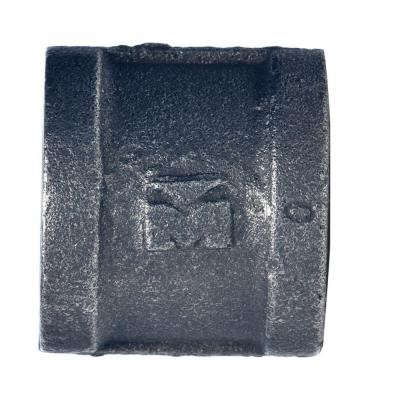
A 1/2 in. Black Malleable Iron FPT x FPT Coupling may not look like the star of the plumbing aisle. It is small, dark, threaded, and about as flashy as a tax form. But in the world of threaded pipe systems, this compact fitting does an important job: it connects two male-threaded pipe ends in a straight line and helps create a strong, continuous run.
Whether you are researching black pipe fittings for a fuel-gas line, an oil application, compressed-air layout, or an industrial-style furniture project, this coupling is one of those simple parts that earns its keep quietly. It does not beep, blink, or come with an app. It just sits there, grips threads, and says, “I was built for work.”
This guide explains what a 1/2 inch black malleable iron FPT x FPT coupling is, where it is commonly used, what makes it different from similar fittings, how to choose one wisely, and what real-world experience teaches about handling this little workhorse.
What Is a 1/2 in. Black Malleable Iron FPT x FPT Coupling?
A 1/2 in. black malleable iron FPT x FPT coupling is a straight pipe fitting with female pipe threads on both ends. The “1/2 in.” refers to the nominal pipe size, not the exact outside measurement of the fitting. The phrase “FPT x FPT” means female pipe thread by female pipe thread, so the coupling is designed to accept male-threaded pipe, nipples, or other compatible threaded components on each side.
In everyday terms, it is a connector. If you have two matching 1/2 inch male-threaded black pipe sections that need to become one straight run, this coupling is the part that joins them.
Breaking Down the Name
The product name sounds technical, but each part tells you something useful:
- 1/2 in. means the fitting is made for 1/2 inch nominal pipe size.
- Black usually refers to the black oxide or black-coated finish commonly used on black iron pipe fittings.
- Malleable iron describes the material, which is cast iron that has been heat-treated to improve toughness and reduce brittleness.
- FPT x FPT means both ends have female pipe threads.
- Coupling means it connects two pipe sections in a straight line.
That is a lot of meaning packed into one short product title. Plumbing language loves abbreviations almost as much as teenagers love Wi-Fi.
Why Malleable Iron Matters
Malleable iron is valued because it combines strength with a degree of ductility. Standard cast iron can be strong but brittle. Malleable iron goes through a heat-treatment process that changes its internal structure, helping it handle stress better. That makes it suitable for many threaded pipe fittings used in mechanical, gas, oil, and industrial systems.
For a coupling, that toughness matters. The fitting must hold internal threads, withstand tightening forces, support pipe alignment, and remain stable under normal operating conditions. A poorly made coupling can create thread engagement problems, alignment headaches, or worse, a leak-prone connection. A properly manufactured black malleable iron coupling is simple, but it is not casual.
Common Applications for Black Malleable Iron Couplings
Black malleable iron pipe fittings are commonly associated with systems involving natural gas, LP gas, oil, and compressed air. They are also popular in decorative projects because black pipe has that rugged industrial look designers love to describe as “urban loft,” even when the project is happening in a suburban garage next to a lawn mower.
Fuel Gas Systems
Black iron fittings are often used in fuel-gas piping systems where approved by local code. However, gas work is not a casual DIY playground. Any fuel-gas system should be designed, installed, inspected, and tested according to local building codes by qualified professionals. A 1/2 inch FPT x FPT coupling may be a common part in the system, but the safety of the system depends on correct material selection, proper threading, approved sealing methods, pressure testing, ventilation, and code compliance.
Oil and Mechanical Applications
Black malleable iron fittings are also used in certain oil and mechanical piping setups. The exact suitability depends on the pressure, temperature, fluid type, pipe schedule, code requirements, and manufacturer rating. This is where the product label and technical sheet matter more than guesswork.
Compressed Air Lines
Some shops use threaded black pipe systems for compressed air distribution. A coupling can help extend a line or join pipe sections. Still, compressed air systems need correct pressure ratings, secure support, and professional planning. Air may seem harmless, but pressurized systems can act dramatic when built carelessly.
Industrial-Style Decor
One reason black pipe fittings became popular beyond plumbing is their visual appeal. Shelving, towel bars, lamp bases, curtain rods, table legs, and clothing racks often use black iron fittings for a raw industrial look. In decorative projects, a 1/2 inch black malleable iron coupling can serve as a connector, spacer, or design detail. It brings the “warehouse chic” vibe without requiring an actual warehouse.
Key Features to Look For
Not every coupling on the shelf is automatically the right coupling for your job. Before choosing a 1/2 inch black iron coupling, pay attention to the technical details.
Thread Type
Most black malleable iron pipe fittings in the United States use NPT-style tapered pipe threads. The fitting should match the male-threaded pipe or nipple being connected. Mismatched thread types can lead to poor engagement and unreliable sealing.
Material Specification
Quality malleable iron fittings are commonly manufactured to recognized material and dimensional standards, such as ASTM and ASME requirements. For buyers, this matters because standards help define the expected material, dimensions, threading, tolerances, and pressure-temperature behavior.
Pressure and Temperature Ratings
Many black malleable iron fittings are sold with working pressure and temperature ratings. These ratings can vary by manufacturer, fitting class, size, application, and approval listing. Some 1/2 inch couplings sold through major retailers list working pressure ratings around the hundreds of PSI range and maximum temperatures suitable for typical mechanical uses. Always verify the exact product specifications before using a fitting in a pressurized system.
Finish
The black finish helps distinguish it from galvanized fittings and gives the fitting its familiar dark appearance. It may offer some surface protection, but black iron is not stainless steel. In damp environments, corrosion can still become an issue. For decorative projects, many builders clean and seal the pipe to reduce residue and surface rust.
Listings and Approvals
Some black malleable iron fittings carry UL, FM, or similar listings depending on the product and manufacturer. These listings can matter for fire protection, gas, commercial, or code-regulated uses. If a project is subject to inspection, do not rely on “it looks strong enough.” Inspectors are famously unimpressed by vibes.
FPT x FPT vs. Other Coupling Types
The phrase FPT x FPT coupling is important because it tells you both openings are female threaded. This differs from other fittings, such as:
- MPT x MPT nipples: Male-threaded on both ends, used with female-threaded fittings.
- Reducing couplings: Female-threaded on both ends but with different pipe sizes, such as 3/4 inch x 1/2 inch.
- Unions: Designed to allow easier disconnection of pipe sections without rotating the entire pipe run.
- Elbows and tees: Used to change direction or branch a line.
A standard coupling is best when the goal is a straight, permanent-style threaded connection between matching pipe sizes. If the system may need frequent disassembly, a union may be the better choice. If pipe sizes differ, a reducing coupling is needed. The right fitting is like the right key: close enough is not a strategy.
How This Coupling Compares With Galvanized Fittings
Black malleable iron and galvanized malleable iron fittings may look similar in shape, but they are not always used interchangeably. Galvanized fittings have a zinc coating that helps resist corrosion. Black fittings have a darker finish and are commonly associated with gas, oil, and certain mechanical systems.
For potable water, black iron is usually not the preferred choice because it can rust and affect water quality. Galvanized, brass, copper, stainless steel, PEX, CPVC, and other approved materials are more common depending on the application and local code. For gas systems, many professionals traditionally use black iron, but local codes and utility rules should always guide the final material choice.
Buying Guide: How to Choose the Right 1/2 Inch Coupling
When shopping for a 1/2 in. black malleable iron FPT x FPT coupling, the best choice is not always the cheapest one in the bin. Look for clear labeling, reliable manufacturing, clean threads, and appropriate ratings.
Check the Size
Confirm that both connecting pipe ends are 1/2 inch nominal pipe size. Pipe sizing can confuse beginners because nominal pipe size is not the same as simple outside diameter measurement. When in doubt, compare the fitting to the labeled pipe or ask a knowledgeable professional.
Inspect the Threads
The threads should look clean, even, and free from major damage. Dented or poorly cut threads can make assembly difficult and may compromise the connection. A coupling should not look like it lost a fight with a forklift.
Review the Rating
For any pressure-bearing system, verify the manufacturer’s working pressure, temperature range, and intended applications. Never assume one black coupling is identical to another just because the outside shape looks similar.
Match the Application
A decorative shelf and a fuel-gas line are not the same universe. For decor, appearance and thread fit may be the main concerns. For gas, oil, air, or mechanical systems, code compliance, ratings, approved sealing materials, inspection, and professional installation become critical.
Pros and Cons of a Black Malleable Iron FPT x FPT Coupling
Pros
- Strong and durable for many threaded pipe applications.
- Widely available in hardware stores, plumbing suppliers, and industrial supply catalogs.
- Compatible with matching male-threaded black pipe and nipples.
- Suitable for many gas, oil, air, and decorative uses when properly rated and approved.
- Affordable compared with many specialty fittings.
- Classic industrial appearance for furniture and decor projects.
Cons
- Not ideal for potable water systems because black iron can corrode.
- Can rust in damp or outdoor environments if not protected.
- Requires correct thread engagement and approved sealing practices in mechanical systems.
- Not a substitute for a union when frequent disassembly is needed.
- Gas and pressure applications require professional handling and code compliance.
Best Uses for a 1/2 in. Black Malleable Iron Coupling
The ideal use for this coupling is a straight connection between two compatible male-threaded 1/2 inch pipe ends. In a properly designed system, it can help extend a pipe run, join short nipples, repair a layout, or create a clean inline connection.
In decorative projects, the coupling is especially useful because it lets builders combine standard pipe lengths and fittings into custom shapes. For example, someone building a wall-mounted pipe shelf may use couplings to extend vertical or horizontal sections. A lamp builder may use one as a visual transition between pipe sections. A clothing rack project may use couplings to create a longer rail. The result looks rugged, intentional, and slightly like it knows how to weld, even though it does not.
Safety and Code Considerations
Because black malleable iron fittings are frequently associated with gas and pressure systems, safety deserves its own section. A coupling is simple, but the system around it may not be. Fuel gas, LP gas, steam, oil, and compressed air can involve serious hazards if materials are wrong or connections are poorly made.
For gas-related work, follow local code and use a licensed professional. A qualified installer will know which fittings are approved, what sealing materials are allowed, how the system must be tested, and what inspection requirements apply. The coupling may cost only a few dollars, but the consequences of an unsafe system can be far more expensive.
For non-pressurized decorative use, safety still matters in a different way. Clean parts thoroughly, check for sharp threads or burrs, protect surfaces from oil residue, and anchor heavy pipe projects securely. Industrial decor looks great until a shelf full of books decides to audition for gravity.
Maintenance and Longevity
A black malleable iron coupling can last a long time in the right environment. In dry indoor settings, it may remain stable for years. In damp, humid, or corrosive conditions, surface rust may appear. For decorative use, many builders clean the fitting and apply a clear protective finish after assembly. For mechanical systems, maintenance should follow the system design, manufacturer guidance, and local regulations.
Signs that a coupling or surrounding piping needs professional attention include visible corrosion, damaged threads, staining around joints, movement in the pipe run, unusual odors near gas systems, or any suspected leak. When something seems wrong, do not “wait and see.” Pipes are not known for solving their own problems politely.
Real-World Experience: What This Small Fitting Teaches You
After handling enough black pipe fittings, one thing becomes obvious: the smallest parts often decide whether a project feels smooth or annoying. The 1/2 in. Black Malleable Iron FPT x FPT Coupling is a perfect example. It is inexpensive, common, and easy to overlook, yet it can make or break alignment in a pipe assembly.
In decorative projects, couplings are often used when standard pipe lengths do not match the exact design idea. Maybe a shelf needs to be slightly wider, a lamp stem needs another short section, or a towel bar needs a stronger center connection. The coupling becomes the quiet problem-solver. It lets you combine two male-threaded pieces and create a longer, cleaner run without hunting for a custom pipe length.
One practical lesson is that black pipe fittings are messy when new. They often arrive with oily residue from manufacturing and storage. For furniture or decor, that residue can transfer to hands, walls, fabric, or wood. Cleaning the parts before assembly makes a big difference. Anyone who skips that step usually discovers it later, often after leaving mysterious dark fingerprints on a freshly painted wall. That is not “industrial charm.” That is evidence.
Another experience-based tip is to buy an extra coupling or two for creative projects. The cost is usually low, and having a spare can save a trip back to the hardware store. Pipe decor projects tend to evolve while you build them. A design that looked perfect on paper may need one more connector, one shorter nipple, or a slightly different spacing once it is on the wall. A spare coupling is cheap insurance against the classic “almost done but missing one part” tragedy.
Thread quality also matters more than beginners expect. A good coupling should thread smoothly onto compatible pipe. If it feels rough immediately, inspect both pieces. Sometimes the pipe end has damaged threads. Sometimes the coupling has debris or a manufacturing flaw. Forcing threaded metal parts together is rarely a good idea. It can damage threads and create alignment problems. Patience is cheaper than replacing parts.
For black pipe furniture, symmetry is another sneaky challenge. Because threaded fittings tighten gradually, two identical assemblies may not stop at exactly the same angle. This is especially noticeable in shelves, table legs, and racks. Couplings can help create modular sections, but final alignment often requires planning, measuring, and small adjustments. The project may look simple, but threaded pipe has its own personality. Let us call it “stubborn but loyal.”
In professional mechanical settings, experience teaches a different lesson: never treat a coupling as just a generic chunk of metal. The rating, standard, finish, thread type, and approved use all matter. A coupling used in a regulated system should be selected as part of the whole piping design, not grabbed randomly because it fits by eye. Matching size is only the beginning. Matching the application is the real goal.
The best thing about this fitting is its versatility. It can be part of a serious piping system when properly specified, or it can become a visible design detail in a weekend decor build. It is strong, simple, and widely available. The worst thing about it is also its simplicity: people may underestimate it. But anyone who has built with pipe knows the truth. The coupling is not glamorous, but when the connection is straight, solid, and exactly where it should be, this little fitting deserves a tiny round of applause.
Conclusion
The 1/2 in. Black Malleable Iron FPT x FPT Coupling is a small fitting with a big job. It connects two 1/2 inch male-threaded pipe sections in a straight line and is commonly used in black pipe systems, mechanical applications, and industrial-style decor. Its malleable iron construction gives it strength, while its female-threaded design makes it one of the most practical connectors in the pipe-fitting family.
For decorative projects, it is affordable, attractive, and easy to work into custom designs. For gas, oil, compressed air, or other pressure-bearing systems, it must be selected and used according to product ratings, standards, and local code. In other words, it is simple, but it is not something to treat carelessly.
If you need a durable inline connector for matching 1/2 inch threaded black pipe components, this coupling is a classic choice. It may never be the most exciting item in your cart, but it is often the part that helps everything else come together. Not bad for a fitting that looks like it just came from a tiny metal gym.
Note: This article was written as an original publishing draft based on publicly available U.S. retailer product details, manufacturer fitting specifications, and recognized pipe-fitting standards. It is informational content only; gas, oil, compressed-air, and other pressure-bearing systems should be handled according to local code by qualified professionals.