Few household objects can start a family argument as quickly as a bedroom door. A missing chore chart? Annoying. A curfew disagreement? Classic. But a teenage boy’s bedroom door? Apparently, that can become the family version of a courtroom drama, complete with accusations, hurt feelings, and one parent refusing to sleep in the same bed.
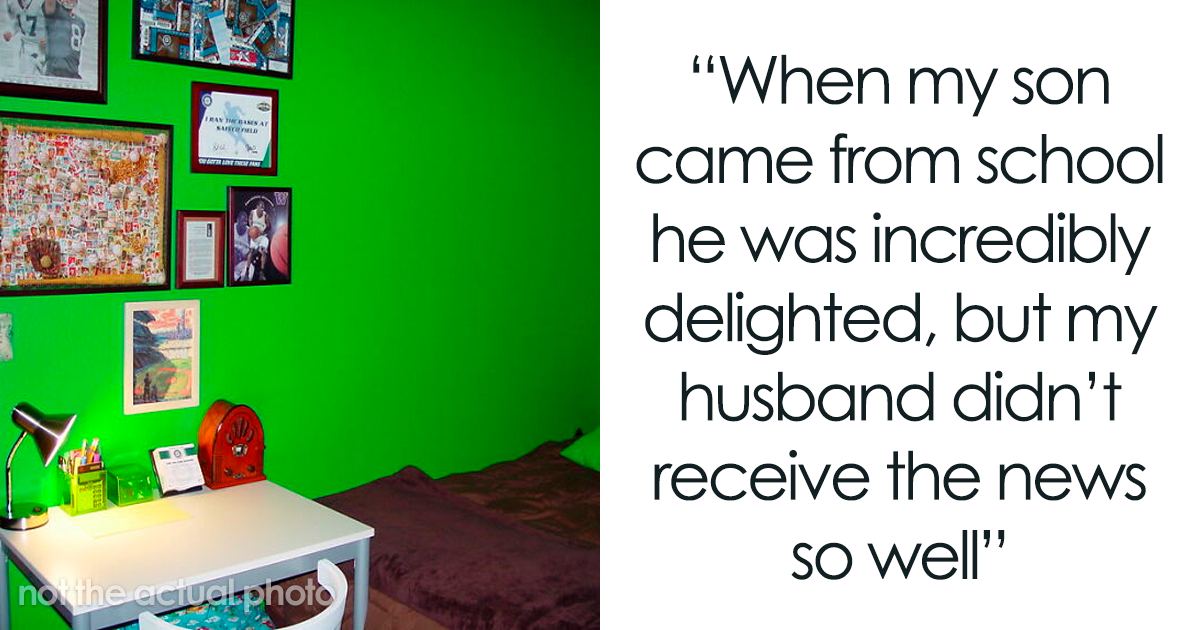
The viral story behind the title centers on a mother who secretly installed a door in her 14-year-old son’s bedroom after her husband insisted the teen did not need privacy until adulthood. The dad believed that as long as the child lived under his parents’ care, privacy was not a right. The mother disagreed, saw her son’s discomfort, and decided that a door would be both a birthday and Christmas gift. The son was thrilled. The father was furious. The marriage, at least temporarily, became colder than leftover pizza.
At first glance, this may sound like internet drama built for comment sections. But underneath the door debate is a much bigger parenting question: How much privacy should teenagers have, and what happens when parents disagree about boundaries, trust, and control?
Why a Bedroom Door Became Such a Big Deal
A bedroom door is not just wood, hinges, and a knob that somehow always starts squeaking at midnight. For a teenager, it can represent personal space, dignity, independence, and the feeling that their family sees them as a growing person rather than a little kid who still needs every move supervised.
In this story, the father’s position was strict: no door, no privacy, no compromise. His reasoning was partly based on how he was raised. That is common in parenting. Many adults parent from memory, even when those memories come from homes that were too harsh, too controlling, or simply not built for today’s understanding of adolescent development.
The mother’s position was different. She believed a 14-year-old should have at least basic privacy. That does not mean no rules. It does not mean the teen gets to vanish into his room forever like a moody wizard in a hoodie. It means he should be able to change clothes, decompress, read, sleep, and exist without feeling watched.
Teen Privacy Is Not the Same as Teen Secrecy
One of the biggest misunderstandings in parent-teen relationships is the idea that privacy automatically equals secrecy. It does not. Privacy is healthy personal space. Secrecy is hiding something important that affects safety or trust. The two overlap sometimes, but they are not twins.
A teen asking for a door is not automatically saying, “I want to do suspicious things.” Often, they are saying, “I need somewhere I can breathe.” Adolescence comes with body changes, emotional swings, social pressure, school stress, and a growing desire to make decisions. Having a private space can help teens regulate those changes without feeling like they live in a public lobby.
Parents can still set rules. They can require unlocked doors during certain times, keep devices out of bedrooms overnight, knock before entering, and make safety expectations clear. A reasonable door policy can include both privacy and accountability.
Why Teenagers Need Personal Space
Teenagers are in the strange middle zone between childhood and adulthood. They still need guidance, structure, and support, but they also need chances to practice independence. If parents control everything, teens may not learn how to manage freedom responsibly. If parents disappear completely, teens may feel unsupported. The goal is not total control or total freedom. The goal is guided independence.
Personal space helps teens build identity. A room can become the place where they figure out what music they like, what hobbies matter to them, what books they enjoy, what style feels comfortable, and how to calm down after a stressful day. Yes, sometimes that room may look like a laundry basket exploded during a science experiment. Still, it is their space.
A door also supports bodily privacy. By age 14, most teens are deeply aware of their changing bodies. They may feel embarrassed, self-conscious, or simply ready for basic boundaries. Expecting a teenager to live without a bedroom door can feel humiliating, even if the parent does not intend harm.
When Parental Control Starts Looking Like Distrust
Parents often say, “I just want to protect my child.” That may be true. But protection can become control when it ignores a teen’s dignity. Removing privacy as a default sends a loud message: “I do not trust you unless I can see you.”
That message can backfire. Teens who feel constantly monitored may not become more honest. They may become better at hiding. They may stop sharing because they assume every conversation will become an interrogation. Trust grows when parents combine clear expectations with respectful boundaries.
In the viral story, commenters were concerned not only about the missing door but also about the father’s refusal to compromise. A healthy family rule can be explained, discussed, and adjusted. A controlling rule often comes with “because I said so” energy and no room for conversation.
The Co-Parenting Problem: Was the Mom Right to Act Secretly?
Here is where the story gets complicated. Was the mother right to believe her son deserved a door? Many people would say yes. Was it ideal to install it secretly without resolving the disagreement with her husband? That is trickier.
In healthy co-parenting, major household decisions should usually be discussed. Installing a door is not the same as buying a new toothpaste flavor. It changes the home and directly challenges the other parent’s rule. So yes, in a perfect world, the parents would have talked, listened, and reached a compromise before the hinges came out.
But real families do not always operate in perfect-world mode. If one parent refuses all compromise and the child’s basic dignity is on the line, the other parent may feel forced to act. That does not erase the marital conflict, but it explains why the mother made the decision.
What a Better Compromise Could Have Looked Like
A calmer solution might have started with a family meeting. Not the scary kind where everyone sits stiffly at the kitchen table like they are about to discuss tax fraud. A real conversation. The parents could have asked the teen what privacy meant to him and what rules he thought were fair.
For example, the family could agree that the teen gets a door, parents knock before entering, and the door stays unlocked unless he is changing clothes or sleeping. They could also agree that no overnight device use is allowed, homework expectations remain in place, and parents may enter immediately if there is a safety concern.
This approach teaches responsibility. It says, “We trust you with privacy, and privacy comes with expectations.” That lesson is far more useful than “You get no door because adulthood starts at 18.”
Authoritative Parenting Works Better Than Authoritarian Parenting
There is a big difference between authoritative and authoritarian parenting. Authoritative parents set rules, explain reasons, listen to their children, and adjust as kids mature. Authoritarian parents focus more on obedience, control, and punishment. One builds cooperation. The other often builds resentment.
A teen bedroom door is a perfect example. An authoritarian response says, “No door. End of discussion.” An authoritative response says, “You can have privacy, but we need rules that keep you safe and responsible.”
The second response does not make parents weak. It makes them strategic. Teenagers are more likely to respect rules when they understand the reason behind them and feel they had some voice in the process.
Why “This Is How I Was Raised” Is Not Always a Good Argument
Many parents repeat patterns from childhood because those patterns feel familiar. But familiar does not always mean healthy. A parent might say, “I never had privacy, and I turned out fine.” The problem is that “fine” can mean many things. Some people survive strict homes but carry anxiety, anger, or emotional distance into adulthood.
Good parenting evolves. Seat belts became standard. Smoking around kids became unacceptable. Mental health conversations became more open. In the same way, our understanding of teen privacy has improved. Respecting a teenager’s personal space is not modern softness. It is part of helping them become emotionally healthy adults.
When a Door Should Not Mean Total Isolation
Giving a teen a door does not mean parents should ignore warning signs. Privacy should not become a wall that blocks connection. If a teen suddenly withdraws from everyone, stops sleeping, loses interest in activities, becomes aggressive, or shows major mood changes, parents should pay attention and seek support when needed.
The key is to monitor through relationship, not surveillance. Ask questions without sounding like a detective in a crime show. Spend time together. Know their friends. Pay attention to school patterns. Create routines where conversation happens naturally, such as during meals, errands, walks, or car rides.
Parents should also make clear that safety overrides privacy in urgent situations. If there is a serious concern, a parent may need to enter a room or check on a teen. But that should be the exception, not the everyday rule.
How Parents Can Rebuild Trust After a Fight Like This
Once a disagreement becomes a major fight, the issue is no longer only the door. Now the family has to repair trust. The mother may need to acknowledge that making the decision secretly escalated the conflict. The father may need to acknowledge that refusing basic privacy created pain for his son and tension in the marriage.
A good repair conversation might sound like this: “We both want our son to be safe and grow into a responsible person. We disagree about how to do that. Let’s create a privacy plan that respects him while keeping clear family rules.”
The son should also be included at some point. Not as the judge of the marriage, but as the person affected by the rule. Parents can say, “We are working this out, and we want to hear what helps you feel respected and safe.”
What Teenagers Learn From These Conflicts
Teens learn more from how parents handle conflict than from lectures about respect. If parents yell, punish, stonewall, or refuse to compromise, teens absorb that. If parents apologize, listen, negotiate, and repair, teens absorb that too.
In this story, the son may learn one of two lessons. He may learn that adults use power to win. Or he may learn that healthy families can make mistakes and still correct course. The door is important, but the emotional lesson attached to it may matter even more.
Practical Door Rules That Actually Make Sense
Families dealing with a similar issue can create a simple bedroom privacy agreement. The rules should be clear, realistic, and not written like a prison handbook.
1. Knock before entering
This teaches mutual respect. Parents can expect teens to knock before entering their room too. Boundaries work best when they go both ways.
2. Keep safety exceptions clear
Parents may enter immediately if there is a genuine emergency, serious safety concern, or urgent household issue. “I could not find the TV remote” does not count as an emergency.
3. Set device rules separately
If the real concern is online safety or sleep, address that directly. Do not remove a door because of a phone problem. Create phone charging rules, screen limits, or media expectations.
4. Connect privacy to responsibility
A teen with privacy should also handle responsibilities: schoolwork, hygiene, chores, respectful communication, and reasonable room cleanliness. Not showroom clean. Just “no mysterious smell coming from under the bed” clean.
5. Review the agreement
Family rules should mature as teens mature. What works at 14 may need adjusting at 16. A review every few months can prevent small frustrations from becoming dramatic internet-worthy explosions.
Experiences Related to This Topic: What Families Often Discover the Hard Way
Many parents do not realize how emotional privacy issues can become until the conflict is already loud. A bedroom door may seem small to an adult who pays the mortgage, fixes the sink, and remembers when the teen once proudly wore superhero pajamas to the grocery store. But to the teen, that door can feel like proof that they are no longer being treated as a little child.
One common experience is the “knock first” lesson. Parents may think knocking is optional because it is their house. Teens often experience unannounced entry as embarrassing or disrespectful. A parent might walk in to ask about laundry and accidentally create a memory that the teen files under “Reasons I Will Move Out Immediately at 18.” Knocking costs nothing, but it can preserve dignity.
Another common experience involves parents confusing privacy with rejection. When a teen spends more time in their room, a parent may feel pushed away. That feeling is real. But it does not always mean the teen dislikes the family. Sometimes the teen is tired, overstimulated, socially drained, or trying to process emotions they cannot yet explain. The best response is not to force constant togetherness. It is to create low-pressure connection: a snack, a shared show, a quick drive, or a calm “I’m here if you want to talk.”
Families also discover that control can create the exact behavior parents fear. A teen who feels trusted may come forward when something goes wrong. A teen who feels watched may hide problems until they become bigger. Trust is not built by removing every possible hiding place. It is built by becoming the kind of parent a teen can approach without immediately being shamed, mocked, or punished into silence.
Co-parenting adds another layer. When one parent is more strict and the other is more flexible, the teen can end up stuck between two styles. The strict parent may see flexibility as weakness. The flexible parent may see strictness as emotional harm. The teen sees the whole thing and learns where the cracks are. That is why parents need private adult conversations before turning disagreements into family policy.
A useful experience many families report is creating “privacy with check-ins.” For example, a teen gets a door and personal space, but the family still has dinner together several nights a week. The teen can close the door, but parents can knock and expect a response. Devices charge outside the bedroom at night. Friends are welcome, but house rules apply. This structure gives everyone something: the teen gets dignity, and parents get reasonable safety boundaries.
Some parents also learn to apologize in these moments. A simple apology can be powerful: “I realize I made you feel like I did not trust you. I was trying to protect you, but I handled it badly.” That kind of sentence does not destroy parental authority. It strengthens it because it models emotional maturity.
The biggest lesson is that privacy is not a prize teens should earn only after years of proving perfection. Privacy is part of growing up. It can be limited when safety is at risk, but it should not be denied as a default. A teenager with a door, clear rules, and emotionally available parents is usually in a better position than a teenager with no door and a home full of tension.
Conclusion: The Door Was Never Just a Door
The fight over the teenage son’s bedroom door is memorable because it sounds dramatic, but it resonates because many families wrestle with the same issue in quieter ways. How much independence is too much? How much monitoring is healthy? When does protection become control?
A 14-year-old does not need adult-level freedom, but he does need respect. A bedroom door is a reasonable part of that respect. Parents can and should set expectations around safety, technology, chores, school, and communication. But denying basic privacy can damage trust and make a teen feel powerless in their own home.
The mother’s secret installation may not have been the cleanest co-parenting move, but her instinct that her son deserved privacy was understandable. The better path forward is not more punishment or more silence. It is conversation, repair, and a family privacy agreement that balances trust with responsibility.
In the end, a door can close. But in a healthy family, communication should not.