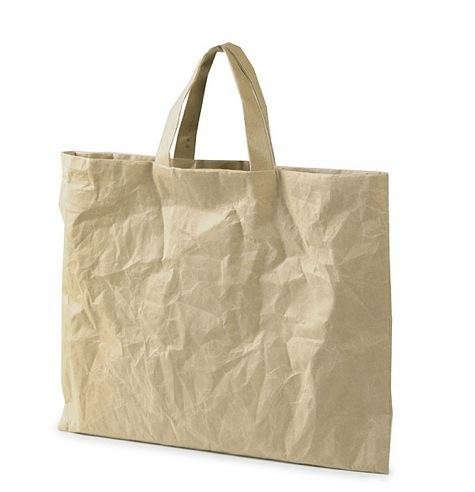
The SIWA Vertical Flat Bag is the kind of product that makes you pause, squint, and ask the perfectly reasonable question: “Wait… is that really paper?” Yes, it is. Sort of. More accurately, it is made from Naoron, a special washi-inspired material developed by ONAO, the Japanese paper manufacturer behind the SIWA brand. It looks like crumpled paper, feels softer than it has any right to feel, and behaves far more confidently than the paper bag currently hiding under your kitchen sink.
Designed by acclaimed industrial designer Naoto Fukasawa, SIWA products are known for their quiet beauty, practical minimalism, and unusual material story. The Vertical Flat Bag captures all of that in one slim, upright form. It is light, flexible, water-resistant, tear-resistant, and intentionally wrinkled. In other words, the wrinkles are not a flaw. They are the whole personality. Finally, a bag that understands the rest of us after a long Monday.
This article explores what makes the SIWA Vertical Flat Bag special, how it is made, who it is best for, how it compares with everyday totes and storage bags, and what using it in real life actually feels like.
What Is the SIWA Vertical Flat Bag?
The SIWA Vertical Flat Bag is a minimalist paper-style bag designed for everyday carrying, organizing, gifting, and light storage. Unlike a standard tote with a bulky base, the vertical flat shape is slim and simple. It can hold documents, small personal items, accessories, notebooks, folded clothing, craft supplies, or lightweight daily essentials without taking over your room like an overexcited laundry basket.
The bag’s defining feature is its material. SIWA uses Naoron, a durable paper-like textile created with Japanese washi-making techniques. Traditional washi is famous for its strength, texture, and elegance. Naoron takes that heritage and adapts it for modern objects such as bags, pouches, cases, wallets, boxes, and storage accessories.
The result is a bag that looks delicate but performs surprisingly well. It has the relaxed charm of a brown paper bag, the softness of fabric, and the design credibility of a museum-shop object. It is not flashy. It does not scream for attention. It simply sits there looking thoughtful, useful, and slightly more sophisticated than everything around it.
The Story Behind SIWA: Paper, Design, and Everyday Use
SIWA was created through a collaboration between ONAO, a Japanese paper company with roots in Yamanashi’s long papermaking tradition, and Naoto Fukasawa, one of Japan’s most respected product designers. Fukasawa is known for designs that feel effortless, familiar, and deeply considered. His work often removes unnecessary details until an object feels almost inevitable.
The name “SIWA” refers to wrinkles or crinkles, which makes perfect sense once you see the bag. Many bags fight aging. SIWA embraces it. The more the surface creases, folds, and softens, the more character it gains. Instead of trying to stay showroom-perfect, the bag develops a lived-in texture that makes it feel personal.
That design philosophy matters. The SIWA Vertical Flat Bag is not just a novelty item made from unusual material. It is a practical object designed around the way people actually use things: folding, carrying, storing, grabbing, setting down, picking up again, and occasionally forgetting what they put inside. The bag understands daily life. It is not precious, but it is special.
What Is Naoron?
Naoron is the material that gives the SIWA Vertical Flat Bag its unusual personality. It is paper-like, but far tougher than ordinary paper. Depending on the specific product, SIWA uses variations such as Soft Naoron and Hard Naoron. These materials are made using washi-style production methods and can include wood pulp, polyolefin fibers, or polyester fibers, including recycled fibers in some versions.
What makes Naoron impressive is the balance between lightness and strength. It is designed to be flexible, water-resistant, and difficult to tear. It can be folded and crumpled without losing its appeal. In fact, the creases become part of the design language.
For shoppers used to cotton canvas, nylon, leather, or synthetic tote bags, Naoron feels refreshingly different. It is soft but structured, thin but reliable, humble but memorable. It is the sort of material that invites touch. You do not just look at it; you want to pinch the edge, fold it, open it, and see how it behaves.
Key Features of the SIWA Vertical Flat Bag
1. Lightweight Construction
One of the biggest advantages of the SIWA Vertical Flat Bag is its low weight. Traditional canvas totes can feel sturdy but bulky. Leather bags can look beautiful but become heavy before you even put anything inside. SIWA goes in the opposite direction. The Vertical Flat Bag feels almost weightless, making it easy to keep around as a spare bag, organizer, or stylish everyday carrier.
2. Slim Vertical Shape
The vertical flat profile is excellent for people who like clean lines and compact storage. It is especially useful for papers, slim notebooks, folders, magazines, cards, packaging materials, and small goods that do not require a deep base. When not in use, it can be flattened or rolled more easily than many structured bags.
3. Water-Resistant Material
Ordinary paper and water are usually a tragic comedy. One raindrop and the whole situation starts looking dramatic. Naoron changes the story. SIWA bags are designed to resist water better than common paper, making them more suitable for real daily use. That does not mean the bag should be treated like a waterproof dry bag for kayaking, but a little rain or a damp umbrella is not an automatic disaster.
4. Tear-Resistant Performance
The SIWA Vertical Flat Bag looks fragile at first glance, but Naoron is built for durability. The material resists tearing far better than regular craft paper. This makes the bag practical for carrying everyday items and using as a reusable alternative to disposable paper gift bags or thin shopping bags.
5. Beautiful Wrinkled Texture
The wrinkles are not accidental. They are the visual signature. The surface has a soft, crumpled quality that makes each bag look slightly unique. Over time, the texture deepens, which means the bag does not need to remain pristine to remain attractive. This is wonderful news for anyone who owns objects and also lives on planet Earth.
Design Analysis: Why the Bag Works
The SIWA Vertical Flat Bag succeeds because it does not try too hard. Its form is simple, almost archetypal. It looks like the idea of a bag reduced to its essentials: opening, sides, handle, body, function. There are no loud logos, shiny hardware, unnecessary straps, or dramatic compartments demanding a round of applause.
This restraint is very much in line with Japanese minimalist design. The bag allows the material to do the talking. The surface texture, slight irregularity, and tactile softness create visual interest without decoration. It feels refined because nothing is over-explained.
The vertical format also gives the bag a tidy, architectural presence. It can lean against a wall, sit on a shelf, hold desk supplies, or carry personal items without looking messy. In a home office, it can store documents or magazines. In a bedroom, it can hold scarves, socks, accessories, or travel items. In a retail setting, it can work as elevated packaging for gifts, handmade products, or boutique goods.
Best Uses for the SIWA Vertical Flat Bag
Everyday Carry
The bag is suitable for light daily use: a book, notebook, wallet, phone, keys, small pouch, or folded tote. It is not meant to replace a heavy-duty backpack, but it performs beautifully as a casual carry bag for errands, gallery visits, coffee runs, or workdays when you only need a few essentials.
Home Organization
Because the bag is slim and attractive, it works well as visible storage. Use it for mail, paper clutter, fabric samples, knitting supplies, chargers, stationery, or reusable shopping bags. It turns small messes into something that looks intentional. That is basically interior design magic.
Gift Packaging
The SIWA Vertical Flat Bag also shines as reusable gift packaging. Instead of wrapping a present in paper that will be admired for eight seconds and then destroyed, you can place the gift in a SIWA bag that becomes part of the present. It is elegant, sustainable-minded, and far more memorable than a glittery gift bag that sheds like a festive golden retriever.
Office and Studio Use
Designers, writers, artists, and stationery fans may appreciate the bag as a document holder or project organizer. Its paper-like texture fits beautifully into creative environments. It feels less corporate than plastic folders and less bulky than fabric bins.
How It Compares With Other Bags
Compared with a cotton tote, the SIWA Vertical Flat Bag is lighter, slimmer, and more sculptural. A cotton tote is washable and casual, but it can become floppy and stained. SIWA has a more refined texture and a stronger design identity.
Compared with a leather bag, SIWA is much lighter and less formal. Leather offers long-term luxury and high load capacity, but it also requires care and carries more weight. SIWA is better for people who want minimalism, portability, and an unusual material story.
Compared with a regular paper bag, SIWA is in another category entirely. A standard paper bag may tear, wrinkle unattractively, and collapse when wet. The SIWA Vertical Flat Bag is designed to handle wrinkles gracefully and resist daily wear more confidently.
Compared with nylon or polyester bags, SIWA feels warmer, quieter, and more natural to the touch. Nylon may win for sports, travel, or heavy weather, but SIWA wins when aesthetics, texture, and gentle daily function matter most.
Who Should Buy the SIWA Vertical Flat Bag?
The SIWA Vertical Flat Bag is ideal for design lovers, minimalists, stationery collectors, boutique shoppers, architects, artists, and anyone who appreciates practical objects with a strong material concept. It is also a smart choice for people who like reusable bags but want something more distinctive than the average canvas tote.
It may not be the right choice for someone who needs a rugged commuter bag for a laptop, gym shoes, groceries, and a water bottle the size of a fire extinguisher. For heavy-duty use, a structured backpack or reinforced tote is more appropriate. But for light carrying, elegant storage, and daily organization, SIWA is a delight.
Care Tips for a SIWA Bag
To keep the SIWA Vertical Flat Bag looking good, treat it with thoughtful everyday care. Avoid sharp objects that can puncture the surface. Do not overload it beyond reasonable limits. Keep it away from high heat, dryers, and harsh scrubbing. If it gets damp, let it air dry naturally. If dust or light dirt appears, wipe gently with a soft cloth.
The bag is meant to change with use. Do not panic when new creases appear. That is not damage; that is character development. Think of it like denim, leather, or a well-loved notebook. The surface becomes more personal over time.
Pros and Cons of the SIWA Vertical Flat Bag
Pros
- Extremely lightweight and easy to store
- Made from durable, water-resistant Naoron paper
- Minimalist design by Naoto Fukasawa
- Wrinkled texture becomes more beautiful with use
- Useful as a carry bag, organizer, or reusable gift bag
- Distinctive alternative to canvas, leather, nylon, and ordinary paper bags
Cons
- Not designed for very heavy or sharp items
- May not suit people who prefer structured compartments
- Paper-like texture can surprise shoppers expecting fabric
- Availability may vary depending on retailer and collection
- Minimalist style may feel too plain for those who love bold decoration
Is the SIWA Vertical Flat Bag Sustainable?
The SIWA Vertical Flat Bag appeals to sustainability-minded shoppers because it is reusable, lightweight, long-lasting, and designed to reduce the need for disposable paper or plastic bags. Some SIWA materials incorporate recycled fibers, and the brand’s design approach encourages long-term use rather than fast replacement.
That said, sustainability is not only about the material itself. It is also about how often an item is used, how long it lasts, and whether it replaces disposable alternatives. A SIWA bag becomes more environmentally meaningful when it is used repeatedly as a daily object, not kept in a drawer like a delicate museum artifact waiting for a dramatic lighting cue.
Styling Ideas for the SIWA Vertical Flat Bag
The brown or neutral tones often associated with SIWA pair well with minimalist wardrobes, linen clothing, denim, monochrome outfits, workwear, and casual Japanese-inspired styling. The bag can look especially good with relaxed tailoring, simple sneakers, oversized shirts, or natural fabrics.
At home, it blends beautifully with wood, ceramic, paper lanterns, woven baskets, matte metal, and neutral interiors. Use it near a desk, entryway, reading corner, or shelf. It has enough personality to be visible, but not so much personality that it starts arguing with your furniture.
Real-Life Experience: Living With the SIWA Vertical Flat Bag
Using the SIWA Vertical Flat Bag feels different from using a normal tote. The first surprise is the weight. You pick it up expecting more substance, but it is wonderfully light. There is a moment when your brain says, “This cannot possibly be durable,” and then your hands start testing the texture. The material bends, wrinkles, and flexes without feeling flimsy. It is a small design trick, but a memorable one.
For everyday errands, the bag works best when you carry a few carefully chosen items. A paperback, phone, wallet, keys, sunglasses, folded scarf, and small pouch all feel appropriate. It is not the bag for chaotic grocery shopping where you suddenly decide to buy a melon, two jars of pasta sauce, and a suspiciously heavy candle. But for light, intentional carrying, it feels elegant and easy.
In a home office, the Vertical Flat Bag becomes surprisingly useful. It can hold current paperwork, notebooks, receipts, magazines, envelopes, or project materials. Because it stands apart visually from plastic folders and generic bins, it makes organization feel less like a punishment and more like a design decision. That is a rare achievement. Most storage items merely hide chaos. SIWA makes the hiding look refined.
As a gift bag, it creates an excellent first impression. Imagine giving someone a book, scarf, notebook, handmade candle, or small ceramic piece inside a SIWA bag. The packaging becomes reusable, tactile, and memorable. It says, “I thought about this,” without needing a ribbon the size of a dinner plate.
The most enjoyable part is how the bag ages. At first, you may be careful with it. After a few uses, you relax. The wrinkles deepen. The edges soften. The bag starts looking less like a new product and more like your product. That lived-in quality is what makes SIWA special. It does not demand perfection. It rewards use.
There is also a quiet pleasure in carrying something that confuses expectations. People may assume it is just a paper bag until they notice it does not behave like one. It has a subtle conversation-starting quality, especially among people who appreciate design, stationery, Japanese craft, or clever materials. It is not loud luxury. It is intelligent simplicity.
After regular use, the SIWA Vertical Flat Bag proves best as a companion for thoughtful routines: carrying a book to a café, organizing documents for a meeting, storing creative supplies, wrapping a meaningful gift, or keeping small items together near the front door. It is less about maximum capacity and more about making ordinary actions feel calmer and better designed.
Final Verdict
The SIWA Vertical Flat Bag is a beautiful example of what happens when traditional papermaking, modern material innovation, and minimalist industrial design meet in one everyday object. It is practical without being boring, delicate-looking without being weak, and simple without being forgettable.
For anyone who loves Japanese design, tactile materials, reusable accessories, or clever storage solutions, this bag is worth serious attention. It will not replace every bag you own, and it is not trying to. Instead, it fills a quieter role: a lightweight, elegant, wrinkle-friendly object that makes carrying and organizing feel just a little more graceful.
Note: This article is written for web publishing in standard American English and is based on verified product, brand, material, and design information about SIWA, Naoron, ONAO, and Naoto Fukasawa.