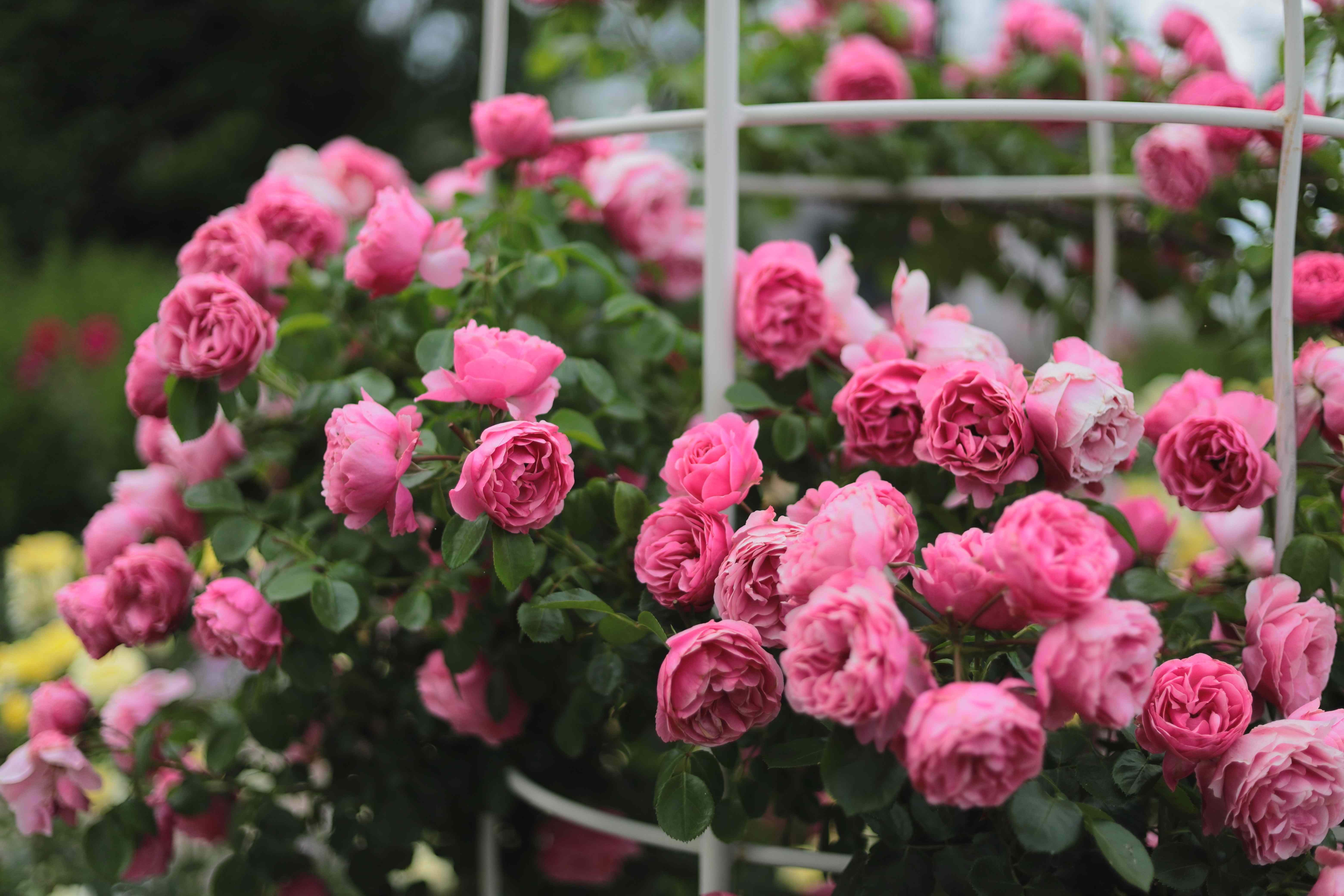
Every rose gardener dreams the same dream: bigger blooms, healthier leaves, fewer fungal tantrums, and a spring display so good the neighbors suddenly become very interested in “just chatting by the fence.” But if you want better roses next year, the biggest improvement may come from one surprisingly unglamorous job this year.
The simple task is fall rose cleanup. Not fancy fertilizer. Not a miracle spray with a label that sounds like it was named by a superhero. Just a thorough cleanup of diseased leaves, fallen petals, black-spotted debris, and damaged canes before winter settles in.
It is not the most exciting garden job. No one has ever thrown a party called “Come watch me rake suspicious rose leaves.” But it works. And in many gardens, it works better than chasing problems after they explode in spring.
If your roses struggled with black spot, rust, mildew, yellow leaves, or weak flowering this year, this one chore can make a real difference. Done correctly, it reduces disease carryover, lowers stress on the plant, improves air circulation around the crown, and gives your rose bush a cleaner, calmer start when growing season returns.
The One Task That Matters Most: Clean Up the Rose Bed Before Winter
When gardeners say they want “better roses next year,” they usually mean four things: more blooms, stronger canes, healthier foliage, and fewer disease headaches. Fall sanitation helps with all four.
Rose diseases, especially fungal ones, are opportunists. They do not politely pack their bags and leave when summer ends. Many linger on infected leaves, canes, and plant debris. That means the mess under and around your rose bush is not just ugly. It can act like a winter motel for next season’s problems.
So the job is simple: remove fallen leaves, strip out badly diseased foliage still clinging to the plant, cut away dead or visibly infected canes, clear spent petals and old mulch if it is contaminated, and throw the debris away. In other words, do not let your rose bed turn into a fungal Airbnb.
This task is especially important if your roses had black spot, one of the most common and frustrating rose diseases. Black spot causes dark lesions, yellowing leaves, and early defoliation. When a rose loses leaves too soon, it loses energy. Less energy this year often means weaker performance next year.
Why Fall Cleanup Has Such a Big Impact on Next Year’s Blooms
1. It reduces overwintering disease pressure
Think of fall cleanup as breaking the cycle before it gets a head start. Infected leaves and canes can carry disease spores into the next season. If you remove that material now, there is less infectious material hanging around when spring growth begins.
That matters because new rose foliage is tender, juicy, and very appealing to disease. A clean planting area gives your plant a better chance to leaf out without immediately entering a slap-fight with black spot.
2. It protects the plant’s energy reserves
A rose that defoliates early because of disease has a harder time storing the energy it needs for winter survival and spring growth. Healthy leaves are solar panels. When disease knocks them off too soon, the plant has less time to recharge.
That is one reason sanitation is not just about appearance. It is about preserving vigor. Better vigor often translates to stronger spring growth, more productive canes, and better flowering.
3. It improves airflow and lowers moisture-related problems
Messy rose beds trap moisture, and moisture is a five-star resort for fungal issues. Cleaning around the base of the plant improves airflow and helps the area dry out more quickly. Roses prefer sun, good air movement, and leaves that do not stay wet forever like they are starring in a gloomy Victorian novel.
4. It makes spring pruning and feeding more effective
Starting the season with a clean bed means you can focus on growth instead of cleanup. Your spring pruning cuts are easier to see, mulch goes down on clean soil, and any feeding program you use supports a healthier plant rather than one already playing defense.
Exactly What to Remove
Here is what belongs on your cleanup list:
- Fallen rose leaves, especially spotted, yellow, or mildewed ones
- Spent petals and old blooms lying around the base of the plant
- Dead, broken, or clearly diseased canes
- Any leaves still attached to the plant that show obvious fungal damage
- Weeds and crowded growth near the crown
- Old mulch if disease was severe and debris has collected in it
Be selective, not reckless. You are cleaning, not auditioning for a chainsaw competition. The goal is to remove sources of disease and clutter without triggering fresh tender growth too early in cold climates.
If your rose is a hybrid tea, floribunda, or grandiflora in a cold-winter area, avoid heavy fall pruning. A light reduction of overly long canes to prevent wind whip is often enough. The major structural pruning is usually better saved for late winter or early spring, depending on your climate.
What Not to Do
Do not compost diseased rose debris at home
This is where many well-meaning gardeners accidentally keep the problem alive. Home compost piles often do not get consistently hot enough to kill fungal spores and infected tissue. If the material is diseased, bag it or place it in municipal green waste according to local rules.
Do not fertilize aggressively late in the season
Late heavy feeding can push tender new growth at exactly the wrong time. That soft growth may be vulnerable to cold damage. Your rose should be easing toward dormancy, not acting like spring has returned for a surprise encore.
Do not keep deadheading too late into fall
In many regions, gardeners stop deadheading modern repeat-blooming roses in early fall so hips can form and growth can slow down naturally before winter. That is different from sanitation. You can stop deadheading and still clean up diseased material. Those two ideas can happily coexist without arguing in the tool shed.
Do not leave soggy debris around the crown
The base of the plant should be clean and open. Crowded debris encourages moisture retention and creates a friendlier environment for disease than your roses would ever choose for themselves.
A Simple Step-by-Step Fall Cleanup Routine
Here is a realistic routine that most gardeners can finish in one session:
Step 1: Inspect the bush
Look for black spot, rust, powdery mildew, dead canes, crossing stems, and old petals lodged in the plant. Make a mental note of the worst problem areas.
Step 2: Pick up everything on the ground
Rake or hand-collect leaves, petals, and fallen debris from around the base of the rose. Do not leave “just a few” because fungal spores are not known for respecting your shortcuts.
Step 3: Remove visibly diseased foliage and dead wood
Use clean pruners to remove dead, blackened, damaged, or obviously infected stems. If you see canes with lesions or serious dieback, cut back to healthy tissue.
Step 4: Thin lightly if needed
If the center is badly congested, a little thinning can help airflow. Go lightly in fall, especially in colder areas. Save the hard shaping for the proper pruning season.
Step 5: Dispose of the debris
Bag it, bin it, or use a municipal yard-waste system. Do not tuck diseased rose leaves into the compost pile and hope for the best.
Step 6: Refresh mulch carefully
Once the bed is clean, apply fresh mulch if needed. Keep it a few inches away from the canes so the crown does not stay excessively damp.
Step 7: Water wisely
During the growing season, water at the base rather than overhead whenever possible. That habit alone can reduce future disease trouble.
Bonus Habits That Support Better Roses Next Year
Fall cleanup is the star of this show, but it works even better when paired with smart rose care habits.
Choose disease-resistant varieties
If you are planting new roses, look for cultivars known for strong disease resistance. A rose that naturally shrugs off black spot is easier to grow than one that needs constant rescue missions.
Plant in full sun
Most roses perform best with plenty of direct sunlight. Sun helps dry foliage faster, strengthens flowering, and generally keeps the plant sturdier.
Space plants well
Good air circulation matters. If your roses are packed tightly with other shrubs, mildew and black spot may feel invited.
Prune at the right time
Major pruning is usually best done in late winter or early spring, often around the time buds begin to swell or when local cues such as forsythia bloom appear. Timing depends on your region and the type of rose you grow.
Winter-protect tender roses when needed
In colder climates, hybrid teas and similar tender roses may need mounding or extra mulch after the plant has gone dormant and hard frosts arrive. The key is timing: protect the plant once it has hardened off, not while it is still trying to grow.
Common Rose-Growing Scenarios
If your rose had black spot all summer
Cleanup is non-negotiable. Remove every fallen infected leaf you can find. If disease was severe, consider replacing contaminated mulch and starting fresh.
If your rose looked healthy this year
Still clean it up. Prevention is easier than cure. Healthy roses benefit from tidy beds and better airflow too.
If you grow roses in containers
Container roses need sanitation just as much as in-ground plants. Remove all debris from the pot surface and check for diseased leaves tucked into the crown. Containers can stay damp longer, so cleanliness matters even more.
If you live in a mild climate
You may have a longer rose season, but that also means diseases can linger longer. Winter cleanup still matters because pathogens do not always get knocked back by deep freezes.
The Real Secret: Roses Reward Consistency More Than Drama
Gardeners often look for one giant trick that changes everything. Roses are usually less dramatic than that. They respond to steady, smart care. And few jobs are as effective, simple, and overlooked as a proper seasonal cleanup.
It is not glamorous. It will not make your gardening gloves look elegant. But it can absolutely set the stage for stronger growth and cleaner foliage next spring.
So yes, wanting better roses next year is reasonable. Expecting that result while leaving diseased leaves under the bush all winter is a little optimistic. Roses are forgiving, but they do appreciate some backup.
Practical Experiences and Lessons From Real Rose Care
Gardeners who grow roses year after year often notice the same pattern. The seasons when roses look their worst in spring are usually the seasons that followed a lazy cleanup in fall or winter. Not because roses are petty, although sometimes they do seem to have opinions, but because garden problems are cumulative. A little disease one year becomes more disease the next if infected material stays in place.
One common experience goes like this: a gardener sees black spot in midsummer, shrugs, and decides to “deal with it later.” Then autumn arrives, leaves fall, and the bed becomes a scrapbook of every fungal problem the plant had all season. Spring returns, new leaves emerge beautifully, and within weeks the same trouble is back. It feels mysterious until you realize the disease never really left.
Another frequent lesson comes from gardeners who switched from overhead watering to watering at the base. They often report fewer leaf problems, especially when that change is combined with better cleanup and a little pruning for airflow. It is not magic. It is simply giving fungal diseases fewer opportunities to spread and linger.
There is also the experience of overdoing fall pruning. Many beginners assume that if some pruning is good, a dramatic haircut must be better. Then winter arrives, temperatures drop, and the plant struggles because tender cuts and stimulated growth were exposed too early. Seasoned rose growers usually learn to be more restrained in fall: clean thoroughly, remove what is dead or diseased, shorten only what truly needs shortening, and save the big shaping for the proper season.
Container growers often learn a related lesson. Because pots are small, debris can collect quickly around the base of the plant, and moisture tends to hang around longer than expected. A container rose with a dirty surface can become a tiny laboratory for disease. Once those gardeners begin removing debris regularly and replacing old surface material when needed, the plants often rebound with cleaner growth.
Even gardeners with disease-resistant shrub roses notice that cleanup still pays off. Resistant does not mean invincible. It simply means the rose has better odds. Keeping the area tidy, mulched correctly, and free of infected leaves helps even tough roses look better and require less intervention.
The most useful experience of all may be this: roses rarely need perfection, but they do need attention at the right moments. Fall cleanup is one of those moments. A rose bed that enters winter clean, open, and free of infected debris usually starts spring with a clear advantage. And in gardening, an early advantage is often the difference between a rose bush that merely survives and one that absolutely shows off.
Conclusion
If you want better roses next year, do not underestimate the power of one humble task. Cleaning up diseased leaves, petals, damaged canes, and debris before winter is one of the smartest things you can do for healthier spring growth, better bloom production, and lower disease pressure.
It is quick, practical, affordable, and grounded in old-fashioned common sense. In a gardening world full of flashy products and miracle promises, that is refreshing. Sometimes the real secret to better roses is not adding more. It is removing what should not have been left there in the first place.
So grab your gloves, your pruners, and your determination. Your future roses are counting on you. Quietly, beautifully, and with just a hint of thorny judgment.