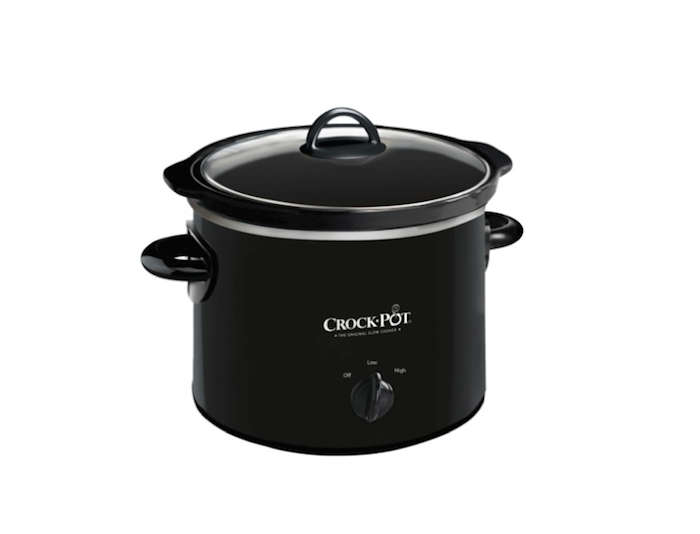
The Crock-Pot Manual Slow Cooker is the kitchen equivalent of that dependable friend who shows up on time, brings snacks, and never asks you to download an app. No touchscreen. No complicated programming. No mysterious blinking lights that make dinner feel like a spaceship launch. Just a sturdy slow cooker with a simple dial, a removable stoneware insert, and the classic low-and-slow cooking style that made Crock-Pot a household name.
For many American kitchens, the appeal is obvious: add ingredients, choose Low or High, let the appliance do its quiet countertop magic, and come back to chili, pot roast, pulled pork, soup, stew, beans, or shredded chicken that tastes like you hovered lovingly over the stove all afternoon. Spoiler: you did not. You were living your life.
This review-style guide explores what makes the Crock-Pot Manual Slow Cooker useful, who it is best for, how to use it well, what to cook in it, and where its simple design beats more expensive programmable models. It is based on real product specifications, manufacturer guidance, retailer information, food-safety recommendations, and practical slow-cooking best practices.
What Is the Crock-Pot Manual Slow Cooker?
The Crock-Pot Manual Slow Cooker is a traditional electric slow cooker designed for moist, steady, long-duration cooking. The most popular version is often the 7-quart oval manual slow cooker, though Crock-Pot has produced manual models in several sizes. The typical design includes a stainless steel or dark exterior, a removable stoneware crock, a glass lid, side handles, and a front control knob with three main cooking options: Low, High, and Warm.
The word “manual” is important. This is not a digital slow cooker with a countdown timer or automatic shutoff. You turn the dial yourself, and you turn it off yourself. For some cooks, that sounds old-fashioned. For others, it sounds refreshingly sane. The manual dial is easy to understand at a glance, which makes this model especially friendly for beginners, busy parents, meal preppers, college students, and anyone who believes dinner should not require a software update.
Key Features of the Crock-Pot Manual Slow Cooker
Simple Three-Setting Control
The main attraction is simplicity. The standard manual control gives you Low for all-day cooking, High for faster slow cooking, and Warm for holding food at serving temperature after cooking is complete. This setup is ideal for recipes that do not need precise programming, such as beef stew, chicken taco filling, chili, meatballs, soups, and braised roasts.
Large Family-Friendly Capacity
The popular 7-quart size is roomy enough for family dinners, potluck dishes, party dips, meal prep, and larger cuts of meat. It can usually handle a large roast, several pounds of chicken, a generous batch of soup, or enough chili to make your refrigerator look like it joined a football tailgate.
Oval Stoneware Insert
The oval shape matters more than it seems. Round slow cookers are fine for dips and soups, but an oval crock is better for roasts, whole chickens, ribs, and longer cuts of meat. The removable stoneware also makes serving and cleaning easier. Many models have dishwasher-safe stoneware and glass lids, though it is always smart to check the care instructions for your exact unit.
Glass Lid for Easy Monitoring
The clear glass lid lets you check progress without lifting it every ten minutes like a nervous raccoon guarding leftovers. That matters because every time you remove the lid, heat and steam escape. Slow cookers depend on trapped heat and moisture, so keeping the lid on helps preserve cooking temperature, texture, and timing.
Why Choose a Manual Slow Cooker Instead of a Programmable One?
A programmable slow cooker is convenient if you want automatic switching to Warm after a set number of hours. However, the Crock-Pot Manual Slow Cooker wins when you want affordability, simplicity, and fewer things that can confuse the cooking process. There is very little learning curve. Turn the knob, cook the food, enjoy dinner. That is the whole user manual in one sentence, minus the safety warnings.
Manual slow cookers also tend to be more budget-friendly than high-end digital models. If you cook basic slow cooker recipes and are usually home around the time food finishes, a manual model can be the smarter buy. It does not try to pressure cook, air fry, steam, sauté, or connect to Wi-Fi. It simply slow cooks. That may sound limited, but it is also the reason it works so well for classic comfort food.
Best Foods to Cook in a Crock-Pot Manual Slow Cooker
Tough Cuts of Meat
Slow cookers shine with tougher cuts that need time to become tender. Beef chuck roast, pork shoulder, short ribs, brisket, chicken thighs, and stew meat are excellent choices. The gentle heat breaks down connective tissue, turning budget-friendly cuts into rich, fork-tender meals. In other words, the slow cooker takes meat that starts out stubborn and convinces it to become dinner.
Soups, Stews, and Chili
Soups and stews are natural matches for a manual Crock-Pot. The steady heat blends flavors gradually, softens vegetables, and creates that “cooked all day” depth. Chili is especially forgiving because beans, tomatoes, spices, onions, peppers, and ground or shredded meat all benefit from slow simmering.
Beans and Legumes
Dried beans are economical, filling, and excellent in a slow cooker. Black beans, pinto beans, navy beans, lentils, and split peas can all work well when cooked with enough liquid and seasoning. Some beans, especially kidney beans, require proper boiling before slow cooking for food safety, so follow a reliable recipe rather than guessing.
Meal Prep Proteins
Shredded chicken, pulled pork, taco meat, barbecue beef, and turkey chili are all practical options for weekly meal prep. Cook once, portion the leftovers, and future you gets to feel organized for at least three lunches.
What Not to Cook All Day
Not every ingredient wants an eight-hour spa treatment. Delicate seafood, quick-cooking vegetables, fresh herbs, pasta, rice, dairy-heavy sauces, and tender greens can become mushy, grainy, or flat if cooked too long. Add peas, spinach, cream, cheese, fresh herbs, lemon juice, or pasta near the end of cooking whenever possible.
Lean meats can also dry out if left too long. Boneless skinless chicken breasts can work, but they need enough liquid and should not be abandoned from sunrise to moonrise. Chicken thighs are more forgiving because they have more fat and connective tissue.
How to Use the Crock-Pot Manual Slow Cooker Correctly
Fill It Properly
For best performance, most slow cooker recipes work well when the crock is filled about halfway to two-thirds full. Too little food can overcook or dry out. Too much food can heat unevenly and take longer to reach a safe temperature. Your slow cooker is generous, but it is not a suitcase before vacation; do not pack it to the lid.
Use Low for Tender Results
The Low setting is usually best for roasts, stews, beans, and recipes that benefit from a long cooking window. High works when you need dinner sooner, but it may not create the same deep tenderness in tougher cuts. A common approach is to start on High for the first hour, then switch to Low for the remaining time when the recipe allows.
Do Not Use Warm to Cook Food
The Warm setting is designed to hold fully cooked food for serving, not to cook raw meat, poultry, or dense ingredients. Use Low or High for cooking, then switch to Warm only after the dish is done. This is one of the most important slow cooker habits to learn.
Thaw Meat First
For safer cooking, meat and poultry should be thawed before going into the slow cooker. Frozen food can spend too much time warming through the unsafe temperature range before it fully cooks. A Crock-Pot is patient, but food safety should not be treated like a casual suggestion from a sleepy uncle.
Flavor Tips for Better Slow Cooker Meals
Slow cooking is easy, but great slow cooking needs a little strategy. Browning meat before adding it to the crock can improve flavor and color. It is optional for many recipes, but it makes a noticeable difference in pot roast, beef stew, short ribs, and pulled pork.
Layering also helps. Put sturdy vegetables like carrots, onions, potatoes, and celery toward the bottom, where they can handle more heat. Place meat on top or nestled into the vegetables depending on the recipe. Add enough liquid to create steam and prevent scorching, but remember that slow cookers trap moisture. You often need less liquid than you would in a stovetop pot.
Season boldly, but thoughtfully. Long cooking can mellow some flavors and intensify others. Garlic, onion, tomato paste, Worcestershire sauce, smoked paprika, cumin, bay leaves, broth, and browned bits from a skillet can add depth. Bright ingredients like vinegar, citrus, fresh parsley, cilantro, basil, cream, and cheese are often better at the end.
Cleaning and Maintenance
One major advantage of the Crock-Pot Manual Slow Cooker is easy cleanup. The removable stoneware insert and glass lid are commonly dishwasher-safe, depending on the model. Even when washing by hand, cleanup is usually simple if you avoid letting sauce turn into countertop cement overnight.
Let the stoneware cool before washing. Sudden temperature changes can stress ceramic material, so do not move a hot crock directly into cold water. Wipe the heating base with a damp cloth, but never submerge the electrical base in water. That is not cleaning; that is a dramatic appliance goodbye.
Pros and Cons of the Crock-Pot Manual Slow Cooker
Pros
The Crock-Pot Manual Slow Cooker is affordable, easy to use, spacious, and dependable for classic slow cooker recipes. The manual dial is beginner-friendly. The removable stoneware makes serving and cleaning simple. The 7-quart size is especially useful for families, batch cooking, parties, and freezer meals.
Cons
The main drawback is the lack of a timer. If you are away longer than expected, the cooker will not automatically switch to Warm. It also does not brown, sauté, pressure cook, or provide precise temperature control. Some cooks may prefer a programmable model for workdays, overnight cooking, or recipes with tighter timing.
Who Should Buy the Crock-Pot Manual Slow Cooker?
This slow cooker is a great fit for people who want a reliable, affordable, no-fuss appliance. It is especially useful for families, beginner cooks, potluck hosts, meal-prep fans, and anyone who enjoys comfort food without hovering over the stove.
It is also ideal for cooks who already know their schedule. If you can start a recipe in the morning and return when it is done, the manual design is perfectly practical. If your day often changes without warning, a programmable slow cooker may be more convenient.
Specific Example: A Simple Weeknight Pot Roast
For a classic pot roast, place chopped onions, carrots, and potatoes in the bottom of the stoneware. Season a chuck roast with salt, pepper, garlic powder, and paprika. If you have time, brown it in a skillet first. Set the roast on top of the vegetables, add beef broth, a spoonful of tomato paste, Worcestershire sauce, and a bay leaf. Cook on Low until the meat is tender enough to pull apart with a fork.
The result is the kind of meal that makes the kitchen smell like somebody’s grandmother is supervising from another room. Serve it with the vegetables and spoon the cooking juices over everything. If you want a thicker gravy, strain the liquid into a saucepan and simmer it with a cornstarch slurry.
Experience Section: Living With a Crock-Pot Manual Slow Cooker
Using a Crock-Pot Manual Slow Cooker feels different from using a flashy multi-cooker. A programmable appliance often makes you think about buttons, time settings, pressure release, steam valves, and whether the lid is aligned correctly. A manual Crock-Pot feels more like cooking with a dependable pot that happens to plug into the wall. That simplicity changes how you cook.
The first experience many people have with this slow cooker is chili, and that is a smart place to start. Chili is forgiving. You can brown ground beef or turkey, add beans, tomatoes, spices, peppers, and onions, then let the Crock-Pot do the slow blending. After several hours, the flavors taste deeper and rounder. The kitchen smells like a game-day party even if you are just wearing socks and answering emails.
Another memorable experience is making pulled pork. A pork shoulder with barbecue seasoning, sliced onions, and a modest amount of liquid can turn into tender shredded meat with very little effort. The manual dial makes the process feel almost suspiciously easy. You turn it to Low, walk away, and later the meat falls apart like it has been waiting all day to become sandwiches.
The 7-quart size is especially useful when cooking for more than two people, but it also teaches one important lesson: big slow cookers like big recipes. A tiny batch of soup in a large crock can cook too quickly or reduce unevenly. The best results usually come when the cooker is comfortably filled. For single servings or very small households, leftovers become part of the plan. Fortunately, slow cooker leftovers are often excellent. Chili, stew, shredded chicken, and pulled pork may taste even better the next day.
One practical habit is prepping ingredients the night before. Chop vegetables, measure spices, trim meat, and store everything safely in the refrigerator. In the morning, transfer the ingredients to the stoneware, add liquid, set the dial, and begin cooking right away. This makes the slow cooker feel less like a weekend appliance and more like a weekday survival tool.
The manual model also encourages better recipe awareness. Since it will not shut itself off, you learn which dishes can handle long cooking and which cannot. A beef stew can be forgiving. A creamy chicken pasta dish is less forgiving. A pot roast wants time. Shrimp wants a quick appearance near the end, not an all-day commitment. This is not a flaw; it is part of learning how slow cooking actually works.
Cleaning is usually painless if handled soon after dinner. The removable crock is heavy, so carrying it carefully matters, especially when full. Let it cool before washing, soak stuck-on sauce if needed, and wipe the base after each use. The appliance rewards basic care with years of useful service.
The best part of owning a Crock-Pot Manual Slow Cooker is not just the food. It is the feeling of dinner already being handled. On busy days, that matters. There is real comfort in knowing a warm meal is slowly coming together while you work, study, clean, run errands, or pretend you are going to fold the laundry. The Crock-Pot does not judge. It just cooks.
Conclusion
The Crock-Pot Manual Slow Cooker remains popular because it understands its job. It does not try to be a smart oven, a pressure cooker, or a countertop robot chef. It is a straightforward slow cooker for hearty meals, family portions, budget-friendly ingredients, and hands-off comfort food.
For cooks who want digital timers, automatic shutoff, or advanced functions, a programmable model may be worth the upgrade. But for anyone who values simplicity, affordability, and classic slow-cooked flavor, the manual Crock-Pot is still one of the easiest kitchen appliances to recommend. It is humble, practical, and surprisingly powerful in its own quiet way. Basically, it is the tortoise from the old fableexcept this tortoise makes beef stew.
Note: This article was written from synthesized product information, manufacturer-style guidance, retailer specifications, food-safety recommendations, and real-world slow-cooking best practices. Always follow the instruction manual for your specific Crock-Pot model.