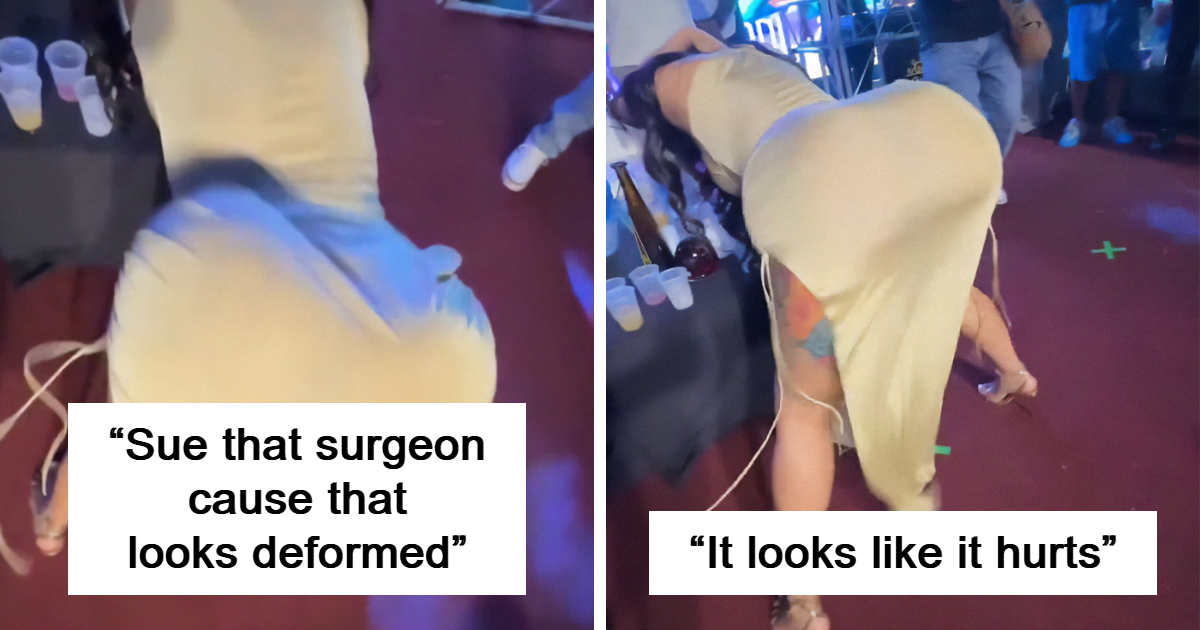
Cardi B has never been a celebrity who quietly enters a room. She arrives like a group chat notification at 2 a.m.: loud, impossible to ignore, and somehow already trending before anyone has processed what happened. So when the Grammy-winning rapper hit a pre-Super Bowl party in New Orleans and posted videos of herself twerking, bending, laughing, and generally treating the night like her own personal music video set, the internet did what the internet does best: it turned a few seconds of movement into a full-blown cultural referendum.
The phrase that took off across social media was sharp, messy, and very online: “It’s time to ban BBLs.” The comment was aimed at Cardi’s visibly enhanced silhouette, but the reaction quickly expanded beyond one celebrity’s dance moves. It became a wider conversation about Brazilian butt lifts, illegal butt injections, beauty standards, body shaming, celebrity performance, and the way the internet treats women’s bodies like public property with a comments section attached.
To be clear, much of the online chatter used “BBL” as shorthand for any dramatically enhanced backside. That is not always medically accurate. A Brazilian butt lift usually refers to fat transfer, while Cardi B has publicly spoken about receiving illegal butt injections in her early twenties and later undergoing procedures to remove biopolymers. Still, in pop culture, “BBL” has become the catch-all word for a certain exaggerated body aesthetic: tiny waist, sculpted hips, dramatic curves, and an Instagram-ready silhouette that looks designed by a committee of nightclub lighting, camera angles, and algorithmic thirst.
What Happened At Cardi B’s Pre-Super Bowl Party?
The viral moment unfolded during Super Bowl LIX weekend, when New Orleans became less a city and more a celebrity blender. Athletes, rappers, influencers, brands, party hosts, and camera phones all converged before the big game between the Philadelphia Eagles and the Kansas City Chiefs. Cardi B, never one to attend a party like she’s waiting for her Uber, appeared in videos dancing and twerking while celebrating the weekend.
The Eagles eventually defeated the Chiefs 40-22, stopping Kansas City’s attempt at a historic three-peat. But online, the football score had competition. Clips of Cardi’s party behavior spread quickly, and reactions split into two familiar camps: fans who saw her as playful, confident, and entertaining, and critics who thought the performance looked excessive, unnatural, or attention-seeking.
Some viewers joked that the exaggerated movement looked less like dancing and more like “two animals fighting under a blanket.” Others used the moment to mock plastic surgery culture, calling Cardi’s body a warning sign rather than a flex. On the other side, supporters argued that she was simply doing what Cardi B has always done: being Cardi B. In other words, if someone invites Cardi to a party and expects quiet elegance, that is less a Cardi problem and more a failure of event planning.
Why The “Ban BBLs” Comment Hit A Nerve
The outrage was not only about one twerking clip. The “ban BBLs” reaction landed because the BBL has become one of the most controversial symbols of modern beauty culture. For years, the curvy, hyper-sculpted body type dominated social media, music videos, red carpets, fashion campaigns, and influencer branding. It was sold as empowerment, desirability, and luxury all at once. But recently, the public mood has shifted.
Where the 2010s celebrated the hourglass body as the ultimate beauty standard, the mid-2020s have brought fatigue. People are more openly questioning whether the look is healthy, sustainable, or even still fashionable. The same internet that once praised “body goals” now zooms in on proportions, scars, movement, recovery rumors, and “before” photos. The applause and the roast often come from the same audience, which is why being famous online is basically standing under a chandelier made of knives.
Cardi B became a lightning rod because she is both a participant in and critic of cosmetic enhancement culture. She has never pretended to be untouched by surgery or beauty procedures. In fact, part of her brand has always been radical honesty. She has talked about breast augmentation, liposuction, and illegal butt injections, often with the bluntness of someone warning a younger version of herself not to repeat the same mistake.
Cardi B’s History With Butt Injections Is More Complicated Than A Meme
One reason the backlash felt bigger than a typical celebrity roast is Cardi’s long public history with body modification. In a 2018 profile, she described receiving illegal butt injections in a basement in Queens when she was 21. The procedure cost $800, involved no proper numbing, and left her in intense pain. She later warned young women not to chase that path, especially if they feel pressured because they are thin, insecure, or comparing themselves to women with different body types.
That context matters. When critics shout “ban BBLs” at Cardi B, they are not just commenting on a dance clip; they are pulling up years of public conversation about unsafe procedures, celebrity beauty pressure, and the sometimes dangerous gap between wanting a look and understanding what it takes to get it.
Cardi has also said she has undergone removals of biopolymers or unwanted material from her body. That makes the viral reaction more layered. The same celebrity being mocked for a body aesthetic has also publicly described the painful downside of pursuing that aesthetic through unsafe means. It is both a gossip story and a cautionary tale, which is exactly the kind of dual-purpose chaos the internet loves to overcook.
BBL vs. Illegal Butt Injections: The Difference Matters
For SEO clarity and basic medical accuracy, it is important to separate two things that social media often mashes together like guacamole at halftime. A Brazilian butt lift is usually a surgical fat-transfer procedure. A surgeon removes fat from one area of the body through liposuction and injects it into the buttocks to change shape and volume. Illegal butt injections, on the other hand, may involve silicone, biopolymers, oils, or unknown substances injected by unlicensed providers in unsafe settings.
Both categories can carry serious risks, but illegal injections are especially alarming because patients may not know what is being put into their bodies. The U.S. Food and Drug Administration has warned that injectable silicone used for body contouring can cause severe injuries, disfigurement, and even life-threatening complications. Substances can migrate, harden, trigger inflammation, or create long-term medical problems that require multiple corrective procedures.
That is why the Cardi B conversation should not stop at jokes. A twerking video may be silly, but the procedures behind many viral body trends are not. The operating table is not a TikTok filter. You cannot swipe away complications with a ring light and a caption that says “new me.”
Why Cardi B’s Body Keeps Becoming A Public Debate
Cardi B’s body is part of her celebrity identity in a way that is both self-created and audience-created. She built a public image around humor, sexuality, confidence, fashion, and outrageous honesty. She knows how to command attention, and attention is the currency of modern entertainment. But once a celebrity uses their body as part of their brand, the public often decides it has permission to audit that body forever.
This is where the conversation gets uncomfortable. It is fair to discuss cosmetic surgery culture, medical risks, celebrity influence, and unrealistic beauty standards. It is less fair to reduce a woman to body parts and turn every appearance into a digital inspection. Cardi B can be criticized for promoting extreme beauty ideals, but the cruelty aimed at her appearance often says as much about the audience as it does about the celebrity.
The internet has a strange habit of demanding authenticity from women while punishing them for showing the messy details. If a star hides procedures, she is fake. If she admits them, she is a bad influence. If she regrets them, people mock her. If she dances confidently anyway, people ask who allowed her outside. That is not criticism; that is a treadmill with no off button.
The Bigger Issue: Social Media And The Cosmetic Surgery Pipeline
The Cardi B pre-Super Bowl backlash also fits into a broader pattern: social media has intensified how people evaluate their own faces and bodies. Filters, edited photos, celebrity selfies, influencer “maintenance routines,” and cosmetic procedure reveals can create the impression that everyone is constantly upgrading themselves like an iPhone. The result is a beauty culture where natural bodies are compared to surgical results, surgical results are compared to edited images, and edited images are compared to artificial intelligence. Good luck competing with a waistline that was built by Photoshop and denial.
Studies on social media and cosmetic surgery interest have linked heavy exposure to appearance-focused content with body dissatisfaction, anxiety about looks, and greater openness to cosmetic procedures. That does not mean every person who wants surgery is brainwashed. Many adults make informed, personal choices about their bodies and are happy with the results. But it does mean the environment matters. When people are fed one narrow beauty ideal over and over, “choice” can start to look suspiciously like pressure wearing lip gloss.
Was The Backlash Fair Or Just Body Shaming?
The fairest answer is: both things can be true. It is fair to question the glorification of risky cosmetic procedures, especially when young fans may see celebrity bodies as goals without seeing the pain, money, recovery, revisions, and medical risk behind them. It is also fair to say that public figures who profit from beauty trends have influence and should be honest about the difference between natural bodies, surgical bodies, and edited bodies.
But much of the Cardi B backlash did not sound like thoughtful cultural critique. It sounded like body shaming with a safety pamphlet taped to it. Saying “young women should not feel pressured into unsafe butt injections” is a serious point. Saying a woman’s body looks disgusting because she danced at a party is not activism. That is just cruelty wearing a lab coat from Party City.
Cardi B has already done more than many celebrities by openly warning fans against illegal injections. Her honesty does not erase the influence of her image, but it complicates the lazy version of the story. She is not simply a promoter of extreme beauty standards. She is also someone who has lived through the consequences of chasing a body ideal before the public conversation became more cautious.
Why This Story Went Viral So Fast
Several ingredients made this moment perfect for virality. First, it involved Cardi B, whose name alone guarantees attention. Second, it happened during Super Bowl weekend, when celebrity content already has a giant audience. Third, the video was visual, short, and easy to mock without context. Fourth, the topic touched a cultural nerve: the rise and possible decline of the BBL era.
Most viral celebrity controversies work the same way. A clip appears. People react emotionally. Someone creates a brutal phrase. The phrase becomes the headline. The headline becomes the debate. By the time nuance arrives, everyone has already ordered snacks and chosen a side.
In this case, “It’s time to ban BBLs” was catchy because it sounded like a policy proposal and a roast at the same time. Nobody was actually drafting legislation in the club bathroom, but the phrase captured a growing exhaustion with overdone cosmetic trends. It was less about banning one procedure and more about asking whether the culture that made extreme body modification feel necessary has gone too far.
What Celebrities Can Learn From The Cardi B Reaction
For celebrities, the lesson is not “never dance in public.” That would be tragic, and also unrealistic. The lesson is that audiences are more skeptical than they used to be. Fans still love glamour, but they increasingly want transparency. They want to know what is natural, what is surgical, what is filtered, and what is simply good lighting doing community service.
Stars who speak honestly about cosmetic procedures may face jokes, but they also help remove dangerous mystery. When celebrities admit that a look required surgery, recovery, money, pain, or regret, they give fans a fuller picture. That transparency can reduce the fantasy that beauty is effortless or that dramatic body changes happen because someone drank lemon water and “minded their business.”
What Fans Should Take Away
For fans, the takeaway is simple: enjoy celebrity spectacle without turning someone’s body into a punching bag. Cardi B dancing at a pre-Super Bowl party can be funny, chaotic, entertaining, or even cringe depending on personal taste. But it should also open a smarter conversation about the pressure to look exaggerated, camera-ready, and surgically perfect.
Anyone considering a BBL, butt injections, or any cosmetic procedure should consult qualified, board-certified medical professionals, ask detailed questions, understand the risks, and avoid bargain procedures in unsafe settings. A cheap body modification can become the most expensive decision of a person’s life. If the price sounds too good to be true, the recovery story may be even worse.
Personal Experiences And Real-Life Reflections On The BBL Debate
The Cardi B controversy feels familiar because many people have watched the BBL trend move from celebrity culture into everyday life. At first, the look seemed glamorous and almost cartoonishly unattainable. Then it became common on Instagram feeds, gym pages, nightclub photos, fashion hauls, and vacation posts. Suddenly, people who once compared themselves only to classmates or coworkers were comparing themselves to bodies that might have involved surgery, filters, posing, shapewear, and professional photography.
A common experience is the quiet insecurity that arrives after too much scrolling. Someone may feel perfectly fine in the morning, then spend twenty minutes online and start wondering if their hips are too narrow, their waist is too ordinary, or their body is somehow behind schedule. That is the sneaky power of beauty trends: they do not always shout. Sometimes they whisper, “Maybe you would be happier if you changed this one thing.” Then the one thing becomes five things, and suddenly self-improvement feels like a subscription plan with no cancellation button.
Another real-life experience is seeing friends talk casually about major procedures as if they are booking a manicure. “I’m thinking of getting a BBL” can sound light and fun in conversation, but the reality involves medical screening, anesthesia, surgical risk, recovery time, compression garments, pain management, sitting restrictions, and possible complications. People often see the final photos, not the drains, swelling, bruising, or fear. Social media shows the airport outfit after surgery, not the private moment when someone wonders if they made the right choice.
There is also the pressure of dating culture. Some women have said they considered butt enhancements after being compared to other women or after feeling that a certain body type received more attention. Cardi B herself has connected her early decision to insecurity and comparison. That honesty matters because it shows how personal and emotional these choices can be. Cosmetic procedures are not always about vanity. Sometimes they are about rejection, heartbreak, competition, or wanting control over how the world sees you.
At the same time, many people genuinely love their cosmetic results and feel more confident afterward. The point is not to shame every person who chooses surgery. Adults have the right to make decisions about their bodies. The better question is whether those decisions are informed, safe, and truly personal. Choosing surgery after research, medical consultation, and realistic expectations is different from chasing a viral body trend because strangers online made ordinary proportions feel unacceptable.
The Cardi B twerking backlash should push the conversation beyond mockery. It should remind readers that behind every viral body debate are real people, real insecurities, real medical risks, and real cultural pressures. Laugh at the absurdity of the internet if you must. The internet is often ridiculous, and sometimes it deserves to be laughed at with both hands. But when the laughter turns into dehumanizing someone’s body, the conversation loses its value.
In the end, Cardi B’s pre-Super Bowl moment was more than a party clip. It was a snapshot of a culture wrestling with the beauty standards it helped create. The BBL era may be changing, but the deeper issue remains: people want to be seen, desired, and accepted. The healthiest version of that conversation is not “ban bodies.” It is “stop selling one body type as the only body worth having.”
Conclusion
Cardi B’s viral pre-Super Bowl twerking video sparked outrage because it landed at the intersection of celebrity spectacle, cosmetic surgery fatigue, body shaming, and public health concern. The “It’s time to ban BBLs” reaction may have started as a joke, but it points to a serious cultural shift. Audiences are no longer simply admiring exaggerated beauty trends; they are questioning the procedures, pressures, and risks behind them.
Still, the conversation should be smarter than a roast. Cardi B is not just a symbol of the BBL era; she is also one of the celebrities who has spoken openly about the dangers of illegal butt injections and the difficulty of removing them. Her story is messy, human, and more useful than a meme. The best takeaway is not to shame women for dancing, aging, changing, or choosing surgery. It is to encourage honesty, safety, realistic beauty standards, and a little more mercy in the comment section. Revolutionary, we know.
Note: This article is an original, rewritten synthesis based on public entertainment reporting, Cardi B’s documented comments about past cosmetic procedures, Super Bowl LIX context, and medical safety information about buttock enhancement procedures. It is written for web publication and does not include source links in the body.