Canned tuna is one of those pantry foods that seems almost too useful to be healthy. It sits quietly in the cupboard for months, costs less than most takeout coffees, and can become lunch in roughly the time it takes to find a fork. But then comes the big question: Is canned tuna healthy? Or is that innocent little can hiding too much mercury, sodium, or “mystery ocean drama” to deserve a regular spot in your meal rotation?
According to nutrition experts, the answer is refreshingly practical: canned tuna can absolutely be healthy, especially when you choose lower-mercury varieties, watch sodium, and eat it as part of a varied diet. It is high in lean protein, contains important omega-3 fatty acids, provides selenium and B vitamins, and is convenient enough to rescue lunch on a Tuesday when your refrigerator looks like a crime scene.
Still, canned tuna is not a food to eat unlimitedly. The type of tuna matters. Your life stage matters. How often you eat it matters. And yes, whether you drown it in mayonnaise until it becomes “tuna-flavored frosting” also matters. Here is what nutritionists say about canned tuna nutrition, benefits, risks, and the smartest ways to enjoy it.
What Is Canned Tuna, Exactly?
Canned tuna is cooked tuna that has been packed in water, oil, or sometimes broth, then sealed and heat-processed for shelf stability. The most common varieties in American grocery stores are light tuna and white tuna. Light tuna is usually made from smaller species such as skipjack, while white tuna is usually albacore.
This difference is important because smaller tuna generally contain less mercury than larger, longer-living tuna. That is why canned light tuna is usually the safer everyday choice, while albacore tuna is best treated as an occasional option. Think of light tuna as the dependable weekday sneaker and albacore as the dress shoe: perfectly fine, just not something you wear for every errand.
Canned Tuna Nutrition: What You Get in One Can
Nutritionists often like canned tuna because it delivers a lot of nutrition without requiring much money, time, or cooking skill. A typical can of light tuna packed in water is low in calories, very high in protein, and contains virtually no carbohydrates. Depending on the brand and serving size, it may provide around 20 to 40 grams of protein per can.
High-Quality Lean Protein
Protein is one of canned tuna’s biggest strengths. It helps build and repair muscle, supports immune function, and keeps meals more satisfying. For people trying to create quick lunches, higher-protein snacks, or easy post-workout meals, canned tuna is a practical option. It is especially useful for people who want more protein but do not want to cook chicken breasts at 10 p.m. like they are training for a survival show.
Omega-3 Fatty Acids
Tuna contains omega-3 fatty acids, including EPA and DHA, the forms most associated with heart and brain health. Tuna is not always as omega-3-rich as salmon, sardines, or mackerel, but it still contributes valuable marine omega-3s to the diet. Nutritionists often recommend eating a variety of seafood because different fish offer different balances of protein, healthy fats, vitamins, minerals, and mercury levels.
Selenium, Vitamin B12, and Other Micronutrients
Canned tuna is also a strong source of selenium, an essential trace mineral involved in antioxidant defense and thyroid function. It also provides vitamin B12, niacin, vitamin B6, phosphorus, and small amounts of vitamin D. In plain English, tuna brings more to the table than protein. It is not just “gym food in a can”; it is a nutrient-dense seafood option.
So, Is Canned Tuna Healthy?
Yes, for most healthy adults, canned tuna can be a nutritious food when eaten in reasonable amounts. Nutritionists generally view it as a smart protein choice because it is affordable, shelf-stable, versatile, and nutrient-rich. It can help people meet seafood recommendations, especially those who do not regularly buy fresh fish.
The key phrase is reasonable amounts. Canned tuna is healthy in the same way coffee is helpful: great in the right dose, questionable when it becomes your entire personality. Eating tuna occasionally or a few times per week, depending on the type, is very different from eating albacore tuna every day for months.
The Main Concern: Mercury in Canned Tuna
The biggest health concern with tuna is mercury, specifically methylmercury. Mercury is found in the environment and can build up in fish, especially larger predatory fish. Because tuna are higher on the food chain than many smaller seafood choices, they can contain more mercury than options like salmon, sardines, shrimp, anchovies, or trout.
Light Tuna vs. Albacore Tuna
When nutritionists discuss mercury in canned tuna, they almost always separate canned light tuna from albacore tuna. Canned light tuna is usually lower in mercury and is listed by federal guidance as a better choice for more frequent eating. Albacore, also called white tuna, typically contains more mercury and should be limited more strictly.
For many adults, canned light tuna can fit into a seafood routine a couple of times per week. Albacore is better limited to about once per week. People who are pregnant, breastfeeding, planning pregnancy, or feeding young children should be especially careful and follow official fish-consumption guidance or ask a healthcare professional for personalized advice.
Should Pregnant People Eat Canned Tuna?
Pregnant and breastfeeding people are encouraged to eat low-mercury seafood because seafood provides nutrients important for fetal and infant development. However, they should choose lower-mercury options and avoid high-mercury fish. Canned light tuna may be included within recommended limits, while albacore should be limited. Some experts take a more cautious approach and suggest choosing other low-mercury fish more often, such as salmon, sardines, trout, anchovies, or shrimp.
The safest advice is not “never eat fish.” It is “choose wisely.” Seafood can be very nutritious, but mercury exposure is a real concern for developing nervous systems. In other words, the goal is not panic; the goal is a smarter shopping cart.
How Often Should You Eat Canned Tuna?
For the average healthy adult, a practical nutritionist-approved approach is:
- Canned light tuna: up to two or three servings per week, depending on total seafood intake and personal health factors.
- Albacore or white tuna: about one serving per week.
- Children, pregnant people, and breastfeeding people: follow stricter guidance and prioritize lower-mercury seafood variety.
It is also wise to rotate tuna with other seafood. Canned salmon, sardines, trout, shrimp, oysters, mussels, and anchovies can help you get seafood benefits without relying too heavily on one species. Variety is good for nutrition, mercury management, taste buds, and your general will to live through another lunch salad.
Water-Packed vs. Oil-Packed Tuna: Which Is Healthier?
Both water-packed and oil-packed tuna can fit into a healthy diet, but they serve different goals.
Water-Packed Tuna
Water-packed tuna is usually lower in calories and fat. It has a cleaner, milder flavor and works well in tuna salad, wraps, casseroles, and high-protein snacks. If your goal is lean protein with fewer calories, water-packed tuna is usually the best choice.
Oil-Packed Tuna
Oil-packed tuna has a richer flavor and softer texture. It can be excellent in Mediterranean-style salads, pasta, grain bowls, or toast with lemon and herbs. However, it is usually higher in calories. If the oil is olive oil, it can add heart-healthy monounsaturated fats, but it still changes the nutrition profile. If you drain the oil, some omega-3s may be lost with it, depending on the product.
The best choice depends on the meal. For a lighter lunch, choose water-packed tuna. For a flavorful dinner where tuna is the star, oil-packed tuna can be worth it. Nutritionists are not here to cancel deliciousness; they just want you to know what you are eating.
What About Sodium?
Sodium is another issue to watch. Some canned tuna products contain added salt, and sodium levels can vary widely by brand. If you have high blood pressure, kidney disease, heart failure, or have been advised to limit sodium, check the Nutrition Facts label carefully.
Look for “no salt added” or “low sodium” tuna when possible. You can also drain the tuna well and pair it with low-sodium ingredients such as avocado, plain Greek yogurt, lemon juice, chopped celery, herbs, cucumber, or no-salt-added beans. What you mix into tuna matters. A low-sodium can can become a salt bomb if it gets invited to a party with pickles, chips, processed cheese, and three tablespoons of salty dressing.
Is Canned Tuna Good for Weight Loss?
Canned tuna can be helpful for weight management because it is high in protein and relatively low in calories, especially when packed in water. Protein supports fullness, which may make it easier to build satisfying meals without overeating later.
However, canned tuna is not magic. It does not melt belly fat, “detox” your body, or make abs appear like a dramatic movie reveal. It simply makes it easier to create balanced meals. For weight-friendly meals, pair tuna with fiber-rich foods such as whole-grain bread, brown rice, quinoa, beans, chickpeas, leafy greens, tomatoes, cucumbers, or roasted vegetables.
Healthy Ways to Eat Canned Tuna
The healthiness of canned tuna depends partly on what you do with it after opening the can. Tuna mixed with vegetables, herbs, and whole grains is a very different meal from tuna buried under a mountain of mayonnaise and eaten with a sleeve of crackers.
Try These Nutritionist-Friendly Tuna Ideas
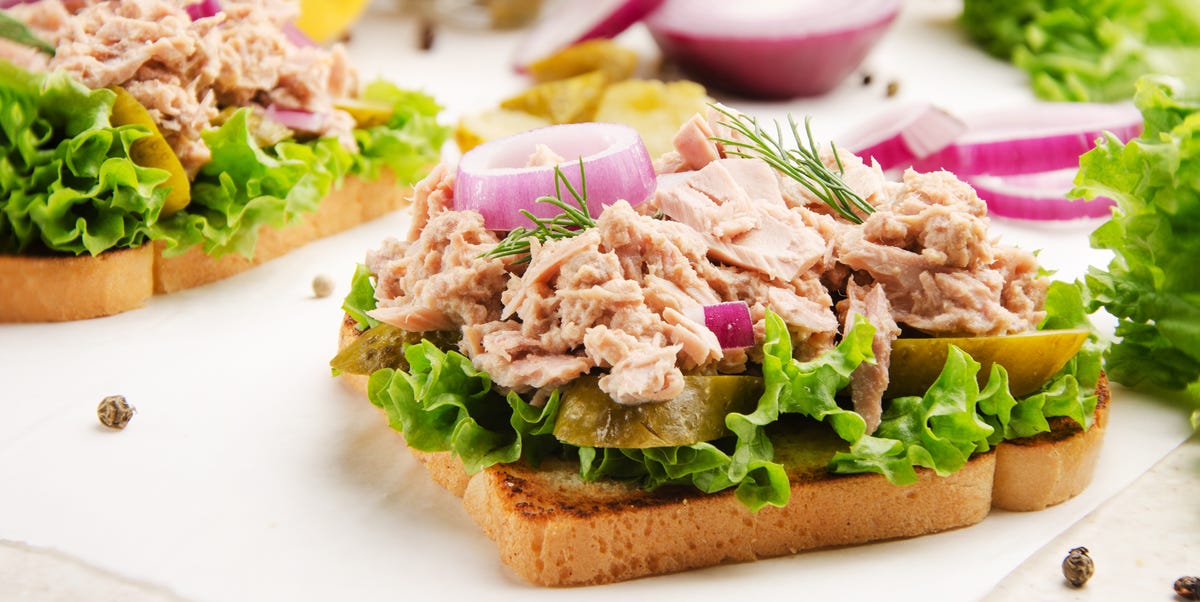
- Tuna avocado toast: Mix tuna with lemon juice, black pepper, and mashed avocado, then serve on whole-grain toast.
- Mediterranean tuna bowl: Combine tuna with chickpeas, cucumbers, tomatoes, olives, parsley, olive oil, and lemon.
- Greek yogurt tuna salad: Use plain Greek yogurt instead of some or all of the mayonnaise.
- Tuna lettuce cups: Spoon tuna into romaine leaves with shredded carrots and a light dressing.
- Tuna pasta with vegetables: Toss oil-packed tuna with whole-grain pasta, spinach, garlic, lemon, and cherry tomatoes.
- Tuna bean salad: Mix tuna with white beans, red onion, celery, olive oil, vinegar, and herbs.
The goal is balance: protein from tuna, fiber from plants, healthy fats from avocado or olive oil, and flavor from herbs, citrus, spices, or mustard. Your lunch should taste good enough that you do not spend the afternoon emotionally negotiating with a vending machine.
Who Should Be Careful With Canned Tuna?
Most people can enjoy canned tuna in moderation, but some groups should be more cautious.
Pregnant or Breastfeeding People
Because mercury can affect a developing nervous system, pregnant and breastfeeding people should follow lower-mercury seafood guidance and avoid eating too much tuna, especially albacore.
Young Children
Children need smaller portions and lower-mercury choices. Parents should use age-appropriate serving sizes and vary seafood options.
People on Low-Sodium Diets
Anyone limiting sodium should choose no-salt-added or low-sodium tuna and read labels carefully.
People With Fish Allergies
Tuna is fish, and fish allergies can be serious. Anyone with a known fish allergy should avoid it unless advised otherwise by a qualified medical professional.
How to Choose the Healthiest Canned Tuna
Here is a quick buying guide nutritionists would approve of:
- Choose canned light or skipjack tuna more often for lower mercury exposure.
- Limit albacore or white tuna because it tends to contain more mercury.
- Pick water-packed tuna if you want fewer calories.
- Pick olive-oil-packed tuna when flavor matters and the extra calories fit your meal.
- Look for low-sodium options if blood pressure or sodium intake is a concern.
- Check sustainability labels such as pole-and-line caught, troll-caught, or credible third-party certifications.
- Rotate seafood choices instead of eating tuna every day.
Common Myths About Canned Tuna
Myth 1: Canned Tuna Is Not as Nutritious as Fresh Fish
Canned tuna is processed, but that does not make it nutritionally useless. It still provides protein, omega-3s, selenium, and B vitamins. Fresh fish may offer different texture and sometimes higher omega-3 levels, but canned tuna remains a nutritious and realistic option for many households.
Myth 2: All Tuna Has the Same Mercury Level
False. Mercury levels vary by species, size, and product. Canned light tuna is generally lower in mercury than albacore. Bigeye tuna is a high-mercury species and should be avoided by vulnerable groups.
Myth 3: Tuna Salad Is Always Healthy
Tuna salad can be healthy, but it depends on the recipe. A version made with tuna, Greek yogurt, celery, herbs, and whole-grain bread is very different from one made with heavy mayonnaise, refined bread, and salty add-ins. Tuna is the ingredient; the final dish is the decision.
The Bottom Line: What Nutritionists Say
Nutritionists generally agree that canned tuna can be a healthy, affordable, convenient source of lean protein and important nutrients. It is especially useful for quick meals and can help people eat seafood more often. The healthiest approach is to choose canned light tuna or skipjack more frequently, limit albacore, watch sodium, and rotate tuna with other low-mercury seafood.
In short: canned tuna is healthy when it is not treated like a daily food group. Enjoy it thoughtfully, dress it up with colorful ingredients, and let it be one smart tool in your pantrynot the entire toolbox.
Real-Life Experiences: How Canned Tuna Fits Into Everyday Eating
In real life, canned tuna earns its reputation not because it is glamorous, but because it is useful. It is the food equivalent of a reliable friend with jumper cables. When the week gets busy, groceries run low, or dinner plans collapse like a badly stacked sandwich, canned tuna can turn “there is nothing to eat” into a perfectly decent meal.
One of the easiest ways to use tuna well is to keep it as a backup protein rather than a repetitive routine. For example, someone trying to eat healthier lunches might keep two cans of light tuna at work, along with whole-grain crackers, olive oil packets, mustard, and a few shelf-stable cups of beans. On a day when fast food feels like the only option, that little emergency kit becomes a high-protein meal with fiber and healthy fats. It is not fancy, but neither is eating fries in the car while wondering where your life took a nutritional detour.
Another practical experience is learning that tuna does not need to be mixed with a bowl of mayonnaise to taste good. A simple combination of tuna, lemon juice, chopped celery, black pepper, parsley, and a spoonful of Greek yogurt can taste fresh and satisfying. Add it to toast, lettuce cups, or a grain bowl, and it becomes a lunch that feels intentional instead of desperate.
For families, canned tuna can be helpful because it is affordable and easy to customize. Adults might enjoy tuna with capers, olives, and arugula, while kids may prefer a milder tuna melt or tuna mixed with pasta and peas. The key is portion control and variety. Families should not rely on tuna every day, especially for children, but using canned light tuna occasionally can be part of a balanced seafood pattern.
Fitness-focused eaters often appreciate canned tuna because it is lean and protein-rich. After a workout, a tuna-and-rice bowl with cucumber, avocado, sesame seeds, and a low-sodium sauce can be filling without being heavy. People trying to lose weight may also find tuna useful because it makes meals more satisfying. Still, the best results come when tuna is paired with vegetables, whole grains, and healthy fats, not eaten plain over the sink like a raccoon with a gym membership.
People who are concerned about mercury often find that the easiest habit is rotation. Instead of eating tuna five times a week, they might eat canned light tuna once or twice, canned salmon once, sardines once, and a vegetarian protein such as beans or tofu on another day. This approach keeps meals interesting while lowering reliance on one seafood source.
The best experience with canned tuna comes from treating it as a smart convenience food. Choose the right type, read the label, use flavorful add-ins, and avoid turning it into the only seafood you eat. Done that way, canned tuna is not just healthy enoughit is genuinely helpful.
Conclusion
Canned tuna is healthy for most people when eaten in moderation and chosen wisely. It offers lean protein, omega-3 fatty acids, selenium, vitamin B12, and major convenience at a budget-friendly price. The main issue is mercury, which is why canned light tuna or skipjack is usually the better everyday choice, while albacore should be limited. Sodium can also be a concern, so low-sodium options are worth seeking out.
The nutritionist-approved answer is simple: eat canned tuna, but do not overdo it. Pair it with vegetables, whole grains, beans, avocado, olive oil, lemon, herbs, or Greek yogurt. Rotate it with other seafood and plant proteins. When you do that, canned tuna can be one of the most useful healthy foods in your pantryquiet, humble, and ready to save lunch without asking for applause.