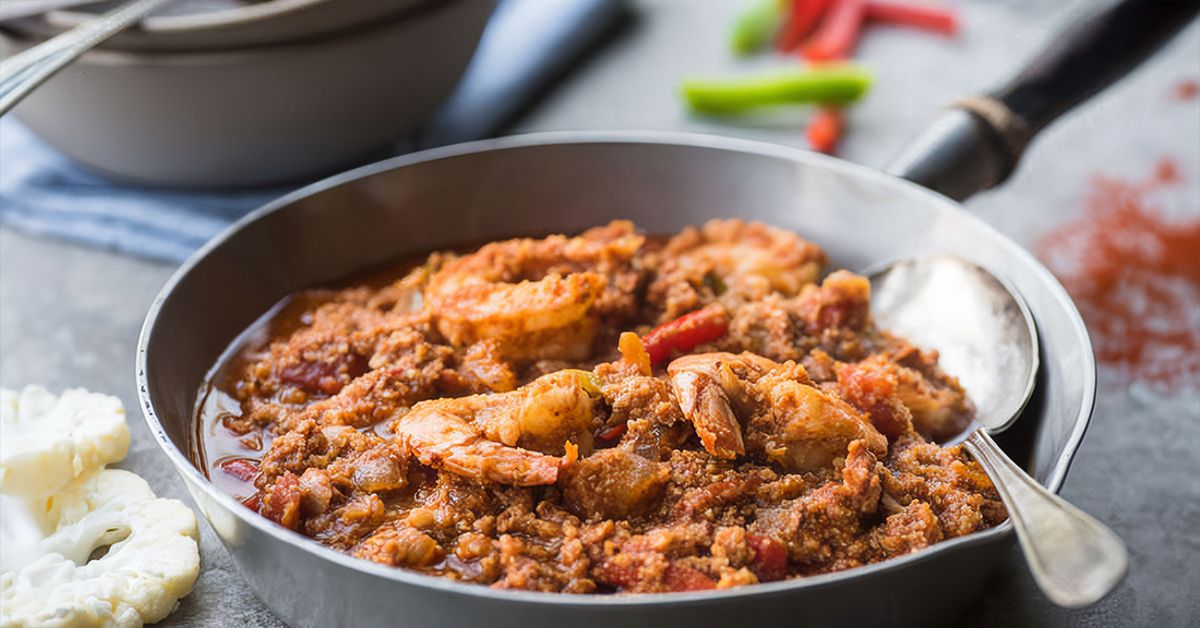
Some dinners walk into the kitchen wearing slippers. This one enters with a brass band. Shrimp and Chorizo Jambalaya with Cauliflower Rice is smoky, spicy, colorful, and surprisingly light, giving you the soul-warming comfort of jambalaya without the heavy rice nap that sometimes follows. It has plump shrimp, bold chorizo, tender vegetables, tomatoes, Cajun-style spices, and cauliflower rice that soaks up flavor like it has been training for this moment.
Traditional jambalaya is a beloved Louisiana one-pot rice dish, usually built around the “holy trinity” of onion, bell pepper, and celery, plus meat, seafood, broth, and deep seasoning. This version respects that flavor logic but swaps regular rice for cauliflower rice, making it a smart option for anyone looking for a lower-carb jambalaya, a lighter weeknight dinner, or simply a new way to make cauliflower stop acting like the shy vegetable at the party.
The best part? This dish tastes bigger than the work required. You brown the chorizo, sauté the vegetables, bloom the spices, add tomatoes, fold in cauliflower rice, and finish with shrimp. In about 35 minutes, you have a skillet full of smoky comfort food that feels special enough for guests but easy enough for a Tuesday night when your motivation is running on fumes.
Why This Shrimp and Chorizo Jambalaya Works
The magic of this recipe is balance. Chorizo brings fat, smoke, paprika, garlic, and savory depth. Shrimp adds sweetness and lean protein. Cauliflower rice keeps the dish lighter while still providing the texture and volume you want from jambalaya. The vegetables create the classic aromatic backbone, and the seasoning blend adds the warm Cajun-inspired punch.
Unlike standard rice, cauliflower rice does not need a long simmer. That is both good news and a tiny kitchen trap. Good news: dinner is faster. Trap: if you cook it too long, it can turn watery and soft. The solution is simple: cook the flavor base first, reduce excess moisture, then stir in the cauliflower rice near the end so it stays tender but not mushy.
Ingredients You’ll Need
Main Ingredients
- 1 pound large shrimp, peeled and deveined
- 8 ounces smoked chorizo, sliced into coins or half-moons
- 4 cups cauliflower rice, fresh or frozen
- 1 tablespoon olive oil, if needed
- 1 small yellow onion, diced
- 1 green bell pepper, diced
- 1 red bell pepper, diced
- 2 celery ribs, diced
- 4 garlic cloves, minced
- 1 can diced tomatoes, 14.5 ounces, drained slightly
- 1/2 cup low-sodium chicken broth or seafood stock
- 2 green onions, sliced
- 2 tablespoons chopped parsley
- Lemon wedges, for serving
Seasoning Blend
- 2 teaspoons Cajun or Creole seasoning
- 1 teaspoon smoked paprika
- 1/2 teaspoon dried thyme
- 1/2 teaspoon dried oregano
- 1/4 teaspoon cayenne pepper, optional
- 1 bay leaf
- Black pepper, to taste
- Salt, only if needed
Use salt carefully. Chorizo and Cajun seasoning can already be salty, and nobody wants a jambalaya that tastes like it spent the afternoon swimming in the Gulf unsupervised.
Choosing the Right Chorizo
For the easiest skillet jambalaya, use smoked Spanish-style chorizo or another fully cooked smoked chorizo that slices cleanly. It browns beautifully and releases flavorful paprika-rich oil into the pan. That oil becomes the foundation of the dish.
Mexican chorizo can also work, but it is usually raw and loose rather than firm and sliceable. If using Mexican chorizo, remove it from the casing and cook it thoroughly until browned before adding the vegetables. The texture will be more like spicy crumbles than sausage coins, which is still deliciousjust a different mood.
How to Make Shrimp and Chorizo Jambalaya with Cauliflower Rice
Step 1: Prep the Shrimp
Pat the shrimp dry with paper towels. This helps them sear instead of steam. Season lightly with black pepper and a small pinch of Cajun seasoning. Keep them chilled while you start the skillet.
Step 2: Brown the Chorizo
Heat a large skillet or Dutch oven over medium heat. Add the sliced chorizo and cook for 3 to 5 minutes, stirring occasionally, until the edges brown and the sausage releases its flavorful oil. If your chorizo is very lean, add a tablespoon of olive oil.
Step 3: Build the Vegetable Base
Add onion, bell peppers, and celery to the skillet. Cook for 6 to 8 minutes, stirring often, until the vegetables soften and smell sweet. Add the garlic and cook for 30 seconds. Garlic burns quickly, and burnt garlic has the personality of a bad email, so keep it moving.
Step 4: Bloom the Spices
Stir in Cajun seasoning, smoked paprika, thyme, oregano, cayenne, and the bay leaf. Cook for about 30 seconds. This wakes up the spices and lets them mingle with the chorizo oil before the tomatoes join the party.
Step 5: Add Tomatoes and Broth
Add the diced tomatoes and broth. Stir well, scraping up browned bits from the bottom of the pan. Simmer for 5 to 7 minutes, until the mixture thickens slightly. This step matters because cauliflower rice releases moisture, and you want the base saucy, not soupy.
Step 6: Stir in Cauliflower Rice
Add the cauliflower rice and stir until evenly coated. Cook for 5 to 6 minutes, uncovered, until tender. If using frozen cauliflower rice, thaw it first and squeeze out extra liquid with a clean kitchen towel for the best texture. If you skip this, the recipe still works, but the skillet may look like it needs a lifeguard.
Step 7: Add the Shrimp
Nestle the shrimp into the cauliflower mixture. Cover and cook for 3 to 5 minutes, stirring once, until the shrimp are firm, pink, pearly, and opaque. Do not overcook them. Shrimp go from juicy to rubbery fast, like they suddenly remembered they had somewhere else to be.
Step 8: Finish and Serve
Remove the bay leaf. Taste and adjust seasoning. Stir in parsley and green onions. Serve hot with lemon wedges and extra hot sauce if you like your dinner to wink at you from across the table.
Recipe Tips for the Best Flavor
Drain the Tomatoes Slightly
Tomatoes bring acidity and body, but too much liquid can make cauliflower rice watery. Drain some of the juice before adding them, especially if your cauliflower rice is frozen.
Do Not Rush the Vegetables
The onion, celery, and bell peppers need time to soften and sweeten. This is where the jambalaya flavor starts. If you toss everything in and hope for the best, you will still get dinner, but not the deep, cozy flavor that makes people ask for seconds.
Add Shrimp Last
Shrimp cook quickly. Adding them near the end keeps them tender and juicy. For food safety, shrimp should be cooked until the flesh turns pearly or white and opaque.
Use a Wide Pan
A wide skillet helps moisture evaporate. This is especially important for cauliflower rice jambalaya because cauliflower has more water than regular rice.
Is Cauliflower Rice Good in Jambalaya?
Yes, with one condition: treat it like cauliflower rice, not like long-grain rice. Traditional jambalaya relies on rice absorbing broth as it cooks. Cauliflower rice does not absorb liquid the same way, so the method changes. Instead of simmering it for a long time, you add it after the flavor base is already developed.
Cauliflower rice gives this dish a lighter finish, fewer carbohydrates, and an easy way to add more vegetables. It also lets the shrimp and chorizo shine. The texture is softer than rice but still satisfying when cooked properly. The key is avoiding excess moisture and seasoning boldly.
Flavor Variations
Make It Spicier
Add more cayenne pepper, diced jalapeño, crushed red pepper flakes, or a splash of Louisiana-style hot sauce. Spicy chorizo also raises the heat without needing extra seasoning.
Make It Smokier
Use smoked paprika, fire-roasted tomatoes, or a smoked sausage blend. A tiny dash of chipotle powder can also work, though it nudges the flavor slightly away from classic Cajun-style seasoning.
Add More Vegetables
Okra, zucchini, mushrooms, or chopped kale can fit nicely. Add quick-cooking vegetables near the end so they do not collapse into the dish like they have lost the will to be colorful.
Use Andouille Instead of Chorizo
Andouille is more traditional for jambalaya. Chorizo gives this version a paprika-heavy twist, but smoked andouille sausage is a perfect swap if you want a more classic Louisiana-inspired flavor.
What to Serve with Shrimp and Chorizo Cauliflower Rice Jambalaya
This dish is filling on its own, but it plays nicely with simple sides. Try a crisp green salad, roasted green beans, sautéed okra, or cucumber salad. If you are not keeping the meal low-carb, cornbread is a fantastic side. The slightly sweet crumb against the smoky-spicy jambalaya is basically a dinner handshake.
For drinks, sparkling water with lime, unsweetened iced tea, or a light citrusy mocktail works well. The acidity helps refresh your palate between bites.
How to Store and Reheat
Store leftovers in an airtight container in the refrigerator for up to 3 days. Reheat gently in a skillet over medium-low heat. If the mixture looks dry, add a splash of broth. Avoid microwaving shrimp too long because they can become tough.
This jambalaya is best fresh, but leftovers make an excellent lunch. The flavors deepen overnight, and the chorizo continues to season the cauliflower rice. If meal prepping, slightly undercook the shrimp the first time so they do not overcook when reheated.
Common Mistakes to Avoid
Using Wet Cauliflower Rice
Frozen cauliflower rice is convenient, but it can hold a lot of water. Thaw it and press out extra moisture for a better texture.
Overseasoning Too Early
Chorizo, broth, and Cajun seasoning can all contain salt. Taste near the end before adding more.
Cooking Shrimp Too Long
Shrimp only need a few minutes. Once they are opaque and firm, they are done.
Expecting Traditional Rice Texture
Cauliflower rice will not taste exactly like rice. That is not failure; that is cauliflower being honest. The goal is a flavorful, lighter jambalaya-style skillet with a satisfying vegetable base.
Nutrition Perspective
This shrimp and chorizo jambalaya with cauliflower rice can be a balanced meal when portions are reasonable. Shrimp provides lean protein, cauliflower adds fiber and volume, and the vegetables contribute color, texture, and nutrients. Chorizo is flavorful but rich, so a modest amount goes a long way. Think of it as the bass player in the band: you do not need it to play every note, but without it, the song feels thinner.
For a lighter version, use turkey chorizo or chicken andouille, choose low-sodium broth, and increase the vegetables. For a more indulgent version, add extra sausage and serve it with cornbread. Both choices are valid. Dinner does not need to file a moral report.
Experience Notes: Cooking This Dish in a Real Kitchen
The first time you make Shrimp and Chorizo Jambalaya with Cauliflower Rice, the biggest surprise is how quickly the kitchen starts to smell like you have been cooking for hours. That is the chorizo doing heavy lifting. Once it hits the hot skillet, the paprika-tinted oil begins to spread, and suddenly the onion, celery, and peppers are not just vegetables anymore. They are the opening act for something loud, warm, and comforting.
One practical experience worth sharing: cauliflower rice needs confidence. If you treat it like a fragile health-food substitute, the dish can taste timid. Season it boldly, cook it in a flavorful base, and give it enough heat to release moisture. A wide skillet makes a noticeable difference. In a narrow pot, the cauliflower tends to steam. In a broad skillet, it has room to cook down and absorb the smoky tomato mixture.
Frozen cauliflower rice is a weeknight hero, but it behaves better when thawed and squeezed dry. This step feels slightly annoying, especially when you are hungry, but it pays off. Without squeezing, the pan may become watery, and the jambalaya will taste diluted. With squeezing, the cauliflower rice becomes more like a proper base instead of vegetable confetti floating in tomato broth.
The shrimp also teach a good kitchen lesson: patience first, speed later. You can take your time building the chorizo and vegetable mixture, but once shrimp go in, the countdown begins. Watch them closely. When they curl gently and turn opaque, stop cooking. Overcooked shrimp are chewy, and chewy shrimp are how dinner politely asks for a second chance.
This recipe is also flexible in a very useful way. If your crowd loves spice, increase the cayenne or serve hot sauce at the table. If you are cooking for someone spice-sensitive, use mild chorizo and reduce the Cajun seasoning. If you want more body, add sliced okra or mushrooms. If you want a brighter finish, squeeze lemon over the top right before serving. That final hit of acidity wakes up the shrimp and cuts through the richness of the sausage.
As leftovers, the dish becomes even smokier. The cauliflower rice absorbs more seasoning overnight, and the chorizo flavor settles into the whole container. Reheat it gently, preferably in a skillet, and add a small splash of broth if needed. It makes the kind of lunch that causes coworkers to ask, “What is that?” with the hopeful tone of people who want a bite but are pretending to be casual.
For family dinners, this jambalaya-style skillet is a smart bridge between comfort food and lighter eating. It does not feel like punishment food. It feels colorful, generous, and fun. You get the satisfaction of a hearty bowl without needing a long nap afterward. And because everything cooks in one pan, cleanup is manageable, which is important because no great dinner should end with a sink full of regret.
Conclusion
Shrimp and Chorizo Jambalaya with Cauliflower Rice is bold, fast, and full of personality. It takes the smoky comfort of jambalaya and gives it a lighter vegetable-forward twist without draining away the fun. The chorizo brings depth, the shrimp bring sweetness, the vegetables bring classic flavor, and the cauliflower rice carries everything in a low-carb-friendly way.
Whether you are cooking for a busy weeknight, meal prepping lunches, or craving something spicy that does not require a culinary degree and three hours of stirring, this recipe deserves a spot in your rotation. It is proof that lighter comfort food can still be loud, saucy, and deeply satisfying.