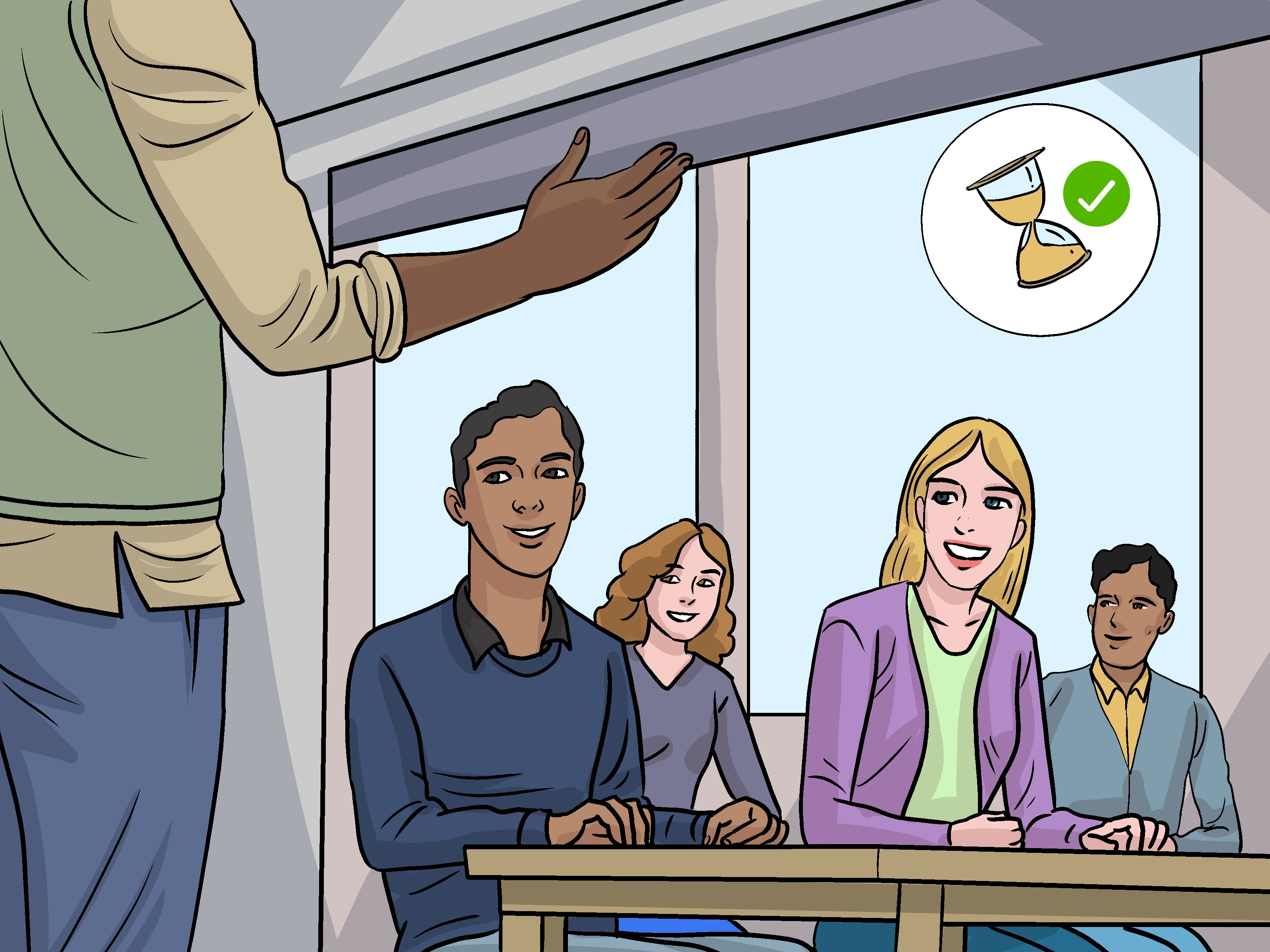
Every teacher wants students to listen, participate, try hard, and maybe even smile before the first bell rings. But let’s be honest: getting students to like you is not about becoming the classroom comedian, handing out candy like a human vending machine, or pretending homework does not exist. Students do not need a teacher who is desperate to be popular. They need a teacher they trust.
When students like you in a healthy way, they are not simply saying, “This teacher is cool.” They are saying, “This adult sees me, respects me, believes I can grow, and will not randomly turn into a thunderstorm because I forgot a pencil.” That kind of teacher-student relationship makes classroom management easier, learning more natural, and school feel less like a daily obstacle course.
The good news? You do not need a movie-script inspirational speech or a perfectly decorated classroom to build rapport with students. You need consistency, humor, fairness, empathy, and a few smart habits practiced every day. Below are 13 practical, research-informed ways to get your students to like you while still keeping standards high, boundaries clear, and your sanity mostly intact.
Why Getting Students to Like You Actually Matters
Some educators worry that wanting students to like them sounds unprofessional. It can, if “like” means chasing approval. But when “like” means respect, trust, emotional safety, and connection, it becomes one of the most powerful tools in teaching.
Students are more willing to take academic risks when they believe their teacher will respond with support instead of embarrassment. They are more likely to ask questions, accept correction, participate in discussions, and recover from mistakes. A student who feels known is less likely to view every classroom rule as a personal attack. A student who feels respected is more likely to respect the learning environment in return.
In short, strong teacher-student relationships are not “extra.” They are part of the foundation. You can have the best lesson plan in the building, but if students feel invisible, judged, or unsafe, that lesson plan may land with all the grace of a dropped cafeteria tray.
13 Ways to Get Your Students to Like You
1. Learn Their Names Quickly and Say Them Correctly
A student’s name is not a small detail. It is the front door to their identity. Learning names quickly shows students that they matter as individuals, not just as seat numbers in row three.
Make pronunciation a priority. If you are unsure, ask politely and practice until you get it right. Avoid turning the moment into a comedy show or saying, “I’ll never remember that.” Students remember when adults make the effort. They also remember when adults do not.
Use names warmly during positive interactions: “Maya, I noticed how carefully you revised that paragraph,” or “Jordan, thanks for helping your group stay focused.” A name paired with sincere recognition can build more connection than a dozen generic compliments.
2. Greet Students Like You Are Glad They Exist
The first few seconds of class set the emotional weather. Stand near the door when possible. Say hello. Offer a quick smile, nod, fist bump, or simple “Good morning.” You do not need to sound like a cruise director. You just need to show that students are welcome.
Small greetings are especially powerful for students who often receive attention only when something goes wrong. A calm, positive check-in tells them, “You belong here before you perform, behave perfectly, or prove anything.”
Try rotating simple prompts: “What’s one word for your morning?” “Thumbs up, sideways, or down today?” “Would you rather have pizza or tacos for breakfast?” These tiny rituals create connection without stealing half the period.
3. Be Fair, Not Random
Students may forgive a teacher for being strict. They rarely forgive a teacher for being unfair. Fairness does not mean every student receives the exact same support at the exact same time. It means expectations are clear, consequences are predictable, and dignity is protected.
If one student gets corrected for talking while another gets ignored for doing the same thing, resentment grows fast. If rules change depending on your mood, students start managing you instead of managing themselves. That is exhausting for everyone, especially you.
Post expectations. Teach them. Practice them. Revisit them. When students know what success looks like, the classroom becomes less mysterious and more manageable.
4. Use Humor Without Making Students the Joke
A good sense of humor can make your classroom feel human. It lowers tension, keeps lessons lively, and reminds students that learning does not require everyone to sit like furniture. But humor should never punch down.
Avoid sarcasm aimed at a student’s ability, appearance, family, culture, language, or mistakes. Even if the class laughs, the student may feel exposed. The best classroom humor is shared humor: funny examples, playful analogies, harmless exaggeration, or laughing at your own typo on the board before students appoint themselves grammar police.
For example, instead of saying, “Wow, you finally turned something in,” try, “This assignment has entered the chat, and I am thrilled to see it.” Same lightness, less sting.
5. Listen More Than You Lecture About Behavior
Students are much more likely to like teachers who listen. Listening does not mean agreeing with every complaint or allowing a 14-minute speech about why homework is a violation of personal liberty. It means making space for students to feel heard before decisions are made.
When a student is upset, try asking, “What happened from your point of view?” or “What do you need right now to get back on track?” Listening slows down conflict. It also gives you information you might miss if you respond only to the surface behavior.
Sometimes a student is not being “difficult.” They are confused, embarrassed, hungry, anxious, tired, or convinced they will fail anyway. Listening helps you respond to the actual problem instead of wrestling with the shadow of it.
6. Give Behavior-Specific Praise
Students can spot fake praise from across the hallway. “Good job” is fine, but it is vague. Behavior-specific praise tells students exactly what they did well and why it matters.
Instead of saying, “Nice work,” say, “I like how you used evidence from the text to support your answer.” Instead of “Great group,” say, “Your group made sure everyone spoke before choosing an answer.” Specific praise reinforces the behavior you want to see again.
This approach is especially helpful for classroom management because it shifts attention toward what is working. Students learn that positive behavior is noticed, not just mistakes. And yes, this can feel awkward at first. But so did your first staff meeting icebreaker, and you survived that.
7. Admit Mistakes Without Turning It Into a Drama
Students do not need perfect teachers. They need honest ones. If you grade something incorrectly, forget an instruction, mispronounce a word, or realize your lesson directions were about as clear as soup, own it.
Say, “I made a mistake. Let’s fix it.” That simple sentence builds credibility. It teaches students that accountability is not humiliation. It also makes it easier for them to admit their own mistakes.
Trying to protect your authority by pretending you are never wrong usually has the opposite effect. Students respect adults who can be firm and humble at the same time.
8. Make Your Classroom Predictable
Predictability is underrated. A predictable classroom helps students feel safe because they understand the rhythm of the day. They know how to enter, where to find materials, what to do when they finish early, and how to ask for help.
Routines do not make a classroom boring. They free up brain space for learning. When students are not constantly guessing what comes next, they can focus on the lesson instead of the logistics.
Create routines for transitions, group work, technology use, discussion, turning in assignments, and ending class. Teach them directly. Model them. Practice them. Praise them when they work. Adjust them when they do not. A good routine is like a good Wi-Fi signal: nobody notices it when it works, but everyone suffers when it disappears.
9. Show Interest in Their Lives Without Trying Too Hard
You do not need to become fluent in every trend, meme, game, song, or slang term your students use. In fact, using student slang incorrectly can cause emotional damage to everyone in the room. But genuine curiosity matters.
Ask students about their sports, pets, art, jobs, music, books, clubs, siblings, hobbies, or weekend plans. Keep notes if needed. A quick “How did your game go?” or “Did your dog recover from eating the sock?” can mean more than you realize.
The key is sincerity. Students do not expect teachers to know everything about their world. They do notice when teachers care enough to ask.
10. Keep High Expectations and Offer Real Support
Students usually do not like teachers who let them do nothing. It may seem fun for a day, but over time it sends a discouraging message: “I do not think you can do much.” Strong relationships include high expectations.
Tell students, “This is challenging, and I believe you can do it with support.” Then provide the support: examples, sentence starters, practice problems, feedback, small groups, checklists, office hours, or chances to revise.
Being liked does not mean making class easy. It means making effort feel possible. Students are more willing to climb when they believe the teacher is not standing at the top yelling, “Good luck!” while holding the ladder.
11. Protect Student Dignity During Correction
Correction is part of teaching. Public embarrassment does not have to be. Whenever possible, correct privately, quietly, or nonverbally. Use proximity, a sticky note, a quick conference, or a calm redirect.
Instead of announcing, “Ethan, stop talking again,” try standing nearby, making eye contact, or saying, “Let’s reset.” If you need a private conversation, keep it short and respectful: “I need you with us. What is your plan for the next five minutes?”
Students are more likely to accept correction when they do not feel attacked. The goal is not to win a power struggle. The goal is to return the student to learning with as little damage as possible.
12. Give Students Some Voice and Choice
Students like teachers who make them feel involved in the learning process. Choice does not mean letting the class vote on whether math still exists. It means offering meaningful options within clear boundaries.
Let students choose between writing a paragraph, creating a slide, recording an explanation, or drawing a concept map. Let them help create discussion norms. Ask which review format helps them most. Use exit tickets to gather feedback about pacing, confusion, or interests.
Student voice increases ownership. When students feel that their opinions matter, they are more likely to invest in the classroom community.
13. Be Consistently Yourself
Students can sense performance. You do not have to become the loud teacher, the funny teacher, the strict teacher, or the teacher who drinks iced coffee the size of a science experiment. You have to become a steady, professional version of yourself.
If you are naturally calm, use that. If you are energetic, use that. If you are quietly funny, wonderfully organized, deeply kind, or passionate about your subject in a way that makes students wonder if you own a commemorative mug, use that too.
Authenticity builds trust. Students do not need you to be trendy. They need you to be real, reliable, and respectful from Monday morning through Friday afternoon.
Common Mistakes Teachers Make When Trying to Be Liked
Even well-meaning teachers can accidentally damage relationships while trying to build them. One common mistake is confusing friendliness with weak boundaries. Students may enjoy loose rules for a moment, but unclear expectations eventually create frustration. A warm teacher still needs structure.
Another mistake is trying to relate by oversharing. Students do not need the full documentary of your personal life. Appropriate stories can make lessons memorable, but the classroom should not become your autobiography with worksheets.
A third mistake is using public praise in ways that embarrass students. Some students love being celebrated in front of everyone. Others would rather disappear into the floor tiles. Learn preferences. A quiet note, private comment, or written feedback may work better for students who dislike the spotlight.
Finally, avoid favoritism. Building strong relationships with some students should never make others feel like background characters. Spread attention intentionally. Notice quiet students, not just the loud, charming, or high-achieving ones.
How to Build Trust With Students Who Do Not Warm Up Quickly
Not every student will like you immediately. Some students have had difficult experiences with school or adults. Some are guarded. Some are testing whether your kindness is real or just the September version of you.
Do not take slow trust personally. Keep showing up. Keep greeting them. Keep being fair. Keep offering help without forcing emotional closeness. A student who rolls their eyes in October may be the same student who quietly asks for advice in March.
For reluctant students, small interactions matter. Comment on effort. Ask neutral questions. Offer choices. Avoid cornering them with emotional demands like, “Why don’t you like me?” That question has never improved a classroom relationship in the history of fluorescent lighting.
Trust grows through repeated evidence. Every calm correction, every kept promise, every fair decision, and every sincere check-in becomes a small deposit in the relationship bank.
Experience-Based Reflections: What Really Helps Students Like a Teacher
In real classrooms, students often decide how they feel about a teacher based on small daily patterns rather than grand gestures. A teacher may spend hours preparing a beautiful lesson, but what students remember most is that the teacher noticed they were unusually quiet, explained something one more time without sighing, or did not embarrass them when they made a mistake.
One powerful experience many educators describe is the “two-minute investment.” This is the simple habit of spending a few minutes connecting with a student without discussing grades, behavior, or missing work. Ask about their drawing, their basketball practice, their favorite video game, their new haircut, or the book they keep carrying but may or may not actually be reading. The point is not to become best friends. The point is to show that your interest in them is not limited to compliance.
Another classroom reality is that humor can rescue a tense moment when used wisely. Imagine a class dragging through the last period of the day. Everyone is tired. The pencil sharpener sounds like a lawn mower. Someone’s backpack has spilled its entire contents like a tiny yard sale. A teacher who can smile, reset the room, and say, “All right, scholars, let’s bring this academic circus back to the main tent,” can shift the mood without losing control. Students often like teachers who can be serious about learning without being serious every second.
Experience also shows that students respect consistency more than perfection. A teacher who is cheerful one day, explosive the next, and mysterious the third keeps students emotionally guessing. But a teacher who responds calmly, follows through, and explains decisions clearly becomes someone students can trust. Predictability may not sound exciting, but to many students it feels safe.
Teachers also learn that apologies are relationship builders. If you misread a situation and correct the wrong student, apologize. If your instructions confused half the class and the other half has started a support group, clarify and take responsibility. A simple apology does not weaken authority. It models maturity. Students are often surprisingly generous when adults are honest with them.
One of the most important lessons is that students want to feel capable. Being liked is not only about warmth; it is also about helping students experience success. When a student who usually struggles finally understands a concept, finishes a draft, solves a problem, or participates in discussion, their relationship with the teacher often changes. They begin to associate the classroom with progress instead of embarrassment. That is powerful.
Finally, experienced teachers know that relationships are built in ordinary moments: greeting students at the door, giving clear directions, laughing at harmless chaos, holding boundaries, offering second chances, and refusing to give up on students who pretend they do not care. Students may not always say, “I like this teacher.” Sometimes they show it by trying again, asking for help, showing up early, lingering after class, or suddenly caring very deeply about whether you watched the video they recommended. That is the quiet magic of teaching.
Conclusion
Getting students to like you is not about winning a popularity contest. It is about becoming the kind of teacher students can respect, trust, and learn from. When you learn their names, greet them warmly, listen carefully, use humor kindly, correct with dignity, and stay consistent, you create a classroom where students feel safe enough to participate and challenged enough to grow.
The best teachers are not liked because they are easy. They are liked because they are fair, human, prepared, respectful, and deeply committed to student success. In a world where many students feel rushed, judged, or overlooked, a teacher who notices them can make school feel different. And sometimes, that difference is where real learning begins.