There are two kinds of knife owners in this world: those who use a knife as-is, and those who look at a bare handle and think, “You know what this needs? About 12 feet of colorful parachute cord and a little bit of attitude.” If you’re in the second group, welcome home.
Learning how to wrap paracord around a knife handle is one of the easiest and most practical DIY upgrades you can make. A good paracord wrap improves grip, adds comfort, reduces hand fatigue, and gives you several feet of emergency cord whenever you need it. It’s like turning your knife into a tiny survival kit that fits in your pocket.
In this guide, you’ll learn three simple methods to create a durable paracord knife handle wrap:
- The Basic Spiral Wrap – Quick, easy, and beginner-friendly.
- The Cobra Weave Wrap – Thick, comfortable, and stylish.
- The Strider-Style Wrap – Secure, tactical, and highly functional.
Whether you have a full tang knife, skeletonized handle, or bare steel grip that feels like holding a frozen fish, these methods will transform it into something far more useful and comfortable.
Why Wrap a Knife Handle with Paracord?
Before we start weaving like crafty wilderness wizards, let’s talk about why this is worth doing.
Improved Grip
Paracord adds texture and cushioning, making the knife easier to hold when wet, muddy, or sweaty.
Emergency Survival Cord
Most wraps store 6 to 15 feet of 550 paracord, which can be used for shelter building, gear repairs, fishing line support, or boot laces.
Comfort
A bare metal handle can feel slippery and uncomfortable. A paracord knife handle wrap softens edges and improves ergonomics.
Customization
Choose colors that match your gear or make your knife stand out in the grass instead of playing hide-and-seek.
What Is 550 Paracord?
550 Paracord is a lightweight nylon cord originally used in parachutes. It is rated to hold approximately 550 pounds and contains several inner strands that can be removed for smaller tasks.
For wrapping a knife handle, 550 paracord is the gold standard because it is:
- Strong and durable
- Weather resistant
- Comfortable in the hand
- Available in hundreds of colors
Tools and Materials You’ll Need
- 6–15 feet of 550 paracord
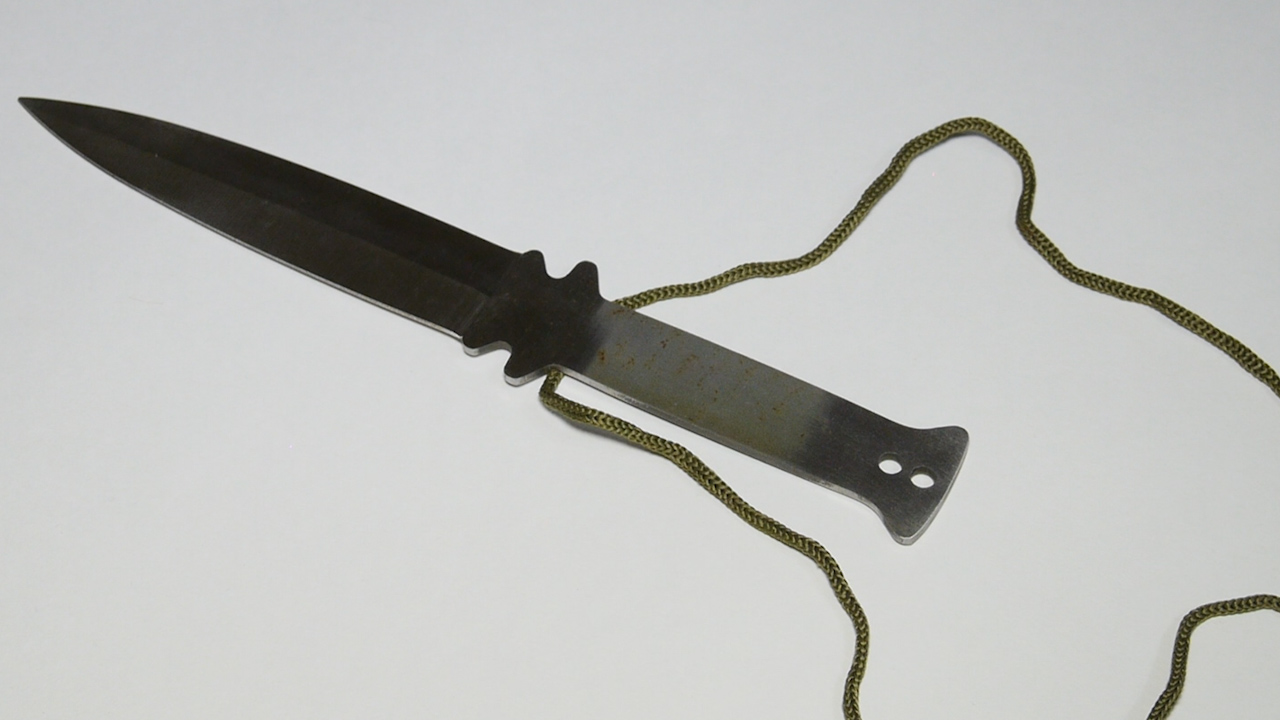
- A fixed-blade knife with exposed handle holes or full tang
- Scissors
- Lighter
- Needle-nose pliers (optional)
How Much Paracord Do You Need?
| Wrap Method | Paracord Length |
|---|---|
| Basic Spiral Wrap | 6–8 feet |
| Cobra Weave Wrap | 10–12 feet |
| Strider-Style Wrap | 8–15 feet |
Method 1: Basic Spiral Wrap
The basic spiral wrap is the peanut butter sandwich of paracord projects: simple, reliable, and hard to mess up.
Best For
- Beginners
- Quick field repairs
- Minimalist knife handles
Step-by-Step Instructions
Step 1: Anchor the Cord
Pass one end of the paracord through the lanyard hole or tie a tight overhand knot near the butt of the knife.
Step 2: Wrap Tightly
Spiral the cord around the handle, keeping each turn snug and close together.
Step 3: Finish the End
Thread the cord through the final opening or tie a knot. Trim excess and melt the ends with a lighter.
Pros
- Fast to complete
- Easy to remove
- Uses less cord
Cons
- Can loosen over time
- Less padding than other methods
Method 2: Cobra Weave Wrap
The cobra weave is one of the most popular paracord techniques. It creates a thick, comfortable grip and looks like your knife just graduated from tactical finishing school.
Best For
- EDC knives
- Survival knives
- Maximum comfort
Step-by-Step Instructions
Step 1: Find the Center
Fold the cord in half and place the midpoint at the top of the handle.
Step 2: Create Two Working Ends
You should have one strand on each side of the handle.
Step 3: Tie Cobra Knots
Cross the left strand over the center, pass the right strand over the left, behind the handle, and through the loop. Tighten. Repeat from alternating sides.
Step 4: Secure the Ends
When you reach the end, tie off the strands, trim, and melt.
Pros
- Excellent grip
- Comfortable cushioning
- Professional appearance
Cons
- Uses more cord
- Takes longer to complete
Method 3: Strider-Style Wrap
The Strider-style wrap is inspired by tactical knife makers and is favored for skeletonized handles with multiple holes.
Best For
- Full tang knives
- Skeletonized handles
- Heavy-duty outdoor use
Step-by-Step Instructions
Step 1: Thread Through Handle Holes
Pass the cord through the first hole and leave a tail.
Step 2: Wrap Across the Handle
Bring the cord diagonally and feed it through the next hole, forming a tight pattern.
Step 3: Continue the Pattern
Repeat until the handle is fully covered.
Step 4: Lock and Finish
Tie both ends securely and melt them flush.
Pros
- Extremely secure
- Stores substantial cord
- Excellent traction
Cons
- Requires patience
- More complex for beginners
Tips for a Better Paracord Knife Handle Wrap
Keep Constant Tension
Loose wraps shift. Tight wraps stay put like a stubborn mule.
Melt Carefully
Use a lighter to seal the ends, but don’t turn your masterpiece into a nylon marshmallow.
Test Before Trimming
Grip the knife and ensure the wrap feels comfortable before cutting excess cord.
Use Contrasting Colors
Bright orange or neon green makes your knife easier to find in leaves or grass.
Common Mistakes to Avoid
- Using too little cord
- Wrapping too loosely
- Overheating the cord ends
- Ignoring handle hotspots
- Skipping final knot security
How to Remove a Paracord Wrap
If your wrap becomes dirty or damaged, simply cut the melted ends and unravel the cord. Replace it with fresh paracord or save the cord for emergency use if it remains in good condition.
How to Clean a Wrapped Knife Handle
Hand wash the paracord with mild soap and warm water. Allow it to air dry completely before storing the knife to prevent moisture buildup.
Which Method Should You Choose?
- Choose Basic Spiral Wrap if you want speed and simplicity.
- Choose Cobra Weave if comfort and appearance matter most.
- Choose Strider-Style Wrap if you want a rugged tactical setup.
Real-World Uses for Paracord on a Knife
The cord on your knife handle can be unraveled and used for:
- Building a shelter
- Replacing a boot lace
- Repairing a backpack
- Hanging food away from animals
- Creating fishing rigs
- Making a tourniquet windlass support (when combined with proper training and materials)
Frequently Asked Questions
Does paracord make a knife handle better?
Yes. It improves grip, comfort, and adds emergency cord storage.
Can paracord get wet?
Yes. Nylon paracord dries relatively quickly and resists mildew when cleaned and dried properly.
How long does a paracord wrap last?
With normal use, a quality wrap can last for years.
Can I unwrap it in an emergency?
Absolutely. That’s one of the biggest advantages.
Personal Experience: Why I Started Wrapping My Knife Handles
The first knife I wrapped had a skeletonized steel handle that looked fantastic in product photos but felt like gripping a cold ruler. During a camping trip, that bare metal handle became slippery from rain and made extended cutting downright uncomfortable.
Back at home, I grabbed some olive drab paracord and attempted my first wrap. “Attempted” is doing a lot of heavy lifting here. The first version looked like a spaghetti monster had a disagreement with my knife. But once I tightened the wraps and sealed the ends properly, the transformation was impressive.
The handle felt warmer, grippier, and more comfortable. Chopping kindling no longer left hot spots on my palm. The knife also gained about ten feet of useful cord. Suddenly, my minimalist knife became a multitool in disguise.
Over the years, I experimented with different techniques. The spiral wrap was perfect for quick fixes in camp. The cobra weave became my favorite for everyday carry because it added a cushioned grip that felt great during long tasks. The Strider-style wrap earned my respect on larger survival knives where reliability mattered most.
One of the biggest lessons I learned was that tension is everything. A beautifully woven pattern means little if the cord is loose. Tight, consistent wraps outperform fancy designs every time.
I also discovered that color matters more than expected. Bright orange paracord helped me locate a dropped knife in autumn leaves within seconds. Without it, I might still be crawling around the forest muttering unprintable words.
Friends often ask whether wrapping a handle is worth the effort. My answer is always yes. It costs very little, takes less than an hour, and dramatically improves the feel and functionality of many knives.
If you are new to paracord projects, start with the spiral wrap. Once you gain confidence, move to the cobra weave and eventually the Strider-style pattern. Each technique teaches useful skills and makes your gear more personal.
There is something deeply satisfying about using equipment you customized yourself. Every time I pick up a wrapped knife, I remember that practical gear does not need to be expensive or complicated. Sometimes all it takes is a sharp blade, a few feet of paracord, and a willingness to redo the first knot three times until it looks right.
Final Thoughts
Knowing how to wrap paracord around a knife handle is a practical skill that improves grip, comfort, and preparedness. Whether you choose the fast spiral wrap, the cushioned cobra weave, or the rugged Strider-style method, your knife becomes more versatile and far more pleasant to use.
Best of all, this upgrade is inexpensive, customizable, and surprisingly fun. Once you wrap one knife, you may find yourself eyeing every bare handle in your gear collection like a crafty survival engineer.
Note: This HTML contains only the content intended for the <body> section and is ready to publish.