Note: This article is written as an original SEO-ready feature based on real reporting and official background. It discusses Chernobyl tourism as a cultural and historical trend, not as current travel advice. Conditions in Ukraine and access to the Chernobyl Exclusion Zone can change quickly, especially during wartime.
When HBO released Chernobyl in 2019, viewers did what viewers often do after watching a gripping historical drama: they Googled everything, questioned authority, developed a sudden interest in reactor design, and apparently started booking trips to one of the most restricted places in Europe. According to tour operators cited in 2019 reporting, travel interest in the Chernobyl Exclusion Zone surged dramatically after the miniseries premiered, with one company reporting a 35 percent spike in bookings.
That number was not floating in space like radioactive dust in a gloomy TV scene. It fit a wider pattern. Several tourism companies and media reports described a 30 to 40 percent rise in Chernobyl-related bookings after the show aired. Suddenly, the abandoned city of Pripyat, the rusting amusement park, the Duga radar installation, and the area around Reactor No. 4 were not just historical symbols. They had become pop culture destinationsstrange, solemn, and deeply uncomfortable ones.
The result was a remarkable case study in film tourism, dark tourism, and the internet’s ability to turn a five-part drama into a travel trend. But Chernobyl is not a fantasy kingdom, a superhero filming location, or a cute village with excellent pastries. It is the site of the 1986 nuclear disaster, mass evacuation, worker deaths, long-term health consequences, environmental contamination, and decades of scientific monitoring. In other words, it is not exactly the place for your “main character energy” photo shoot.
Why the HBO Chernobyl Miniseries Changed Travel Interest Overnight
HBO’s Chernobyl worked because it made a historical catastrophe feel immediate without turning it into cheap spectacle. The series dramatized the explosion at the Chernobyl Nuclear Power Plant in Soviet Ukraine, the chaotic response, the sacrifices of firefighters and cleanup workers, and the dangerous culture of secrecy that surrounded the disaster. It did not simply say, “Bad things happened.” It showed how systems fail, how truth gets buried, and how ordinary people end up paying the invoicewith interest.
For many American viewers, the miniseries was their first emotionally detailed encounter with the Chernobyl disaster. Textbook summaries usually reduce the event to a date, a reactor, and a warning about nuclear safety. The show added faces, tension, moral conflict, and a haunting visual world: empty streets, abandoned apartments, contaminated uniforms, and officials arguing while the invisible threat grew.
That emotional intensity translated into curiosity. Search interest rose. People looked up Valery Legasov, RBMK reactors, Pripyat, iodine tablets, and whether graphite was really on the roof. From there, the next step for a certain type of traveler was predictable: “Can you actually visit Chernobyl?” The answer, before Russia’s full-scale invasion of Ukraine disrupted access, was yesunder controlled conditions, through authorized guided tours.
The 35 Percent Spike: What the Travel Boom Actually Meant
The headline number35 percentcame from reporting on SoloEast, a tour operator whose director said bookings increased after the miniseries premiered. Other operators reported similar growth, often in the 30 to 40 percent range. That matters because it suggests the HBO series did not create Chernobyl tourism from scratch. It poured gasoline on a fire that was already burning, which is a metaphor we will now carefully move away from, for obvious reasons.
Chernobyl tourism had existed for years before the miniseries. The Exclusion Zone had attracted documentary filmmakers, photographers, researchers, urban explorers, history enthusiasts, and travelers interested in abandoned places. By 2018, official figures showed tens of thousands of annual visitors. The 2019 HBO effect turned a niche curiosity into a mainstream travel story.
The timing was perfect for virality. Social media had already trained travelers to chase unusual destinations. Streaming culture had trained audiences to binge a story and immediately seek more context. Chernobyl offered both: a real-world location connected to a prestige television phenomenon. It was not “set-jetting” in the cheerful sense of visiting the beach from a romantic comedy. It was set-jetting’s more serious cousinthe one who reads emergency reports at dinner.
What Visitors Wanted to See in the Chernobyl Exclusion Zone
Before access restrictions changed due to war, guided tours commonly focused on the most recognizable and historically significant locations in the Chernobyl Exclusion Zone. The abandoned city of Pripyat became the emotional center of many visits. Once built to house workers and families connected to the nuclear plant, Pripyat was evacuated after the disaster. Its empty schools, apartment blocks, swimming pool, and amusement park became visual shorthand for interrupted life.
Pripyat: The Ghost City That Became a Symbol
Pripyat is often described as a ghost city, but that phrase can sound too cinematic. The reality is more human. People lived there. Children went to school there. Families cooked dinner there. Workers rode buses to shifts. Then, after Reactor No. 4 exploded, residents were told to evacuate temporarily. Many never returned to live there again.
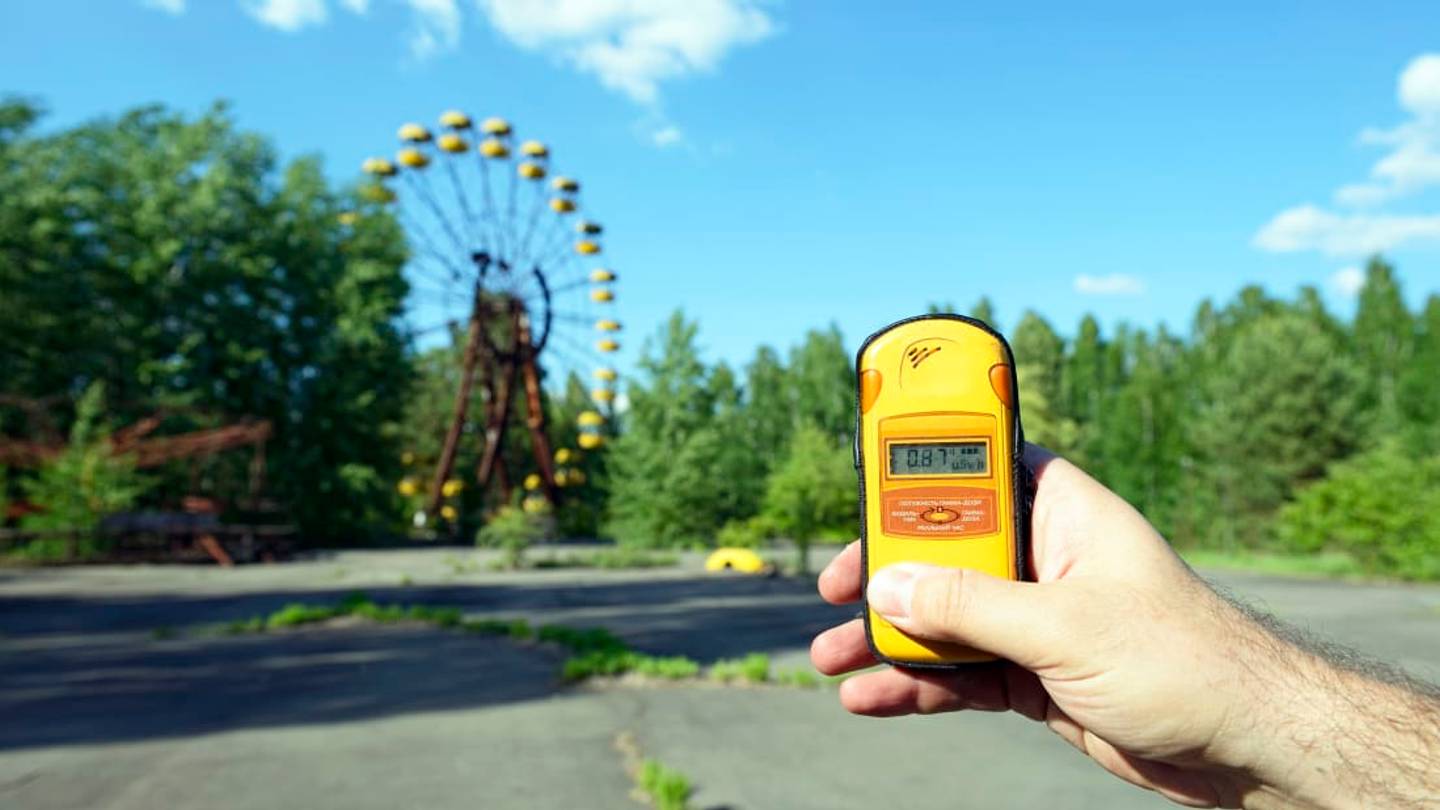
The famous Ferris wheel, which has appeared in countless photos, documentaries, games, and travel features, became one of the most recognizable images of the zone. Yet its power is not that it looks spooky. Its power is that it looks ordinary. A carnival ride is supposed to mean weekend fun, sticky hands, and someone losing a shoe. In Pripyat, it became a monument to everything that stopped.
Reactor No. 4 and the New Safe Confinement
Another major point of interest has been the area near Reactor No. 4, the unit destroyed in the 1986 disaster. The original Soviet-era structure built to contain the wreckage was later covered by the New Safe Confinement, a massive steel arch designed to reduce the risk of radioactive release and support long-term dismantling work. Visitors were not wandering freely into the most dangerous areas; the zone operated through controlled routes, monitoring, and strict rules.
Still, “controlled” does not mean casual. Chernobyl is not a theme park with a radiation-flavored gift shop, even if some corners of the internet seemed determined to treat it that way. Radiation hot spots, unstable buildings, contaminated soil, and restricted areas made responsible behavior essential.
Dark Tourism: Education, Curiosity, or Disaster Selfie?
The Chernobyl tourism spike reopened a familiar debate: why do people visit places associated with death, disaster, and suffering? This kind of travel is often called dark tourism. Examples include battlefields, memorials, former prisons, disaster zones, and sites connected to major tragedies. At its best, dark tourism can educate visitors, preserve memory, and encourage humility. At its worst, it turns human suffering into background scenery for social media.
Chernobyl sits right at the center of that tension. A respectful visitor might come away with a deeper understanding of Soviet history, nuclear risk, emergency response, environmental recovery, and the cost of official lies. A less respectful visitor might come away with a moody profile picture and a caption like “vibes,” which should be grounds for having one’s phone gently confiscated by a stern historian.
After the HBO series became popular, some social media photos from the zone drew criticism for being tone-deaf. Craig Mazin, the creator of the miniseries, publicly reminded visitors to show respect for those who suffered and sacrificed. That message became an important part of the tourism conversation. Curiosity is not the problem. Forgetting where you are is the problem.
Why Chernobyl Became So Fascinating to American Audiences
The Chernobyl story connects with American audiences for several reasons. First, it is a disaster narrative, and disaster narratives force us to ask uncomfortable questions: Who knew what? Who failed to act? Who told the truth? Who paid the price? Second, it is a story about institutions. The miniseries arrived at a time when public trust in governments, corporations, and official messaging was already under pressure. The show’s central themetruth matterslanded with the subtlety of a fire alarm in a library.
Third, Chernobyl is visually unforgettable. The empty city, the decaying Soviet architecture, the forest reclaiming roads, and the hulking industrial structures create a landscape that feels both historical and post-apocalyptic. It looks like fiction, which makes the reality even harder to process.
Finally, the series made technical information dramatic. Reactor design, control rods, emergency protocols, and radiation exposure are not usually the ingredients of mainstream television obsession. Yet HBO turned them into dinner-table conversation. Suddenly, people who had never voluntarily read about nuclear physics were explaining RBMK flaws with the confidence of someone who had watched five episodes and one YouTube breakdown.
The Real Chernobyl Disaster Behind the Tourism Trend
The tourism spike only makes sense when placed against the seriousness of the original event. On April 26, 1986, Reactor No. 4 at the Chernobyl Nuclear Power Plant exploded during a safety test. The accident destroyed the reactor and released radioactive material into the environment. It became the most serious accident in the history of civilian nuclear power.
Immediate consequences were devastating. Workers and first responders faced severe radiation exposure. International assessments have documented deaths among plant workers and emergency personnel, radiation injuries, the evacuation of roughly 115,000 people in 1986, and later relocation of many more from affected regions. Thyroid cancer cases increased among people who were children or adolescents at the time of exposure, particularly in areas affected by radioactive iodine.
These facts are essential because they keep the travel story grounded. The Chernobyl Exclusion Zone is not famous because it is abandoned. It is abandoned because people were forced to leave. The buildings did not become empty as a design choice. They became empty because a technological and political failure reshaped thousands of lives.
Safety, Science, and the Limits of Curiosity
Before the war, authorized Chernobyl tours operated under rules meant to limit exposure and prevent contamination. Visitors were expected to stay on approved routes, avoid touching surfaces or vegetation, wear appropriate clothing, and pass radiation checks. Tour guides and officials monitored where people went. The basic safety idea was simple: short visits on controlled routes were treated very differently from living in the contaminated zone.
But science does not make Chernobyl casual. Radiation levels vary across the Exclusion Zone. Some areas are much less hazardous than others, while certain hot spots remain dangerous. Abandoned buildings may also be structurally unsafe. In plain English: the risk is not just invisible particles; it is also rusty metal, collapsing floors, broken glass, bad decisions, and the universal law that someone wearing trendy sneakers will step exactly where they should not.
Current travel reality is even more serious. Since Russia’s full-scale invasion of Ukraine in 2022, the broader security environment has changed dramatically. U.S. travel advisories have warned against travel to Ukraine due to war, missile and drone attacks, unpredictable conditions, and limited ability to provide assistance. Any article about Chernobyl tourism today should make that clear: historical tourism trends are not the same thing as current travel permission or safety.
How Ukraine Tried to Reframe Chernobyl Before the War
In 2019, Ukraine’s government moved to make Chernobyl a more official tourist attraction. Plans discussed at the time included improved routes, better information points, and efforts to reduce corruption around access. President Volodymyr Zelensky spoke about changing Chernobyl’s place in Ukraine’s global image, shifting it from a symbol of disaster alone toward a site of memory, science, and controlled public education.
That effort made sense economically and culturally. Tourism can support local guides, museums, researchers, and preservation efforts. It can also help visitors understand a difficult chapter of history more deeply than a screen alone can provide. But the challenge is balance. Chernobyl should not be marketed like a haunted house. It should be interpreted like a place where history, grief, science, and national memory overlap.
What the Chernobyl Tourism Boom Reveals About Pop Culture
The 35 percent spike in travel interest shows the enormous power of prestige television. A well-made series can change what people search for, read about, talk about, and even where they want to go. The HBO miniseries did not merely entertain; it reactivated global attention around a disaster that many younger viewers knew only vaguely.
This is the same force that sends fans to filming locations from The Lord of the Rings, Game of Thrones, or Breaking Bad. The difference is that Chernobyl asks more from visitors. It demands context. It demands restraint. It demands that the audience understand the line between fascination and consumption.
That line is especially important in the age of social media. A person can visit a historic site, learn from it, support preservation, and share meaningful reflections. Or they can flatten it into content. The camera itself is not the villain. The problem is the performance of coolness in a place built from loss.
Experiences Connected to the Chernobyl Travel Surge
One of the most striking experiences associated with the Chernobyl tourism boom was the emotional whiplash reported by visitors. Many arrived expecting a post-apocalyptic landscape and left talking about ordinary human details: a classroom with faded posters, apartment balconies swallowed by trees, a swimming pool where silence seemed louder than noise, or personal objects left behind during evacuation. The zone’s power often comes not from dramatic danger, but from the quiet evidence of interrupted routines.
Travelers influenced by the HBO miniseries often described the visit as different from watching the show. Television creates structure: episodes, characters, music, and dramatic pacing. A real place does not explain itself so neatly. In the Exclusion Zone, a guide’s context mattered. Without explanation, a building might look merely ruined. With explanation, it became part of a larger story about Soviet urban planning, emergency evacuation, radiation monitoring, and the long afterlife of technological disaster.
Another common experience was the uneasy relationship between curiosity and guilt. Visitors were interested, sometimes deeply moved, but also aware that their presence raised ethical questions. Is it acceptable to tour a disaster site? The most thoughtful answer is yes, if the visit is educational, lawful, guided, and respectful. Museums, memorials, battlefields, and former disaster zones can help societies remember. The problem begins when visitors treat suffering as an aesthetic accessory.
For some, Chernobyl also became a lesson in misinformation. The HBO series emphasized the consequences of secrecy, denial, and bureaucratic fear. Standing in or reading about the zone after watching the show made that theme feel less abstract. Chernobyl was not only a nuclear accident; it was also a communication failure. Delays, minimization, and political pressure made a terrible event worse. That lesson remains relevant far beyond nuclear energy.
There was also the environmental surprise. Many expected a dead wasteland. Instead, reporting and research have often described wildlife returning in areas with limited human activity. This does not mean radiation is harmless, nor does it turn the disaster into a feel-good nature documentary narrated by an optimistic squirrel. It does show that ecosystems are complicated, and that human absence can reshape landscapes in unexpected ways.
The HBO-driven travel spike also changed how tour operators framed their work. Some developed routes or commentary connected to scenes from the series, while still emphasizing real history. This created an unusual blend of media tourism and memorial tourism. Visitors might arrive because of a television drama, but responsible guides had the opportunity to send them home with something more durable: historical literacy.
For publishers, bloggers, and travel writers, the Chernobyl story offers a useful warning. A catchy headline like “35 percent spike in travel” grabs attention, but the subject requires care. The best content does not glamorize danger or reduce the Exclusion Zone to spooky ruins. It explains why people became interested, what the place represents, how pop culture shaped public memory, and why respect matters more than a dramatic photo.
In that sense, the most meaningful “experience” related to Chernobyl may not be physical travel at all. For many people, the experience was intellectual and emotional: watching the miniseries, reading about the real disaster, learning about the evacuated communities, and recognizing how fragile truth can become when institutions protect themselves before people. That kind of travel happens in the mind first. No passport required, no questionable selfie necessary.
Conclusion: A Travel Spike With a Heavy Shadow
The HBO Chernobyl miniseries prompted a measurable surge in interest in the Chernobyl Exclusion Zone, including a reported 35 percent spike in bookings for one tour company and broader estimates of 30 to 40 percent growth among operators. But the deeper story is not simply that a TV show made people want to travel. The deeper story is that powerful storytelling reopened public attention to a disaster whose consequences still echo through history, science, politics, and memory.
Chernobyl tourism sits at an uncomfortable intersection: education and curiosity, remembrance and spectacle, history and Instagram. The miniseries reminded viewers that truth can be costly, denial can be deadly, and places of tragedy deserve more than quick consumption. Anyone writing about the Exclusion Zone should treat it not as a creepy travel trend, but as a living archive of human error, courage, displacement, and long-term responsibility.