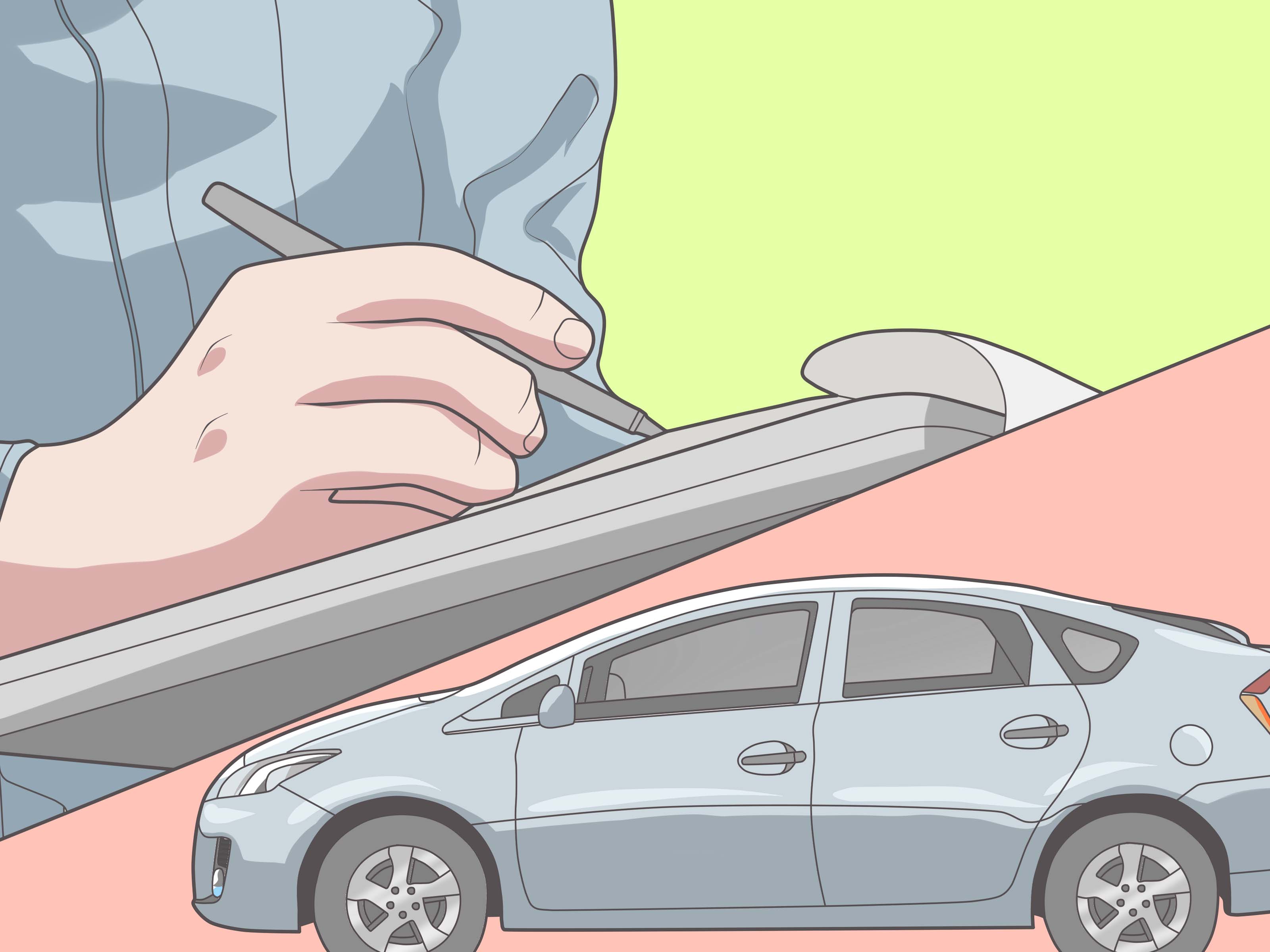
If you bought a Toyota Prius, chances are you did not do it because you enjoy becoming close friends with gas station coffee. You bought it because the Prius has a long-standing reputation for squeezing impressive miles out of every gallon. The good news is that reputation is well earned. The even better news is that a few smart habits can help you get even closer to the best fuel economy your Prius can deliver.
The catch, of course, is that Prius gas mileage is not magic. It is part engineering, part maintenance, and part driver behavior. In other words, your Prius can be brilliant, but if you treat the accelerator like a launch button and your trunk like a storage unit, your MPG will file a formal complaint.
This guide explains how to get the best gas mileage from your Toyota Prius in the real world. It covers driving habits, maintenance, seasonal changes, traffic patterns, and the little mistakes that quietly eat away at fuel economy. Whether you drive an older Prius or a newer model, these principles can help you save fuel without turning every commute into a monk-like meditation exercise.
Why Your Prius MPG Is Not the Same Every Day
Before diving into the tips, it helps to understand one important truth: Prius fuel economy can swing noticeably based on conditions. The Prius is efficient, but it is still affected by speed, temperature, tire pressure, cargo weight, route choice, and how often the engine has to warm up.
That is why one tank can make you feel like a fuel-saving genius while the next tank makes you suspicious of everyone, including the weather. Short trips, cold mornings, packed cargo areas, underinflated tires, and fast highway driving can all drag your numbers down. That does not mean something is wrong. It usually means your Prius is responding exactly the way physics said it would.
The smartest way to improve Prius MPG is not to chase one miracle trick. It is to stack several small, sensible habits that work together over time.
1. Drive Smoothly, Not Dramatically
If you want the best gas mileage from your Toyota Prius, start with your right foot. Smooth acceleration and gentle braking are the biggest everyday wins. Hybrids reward calm, steady driving because the system can balance gasoline and electric power more efficiently when you are not stomping, surging, and stopping like you are auditioning for an action movie.
What smooth driving looks like
Press the accelerator gradually instead of mashing it from a stop. Build speed with patience. On the braking side, begin slowing down earlier than you think you need to. That gives the Prius more opportunity to recover energy through regenerative braking before the friction brakes take over.
Think of it this way: every hard launch burns extra fuel, and every last-second stop throws away momentum your Prius could have used more efficiently. Smooth inputs keep the hybrid system in its happy place.
Why it matters so much in a Prius
The Prius is especially good in city and stop-and-go driving because it can recover energy while slowing down. But that only works well when you anticipate traffic and brake gently. If you rush toward every red light and hammer the brakes at the end, you are leaving efficiency on the table.
2. Use Eco Mode as a Helper, Not a Magic Wand
Most modern Prius models include an Eco mode, and it can absolutely help. Eco mode generally softens throttle response and encourages more efficient operation. In plain English, it makes the car less eager to leap forward the instant you breathe on the pedal.
That said, Eco mode is not wizardry. It will not rescue bad driving habits, neglected tires, or a roof rack hauling the aerodynamic equivalent of a small shed. Think of it as a supportive assistant, not the entire strategy.
When Eco mode helps most
Eco mode tends to shine in city driving, suburban errands, and daily commuting where there is frequent acceleration and braking. It can also help train your foot to be more measured. If you find yourself accidentally over-accelerating, Eco mode can act like a polite chaperone.
When not to obsess over it
If you need to merge briskly, climb a steep grade, or respond to fast traffic, use the throttle you need. Safety comes first. The goal is not to drive so gently that everyone behind you begins composing hate poetry.
3. Slow Down on the Highway
Here is the tip people dislike because it works: lower highway speeds usually mean better gas mileage. Once speeds climb, aerodynamic drag rises fast, and your Prius has to work harder to keep pushing through the air. At that point, even a famously efficient hybrid starts paying a fuel penalty.
If you are cruising at 75 or 80 mph and wondering why your MPG is not matching your best city tanks, that is the answer. The Prius can still be efficient on the highway, but high speed is the natural enemy of great fuel economy.
How to improve highway MPG without misery
- Stay near the speed limit instead of treating it as a rough suggestion.
- Use cruise control on relatively flat roads when traffic is light.
- Avoid unnecessary bursts of speed and constant lane-hopping.
- Leave earlier if rushing is what causes the speeding in the first place.
You do not need to become the slowest car in three counties. Just trimming a little speed can make a surprisingly noticeable difference over a full tank.
4. Let Regenerative Braking Do Its Job
One of the Prius’s big advantages is regenerative braking. When you slow down gently, the system can capture some of the car’s kinetic energy and send it back into the battery. That stored energy can then help move the car later, which reduces gasoline use.
This is why anticipation matters so much. If you see a red light ahead, lift earlier. If traffic is compressing, ease off sooner. Gentle deceleration gives the system more time to recover energy. Hard braking, by contrast, forces the car to rely more on conventional friction brakes, which stop the car just fine but do not help your fuel economy nearly as much.
A simple driving mindset
Try to think one block ahead. Look farther down the road. Notice stale green lights, slowing traffic, school zones, and merges early. Prius drivers who get the best MPG are often not doing anything flashy. They are simply better at seeing what is coming.
5. Keep Your Tires Properly Inflated
This is the least glamorous fuel-saving habit and one of the most effective. Underinflated tires increase rolling resistance, which means your Prius has to work harder to move. That hurts gas mileage and also wears your tires faster. A classic lose-lose situation.
Check tire pressure regularly, not just when something looks sad. Tires can lose pressure gradually, and colder weather can reduce pressure even more. The correct pressure is listed on the driver-side door jamb or in the owner’s manual, not the maximum number printed on the tire itself.
Best tire-pressure habits
- Check pressure monthly.
- Check before long trips.
- Check when seasons change.
- Measure when the tires are cold for the most accurate reading.
A Prius with properly inflated tires rolls easier, feels better, and wastes less fuel. That is a nice return on investment for about five minutes of effort.
6. Lighten the Load and Cut the Drag
Your Prius is efficient, but it is not thrilled about hauling around objects you forgot were back there in February. Extra weight can chip away at fuel economy, especially in a smaller, lighter vehicle. The same goes for roof racks, cargo boxes, and other accessories that create drag.
If you need the cargo, use it. If you do not, remove it. Clearing out unnecessary stuff from the trunk and taking off unused roof gear is one of the easiest ways to improve gas mileage without changing how you drive.
Things worth removing
- Sports gear that lives in the trunk year-round
- Tool collections large enough to start a repair shop
- Unused roof racks or rooftop boxes
- Random “just in case” items that clearly have not been needed in six months
The Prius is a hatchback, not a mobile attic. Treat it accordingly.
7. Combine Trips Whenever You Can
Short trips are one of the biggest reasons Prius owners get disappointed with MPG. Hybrids do very well in city driving, but repeated short drives with a cold engine can still drag fuel economy down. The engine and fluids need time to warm up, and brief errands do not always give the system enough time to settle into efficient operation.
That is why combining errands helps. One longer, planned route is usually more efficient than several separate cold starts scattered throughout the day. If you need groceries, the pharmacy, and the post office, doing them in one loop is better than three separate mini-journeys.
How to make this work in real life
Cluster errands by area. Use navigation apps to avoid backtracking. Pick the most logical route instead of improvising each stop. This is not just about saving gas; it also saves time and reduces the number of moments when you realize you have driven across town for one tube of toothpaste.
8. Do Not Warm Up the Car Forever
Many drivers still think long warm-ups are good for the engine. On a modern Prius, that habit mostly wastes fuel. Idling gets zero miles per gallon, which is a rude but accurate statistic.
In cold weather, the better move is usually to let the car settle briefly, then drive off gently. The Prius will warm up faster while being driven than while sitting in place. The cabin heat may take a moment, yes, but your MPG will thank you.
Cold weather deserves special attention
Winter can noticeably reduce Prius fuel economy. Lower temperatures, denser air, reduced tire pressure, winter-blend fuel, and increased heater use all work against you. In very cold conditions, hybrid MPG often drops more than people expect. That is normal.
The best response is not panic. It is preparation: park in a garage if possible, combine trips, keep tire pressure up, use the recommended oil, and avoid extended idling. Winter is tough on MPG, but you can soften the blow.
9. Stay on Top of Basic Maintenance
A well-maintained Prius is a more efficient Prius. This does not mean you need to become best friends with a torque wrench. It means following the maintenance schedule, using the recommended oil grade, replacing worn components on time, and not ignoring warning lights that politely suggest something is wrong.
Maintenance items that matter
- Correct engine oil and timely oil changes
- Proper tire inflation and alignment
- Healthy 12-volt battery and charging system
- Clean filters where applicable
- Prompt attention to check-engine lights and sensor issues
If a sensor, brake component, tire, or alignment problem is making the car work harder than necessary, your fuel economy will often be one of the first places you notice it.
10. Be Smart About Climate Control
Air conditioning and cabin heat both use energy. In a Prius, that matters. You do not need to sweat heroically in summer or freeze nobly in winter, but using climate controls thoughtfully can help.
Set a comfortable temperature rather than blasting the system to extremes. Use seat heaters when available. Defrost only as long as necessary. In winter especially, aggressive cabin heating can pull efficiency down because the car may keep the gasoline engine running longer to provide heat.
Comfort matters. The trick is moderation, not martyrdom.
11. Track Your MPG the Right Way
If you really want to improve Prius gas mileage, start measuring it over time instead of reacting emotionally to one weird commute. Use the trip computer, but also calculate tank-to-tank mileage occasionally. That gives you a broader, more realistic view.
Look for patterns. Did your MPG drop when the weather turned cold? After you installed a roof rack? During a month of mostly short drives? That kind of tracking helps you identify causes instead of assuming your Prius suddenly forgot how to Prius.
A good mindset for MPG tracking
Focus on trends, not single drives. A windy highway trip with the heater running and a full cargo area is not your car’s final exam. It is just Tuesday.
Common Mistakes That Hurt Prius Fuel Economy
- Driving too fast on the highway
- Accelerating hard away from every stop
- Braking late instead of coasting early
- Ignoring tire pressure for months
- Leaving roof accessories on all year
- Using the car for repeated cold-start micro-trips
- Letting maintenance slide
- Comparing every tank to perfect-weather spring driving
If your Prius MPG is lower than expected, start with these basics before assuming something mysterious is broken.
The Bottom Line
Getting the best gas mileage from your Toyota Prius is less about secret hacks and more about stacking good habits. Drive smoothly. Anticipate stops. Use Eco mode wisely. Slow down on the highway. Keep your tires properly inflated. Remove excess weight and drag. Combine trips. Avoid long warm-ups. Stay current on maintenance. And remember that winter can make even a Prius feel slightly grumpy.
The beauty of the Prius is that it already gives you a strong head start. You do not have to drive like a saint to get good fuel economy. But if you drive with a little more patience, a little more planning, and a little less chaos, your Prius will usually reward you at the pump.
And really, that is the dream: fewer gas station visits, more money in your pocket, and the quiet satisfaction of knowing your car is doing exactly what it was born to do.
Real-World Experiences With Prius Gas Mileage
One of the most interesting things about Prius ownership is how quickly drivers start noticing patterns. At first, many people assume fuel economy is mostly fixed. The car is rated efficiently, so they expect it to deliver the same result every day, like a kitchen appliance. Then real life happens. A cold morning arrives. A highway-heavy week shows up. Someone installs a roof rack for a weekend trip. Suddenly the MPG display starts telling a much more complicated story.
A very common experience among Prius drivers is the “I changed nothing, so why did my mileage drop?” moment. In many cases, the answer is weather. Owners often report that winter driving makes the car feel less efficient, especially on short trips. The engine runs longer to warm up, the heater gets used more often, and the battery system does not feel quite as eager in low temperatures. Then spring arrives, and the same driver starts seeing better numbers again without touching a wrench. It feels mysterious the first time, but it is actually one of the most normal Prius experiences around.
Another pattern drivers notice is that city driving can sometimes beat highway driving, which feels backward if you grew up hearing that highways are always more efficient. In a Prius, stop-and-go traffic is not ideal, but it can still play to the hybrid system’s strengths when the driver is smooth and patient. Many owners say they get their best results on steady suburban routes with moderate speeds, gentle traffic, and lots of opportunities for regenerative braking. Put that same car on a fast interstate with a stiff headwind, and the MPG can fall faster than expected.
There is also the classic “I cleaned out the car and my mileage improved” story. People underestimate how often they carry around extra weight without thinking about it. Emergency gear is smart. Half your garage is not. Drivers who remove unnecessary cargo, take off unused racks, and check tire pressure regularly often describe the result not as dramatic magic, but as a steady improvement that makes the car feel lighter and more cooperative.
Perhaps the most consistent real-world lesson is that Prius drivers who chase every last MPG point tend to become more observant drivers overall. They look farther ahead. They stop rushing toward red lights. They leave a little more following distance. They notice terrain, traffic flow, and weather. In that sense, trying to get the best gas mileage from your Toyota Prius does more than save fuel. It often makes you calmer, smoother, and less likely to drive like someone who believes every trip is a hostage negotiation.
And that may be the best Prius experience of all: not just spending less on gas, but driving in a way that feels smarter every single day.