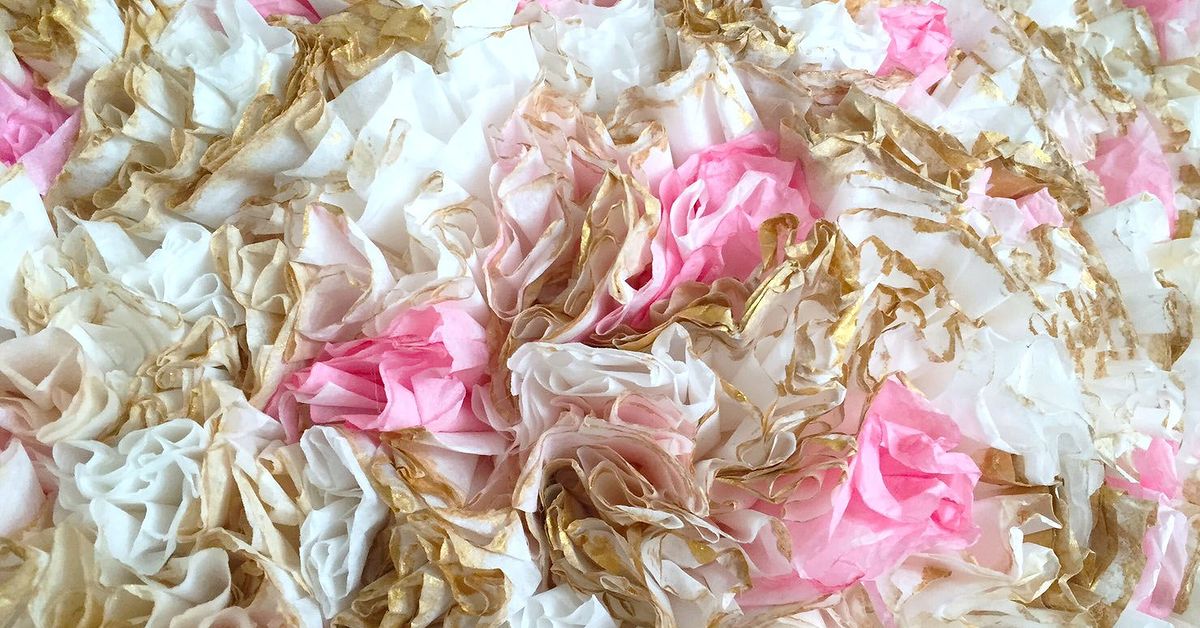
Some Valentine’s Day crafts whisper, “I am handmade with love.” Others walk into the room wearing tiny gold shoes and announce, “Yes, I did bring sparkle.” A Gilded Coffee Filter Valentines Heart belongs proudly in the second group. It is soft, romantic, budget-friendly, surprisingly elegant, and made from one of the most humble household supplies ever invented: the coffee filter.
If you have ever looked at a stack of coffee filters and thought, “You know what this needs? Gold,” congratulationsyou are already thinking like a Valentine’s Day crafting genius. Coffee filters are thin, absorbent, easy to shape, and naturally ruffled, which makes them perfect for creating flower-like texture. Add pink dye, blush watercolor, metallic gold paint, or imitation gold leaf, and suddenly your kitchen supply drawer is auditioning for a boutique home décor catalog.
This tutorial-style guide will show you how to make a gilded heart decoration using coffee filters, a heart-shaped base, color, texture, and just enough shine to make Cupid check his reflection. Whether you want a Valentine wreath, wall hanging, party decoration, handmade gift, classroom craft, or romantic mantel accent, this project delivers charm without asking your wallet to file a complaint.
What Is a Gilded Coffee Filter Valentines Heart?
A gilded coffee filter Valentines heart is a handmade heart-shaped decoration created by folding, dyeing, fluffing, layering, and attaching coffee filters to a heart base. The “gilded” part comes from adding gold details, which may include gold acrylic paint, metallic spray paint, gold foil flakes, imitation gold leaf, or a gentle dry-brushed shimmer along the edges.
The result is a soft, dimensional Valentine heart that looks far more expensive than it is. Coffee filters create airy ruffles that mimic petals, tissue paper, or handmade paper flowers. The gold accents add warmth and elegance, keeping the design from looking too sweet or too “I found this in a preschool cubby,” unless that is your aestheticin which case, respect.
Why Coffee Filters Work So Well for Valentine Crafts
Coffee filters are one of the best materials for easy Valentine crafts because they absorb color beautifully. When touched with watercolor, diluted acrylic paint, food coloring, or washable marker and water, they create soft gradients that look organic and artistic. No two filters turn out exactly the same, which is excellent news if your crafting style is less “precision engineer” and more “romantic tornado.”
They are also lightweight. This matters because a heart wreath or wall hanging needs volume without becoming heavy. You can pile on ruffles, petals, and layers without needing industrial hardware to hang it. A cardboard heart, foam wreath form, straw wreath form, or even a recycled shipping box can become the base.
Best of all, coffee filters are affordable. A single pack can create multiple Valentine decorations, making this a smart project for families, teachers, party hosts, or anyone who wants big visual impact without spending big craft-store money.
Materials You Will Need
Basic Supplies
- 40 to 80 basket-style white coffee filters
- Heart-shaped wreath form, cardboard heart, foam board, or recycled corrugated cardboard
- Scissors
- Hot glue gun and glue sticks, craft glue, or glue dots
- Watercolor paint, diluted acrylic paint, washable markers, or food coloring
- Spray bottle with water
- Paper towels, parchment paper, or a drying rack
- Gold acrylic paint, gold leaf flakes, imitation gold leaf, or metallic craft paint
- Foam brush or small detail brush
- Ribbon, twine, or fishing line for hanging
Optional Extras
- Mod Podge or clear craft sealer
- Mini clothespins
- Faux pearls or beads
- Small paper banner
- Cardstock backing
- Glitter glue for extra sparkle
If you are making this craft with children, use washable materials and supervise scissors and hot glue. A low-temperature glue gun is helpful, but craft glue also works if you have patience and maybe a snack while it dries.
Step 1: Create the Heart Base
Start by choosing your heart base. A foam heart wreath form is the easiest option because it already has shape and depth. A cardboard heart is the most budget-friendly choice and works beautifully for wall art or a door decoration. To make your own, draw a large heart on cardboard, then draw a smaller heart inside it, leaving a border about 3 to 4 inches wide. Cut out the shape carefully.
If you want a full, fluffy heart, make the border wider. If you prefer a delicate, modern look, keep the heart thinner and use fewer coffee filters. The base does not need to look perfect because it will be covered. This is one of those rare life situations where hiding your foundation is encouraged.
Step 2: Color the Coffee Filters
The color stage is where the project starts to feel magical. You can keep the filters white for a snowy, romantic look, dye them pink and red for classic Valentine’s Day style, or mix blush, coral, cream, and burgundy for a more grown-up design.
Watercolor Method
Lay the coffee filters flat on a protected surface. Brush them with diluted watercolor paint, letting the color spread naturally. Use more water for soft pastel filters and less water for richer color. Let the edges stay lighter if you want an airy petal effect.
Washable Marker Method
Draw dots, lines, or loose scribbles on the filters with washable markers. Then lightly mist them with water from a spray bottle. The ink will spread into a tie-dye pattern. This method is fun, slightly unpredictable, and ideal for anyone who enjoys crafts that look like they were designed by a cheerful cloud.
Dip-Dye Method
Mix water with a few drops of food coloring or diluted acrylic paint in a shallow bowl. Dip stacks of filters into the mixture, squeeze gently, and separate them for drying. Dip only the edges for a two-tone look or fully submerge them for saturated color.
Allow the filters to dry completely before assembling. Damp filters tear more easily and may not hold their ruffled shape. Drying can take about an hour depending on humidity, but overnight drying gives the best results.
Step 3: Shape the Coffee Filters Into Ruffles
Once the filters are dry, it is time to create texture. Stack one or two filters together, pinch the center, and twist slightly to form a loose flower or ruffle. You can also fold each filter in half, then in half again, and trim the outside edge into a scallop or petal shape before opening and fluffing it.
For a fuller heart, use two filters per ruffle. For a lighter, more delicate heart, use one filter at a time. If your filters look messy, do not panic. Once they are layered together, the overall effect becomes soft and beautiful. Coffee filter crafts are very forgiving, which is basically the craft world’s version of a best friend.
Step 4: Attach the Filters to the Heart
Begin attaching the ruffled filters to the heart base. Start at the outer edge and work inward, placing each filter close enough to hide the base. Use hot glue for a quick hold or craft glue for a slower, kid-friendlier option. If using a foam or straw wreath form, straight pins may also work well.
Angle the filters in different directions to create natural movement. Avoid lining them up too perfectly, unless you want your heart to look like it has joined the military. The goal is soft, fluffy texture. Fill gaps as you go, and step back occasionally to check the overall shape.
For a double-sided hanging heart, cover both sides. For a wall piece or framed decoration, only cover the front. If the heart will hang on a door, make sure the back is neat enough not to scratch the surface.
Step 5: Add the Gilded Details
Now comes the glamorous part: gilding. Gold can be added in several ways depending on your materials and comfort level.
Option 1: Dry-Brushed Gold Paint
Dip a dry brush lightly into gold acrylic paint, wipe off most of the paint, and brush gently over the raised edges of the coffee filters. This creates a subtle shimmer that catches the light without overpowering the soft Valentine colors.
Option 2: Gold Leaf Flakes
Apply a small amount of craft glue or gilding adhesive to selected areas. Wait until the adhesive becomes tacky, then press gold leaf flakes gently onto the surface with a soft brush. Brush away loose flakes after drying. This creates an elegant, irregular finish that looks handmade in the best possible way.
Option 3: Metallic Splatter
Thin gold acrylic paint with a tiny bit of water, dip in a stiff brush, and flick the bristles gently over the heart. Practice first on scrap paper unless you want your table to become part of the Valentine collection.
Option 4: Gold-Dipped Edges
Lightly touch the edges of the ruffles with gold paint or adhesive and gold foil. This technique makes the filters look like delicate paper petals dipped in sunshine.
The key is restraint. Gold is beautiful, but too much can make the project look like it lost a wrestling match with a disco ball. Add a little, pause, and decide if it needs more.
Design Ideas for Different Styles
Classic Valentine Heart
Use red, pink, and white filters with gold highlights along the outer edges. Add a red satin ribbon for hanging. This version looks cheerful, traditional, and perfect for a front door or classroom display.
Soft Romantic Heart
Use blush pink, ivory, pale peach, and champagne gold. Keep the gilding subtle and add a velvet ribbon. This design works beautifully for a bedroom wall, bridal shower, anniversary dinner, or Valentine mantel.
Modern Minimalist Heart
Use all-white coffee filters and add only a few scattered gold leaf accents. Hang it with thin twine or clear fishing line. The result feels clean, calm, and stylish.
Vintage-Inspired Heart
Dye the filters with tea-colored beige, dusty rose, and faded mauve. Add antique gold paint and a lace ribbon. This version feels like a love letter found in an old book, minus the dust allergy.
Tips for a Professional-Looking Finish
Use a limited color palette. Three main colors are usually enough: one light shade, one medium shade, and one accent color. For example, blush pink, cranberry red, and metallic gold create balance without visual chaos.
Let everything dry fully between stages. This is especially important before gilding. Moisture can make filters collapse, glue loosen, or metallic accents smear.
Layer from large to small. Larger ruffles cover the base quickly, while smaller ruffles fill gaps and define the heart shape. Save your prettiest gilded filters for the most visible areas.
Do not crush the filters after attaching them. Fluff each ruffle gently with your fingers once the glue sets. Coffee filters hold shape well, but they appreciate a little spa treatment.
Where to Display Your Gilded Valentine Heart
A gilded coffee filter heart looks lovely in many places. Hang it on a front door if it is protected from rain. Place it above a mantel with candles and small vases. Use it as party décor for a Valentine brunch, Galentine’s Day gathering, classroom event, or wedding shower. It can also become a handmade gift for a teacher, parent, grandparent, friend, or partner.
If you want to display it outdoors, use a covered porch and consider sealing the finished piece lightly with a clear spray sealer. Coffee filters are paper, so they are not fans of rain, snow, or dramatic weather. They prefer indoor lighting and compliments.
Common Mistakes to Avoid
Using Too Much Water
Coffee filters absorb water quickly. Too much water can make colors muddy and drying time painfully long. Mist lightly or dip briefly.
Skipping the Drying Time
Wet filters tear, sag, and refuse to cooperate. Let them dry completely before shaping and gluing.
Adding Gold Too Early
Gold paint or leaf should be added after the filters are attached or at least after they are fully dry. Otherwise, the shine may smear or disappear into the fibers.
Leaving Large Gaps
Stand back and check the heart from different angles. Fill bare spots with smaller ruffles or folded filters.
Why This Craft Makes a Great Valentine Gift
The beauty of a handmade Valentine decoration is that it feels personal. A store-bought heart may be pretty, but a handmade gilded coffee filter heart says, “I spent time making something just for this moment.” That kind of message lasts longer than candy, unless the candy is excellent, in which case it lasts about six minutes.
This project is also customizable. You can match someone’s home décor, favorite colors, wedding palette, classroom theme, or party style. Add a small paper banner with a name, date, or short message. Attach a tiny envelope with a handwritten note. Use the heart as gift wrap decoration by placing it on top of a large box or basket.
Experience Notes: What Making a Gilded Coffee Filter Valentines Heart Really Feels Like
Making a Gilded Coffee Filter Valentines Heart is one of those crafts that starts quietly and then slowly takes over the table, the counter, and possibly your personality. At first, it seems almost too simple. You look at the coffee filters, the cardboard heart, and the paint, and you wonder if the finished project will actually look elegant or if it will resemble a breakfast accident. Then the filters begin to dry, the colors bloom into soft pinks and reds, and suddenly the whole thing feels promising.
The most enjoyable part is watching the coffee filters transform. Plain white circles become ruffled petals, and those petals become a heart with movement and depth. The process is relaxing because it does not demand perfection. Some filters will be darker than others. Some will fold strangely. A few may look like tiny paper cabbages. Once they are glued together, though, all those differences create texture. The project teaches a useful crafting lesson: individual weirdness often becomes collective beauty.
The gilding stage feels especially satisfying. Adding gold to the raised edges makes the heart look more refined, almost like a handmade boutique piece. A little dry-brushed gold can completely change the mood. Without gold, the heart is sweet and pretty. With gold, it becomes festive, warm, and slightly fancy, like it knows which fork to use at dinner.
One practical experience tip is to prepare more filters than you think you need. A heart base can swallow ruffles quickly, especially if you want a full design. It is better to have extra filters ready than to stop halfway through with a half-fluffy heart staring at you accusingly. Another helpful trick is to sort the filters by shade before gluing. Place lighter filters near the center and deeper shades around the edges, or mix them randomly for a natural look.
Hot glue makes the project faster, but it also demands attention. Work in small sections and press each ruffle only at the pinched base so the top stays fluffy. If using craft glue, let each section set before moving the heart too much. Patience gives the final piece better structure.
The finished heart has a charming handmade quality that works for many settings. It can look playful in a child’s room, romantic above a mantel, cheerful on a classroom wall, or elegant at a Valentine dinner. It is light enough to hang easily and inexpensive enough to make in multiples. You can even create a set of three hearts in different sizes and group them together for a dramatic wall display.
Most importantly, this craft feels joyful. It uses simple materials, welcomes small imperfections, and creates something warm and personal. In a world full of fast decorations and plastic sparkle, a gilded coffee filter heart offers a softer kind of beautyone ruffle, one brushstroke, and one tiny gold accent at a time.
Conclusion
A Gilded Coffee Filter Valentines Heart proves that beautiful Valentine décor does not need to be expensive, complicated, or made from mysterious supplies with names that sound like wizard ingredients. With coffee filters, color, glue, and a touch of gold, you can create a romantic heart decoration that feels handmade, stylish, and full of personality.
This project is easy enough for beginners but flexible enough for experienced crafters who want to experiment with dyeing, layering, shaping, and gilding. Make it soft and subtle, bold and bright, vintage and dreamy, or modern and minimal. However you style it, the finished piece brings warmth, texture, and a little golden magic to Valentine’s Day.
Note: This article is written as original, web-ready content based on practical craft methods, coffee filter art techniques, Valentine wreath ideas, and common gilding approaches. Always supervise children when using scissors, hot glue, or metallic craft materials.