Calluses are proof that your feet work hard. Unfortunately, they can also make your heels feel like they have been upholstered in sandpaper. The right callus remover can smooth thick, hardened skin without turning a routine pedicure into an archaeological excavation.
For this guide, we compared documented expert tests, consumer-panel feedback, dermatologist and podiatrist recommendations, product design, active ingredients, ease of cleaning, and the amount of control each remover gives the user. The final selection includes electric foot files, manual rasps, pumice stones, exfoliating creams, medicated pads, professional-style softeners, and one famously dramatic foot peel.
The Best Callus Removers of 2025 at a Glance
- Best overall: Amopé Pedi Perfect Electronic Dry Foot File
- Best gentle manual file: Earth Therapeutics Precisso Nano Glass Foot File
- Best for thick heel calluses: Rikans Colossal Foot Rasp
- Best exfoliating foot peel: Baby Foot Original Exfoliation Foot Peel
- Best daily cream: AmLactin Foot Repair Cream
- Best compact electric option: Emjoi Micro-Pedi Ultra
- Best targeted treatment: Dr. Scholl’s Callus Remover Cushions
- Best professional-style system: Footlogix Callus Softener Combo
- Best budget pumice stone: Pumice Valley Natural Earth Lava Pumice Stone
How We Chose the Best Callus Removers
A callus remover should reduce rough skin without making healthy skin sore, red, or raw. We prioritized products that performed well in documented expert or consumer testing and offered practical control over the exfoliation process.
Each product was evaluated using five main criteria: effectiveness on hardened skin, comfort during use, ease of control, cleaning or maintenance requirements, and overall value. We also considered whether the product was suitable for gradual maintenance, stubborn heel buildup, travel, sensitive skin, or precisely targeted calluses.
Manual tools earned points for simplicity and control. Electric files were judged by speed, roller design, portability, and safety features. Chemical treatments were assessed according to their active ingredients, instructions, expected treatment time, and potential for irritation.
9 Best Callus Removers of 2025
1. Amopé Pedi Perfect Electronic Dry Foot File Best Overall
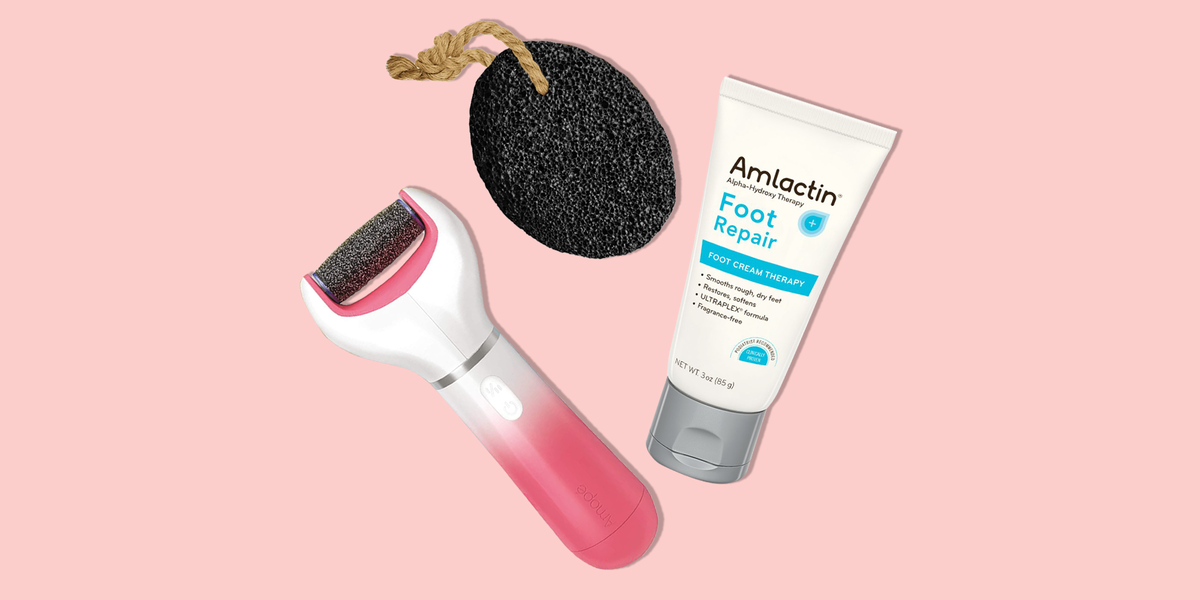
Amopé’s Pedi Perfect is the sensible middle ground between scrubbing with a stone for half an hour and attacking your heel with something that belongs in a toolbox. Its spinning micro-abrasive roller buffs away thick, dry skin with very little physical effort.
The device has performed strongly in consumer testing for visible smoothing after a single session. It is also relatively easy to take apart and clean. A pressure-sensitive stopping feature helps reduce the temptation to press harder when patience would be the healthier choice.
Different roller textures are available, allowing users to match the level of abrasion to the condition of their feet. Start with the least aggressive roller that can do the job. An extra-coarse head may be useful for a hard heel, but it should not be treated like a challenge issued by your foot.
- Type: Electric roller file
- Best for: Fast, low-effort smoothing
- Advantages: Quick, easy to clean, replaceable rollers
- Drawback: Replacement heads add to the long-term cost
2. Earth Therapeutics Precisso Nano Glass Foot File Best Gentle Manual File
This compact glass file is an excellent choice for people who want more control than an electric device provides. Its finely textured surface removes dry skin gradually, making it less intimidating than a large stainless-steel rasp.
The nonporous glass surface rinses clean easily and can be used on wet or dry feet according to the manufacturer’s instructions. Its palm-sized design is comfortable to grip, particularly when working around the edge of a heel or another relatively small rough patch.
It is not the fastest choice for extremely thick calluses. That is partly the point: slower abrasion can make it easier to stop before healthy skin becomes irritated.
- Type: Manual nano-glass file
- Best for: Regular maintenance and gentle smoothing
- Advantages: Washable, durable, easy to control
- Drawback: Requires more passes on heavy buildup
3. Rikans Colossal Foot Rasp Best for Thick Heel Calluses
The Rikans Colossal Foot Rasp is built for stubborn, dense heel buildup. Its broad stainless-steel filing surface removes more dry skin per pass than a fine glass file or traditional pumice stone.
That efficiency is both its greatest strength and its main warning label. Use gentle pressure, inspect your skin frequently, and stop while the area still feels comfortable. The goal is to reduce the callus gradually, not remove every visible layer during one heroic bathroom session.
For best control, soften the area first if the product directions recommend wet use. Move the rasp lightly across the thickest skin and finish with moisturizer. Clean and dry the tool thoroughly after every use.
- Type: Stainless-steel manual rasp
- Best for: Very rough, thick heels
- Advantages: Fast, affordable, large filing surface
- Drawback: Easy to overuse and somewhat messy
4. Baby Foot Original Exfoliation Foot Peel Best Foot Peel
Baby Foot is the most theatrical product on this list. The treatment comes in plastic booties filled with a blend of exfoliating acids. After the application, nothing much appears to happenuntil several days later, when dead skin begins peeling away like your feet have decided to molt.
The formula is designed to loosen layers of hardened surface skin without manual filing. Results are not immediate, and the peeling phase can continue for days. Plan accordingly unless leaving a trail of foot flakes through yoga class is part of your wellness journey.
This treatment is not appropriate for open cuts, active irritation, or highly sensitive skin. Remain seated while wearing the slippery booties, follow the timing instructions exactly, and consult a healthcare professional before use during pregnancy or when managing a medical condition that affects the feet.
- Type: Chemical exfoliating peel
- Best for: Broad areas of dry, flaky skin
- Advantages: No scrubbing, dramatic overall exfoliation
- Drawback: Delayed and visibly messy peeling process
5. AmLactin Foot Repair Cream Best Daily Cream
Not every callus requires grinding, scraping, or a weeklong shedding event. AmLactin Foot Repair Cream uses lactic acid to exfoliate gradually while moisturizing ingredients help soften dry skin.
This is a strong option for maintenance, mild calluses, and people who prefer a slow-and-steady routine. Apply it consistently according to the label rather than expecting one application to transform a neglected heel overnight. Foot cream is skincare, not a fairy godmother.
Because lactic acid is an alpha hydroxy acid, treated skin may become more sensitive to sunlight. Cover exposed feet or apply appropriate sunscreen when wearing sandals outdoors.
- Type: Exfoliating moisturizer
- Best for: Gradual treatment and prevention
- Advantages: Hydrates while exfoliating, easy daily use
- Drawback: May require several weeks of consistent application
6. Emjoi Micro-Pedi Ultra Best Compact Electric Option
The Emjoi Micro-Pedi Ultra offers powered exfoliation in a compact body that is easy to store or pack. Its rapidly rotating mineral rollers lift dry skin with less hand effort than a traditional file.
The small design is useful for travelers and users who find vigorous manual scrubbing uncomfortable. Interchangeable roller textures make the device adaptable, although there is a brief learning curve. Keep the file moving and use short passes instead of holding it over one spot.
Like any electric callus remover, it should only touch hardened skin. Avoid cracks, cuts, blisters, inflamed areas, and healthy soft skin.
- Type: Compact electric foot file
- Best for: Travel and limited hand strength
- Advantages: Portable, quick, low physical effort
- Drawback: Requires replacement rollers and careful technique
7. Dr. Scholl’s Callus Remover Cushions Best Targeted Treatment
Dr. Scholl’s medicated callus cushions combine concentrated salicylic acid with padding that helps protect the area from continued shoe pressure. They are most useful for a small, clearly defined callus rather than a large area of rough heel skin.
The cushioning is an important part of the design. Removing thick skin without addressing the friction that created it is like mopping the floor while the sink is still overflowing. Reducing pressure gives the irritated area a better chance to recover.
Salicylic acid can irritate surrounding healthy skin, so the medicated section must be positioned carefully and used exactly as directed. People with diabetes, reduced circulation, neuropathy, or fragile skin should not self-treat with medicated callus pads unless a clinician approves the plan.
- Type: Medicated adhesive cushion
- Best for: Small, localized calluses
- Advantages: Treats while cushioning pressure
- Drawback: Not ideal for broad or very deep buildup
8. Footlogix Callus Softener Combo Best Professional-Style System
The Footlogix system combines a callus-softening spray with a manual filing tool. Urea helps soften hardened keratin, while moisturizing ingredients reduce the amount of aggressive scraping needed afterward.
This two-step approach resembles a professional pedicure routine: apply the softener, wait for the recommended time, and gently file only the loosened dead skin. It provides faster results than a daily cream without requiring the prolonged peeling associated with exfoliating booties.
Read the instructions carefully, including whether the formula must be rinsed or wiped away before filing. Stronger is not automatically better, and leaving a softener on longer than directed can irritate healthy skin.
- Type: Chemical softener and manual file kit
- Best for: At-home pedicure enthusiasts
- Advantages: Fast two-step treatment, less forceful filing
- Drawback: More complicated than a single tool or cream
9. Pumice Valley Natural Earth Lava Pumice Stone Best Budget Option
A natural pumice stone remains one of the simplest and most economical ways to maintain callused feet. This lightweight lava-stone option is compact enough to grip securely and includes a hanging cord that helps it dry between uses.
Use it on softened skin with gentle circular or side-to-side motions. Do not scrub until the area feels hot or tender. A few minutes of controlled exfoliation repeated regularly is safer than attempting to erase months of buildup in one sitting.
Because pumice is porous, hygiene matters. Rinse it thoroughly, allow it to dry in an airy location, never share it, and replace it if it develops an odor, cracks, or becomes difficult to clean.
- Type: Natural volcanic pumice stone
- Best for: Affordable weekly maintenance
- Advantages: Inexpensive, simple, easy to grip
- Drawback: Porous surface requires careful drying
How to Choose the Right Callus Remover
Manual Tools
Pumice stones, glass files, and metal rasps give you direct control over pressure and placement. A pumice stone or fine glass file is usually appropriate for routine maintenance. A coarse metal rasp works faster but has a smaller margin for error.
Electric Callus Removers
Electric rollers are useful when hand strength, flexibility, or patience is limited. Look for multiple abrasion levels, easy-to-clean roller heads, a comfortable grip, and a mechanism that slows or stops under excessive pressure.
Chemical Exfoliants
Ingredients such as lactic acid, glycolic acid, salicylic acid, ammonium lactate, and urea soften or loosen thickened skin. Daily creams are generally gradual, while peels and medicated pads can be more intense. Apply them only where directed and protect surrounding healthy skin.
Your Skin Condition
A remover should not be used over bleeding cracks, blisters, rashes, suspected infections, or unexplained growths. A plantar wart can resemble a callus, and grinding it at home may spread irritation rather than solve the problem.
How to Remove Calluses Safely
- Inspect the skin for cuts, redness, swelling, drainage, or deep fissures.
- Follow the product’s wet-use or dry-use directions rather than improvising.
- If appropriate, soften the callus with warm water for several minutes.
- Use light pressure and short passes, checking the skin frequently.
- Stop immediately if you feel pain, burning, heat, or tenderness.
- Rinse away loosened skin and dry the feet thoroughly.
- Apply a fragrance-free moisturizer, preferably one containing urea, lactic acid, or ammonium lactate when suitable.
- Clean and dry reusable tools before storing them.
Never use a razor blade, knife, scissors, or hardware-store sanding device to remove a callus. The difference between “efficient” and “emergency room” can be one poorly judged swipe.
Who Should Avoid At-Home Callus Removal?
Ask a physician or podiatrist before using a callus remover if you have diabetes, poor circulation, peripheral neuropathy, reduced sensation, a weakened immune system, a history of foot ulcers, or another condition that slows wound healing.
Professional evaluation is also recommended for a callus that is extremely painful, inflamed, bleeding, rapidly returning, or associated with a change in walking. Persistent calluses may indicate that footwear, gait, foot structure, or pressure distribution needs attention.
How to Keep Calluses From Coming Back
Callus removal deals with the result. Prevention addresses the cause. Wear properly fitted shoes with enough toe room, replace worn-out insoles, use cushioned socks, and consider protective pads in areas that repeatedly rub.
Moisturize the feet regularly and perform gentle maintenance before the skin becomes painfully thick. Runners, hikers, dancers, and people who stand throughout the workday may need to inspect their feet more frequently. Some protective callus is normal, so perfectly glass-smooth soles should not be the goal.
A Realistic 30-Day Callus-Removal Experience
The following composite experience is based on recurring patterns in documented tester feedback and practical foot-care routines. It is not presented as a personal medical trial.
Week One: Resisting the Urge to Overdo It
The first surprise is usually how quickly an electric file or coarse rasp changes the surface texture. After a few careful passes, the heel feels smoother and no longer catches dramatically on socks or bedsheets. That instant improvement can create a dangerous burst of confidence. The device is working, dry skin is flying, and suddenly the user believes they have been selected for the Olympic foot-filing team.
The best outcome comes from stopping early. A brief session followed by moisturizer leaves the skin comfortable. A long session often produces tenderness that becomes obvious only when standing or walking later.
Week Two: Moisturizer Starts Doing the Boring but Important Work
By the second week, consistent cream use begins making a larger difference than expected. A lactic-acid or urea-based moisturizer does not deliver the visual excitement of a spinning roller, but it helps keep newly smoothed skin flexible. The heel looks less chalky, shallow lines become less obvious, and each maintenance session requires less abrasion.
This is also when footwear problems become impossible to ignore. If the same hard patch returns beneath the ball of the foot, the issue may be repeated pressure from a shoe, insole, or walking pattern. Filing harder will not outsmart physics.
Week Three: Finding the Right Maintenance Schedule
Most users discover that more frequent treatment is not necessarily better. A gentle glass file or pumice stone once or twice a week may be enough, while a coarse rasp or strong chemical treatment should be used less often and only according to its instructions.
The feet now feel smoother without feeling unusually thin or sensitive. Cleaning the tool becomes part of the routine rather than an afterthought. Electric rollers are brushed or rinsed if their instructions permit it, glass files are washed, and porous stones are hung where air can circulate around them.
Week Four: Results Become Easier to Maintain
At the end of a month, the biggest improvement is often not a completely callus-free foot. It is a manageable foot. Roughness is reduced, moisturizer absorbs more evenly, socks stop snagging, and maintenance takes minutes rather than requiring an emergency pedicure before sandal season.
The most successful routine combines three elements: mild exfoliation, regular hydration, and reduced friction. An electric file may provide the fastest visible change, a pumice stone may offer the best budget routine, and an exfoliating cream may produce the most sustainable long-term improvement. The winning product is ultimately the one that removes enough hardened skin without encouraging you to treat your heel like an old deck that needs refinishing.
Final Verdict
The Amopé Pedi Perfect Electronic Dry Foot File is the best overall callus remover for most healthy adults because it combines quick results, low physical effort, replaceable rollers, and a pressure-sensitive safety feature. The Earth Therapeutics Precisso Nano Glass Foot File is a gentler choice for controlled maintenance, while the Rikans Colossal Foot Rasp is better reserved for thick heel buildup and careful hands.
For gradual improvement, AmLactin Foot Repair Cream is easier to incorporate into a regular routine. Those who prefer hands-off exfoliation may appreciate Baby Foot, provided they can tolerate the delayed peeling process and have no medical reason to avoid it.
Whatever product you choose, remove calluses gradually, moisturize afterward, and address the footwear or pressure that caused the buildup. Smooth feet are lovely. Intact, comfortable skin is better.