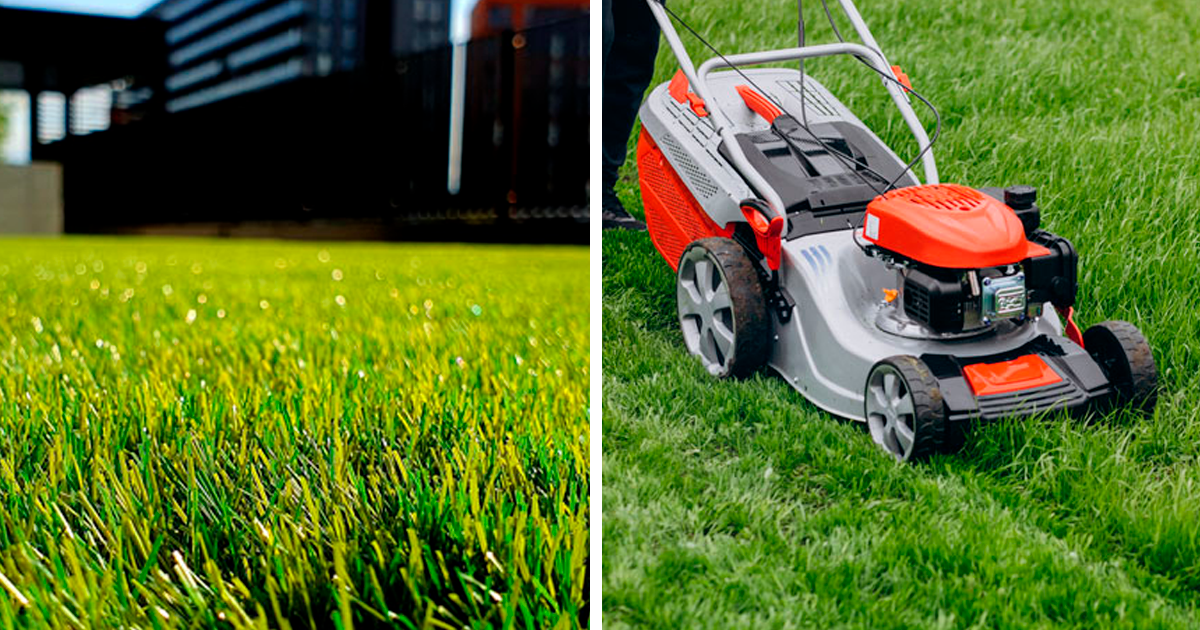
A beautiful lawn does not happen by accident. It is not simply grass that got lucky, drank a little rain, and decided to behave itself. A healthy, green, comfortable lawn is the result of smart timing, good soil, proper mowing, deep watering, and a few maintenance habits that quietly do the heavy lifting while your neighbors wonder why your yard looks like it has a personal trainer.
The good news? You do not need a degree in turf science or a garage full of mysterious lawn potions. Most game-changing lawn care tips are surprisingly practical. Mow higher. Water deeper. Test your soil before feeding it. Aerate compacted areas. Overseed before thin spots become weed resorts. Keep mower blades sharp. Let grass clippings work as free fertilizer. In other words, stop fighting your lawn and start coaching it.
This guide breaks down the best lawn maintenance tricks for homeowners who want a thicker, greener, healthier yard without wasting weekends, water, or money. Whether your lawn is cool-season grass such as tall fescue, Kentucky bluegrass, and perennial ryegrass, or warm-season turf such as bermudagrass, zoysia, centipedegrass, or St. Augustinegrass, the same principle applies: healthy grass beats weeds, drought stress, pests, and patchy growth far better than quick fixes ever will.
Why Smart Lawn Maintenance Beats Random Lawn Care
Many homeowners treat lawn care like emergency medicine. The grass turns yellow, weeds appear, bare spots spread, and suddenly the weekend becomes a dramatic episode of “CSI: Dead Lawn Edition.” The smarter approach is preventive lawn maintenance. Instead of waiting for problems to become obvious, you create growing conditions that help turfgrass stay dense, rooted, and resilient.
A dense lawn shades the soil, blocks weed seeds from germinating, holds moisture better, and tolerates foot traffic more gracefully. Thin grass does the opposite. It invites crabgrass, clover, dandelions, moss, and every other opportunistic plant that sees bare soil and thinks, “Finally, my time to shine.”
The best lawn care strategy is not one dramatic treatment. It is a routine built around mowing, watering, fertilizing, soil care, seasonal timing, and observation. Once those pieces work together, lawn maintenance becomes easier. Your grass stops acting needy, and you stop panic-buying products with labels that sound like superhero names.
Know Your Grass Type Before You Start
Before applying any lawn care tips, identify your grass type. Cool-season grasses grow strongest in spring and fall. They are common in northern and transition-zone lawns. Warm-season grasses love summer heat and are common in the South. This matters because the best time to seed, fertilize, aerate, and dethatch depends on when your grass is actively growing.
Cool-season lawns
Cool-season grasses include tall fescue, Kentucky bluegrass, fine fescue, and perennial ryegrass. These lawns usually benefit from major renovation work in late summer to early fall, when soil is warm, air temperatures are milder, and weed pressure is lower. Spring maintenance is still useful, but fall is often the prime time for overseeding and recovery.
Warm-season lawns
Warm-season grasses include bermudagrass, zoysiagrass, St. Augustinegrass, and centipedegrass. They wake up as temperatures rise and grow most actively in late spring and summer. Aeration, fertilization, and major repairs are generally most effective during active growth, not during dormancy.
If you are not sure what grass you have, look at blade texture, growth habit, color, and regional climate. Local cooperative extension offices are also excellent resources. Guessing your grass type is like guessing your shoe size before a marathon: maybe fine, but also maybe painful.
Mow High, Mow Often, and Stop Scalping the Lawn
Mowing is one of the most powerful lawn maintenance tools, yet it is also one of the easiest to misuse. Cutting grass too short may look tidy for a day, but it weakens the plant, exposes soil to sunlight, encourages weeds, and reduces drought tolerance. Your lawn is not a putting green unless you are actually maintaining a golf course, in which case you probably already own more equipment than some small airports.
For many cool-season lawns, a mowing height around 3 to 4 inches is a strong target. Taller grass blades support deeper roots, improve shade over the soil, and help the lawn compete against weeds. Some warm-season grasses are maintained lower, but the key is to follow recommendations for your grass species and avoid dramatic cuts.
Follow the one-third rule
The one-third rule is simple: never remove more than one-third of the grass blade in a single mowing. If you want to maintain a 3-inch lawn, mow before it grows much taller than about 4.5 inches. Removing too much at once shocks the plant and leaves behind a stressed, ragged lawn that looks like it made poor life choices.
Keep mower blades sharp
Dull mower blades tear grass instead of cutting it cleanly. Torn tips turn brown, lose moisture faster, and create openings for disease. Sharpen blades at least once or twice per season, and more often if you mow frequently or hit sticks, stones, roots, or that one mystery object the kids swear they did not leave outside.
Change mowing direction
Alternate your mowing pattern each time. This helps prevent soil compaction, reduces ruts, and encourages grass blades to grow more upright. One week, mow north to south. Next time, mow east to west. Diagonal passes can also help avoid repetitive wheel tracks.
Let Grass Clippings Feed the Lawn
Bagging grass clippings is often unnecessary unless the lawn is diseased, overgrown, or leaving heavy clumps. When mowed regularly, short clippings break down quickly and return nutrients to the soil. This practice, sometimes called grasscycling, can reduce fertilizer needs and save time.
The trick is to mow before the grass gets too tall. If clippings are long and wet, they can mat together and block sunlight. If you see clumps, spread them out with a rake or mow again once the grass dries. Think of clippings as a lawn snack, not a blanket.
Water Deeply, Not Daily
One of the biggest lawn care mistakes is shallow, frequent watering. A few minutes of daily sprinkling trains roots to stay near the surface, where soil dries quickly. Deep, less frequent watering encourages roots to grow downward, helping turf handle heat and dry spells.
Many lawns need about 1 inch of water per week, including rainfall, during active growth. However, the right amount depends on grass type, soil, weather, slope, shade, and local watering restrictions. Sandy soil dries faster. Clay soil holds moisture longer but can become compacted. A lawn in full sun needs more water than grass under light shade.
Water in the early morning
Early morning is usually the best time to water. Temperatures are cooler, winds are lighter, and grass blades have time to dry during the day. Evening watering can leave foliage wet overnight, which may increase disease pressure. Midday watering wastes more water to evaporation.
Use the tuna-can test
Place several empty tuna cans or shallow containers around the lawn while your sprinkler runs. Measure how long it takes to collect about half an inch of water. That tells you how long your system needs to run to apply a useful amount. This simple test is cheap, effective, and slightly more dignified than standing in the yard arguing with a sprinkler.
Watch for drought signals
Grass that needs water may turn bluish-gray, wilt, or show footprints after you walk across it. These signs mean the lawn is under moisture stress. Water before severe browning occurs, unless you intentionally allow a cool-season lawn to go dormant during summer drought. Dormant grass can survive for a while, but it should not be heavily trafficked or ignored indefinitely.
Test Your Soil Before Fertilizing
Fertilizer is not lawn magic. It is plant nutrition. Applying it without a soil test is like seasoning soup in the dark: you might improve it, but you might also create a salty disaster. A soil test tells you the pH, nutrient levels, and sometimes organic matter content of your soil. It helps determine whether your lawn needs nitrogen, phosphorus, potassium, lime, or nothing at all.
Many homeowners overapply fertilizer because they assume more food equals more green. In reality, too much fertilizer can burn grass, encourage excessive top growth, increase disease risk, and contribute to nutrient runoff. A soil test helps you feed the lawn responsibly and avoid paying for nutrients your grass does not need.
Understand pH
Soil pH affects nutrient availability. If the pH is too low or too high, grass may struggle even when nutrients are present. Lime is often used to raise soil pH, but it should be applied based on test results, not because the neighbor did it and seems confident.
Choose slow-release fertilizer when appropriate
Slow-release nitrogen can provide steadier feeding and reduce the risk of burning turf. It is especially useful for homeowners who want consistent results without pushing excessive growth. Fast growth may look exciting for about eight minutes, until you realize you now have to mow again.
Fertilize at the Right Time
Timing matters as much as product choice. Cool-season grasses often respond best to fertilization in fall, when shoots and roots are actively growing and summer stress is fading. Spring fertilizer can be useful, but heavy early feeding may push leafy growth at the expense of roots.
Warm-season grasses are typically fertilized during active growth in late spring and summer. Fertilizing before warm-season turf has fully greened up can waste nutrients and encourage weeds. Fertilizing too late in the season may increase winter injury risk in some regions.
Always follow local recommendations and product labels. Avoid fertilizing before heavy rain, and sweep granules off sidewalks, driveways, and streets back onto the lawn. Fertilizer belongs in the grass, not in storm drains, streams, ponds, or the driveway cracks where weeds seem to run tiny underground businesses.
Aerate Compacted Soil
If your lawn sees heavy foot traffic, pets, kids, parked equipment, or clay soil, compaction may be limiting root growth. Compacted soil reduces air movement, water infiltration, and nutrient access. The result is thin turf, puddling, weak roots, and weeds that thrive in stressed areas.
Core aeration removes small plugs of soil from the lawn, opening channels for air, water, and nutrients. It is far more effective than spike aeration, which can sometimes compress soil further around the holes. After aeration, leave the soil plugs on the surface. They break down naturally and return soil microorganisms to the turf.
When to aerate
Aerate when your grass is actively growing so it can recover quickly. For cool-season lawns, early fall is often ideal, with spring as a secondary option in some regions. For warm-season lawns, late spring through summer is usually better. Avoid aerating dormant or severely drought-stressed grass.
Overseed Thin Lawns Before Weeds Move In
Bare spots and thin turf are open invitations for weeds. Overseeding adds new grass plants to improve density, repair damage, and introduce improved turf varieties. The best time depends on grass type and region, but late summer to early fall is often excellent for cool-season lawns because soil is warm and rainfall is more reliable.
Before overseeding, mow a little lower than usual, remove debris, loosen the soil surface, and improve seed-to-soil contact. After seeding, keep the area consistently moist until germination. Do not let new seedlings dry out. Young grass has tiny roots and the emotional resilience of a houseplant in a dark apartment.
Pick the right seed
Use grass seed suited to your climate, sunlight, soil, and lawn use. A shady side yard needs a different blend than a sunny play area. Cheap seed may contain undesirable grasses, low germination rates, or weed seeds. Quality seed costs more upfront but usually saves frustration later.
Control Weeds by Growing Better Grass
Weed control begins with lawn health. Herbicides can help in specific situations, but they should not be the entire plan. A thick lawn maintained at the right height naturally prevents many weed seeds from reaching sunlight. Proper watering and fertilizing also help turf outcompete invaders.
Crabgrass prevention
Crabgrass is an annual grassy weed that germinates when soil warms in spring. Pre-emergent herbicides can help prevent it, but timing is crucial. Apply too early and protection may fade. Apply too late and crabgrass may already be growing. Dense turf and mowing higher are also powerful nonchemical defenses.
Broadleaf weeds
Dandelions, plantain, clover, and creeping Charlie often signal underlying conditions such as thin turf, low fertility, compacted soil, shade, or improper mowing. Pull small infestations by hand when soil is moist, making sure to remove roots. For larger problems, choose targeted treatments and follow labels carefully.
Manage Thatch Before It Becomes a Mattress
Thatch is a layer of living and dead stems, roots, and organic material between grass blades and soil. A small amount is normal. Too much thatch blocks water, fertilizer, and air from reaching roots. It can also harbor insects and disease.
Contrary to popular myth, grass clippings are not usually the main cause of thatch when you mow properly. Excessive fertilization, overwatering, compacted soil, and certain aggressive grass species are more common contributors. Core aeration can help manage thatch by improving soil activity and decomposition. Power raking or dethatching may be needed for severe buildup, but it should be done at the correct time for your grass type.
Fix Bare Spots the Right Way
Bare patches do not appear for no reason. Before reseeding, figure out what caused the problem. Was it dog urine, grubs, foot traffic, shade, poor drainage, mower scalping, disease, or soil compaction? Seeding without solving the cause is like repainting a wall while the roof is still leaking.
For small bare areas, remove dead material, loosen the top layer of soil, mix in compost if needed, seed evenly, lightly rake, and keep moist. Covering the area with a thin layer of straw can help retain moisture, but do not bury the seed too deeply. Grass seed needs good soil contact, moisture, and light conditions appropriate for the species.
Do Not Ignore Shade
Grass needs sunlight. Some varieties tolerate shade better than others, but no lawn grass thrives in deep shade forever. If grass repeatedly fails under dense trees, consider alternatives such as mulch beds, shade-tolerant groundcovers, stepping stones, or a woodland-style planting. A beautiful landscape does not require forcing grass to grow where it clearly wants to resign.
For partial shade, use shade-tolerant seed mixes, mow slightly higher, reduce foot traffic, and avoid overwatering. Pruning tree branches to improve air movement and filtered light may also help, but major pruning should be done carefully and at the right time.
Seasonal Lawn Maintenance Calendar
Spring
Spring lawn care should focus on cleanup, mowing, soil testing, light repair, and weed prevention. Rake leaves and debris, sharpen mower blades, and begin mowing when grass actively grows. Avoid heavy early fertilization on cool-season lawns unless recommended. Apply crabgrass preventer at the proper time if crabgrass has been a recurring problem.
Summer
Summer is stress season. Mow high, water deeply when needed, avoid fertilizing cool-season lawns during heat and drought, and limit heavy traffic on dormant turf. Watch for insects, disease, and irrigation problems. Warm-season lawns are actively growing in summer and may need regular mowing and properly timed feeding.
Fall
Fall is renovation season for many cool-season lawns. Aerate compacted soil, overseed thin areas, fertilize according to soil test recommendations, and continue mowing until growth stops. Keep leaves from smothering turf. Shredded leaves can be mulched into the lawn if they are not too thick.
Winter
Winter lawn care is mostly about prevention. Avoid heavy traffic on frozen or snow-covered grass when possible. Store equipment properly, clean the mower deck, and plan next season’s soil test, seed, and fertilizer schedule. Your future lawn will appreciate the preparation, even if it does not send a thank-you card.
Eco-Friendly Lawn Care Tricks That Actually Work
A healthy lawn and an environmentally responsible yard can go together. Start by using only the fertilizer your soil needs. Sweep fertilizer and grass clippings off hard surfaces. Keep leaves and yard waste out of storm drains. Water efficiently. Reduce unnecessary pesticide use. Add garden beds or native plants in areas where turf struggles.
You can also leave part of the yard slightly more natural, especially low-use areas. Taller mowing, reduced chemical use, and flowering lawn alternatives in appropriate places can support pollinators while still keeping the property neat. The goal is not to abandon the lawn. The goal is to maintain it intelligently.
Common Lawn Care Mistakes to Avoid
Mowing too short
Scalping weakens grass, exposes soil, and encourages weeds. Raise the mower deck and let the lawn build stronger roots.
Watering every day
Shallow watering creates shallow roots. Water deeply and less often, adjusting for rainfall and soil type.
Skipping the soil test
Without a soil test, fertilizer and lime applications become guesswork. Test first, then treat.
Using the wrong seed
Seed selection matters. Match grass type to your climate, sun exposure, soil, and use pattern.
Ignoring compaction
If water runs off or puddles, roots may be struggling. Core aeration can help restore air and water movement.
Real-World Experience: What Actually Changes a Lawn
One of the biggest lessons from hands-on lawn maintenance is that dramatic results usually come from boring consistency. The homeowner who mows high every week, waters deeply only when needed, tests the soil, and overseeds at the right time often gets better results than the person who buys every new lawn product on the shelf. Lawns love routines. They are basically green grandparents: predictable, practical, and suspicious of sudden changes.
A common real-life example is the thin front lawn that bakes in afternoon sun. Many people respond by watering lightly every day. At first, the lawn looks better, but by midsummer it becomes weak again. The better fix is to raise the mowing height, water deeply once or twice a week depending on rainfall, aerate compacted soil in the correct season, and overseed with a heat-tolerant grass blend. Add fertilizer only after a soil test. Within one or two growing seasons, the lawn often becomes noticeably thicker because the roots finally have a reason to grow deeper.
Another practical experience involves mower blades. Many homeowners do everything else correctly but forget blade sharpness. The lawn develops a brown haze after mowing, and they assume disease, drought, or fertilizer deficiency. Then the blade gets sharpened, and suddenly each cut looks cleaner. The grass loses less moisture, the color improves, and the lawn appears healthier without adding a single product. Sometimes the miracle treatment is a wrench and a sharpening file.
Pet damage is another common challenge. Dog urine spots, especially from repeated visits to the same area, can create yellow patches surrounded by dark green rings. The solution is not to panic-fertilize the whole yard. Flush fresh spots with water, train pets to use a designated area if possible, repair dead patches with soil and seed, and keep the rest of the lawn healthy enough to recover. A thick lawn handles small insults better than a thin one.
For families with kids, play areas often become compacted. The grass near swing sets, gates, and paths thins out because the soil is pressed tight. In these areas, core aeration, topdressing with compost, and overseeding can help, but sometimes the smartest trick is design. Add stepping stones, mulch paths, or a defined play surface where traffic is constant. Great lawn care includes knowing when grass is not the right surface for the job.
Fall renovation is another game-changer. Many people focus all their energy on spring because that is when they feel excited to be outside. But for cool-season lawns, fall is often the season when the magic happens. Aerating, overseeding, and fertilizing properly in early fall can produce a thicker lawn the following spring. It feels delayed, but lawn care rewards patience. Grass is not a microwave meal; it is more like sourdough starter with roots.
Finally, the best experience-based tip is to walk your lawn regularly. Look for patterns. Are weeds showing up in compacted areas? Is one sprinkler missing a corner? Are mushrooms appearing where drainage is poor? Are mower tracks forming in the same place? Lawn maintenance improves when you stop seeing the yard as one big green carpet and start seeing it as zones with different needs.
The most successful lawn owners are not perfectionists. They are observers. They adjust mowing height during stress, water based on weather, feed based on soil data, and repair small problems before they become expensive ones. That is the real secret behind game-changing lawn care: less guessing, more watching, and a maintenance routine that helps grass do what grass naturally wants to dogrow thick, green, and just smug enough to make the neighbors peek over the fence.
Conclusion
Game-changing lawn care is not about chasing perfection or turning your weekend into a turf-management seminar. It is about mastering the basics that matter most: mow at the right height, follow the one-third rule, water deeply, test the soil, fertilize responsibly, aerate compacted areas, overseed thin spots, and prevent weeds by growing stronger grass.
When you care for the soil, roots, and seasonal needs of your lawn, the results become easier to maintain. Your grass grows thicker, handles stress better, and needs fewer rescue missions. A great lawn is not built in one afternoon. It is built through smart habits repeated at the right time. Do that, and your yard may become the kind of green space where bare feet, backyard dinners, and mildly jealous neighbor comments all feel right at home.