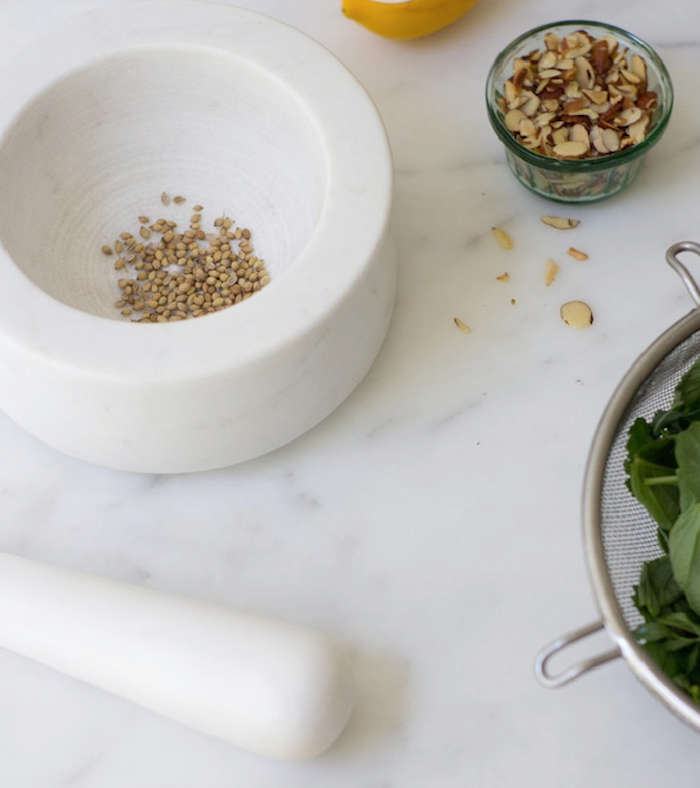
A white mortar and pestle is the kitchen tool equivalent of a quiet person who can still win an arm-wrestling contest. It looks calm, sculptural, and almost too pretty to splatter with basil oil, garlic paste, or a heroic amount of peppercorn dust. Then you put it to work, and suddenly this little bowl-with-a-club is doing what a blender can only dream about: coaxing flavor out of ingredients instead of bullying them into submission.
The appeal is simple. A white mortar and pestle sits beautifully on open shelving, bright counters, and farmhouse tables, but it is not only decorative. Used well, it crushes whole spices, bruises herbs, smashes garlic, builds pesto, muddles citrus zest, and turns nuts into fragrant rubble. In a world full of rechargeable gadgets, app-connected appliances, and kitchen tools that require a firmware update before breakfast, the mortar and pestle remains gloriously analog. No batteries. No Bluetooth. Just friction, weight, and a little wrist confidence.
This guide explores ten easy pieces in the white mortar and pestle universe: marble, porcelain, ceramic, stoneware, and modern mixed-material designs. It also explains how to choose one, how to use it without creating a spice confetti storm, and how to keep a white set looking elegant even after it has survived pesto night.
Why Choose a White Mortar and Pestle?
White kitchen tools have a special talent: they look clean, timeless, and intentional. A white marble mortar and pestle with gray veining can soften a stainless-steel kitchen. A white porcelain mortar with a small pouring spout feels charmingly apothecary, as if your oregano is about to receive a medical degree. A white stoneware version can sit beside salt crocks, butter keepers, and mixing bowls without visually shouting for attention.
But the best white mortar and pestle is more than a countertop accessory. The material and shape matter. A shallow, slippery bowl may look gorgeous but send coriander seeds ricocheting across the counter like tiny edible marbles. A heavy bowl with a textured interior gives ingredients something to grip, making grinding faster and more satisfying. For most home cooks, the sweet spot is a mortar wide enough for movement, deep enough to prevent escapees, and heavy enough to stay put when you lean in.
10 Easy Pieces: The Best White Mortar and Pestle Styles to Know
1. The Classic White Marble Mortar and Pestle
White marble is the showpiece. It has natural veining, satisfying weight, and a cool stone surface that instantly makes a kitchen look more composed, even if the junk drawer nearby contains twelve soy sauce packets and one mystery key. Marble is excellent for small batches of spice blends, garlic paste, herb rubs, aioli, and pesto-style sauces.
Look for a bowl with enough heft to resist sliding and a pestle that feels comfortable in the hand. A marble set works especially well when you want both function and display value. It is not always the roughest grinding surface, so it may take a bit more patience with very hard spices, but for everyday cooking it delivers beauty and dependable performance.
2. The White Marble and Wood Combination
A white marble bowl paired with a walnut or olivewood pestle brings warmth to the stone. This style is ideal for cooks who want a softer, furniture-like object on the counter. The marble provides stability; the wood pestle feels pleasant and slightly gentler in the hand.
This combination shines for herbs, dips, seasoning pastes, and finishing touches. It is also a strong gift choice because it looks expensive without needing a speech about why hand-ground cumin changed your life. Though, fair warning, it might.
3. The French Kitchen White Marble Version
The French-inspired white marble mortar and pestle is the little black dress of grinding tools, except it is white and prefers garlic. With gray veining and a traditional rounded form, it can crush peppercorns, dried herbs, nuts, seeds, and garlic cloves without looking overly industrial.
This type is especially useful for cooks who want one compact tool that can move from prep work to serving. Make a coarse chili salt, place the mortar on the table, and suddenly dinner looks curated. Nobody needs to know the chili flakes came from the back of the pantry.
4. The Mini White Marble Mortar and Pestle
A mini white marble mortar and pestle is not designed for big batches of guacamole. It is designed for the tiny but important jobs: crushing a few peppercorns, grinding saffron with sugar, bruising mint, smashing a garlic clove, or making a quick finishing salt.
The mini version is perfect for apartment kitchens, bar carts, and cooks who like precision. Its weakness is capacity. If you overload it, ingredients will jump ship. Treat it like a spice tool, not a salsa bucket, and it will be charmingly useful.
5. The White Ceramic Mortar and Pestle
White ceramic mortar and pestle sets often borrow their look from old pharmacy tools. They are clean, simple, and often more affordable than marble. Ceramic is usually nonporous and easy to rinse, making it a practical choice for dry spices, pills for non-medical kitchen uses such as salt tablets for curing projects, and small sauce bases.
The best ceramic sets have an unglazed or slightly rough interior. That texture is important. A glossy interior may clean beautifully, but it can make spices skate around like they are auditioning for a winter sport.
6. The White Porcelain Mortar with Pour Spout
Porcelain is smooth, bright, and classic. A white porcelain mortar with a pour spout is especially handy for spice mixtures, dressings, and small liquid pastes. The pour spout may seem minor until you try transferring crushed mustard seeds and oil into a jar without decorating the counter.
Porcelain is a good option for cooks who want easy cleanup and a crisp look. For best performance, choose one with ridges, grooves, or an unglazed grinding surface inside. That small design detail can be the difference between “freshly ground spice blend” and “why is the fennel seed still whole?”
7. The White Stoneware Mortar and Pestle
Stoneware versions bring durability and charm. Many modern stoneware designs combine a glazed exterior with an unglazed interior, giving you a tool that is attractive outside and hardworking inside. The abrasive interior helps break down herbs and spices, while the glazed finish makes the piece easier to clean.
This style is a smart choice for cooks who want something less formal than marble but more substantial than lightweight ceramic. It belongs in kitchens where tools are used daily, not simply posed beside a linen towel for visual approval.
8. The Smoky White Marble Mortar and Pestle
Smoky white marble adds a moodier twist to the classic white kitchen accessory. Instead of a bright, clinical white, it offers soft gray movement and natural variation. It is the mortar and pestle for people who want minimalism, but with a little drama. Think: “quiet luxury,” but for crushing cumin.
Because marble is natural stone, each piece varies. That is part of the appeal. No two bowls are exactly alike, which means your mortar and pestle has more individuality than most kitchen gadgets and considerably fewer buttons.
9. The Marble and Brass Modernist Set
A white marble mortar with a brass base brings the mortar and pestle into design-object territory. It still grinds herbs and spices, but it also looks at home beside modern lighting, sculptural bowls, and open shelving. If your kitchen leans contemporary, this style adds polish without losing function.
When choosing a modernist set, check the pestle tip. A ridged or textured pestle end improves grip and grinding efficiency. Smooth beauty is nice, but in the mortar-and-pestle world, a little roughness gets dinner moving.
10. The Budget-Friendly White Marble Mortar and Pestle
You do not have to spend a fortune to get a useful white mortar and pestle. Many affordable marble sets offer enough weight and size for everyday grinding. These are excellent starter pieces for cooks who want to try whole spices, homemade rubs, or small-batch pesto without committing to a tool that costs as much as a dinner reservation.
With budget marble, inspect the interior texture, bowl depth, and pestle comfort. Natural veining and minor variations are normal. What you want to avoid is a bowl so shallow that every sesame seed files a flight plan.
Marble, Ceramic, Porcelain, or Stoneware: Which Material Is Best?
The best material depends on how you cook. White marble is beautiful, heavy, and versatile. It is excellent for pastes, herbs, garlic, nuts, and many spice blends. However, marble can be smoother and somewhat more delicate than rough granite, so it is not always the best choice for aggressive pounding.
Ceramic and porcelain are clean-looking, often affordable, and easy to maintain. They are best when the interior has some texture. Smooth porcelain can be lovely for mixing and light grinding, but a rough interior performs better when spices need to break down.
Stoneware sits in the practical middle. A glazed exterior with an unglazed interior offers both beauty and friction. It may not have the veining of marble, but it can be wonderfully dependable for everyday kitchen work.
If your main goal is heavy-duty curry pastes, Thai chili pastes, or serious pounding, a rough granite mortar may outperform a white marble or ceramic one. If your goal is daily flavor-building with a tool that also looks good beside your olive oil bottle, a white mortar and pestle is a strong choice.
What to Make in a White Mortar and Pestle
A good mortar and pestle rewards small efforts with big flavor. Start with whole spices. Toast cumin, coriander, or fennel seeds briefly in a dry pan, then grind them while warm. The aroma is louder, fresher, and more interesting than pre-ground spice. It is the difference between “nice dinner” and “why does this taste like a restaurant?”
Garlic paste is another easy win. Add garlic and a pinch of salt, then press and grind until the cloves surrender. Mix in lemon zest, olive oil, and herbs for a quick marinade. For pesto, crush garlic and salt first, add basil leaves gradually, then work in pine nuts, cheese, and olive oil. The texture will be less machine-smooth and more alive.
You can also make chili salt, sesame crumble, mustard seed dressing, anchovy paste, herb butter, curry paste, guacamole, and cocktail muddles. The tool is simple, but the range is wide. It is basically a tiny flavor gym, and your basil is about to do leg day.
How to Use a Mortar and Pestle Without Making a Mess
Do not attack the ingredients like they owe you money. Start with a pressing and twisting motion. Push ingredients against the side and bottom of the bowl, then gather them back to the center. For round spices, use short, controlled grinding strokes until the seeds crack. Once cracked, they become easier to crush into powder.
For wet pastes, add ingredients gradually. A few basil leaves at a time are easier to manage than a leafy mountain. Salt acts as an abrasive, helping garlic, herbs, and spices break down faster. If ingredients climb the sides, scrape them down with the pestle or a small spatula.
Keep one hand on the mortar if it is small or lightweight. If it slides, place a damp towel underneath. That simple trick can prevent both mess and drama. The goal is flavor, not a countertop rodeo.
How to Clean and Care for a White Mortar and Pestle
Care depends on the material. Many marble and natural stone sets should be hand washed and dried promptly. Avoid long soaking unless the manufacturer says it is safe. For porous stone, skip strong soap because residue can linger and affect flavor. Warm water, a brush, and patience usually do the job.
For ceramic, porcelain, and glazed stoneware, cleanup is often easier. A quick rinse and gentle scrub can remove most residue. Still, always check the manufacturer’s care instructions. Some stoneware pieces may be dishwasher-safe, while many marble designs are strictly hand wash only.
To freshen a mortar after grinding oily or aromatic ingredients, use coarse salt or dry rice as a mild abrasive. Grind, discard, rinse, and dry. For white marble, avoid acidic cleaning methods such as vinegar or lemon juice. They may be useful in other cleaning situations, but marble prefers a gentler life. It is stone, yes, but it has boundaries.
Buying Checklist: What Makes a White Mortar and Pestle Worth It?
Weight
A heavier mortar stays stable while you grind. Lightweight pieces can work for small jobs, but they may slide during harder tasks.
Interior Texture
Texture creates friction. Look for unpolished, unglazed, ridged, or slightly rough interiors if you want better grinding power.
Bowl Depth
A deeper bowl keeps spices and herbs contained. Shallow bowls look elegant but can be messy with peppercorns, seeds, and nuts.
Pestle Comfort
The pestle should feel natural in your hand. A rounded end, ridged tip, or broad contact surface can make grinding easier.
Size
Small sets are great for spices. Medium sets are more versatile. Large sets work for pesto, guacamole, and bigger pastes, but they need storage space and muscle.
Design Tips: Styling a White Mortar and Pestle in the Kitchen
A white mortar and pestle deserves to be seen. Place it near olive oil, salt, pepper mills, or a small herb pot for a practical prep zone. On open shelves, pair it with wood cutting boards or glass jars of spices. The contrast of white stone against warm wood is classic and easy.
If your kitchen is modern, a marble-and-brass set adds a polished note. If your kitchen is farmhouse or cottage-inspired, white ceramic or stoneware feels relaxed and useful. If your kitchen is tiny, choose a mini marble set and let it live beside the stove. It will look decorative until dinner, then suddenly become essential.
Conclusion: A Small Tool With Serious Flavor Power
The white mortar and pestle is proof that a kitchen tool can be beautiful and useful at the same time. Marble gives weight and elegance. Porcelain brings crisp simplicity. Ceramic offers affordability and tradition. Stoneware provides everyday practicality. The best choice is the one that fits your cooking style, your counter space, and your tolerance for chasing runaway coriander seeds.
For a first white mortar and pestle, choose a medium-size piece with some heft, a textured interior, and a pestle that feels comfortable. Use it for spices, garlic, herbs, pesto, rubs, and pastes. Keep it clean, dry it well, and leave it out where you can see it. A tool this good-looking should not be banished to the cabinet with the melon baller and the lonely fondue forks.
Experience Notes: Living With a White Mortar and Pestle
The first thing you learn from using a white mortar and pestle is that it slows you down in the best possible way. Not slow like waiting behind someone writing a paper check at the grocery store. Slow like smelling toasted cumin open up under pressure, watching garlic turn creamy with salt, and realizing that dinner can improve before the pan is even hot.
In daily use, the white mortar and pestle becomes a small ritual. You reach for it when a recipe needs a little lift but not a full appliance situation. A single garlic clove, a few thyme leaves, black pepper, lemon zest, and olive oil can become a quick rub for chicken or vegetables. Crushed flaky salt with rosemary can make roasted potatoes taste more deliberate. A few fennel seeds ground by hand can turn tomato sauce from ordinary to quietly impressive.
The experience is also tactile. You feel ingredients change. Peppercorns crack first, then crumble. Basil bruises before it becomes a paste. Nuts resist, then suddenly collapse. That feedback teaches you more than a food processor does. A processor says, “I made it smaller.” A mortar and pestle says, “Here is the exact moment the garlic gave up.” It is oddly satisfying.
There are practical lessons too. Do not overfill the bowl. Ingredients need room to move. If you are making pesto, add basil in stages. If you are grinding spices, crack them before trying to powder them. If the mortar moves, put a damp towel underneath. If the pestle feels awkward, adjust your grip and use more pressing than pounding. Most mistakes come from impatience, which is rude because impatience has already ruined enough toast.
A white mortar and pestle also teaches cleaning discipline. Rinse it soon after use, especially after oily herbs or garlic. Dry it thoroughly before storing. If it smells strong, grind dry rice or coarse salt in it, then rinse again. With marble, avoid harsh acids and aggressive cleaners. Treat it like a beautiful stone tool, not a stainless-steel stockpot.
After a few weeks, you may find that the mortar and pestle stays on the counter permanently. Not because it is trendy, but because it earns the space. It makes weekday meals brighter. It encourages whole spices. It helps you use the last handful of herbs before they become refrigerator compost. It makes sauces feel handmade without requiring culinary school confidence.
The best part is that it changes how you think about flavor. Instead of reaching automatically for bottled seasoning, you start building small, fresh mixtures: sesame and salt for rice, garlic and chili for noodles, mint and sugar for fruit, rosemary and lemon for fish. The white mortar and pestle is not loud about its importance. It just sits there, elegant and patient, waiting to make your next meal taste like you tried a little harder than you actually did.