A weak toilet flush has a special talent for ruining the mood. One minute, your bathroom seems perfectly normal. The next, you are standing there like a disappointed project manager, waiting for the bowl to do a job it clearly submitted late. The good news is that most “low toilet water pressure” problems are not mysterious. In many homes, the issue is really low tank water, restricted water flow, clogged rim jets, a tired flapper, or a partial blockagenot the actual pressure in your plumbing system.
That distinction matters. A toilet does not flush like a showerhead sprays. Most residential toilets rely on stored water in the tank, gravity, the flush valve, the siphon jet, and the bowl’s trapway to create a strong flush. So when people search for how to increase water pressure in a toilet, what they usually want is a stronger toilet flush, faster bowl clearing, and fewer repeat performances with the handle.
This guide breaks the solution into three practical methods: improving the tank’s water delivery, clearing clogged water passages, and fixing hidden drain or part problems. You do not need to become a plumber overnight. You just need a flashlight, a little patience, and the courage to lift the tank lid without acting like it contains ancient treasure.
Before You Start: Understand What “Toilet Water Pressure” Really Means
In a gravity-fed toilet, flush power comes from how quickly enough water moves from the tank into the bowl. If the tank does not fill to the proper level, the flapper closes too soon, the rim holes are blocked, or the trapway is partially clogged, the toilet may flush weakly even if the rest of the house has normal water pressure.
Here is a simple test. Flush the toilet and watch what happens. Does the tank refill slowly? Does the bowl swirl lazily? Does the water rise before draining? Do you need to hold the handle down? Each symptom points to a different cause. A slow tank refill may involve the shutoff valve or fill valve. A weak swirl often points to low tank water or clogged rim jets. Water rising in the bowl can suggest a partial clog. Holding the handle down usually means the flapper, chain, or flush valve needs attention.
Also, do not automatically increase the water level beyond the manufacturer’s waterline. Modern toilets are designed to use a specific flush volume. EPA WaterSense-labeled toilets, for example, are built to save water while still meeting performance standards. The goal is not to turn your toilet into a backyard fire hydrant. The goal is to restore the flush the toilet was designed to have.
Way 1: Adjust the Tank Water Level and Improve Water Supply
The first and easiest way to increase toilet flush power is to make sure the tank is filling correctly. Low water in the tank is one of the most common reasons a toilet flushes weakly. If there is not enough water stored before the flush, there is not enough force to start and complete the siphon action in the bowl.
Check the Water Level Mark
Remove the toilet tank lid and set it gently on a towel. Most toilets have a waterline mark inside the tank or on the overflow tube. In many models, the water should sit about half an inch to one inch below the top of the overflow tube, but the best guide is always the mark inside your specific tank.
If the water level is too low, the bowl may not clear fully. If it is too high, water may spill into the overflow tube, causing waste and possibly constant running. Neither situation is ideal. One gives you a weak flush; the other gives your water bill a gym membership.
Adjust the Float
The float controls when the fill valve shuts off. Older toilets may use a ball float attached to a metal arm. Newer toilets often use a cup float that slides along the fill valve shaft. For a ball float, you can usually turn the adjustment screw slightly to raise the water level. For a cup float, pinch the clip or turn the adjustment screw, depending on the design, and move the float upward in small increments.
After each adjustment, flush and allow the tank to refill. Do not make huge changes all at once. A quarter turn or small slide can make a noticeable difference. Your goal is to reach the proper waterline, not create a tiny indoor swimming pool for the flapper.
Open the Shutoff Valve Fully
Look behind or beside the toilet for the shutoff valve. Turn it counterclockwise until it is fully open. Sometimes a valve gets bumped during cleaning or left partly closed after a repair. A partly closed valve may not always weaken the flush directly, but it can slow the refill and make the toilet feel underpowered, especially in a busy bathroom.
If the handle is stiff, do not force it aggressively. Old valves can be fragile. If it does not move or begins to leak, stop and call a plumber. Winning a wrestling match with a corroded shutoff valve is not worth a surprise bathroom fountain.
Inspect the Fill Valve
If the tank fills slowly, hisses for too long, or never reaches the waterline, the fill valve may be dirty, worn, or failing. Sediment can restrict water entering the valve. In many cases, replacing a fill valve is inexpensive and can restore normal refill speed and tank volume.
Signs of a fill valve problem include slow tank refill, inconsistent water level, whistling noises, or water that continues running after the tank should be full. If the toilet is more than a few years old and the fill valve looks crusty or unreliable, replacement may be easier than trying to persuade it to behave.
Check the Refill Tube
The small refill tube sends water into the overflow tube after each flush, helping restore the bowl’s water level. If the refill tube is disconnected, kinked, or aimed incorrectly, the tank may seem fine while the bowl remains too low. A low bowl level can reduce flush quality and leave the toilet looking as if it gave up halfway through the assignment.
Make sure the refill tube is clipped above the overflow tube and directing water into it. It should not be shoved deep down into the tube, because that can cause siphoning problems. A simple repositioning can sometimes improve bowl refill and flush performance.
Way 2: Clean the Rim Jets, Siphon Jet, and Bowl Water Passages
If the tank water level is correct but the toilet still flushes weakly, the next suspect is restricted water flow inside the bowl. Toilets have small holes under the rim called rim jets or rim holes. These send water around the bowl during a flush. Many toilets also have a siphon jet near the bottom of the bowl that helps push water quickly into the trapway.
Over time, hard-water minerals, sediment, bacteria film, and debris can clog these openings. The toilet may still flush, but the water enters the bowl slowly or unevenly. The result is a lazy swirl, incomplete waste removal, and a bathroom appliance that seems to be working from home with the camera off.
Do a Quick Flow Check
Flush the toilet and watch how water enters the bowl. A strong flush should send water through the rim and into the bowl with noticeable speed. If water trickles from one side, skips sections, or barely moves from the siphon jet, there is probably buildup.
You can use a small mirror to inspect the underside of the rim. Mineral deposits often look white, beige, gray, or crusty. In hard-water areas, these deposits can build up slowly enough that you do not notice the flush weakening until it becomes annoying.
Clean the Rim Holes
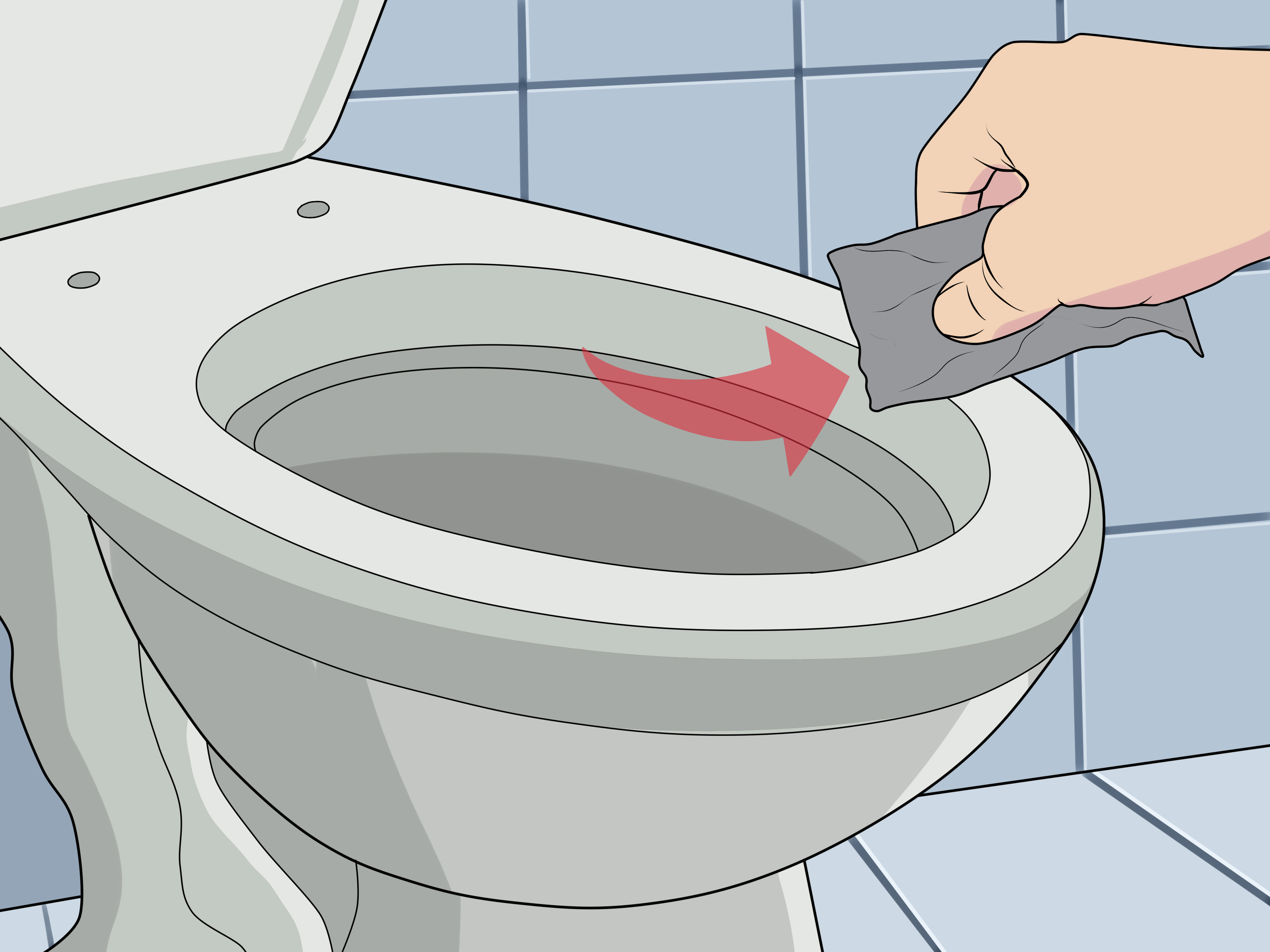
Turn off the toilet’s water supply and flush to lower the water in the tank and bowl. Wear gloves. Use a small brush, old toothbrush, plastic pick, or piece of flexible wire to gently clear the holes under the rim. Avoid scratching the porcelain if possible.
For mineral buildup, white vinegar can help loosen deposits. Some homeowners soak paper towels in vinegar and press them under the rim for a while, then scrub the area. For heavier buildup, a toilet-safe descaling cleaner may be useful. Always follow the product label, ventilate the bathroom, and never mix cleaning chemicals. Mixing chemicals is not a cleaning hack; it is a chemistry problem with bad customer reviews.
Clean the Siphon Jet
The siphon jet is often located near the bottom front of the bowl, aimed toward the trapway. If this opening is blocked, the toilet may lose much of its flushing force. Use a brush or toilet-safe cleaning method to remove buildup. If you see dark debris, mineral crust, or weak water movement from that area, cleaning the siphon jet may dramatically improve the flush.
Some toilets depend heavily on the siphon jet for performance. When it is blocked, the tank may release enough water, but the bowl does not develop the fast push needed to clear waste efficiently. Cleaning it can make an old toilet feel surprisingly energetic again, like it had a cup of coffee and remembered its purpose.
Flush Several Times After Cleaning
After cleaning the rim jets and siphon jet, turn the water back on, let the tank fill, and flush several times. Watch the bowl action. You should see a more even rinse around the rim and a stronger pull through the trapway. If the flush improves but is still not perfect, repeat the cleaning or move on to checking the flapper and drain path.
Regular maintenance helps prevent this problem from returning. In hard-water homes, cleaning the rim holes every few months can keep the toilet performing well. It is not glamorous work, but neither is explaining to guests that the toilet “needs encouragement.”
Way 3: Replace Weak Flush Parts and Clear Hidden Clogs
If the water level is right and the jets are clean, the problem may be mechanical or drain-related. The flapper, chain, flush valve, trapway, toilet drain, or plumbing vent can all affect flush strength. This is where you move from “adjust and clean” to “inspect and repair.”
Inspect the Flapper
The flapper is the rubber seal at the bottom of the tank. When you push the handle, the chain lifts the flapper and releases water into the bowl. If the flapper closes too quickly, the toilet does not get a full flush. If the flapper is warped, cracked, slimy, or leaking, the tank may lose water between flushes, leaving less water available when you need it.
A failing flapper can also cause phantom flushing, where the toilet runs briefly even though nobody touched it. That usually means water is leaking from the tank into the bowl. Replacing a flapper is one of the simplest toilet repairs and often one of the most effective.
Before buying a replacement, check the toilet model or bring the old flapper to the hardware store. Flappers are not all identical. Some toilets require specific seals or flush valve parts to maintain proper water use and performance.
Adjust the Chain
The chain between the handle and flapper should have a little slack when the flapper is closed. If the chain is too loose, the flapper may not lift fully. If it is too tight, the flapper may not seal. Either problem can weaken the flush.
Press the handle and watch the flapper. It should rise cleanly and stay open long enough for the tank to release the correct amount of water. If it barely lifts, shorten the chain slightly. If it stays open too long or leaks, add a bit of slack. This small adjustment can turn a sad half-flush into a respectable full flush.
Check for a Partial Toilet Clog
A partial clog can reduce flush power even when the toilet still drains. The bowl may fill higher than usual before slowly going down. You may hear gurgling, notice bubbles, or need two flushes more often. Common causes include too much toilet paper, flushed wipes, hygiene products, small objects, or buildup in the trapway.
Start with a flange plunger, which is designed for toilets. Create a good seal and plunge with steady pressure. Avoid wild splashing unless you enjoy cleaning the bathroom twice. If plunging does not work, a toilet auger can reach deeper into the trapway without damaging the porcelain when used carefully.
Do not rely on harsh chemical drain cleaners in a toilet. They can be risky, may damage parts, and can create a hazard if you later need to plunge or auger. Mechanical clearing is usually the safer and more effective first choice.
Consider the Vent or Main Drain
If multiple fixtures drain slowly, or if the toilet bubbles when a sink or tub drains, the issue may be beyond the toilet. A blocked plumbing vent or drain line can interfere with proper flow. In that case, increasing toilet pressure will not solve the problem because the toilet is not the real villain. It is just the messenger wearing porcelain.
Call a licensed plumber if you suspect a deeper clog, sewer line issue, vent blockage, recurring backup, sewage odor, or water leaking around the toilet base. Also call a pro if the toilet is older, cracked, rocking, or repeatedly clogging despite normal use.
When Replacing the Toilet Makes More Sense
Sometimes a weak flush is not a repair problem; it is a design or age problem. Older toilets, poorly designed low-flow models, or toilets with worn internal passages may never perform as well as modern high-performance models. If you have adjusted the tank, replaced the flapper, cleaned the jets, cleared the trapway, and still need multiple flushes, replacement may be the smarter long-term choice.
Look for toilets with strong independent performance ratings, a fully glazed trapway, quality tank components, and WaterSense certification if water efficiency matters to you. Many modern toilets use 1.28 gallons per flush or less while still delivering strong performance. In other words, you do not need to waste water to get a toilet that actually does its job.
Practical Maintenance Tips for a Stronger Flush
Once your toilet is flushing properly, a little maintenance can keep it that way. Check the tank water level every few months. Clean under the rim before mineral deposits harden into tiny plumbing barnacles. Replace old flappers before they leak. Avoid flushing wipes, cotton swabs, paper towels, dental floss, and anything else that belongs in the trash.
If your area has hard water, consider using a toilet-safe descaling routine. Mineral buildup is slow, sneaky, and persistent. It does not kick down the door. It simply settles in, blocks the jets, and acts surprised when you blame it.
Also listen to your toilet. A toilet that runs, hisses, refills randomly, or flushes inconsistently is giving you information. Fixing a small part early can prevent water waste, weak flushing, and more expensive repairs later.
Common Mistakes to Avoid
Raising the Water Too High
More water is not always better. If the tank water rises above the proper level and spills into the overflow tube, you are wasting water and may create a running toilet. Always adjust to the marked waterline or manufacturer’s recommendation.
Ignoring the Bowl Jets
Many people focus only on the tank and forget that water must pass through narrow openings in the bowl. Clean jets can make a major difference in flush strength.
Replacing Random Parts Without Diagnosis
Throwing parts at a toilet can work, but it can also waste money. Diagnose first: water level, refill speed, flapper action, chain length, jet flow, and drain behavior. The toilet will usually tell you where the problem is if you watch closely.
Using the Toilet as a Trash Can
Even products labeled “flushable” can contribute to clogs in some plumbing systems. For best toilet performance, flush only human waste and toilet paper. Your toilet is a plumbing fixture, not a magic portal.
Real-World Experience: What Actually Works When a Toilet Flushes Weakly
After dealing with weak-flushing toilets in different homes, rentals, guest bathrooms, older houses, and “why is this happening five minutes before company arrives?” situations, one lesson stands out: the simplest fix is often the right one. People tend to assume a weak flush means the toilet is broken or the home has bad water pressure. But many times, the tank is just not filling high enough. Lifting the lid and checking the waterline can solve the mystery in less than two minutes.
One common experience is the toilet that flushes better when you hold the handle down. That usually points to the flapper or chain. The handle is not supposed to need emotional support. If holding it down improves the flush, the flapper may be dropping too soon or the chain may have too much slack. Adjusting the chain by one or two links can make the flush stronger immediately. If the flapper feels stiff, warped, or leaves dark rubber on your fingers, replacing it is usually worth the few dollars.
Another familiar case is the slow swirl. The tank fills normally, the handle works, and the flapper opens, but the bowl water moves like it is stuck in a Monday morning meeting. In that situation, clogged rim jets are a top suspect. A small mirror under the rim often reveals crusty mineral deposits. Cleaning those holes is not glamorous, but the improvement can be dramatic. The toilet suddenly rinses evenly, the bowl clears faster, and everyone in the house stops pretending not to notice the problem.
In hard-water areas, vinegar treatments and regular brushing can help. However, heavy buildup may need repeated cleaning. The key is patience. Mineral deposits took months or years to form, so they may not surrender after one quick scrub. A toilet-safe descaler, used according to label directions, can help restore water flow through the rim jets and siphon jet.
Partial clogs are another real-world troublemaker. These are sneaky because the toilet still flushes, just badly. The bowl may rise, hesitate, then drain slowly. A plunger may improve it temporarily, but the issue returns. In those cases, a toilet auger often works better because it reaches the trapway more directly. If the same toilet clogs repeatedly while other fixtures drain normally, the toilet itself may have an internal obstruction or design limitation. If several drains act strange at the same time, the problem may be in the main drain or vent system.
It is also worth mentioning older toilets. Some older low-flow models from earlier generations simply do not perform as well as newer designs. You can tune them, clean them, and replace parts, but they may still flush weakly compared with a modern, well-rated toilet. When repairs become frequent, replacement can save time, water, and frustration. A good toilet should not require a strategy meeting after every flush.
The best practical routine is simple: check the water level, watch the flapper, clean the jets, plunge or auger if the bowl drains slowly, and call a plumber when symptoms point beyond the toilet. Most weak flush problems are fixable without drama. And when the toilet finally flushes with confidence again, it is oddly satisfyingone of those small household victories nobody writes songs about, but absolutely should.
Conclusion
Increasing water pressure in a toilet is usually about restoring flush performance, not increasing household water pressure. Start with the tank: adjust the float, confirm the waterline, open the shutoff valve, and inspect the fill valve and refill tube. Then clean the rim jets and siphon jet so water can enter the bowl with full force. Finally, check the flapper, chain, trapway, and drain system for hidden problems.
A strong toilet flush depends on the right amount of water, released quickly, through clean passages, into a clear drain path. When those pieces work together, your toilet does not need extra encouragement. It just flushes, refills, and quietly returns to being the most underappreciated appliance in the house.