Wisteria is the garden equivalent of a dramatic opera singer: when it performs, everyone stops and stares; when it refuses, it gives you twelve feet of leafy attitude and not a single flower. If your wisteria vine is growing like it has a gym membership but still will not bloom, you are not alone. Many gardeners plant wisteria dreaming of purple, lavender, pink, or white flower clusters dripping from an arbor, only to end up with a green octopus trying to swallow the fence.
The good news? A non-blooming wisteria is usually not a mystery novel. It is often reacting to one of a few common problems: not enough sun, too much nitrogen, poor pruning, immaturity, winter damage, or a planting location that encourages leaves instead of flowers. Once you understand how wisteria thinksand yes, it has opinionsyou can encourage it to shift from “leaf factory” to “flower machine.”
This guide breaks the process into three practical ways to get wisteria to bloom: improve the growing conditions, prune and train it correctly, and adjust feeding or root management for stubborn vines. These methods are based on real horticultural principles used by university extension programs, botanical gardens, and experienced gardeners across the United States.
Why Your Wisteria Is Not Blooming
Before we grab the pruners and start acting like we are in a garden makeover show, let us diagnose the problem. Wisteria can fail to bloom for several reasons, and the fix depends on the cause.
Common Reasons Wisteria Refuses to Flower
The most common reason is age. Many wisteria plants, especially seed-grown vines, take years to flower. A grafted or cutting-grown plant may bloom within a few years, while a seed-grown vine can take much longer. In other words, your wisteria may not be lazy; it may just be going through a very long teenage phase.
Sunlight is another major factor. Wisteria blooms best in full sun, meaning at least six hours of direct sunlight per day. It may survive in partial shade, but survival is not the same thing as showing off. A vine planted under trees or on the north side of a building often produces healthy leaves but few flowers.
Too much fertilizer can also sabotage blooms, especially fertilizer high in nitrogen. Nitrogen encourages leafy growth, which sounds good until your wisteria becomes a giant green curtain with no blossoms. Since wisteria belongs to the legume family, it can often manage nitrogen better than many other plants. Feeding it like a hungry tomato plant is usually a mistake.
Improper pruning is another frequent culprit. Wisteria needs regular pruning to control its vigorous growth and encourage flower bud formation. However, pruning at the wrong time or removing the wrong wood can cut off next season’s blooms. Wisteria is beautiful, but it does not appreciate random haircut energy.
Way 1: Give Wisteria the Right Growing Conditions
If your wisteria is not blooming, start with the basics: sunlight, soil, support, water, and plant maturity. A vine cannot bloom well if it is living in a location that encourages survival rather than flowering.
Plant Wisteria in Full Sun
Full sun is one of the biggest bloom triggers for wisteria. Aim for a location that receives at least six hours of direct sunlight daily. Morning sun is helpful, but a strong stretch of midday or afternoon sun often makes the biggest difference. A south- or west-facing wall, pergola, arbor, or fence is usually ideal.
If your wisteria grows in shade, you may see plenty of vines and leaves but very few flowers. The plant is using its energy to reach for light instead of forming flower buds. If nearby trees have grown larger over time, they may now be stealing the sunlight your wisteria once enjoyed. In that case, selective tree pruning may help. If the vine is still young and clearly in the wrong location, transplanting it to a sunnier spot may be worth considering.
Choose the Right Type of Wisteria
Not all wisteria behaves the same way. Chinese wisteria and Japanese wisteria are famous for spectacular, fragrant blooms, but they can be aggressive and invasive in many regions. American wisteria and Kentucky wisteria are generally better-behaved options for U.S. gardens and are often easier to manage.
If you are still shopping for a plant, look for a grafted wisteria or a named cultivar known to bloom reliably. Buying a plant already in bloom is one of the best ways to know it is capable of flowering. A seed-grown mystery vine may eventually bloom, but it may also test your patience like a slow-loading website from 2004.
Give It Strong Support
Wisteria is not a delicate little vine that politely asks where it may climb. It is woody, heavy, and determined. A mature wisteria can become massive, so it needs a strong pergola, arbor, fence, or trellis. Weak supports may bend, crack, or disappear into the vine like a spoon in a bowl of thick oatmeal.
Good support matters for flowering because it helps you train the plant properly. A well-trained wisteria has a clear framework of main stems and short flowering spurs. A tangled, unsupported wisteria wastes energy on chaotic growth, making pruning harder and flowering less reliable.
Be Patient With Young Wisteria
If your wisteria is only one or two years old, patience may be the main ingredient. Many vines need time to establish a strong root system before they bloom heavily. Even a healthy plant may take three years or more to produce a satisfying flower display.
During the early years, focus on training the framework. Choose one or two main stems, tie them securely to the support, and guide side shoots where you want future flowering wood. Think of it as building the stage before asking the plant to perform the concert.
Way 2: Prune and Train Wisteria Correctly
Pruning is the secret sauce of wisteria blooming. Without pruning, the vine often produces long, whippy shoots that look impressive but do not necessarily flower well. With smart pruning, you redirect energy into short spurs where flower buds can form.
Prune Twice a Year
For most established wisteria vines, the best routine is pruning twice a year: once in summer after flowering and again in late winter while the plant is dormant. This schedule helps control size, expose the framework, and encourage more flowering spurs.
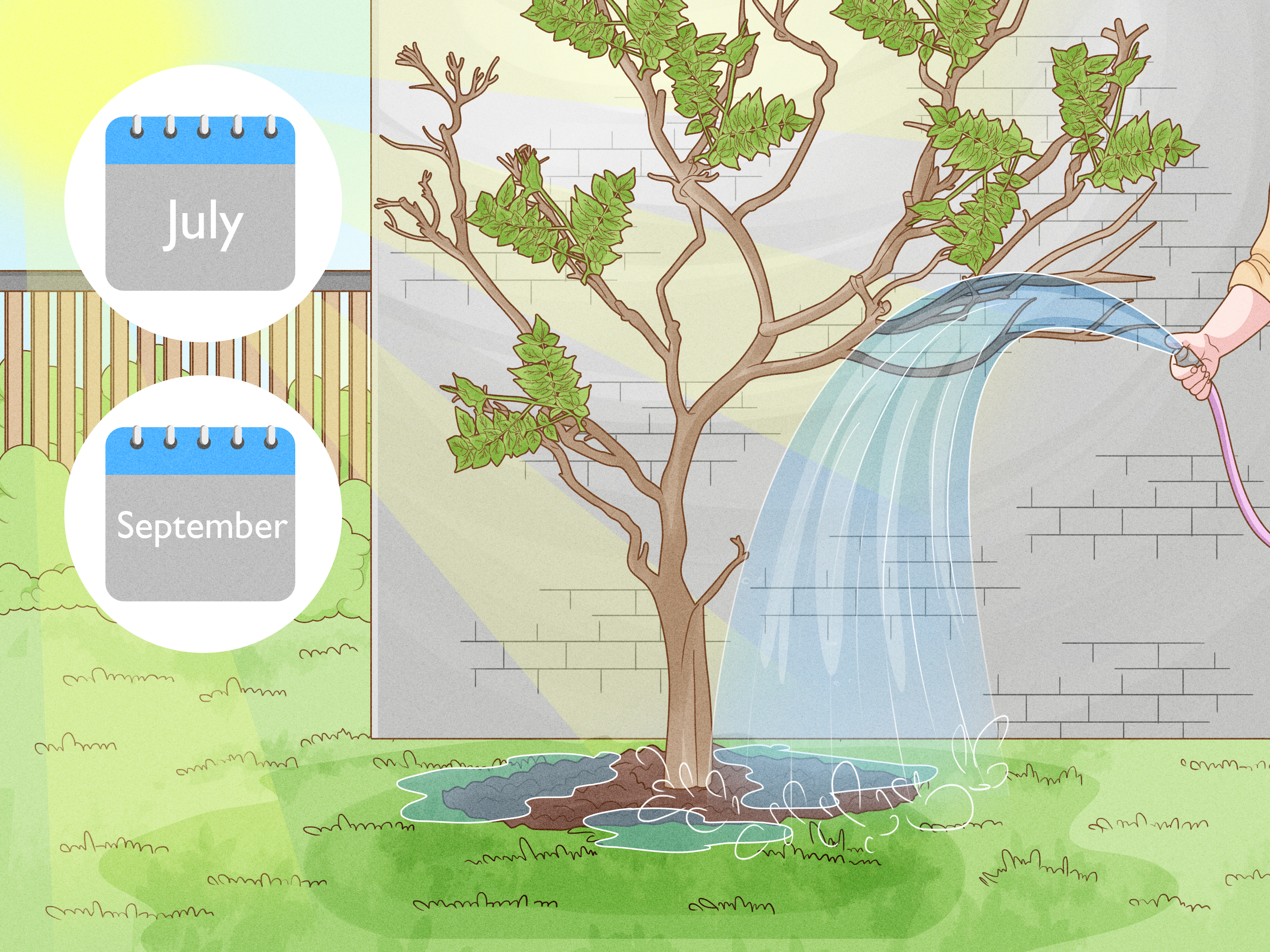
Summer pruning usually happens after the main bloom period, often in June, July, or August depending on your climate and variety. Cut back the long, flexible green shoots to about five or six leaves. This slows down runaway growth and encourages the plant to form flower buds instead of producing endless vines.
Winter pruning is more detailed. When the leaves are gone, you can clearly see the structure of the plant. Shorten the same side shoots again, often to two or three buds. Remove dead, damaged, crowded, or badly placed stems. This makes the spring flowers easier to see and helps the plant focus its energy.
Do Not Remove All the Flowering Wood
One of the most common pruning mistakes is cutting off the wood that would have bloomed. Some wisteria types flower on older wood, while certain American cultivars can bloom on newer growth. This is why knowing your variety helps. Still, the general goal is the same: keep a strong permanent framework and create short side shoots, or spurs, that can carry flower buds.
If you shear the entire vine into a leafy ball, you may make it tidy, but you may also remove future flowers. Wisteria does not want to be shaped like a meatball. It wants structure: main stems, lateral branches, and short flowering spurs.
Train the Main Stems Like a Framework
Training is different from pruning. Pruning removes growth; training guides it. For a wall-trained wisteria, select a main stem and guide side branches horizontally along wires or supports. For a pergola or arbor, guide the main stems up and over the structure, then keep side shoots shortened.
Horizontal training can help encourage flowering because it slows the vine’s upward rush and supports spur development. A vine that only grows straight up may behave like it is trying to escape the yard. A trained vine is more likely to settle down and bloom where you can actually enjoy it.
Control Suckers and Wild Growth
Remove suckers from the base of the plant unless you are intentionally keeping them for structure. Also remove shoots heading into gutters, rooflines, windows, siding, or nearby trees. Wisteria can damage structures when ignored, and it has no respect for your weekend plans.
Regular light pruning is easier than rescuing a neglected monster vine. If you skip pruning for several years, renovation is still possible, but it may take multiple seasons to restore good flowering. Do not expect one heroic pruning session to fix a decade of chaos. Plants, like inboxes, rarely forgive long-term neglect overnight.
Way 3: Feed, Water, and Stress the Vine Carefully
If your wisteria has enough sun and you are pruning correctly, but it still refuses to bloom, the issue may be nutrition or overly comfortable root growth. A wisteria that is too happy can sometimes produce leaves instead of flowers. The goal is not to torture the plant; it is to stop giving it luxury spa treatment when what it needs is a gentle wake-up call.
Avoid High-Nitrogen Fertilizer
Too much nitrogen is one of the classic reasons for poor blooming. Lawn fertilizers are often high in nitrogen, and if they are spread near the wisteria root zone, the vine may respond with lush leaves and zero flowers. It is basically saying, “Thanks for the salad bar. I will now grow twenty more feet.”
If you fertilize, choose a low-nitrogen formula or one designed to support flowering plants. In many cases, established wisteria does not need much fertilizer at all. Before adding anything, consider a soil test. Guessing at fertilizer can make the problem worse, especially if your soil already has enough nutrients.
Use Phosphorus and Potassium Wisely
Phosphorus supports root and flower development, while potassium helps overall plant strength and flowering performance. However, more is not always better. Adding large amounts of phosphorus without a soil test is not recommended, because excess nutrients can create environmental problems and may not improve blooming.
A balanced, low-nitrogen flowering fertilizer may help if the soil is poor, but it should not replace sunlight and pruning. Fertilizer cannot bribe a shaded, tangled wisteria into blooming. It can only support a plant that already has the right growing conditions.
Water Young Plants Deeply
Newly planted wisteria needs consistent moisture while it establishes. Deep watering encourages strong roots, especially during dry spells. A young vine that struggles through drought may delay flowering because it is focused on survival.
Once established, wisteria is fairly tough and does not usually need pampering. Keep the soil moderately moist but not soggy. Poor drainage can stress roots in the wrong way, leading to weak growth and disease problems. Wisteria likes well-drained soil, not a backyard swamp with ambitions.
Try Root Pruning for a Stubborn Mature Vine
Root pruning can sometimes encourage a mature, healthy, non-blooming wisteria to flower. This method lightly stresses the plant by cutting some roots, which may push it toward reproductionmeaning flowersrather than endless leafy growth.
To root prune, use a sharp spade to cut into the soil in a circle around the vine, usually about one to two feet from the trunk for a moderate approach. Push the spade straight down into the soil to sever some roots. Do not dig up the plant or destroy the root system. The goal is a controlled nudge, not botanical revenge.
Root pruning is best reserved for established vines that are growing vigorously but not blooming despite good sun and proper pruning. Avoid root pruning young, weak, newly transplanted, drought-stressed, or diseased plants. A struggling plant does not need stress; it needs recovery.
Extra Tips to Encourage More Wisteria Flowers
Protect Flower Buds From Late Frost
In colder climates, winter injury or late spring frost can damage flower buds. The vine may be healthy but bloom poorly because the buds were killed before they opened. Planting in a protected location, such as near a sunny wall, can sometimes help reduce frost damage.
Do Not Move Established Wisteria Unless Necessary
Mature wisteria dislikes transplanting. Moving an established vine can shock it and delay blooming for years. If the plant is still young and clearly in too much shade, transplanting may be reasonable. If it is old and large, improving light and pruning may be safer than attempting a dramatic relocation.
Mulch Without Smothering the Crown
A two- to three-inch layer of organic mulch can help conserve soil moisture and reduce competition from grass. Keep mulch a few inches away from the trunk to prevent rot. Mulch is helpful; piling it against the stem like a volcano is not. The plant did not ask for a mulch turtleneck.
Watch for Invasive Growth
Chinese and Japanese wisteria can be invasive in many parts of the United States. They may spread aggressively, climb trees, and crowd out native plants. If you are planting new wisteria, consider American wisteria or Kentucky wisteria, especially if they are suitable for your region. You will still get beautiful flowers, but with fewer “why is it eating the yard?” moments.
Seasonal Wisteria Bloom Checklist
Spring
Watch for flower buds and avoid heavy pruning right before bloom. If needed, remove dead or damaged wood. Enjoy the flowers if they appear, and take notes on where blooms are strongest. Those notes will help you prune more intelligently later.
Early Summer
After flowering, prune long green shoots back to five or six leaves. Tie in useful new stems and remove unwanted growth. Check supports, wires, and ties to make sure the vine is secure but not strangled.
Late Summer
Continue controlling wild growth if needed. Do not apply high-nitrogen fertilizer. Water during serious drought, especially for young plants. Keep the base clear of competing weeds and grass.
Late Winter
Prune side shoots back to two or three buds. Remove weak, dead, crossing, or badly placed stems. Step back often and look at the structure before cutting. This is the moment to shape the plant for a better spring display.
of Real-World Experience: What Gardeners Learn From Stubborn Wisteria
Growing wisteria teaches patience faster than almost any other garden plant. Many gardeners start with the same hopeful vision: a charming arbor covered in fragrant purple blooms, maybe with a bench underneath where they can sip coffee and pretend weeds do not exist. Then reality arrives. The vine grows aggressively, wraps around everything nearby, and produces enough leaves to shade a small picnic tablebut no flowers.
One of the biggest lessons from real garden experience is that wisteria rewards consistency, not panic. A gardener may ignore the vine for five years, then suddenly prune it hard in one afternoon and expect a miracle the following spring. Sometimes that works a little, but often the plant responds with even more wild growth. The better approach is a steady routine: summer pruning, winter pruning, good sunlight, and careful feeding. Wisteria likes discipline. It is basically the plant version of a talented musician who needs a strict practice schedule.
Another common experience is discovering that lawn fertilizer has been quietly causing trouble. A wisteria planted near grass may receive nitrogen every time the lawn is fed. The gardener thinks, “I never fertilize my wisteria,” while the vine is secretly dining at the lawn buffet. The result is thick, healthy foliage and disappointing bloom. Creating a mulch ring around the base can help separate the vine from lawn feeding and remind everyone in the household not to sprinkle turf fertilizer near the roots.
Gardeners also learn that pruning feels scary at first. Those long shoots look important, and cutting them back can feel like ruining progress. But with wisteria, long does not always mean useful. The flowers usually come from short spurs, not from every wandering green whip. Once you see a pruned vine bloom better the next season, pruning becomes less frightening and more satisfying. There is a special joy in cutting back a twelve-foot shoot that was clearly planning to invade the neighbor’s gutter.
Sunlight is another lesson that becomes obvious over time. A vine that bloomed well years ago may stop flowering after nearby trees mature. The wisteria did not suddenly forget how to bloom; the garden changed around it. Observing the actual light pattern throughout the day can reveal the problem. Six hours of direct sun is not the same as “it seems bright over there.” Plants are very strict accountants when it comes to sunlight.
Finally, experienced gardeners learn not to compare young wisteria to mature vines in magazine photos. Those breathtaking displays often come from plants that have been trained for many years. A young vine needs structure before spectacle. The first seasons should focus on strong stems, good placement, and healthy roots. Once the framework is established, the flowers usually become more reliable. Wisteria may not be instant gratification, but when it finally blooms, it has a way of making gardeners forgive almost everythingexcept maybe the part where it tried to climb into the roof.
Conclusion
Getting wisteria to bloom comes down to three main strategies: give it the right growing conditions, prune and train it with purpose, and avoid overfeeding it into leafy laziness. Full sun is essential, pruning twice a year is usually the game-changer, and high-nitrogen fertilizer should be treated like a suspicious character in the garden mystery.
If your wisteria is young, give it time. If it is mature and vigorous but flowerless, examine sunlight, pruning habits, fertilizer exposure, and root competition. For stubborn established vines, careful root pruning may provide the nudge needed to encourage blooms. With patience and consistent care, your wisteria can finally trade its green tantrum for the cascading flowers you planted it for in the first place.
Note: This article is written for general home gardening education. Local climate, wisteria species, soil conditions, and regional invasive plant rules can affect the best approach, so gardeners should adapt these recommendations to their own area.