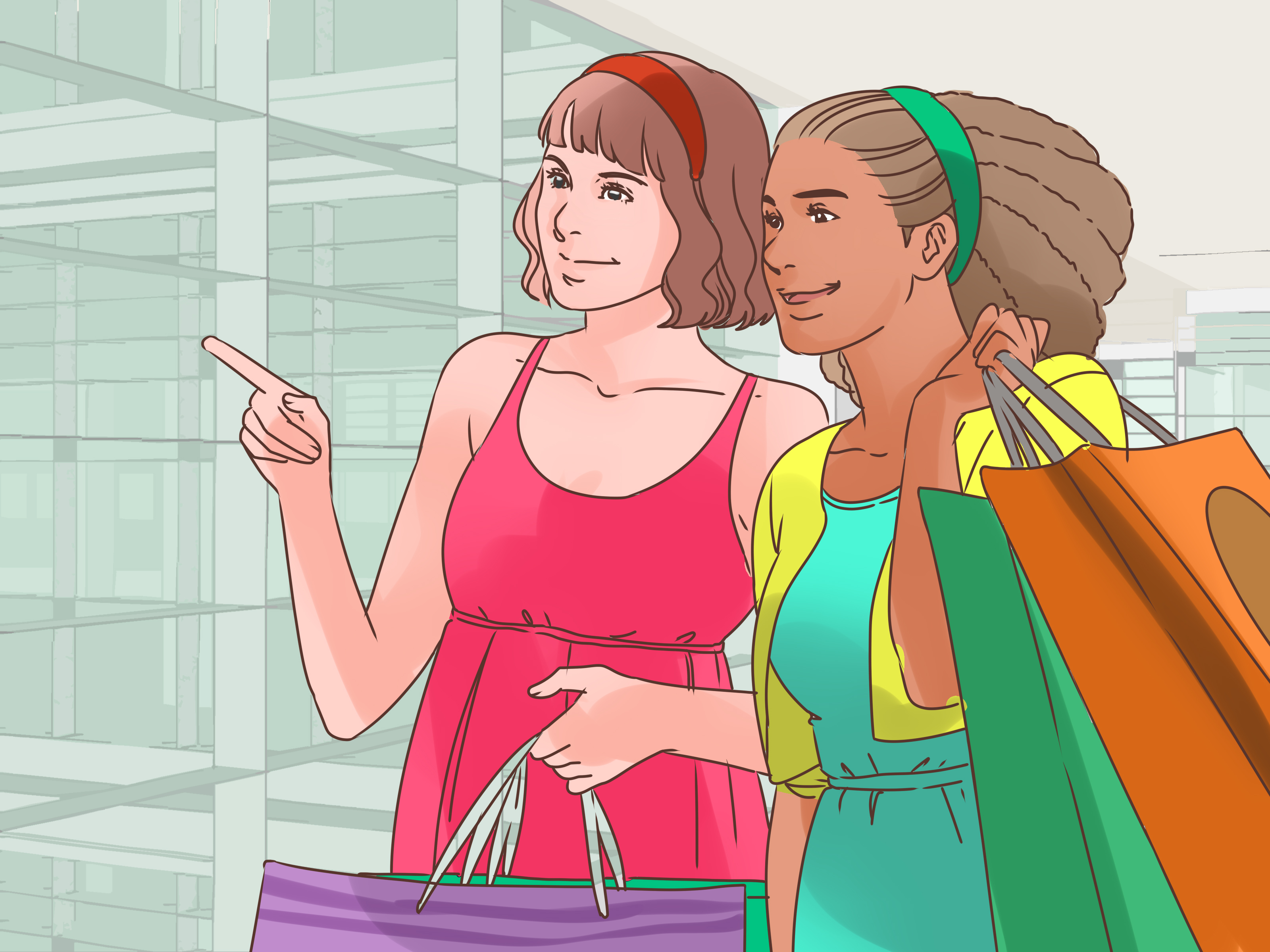
Fashionable dressing is not about owning a closet so dramatic it needs its own zip code. It is about knowing what works for your body, your lifestyle, your personality, and your actual Tuesday morning schedule. The best-dressed people usually are not the ones wearing the loudest outfit in the room. They are the ones who look intentional, comfortable, and slightly suspiciously put together, as if their laundry never betrays them.
The good news? You do not need a celebrity stylist, a designer budget, or the emotional strength to walk in six-inch heels before breakfast. Learning how to dress fashionably comes down to three practical skills: building a strong wardrobe foundation, styling outfits with balance, and adding personality through smart details. Once you understand these basics, getting dressed becomes less of a daily crisis and more of a creative habit.
This guide breaks down three simple ways to dress fashionably with real-world advice, specific outfit examples, and style principles that work whether you love minimalist basics, colorful statement pieces, soft feminine outfits, sporty looks, or a little bit of everything.
Way 1: Build a Wardrobe Foundation That Actually Works
The first secret to dressing fashionably is not buying more clothes. It is buying better clothes for your real life. A stylish wardrobe starts with pieces that fit well, mix easily, and make sense for your daily routine. If your closet is full of “maybe one day” outfits but you spend most of your week in jeans, sneakers, and work-friendly tops, your closet is not a wardrobe. It is a museum of wishful thinking.
Start With a Closet Audit
Before shopping, take a serious look at what you already own. Pull out the pieces you wear constantly. These are your wardrobe heroes. Maybe it is straight-leg denim, black trousers, white sneakers, a soft cardigan, a leather jacket, or a button-down shirt that somehow makes you look productive even when your inbox is on fire.
Next, identify the clothes you avoid. Ask yourself why. Is the fabric uncomfortable? Is the color hard to style? Does the fit feel wrong? Do you need three assistants and a weather miracle to wear it? The point is not to judge yourself. The point is to stop repeating shopping mistakes. Fashionable dressing improves quickly when you understand what you actually reach for.
Invest in Wardrobe Staples
Wardrobe staples are the quiet MVPs of personal style. They are not boring; they are useful. A strong foundation may include a crisp white shirt, quality T-shirts, well-fitting jeans, tailored trousers, a blazer, a trench coat, a little black dress, versatile knitwear, clean sneakers, loafers, ballet flats, a structured bag, and simple jewelry.
You do not need every classic item at once. Start with the pieces that suit your lifestyle. If you work in an office, tailored trousers, blazers, loafers, and polished tops may matter most. If your life is casual, focus on excellent denim, comfortable knits, elevated basics, and shoes that look stylish without punishing your feet. If you attend events often, you may need reliable dresses, sharp outerwear, and accessories that can upgrade simple outfits.
Prioritize Fit Over Size
One of the fastest ways to look fashionable is to wear clothing that fits your body well. The number on the tag is not a personality test. It is just a number, and frankly, clothing sizes are chaotic little gremlins. Instead of focusing on size, focus on how the garment sits on your shoulders, waist, hips, arms, and legs.
A blazer should allow movement without pulling. Jeans should feel comfortable when you sit, not only when you pose heroically in a mirror. Dresses should skim or shape where you want them to, not twist, tug, or require constant adjustments. Tailoring can also make an ordinary piece look expensive. Hemming trousers, adjusting sleeves, or taking in a waist can transform your outfit from “almost” to “absolutely.”
Choose Colors You Can Mix
Fashionable wardrobes often use a thoughtful color palette. This does not mean you must live in beige forever, although beige has certainly built a powerful public relations department. A practical palette simply helps your clothes work together. Neutrals such as black, white, navy, gray, camel, cream, denim blue, and chocolate brown make mixing easier. Then you can add accent colors like red, butter yellow, olive, soft pink, cobalt, burgundy, or whatever shade makes you feel like you have main-character lighting.
A simple formula is to build most outfits with two neutrals and one accent. For example, try cream jeans, a navy knit, and red flats. Or black trousers, a white shirt, and a green bag. This keeps your outfit polished without looking overly planned.
Way 2: Learn Outfit Formulas and Proportions
Once you have useful pieces, the next step is learning how to style them. Fashion is not just about what you wear; it is about how you put it together. Outfit formulas are repeatable combinations that make getting dressed easier. Think of them as recipes, but with fewer dishes to wash.
Use the Third-Piece Rule
The third-piece rule is a classic styling trick: add one extra layer or finishing item to make a basic outfit feel complete. A T-shirt and jeans are fine. Add a blazer, trench coat, denim jacket, cardigan, vest, scarf, or statement belt, and suddenly the outfit looks intentional.
For example, a white tee with straight-leg jeans becomes more fashionable with a camel blazer and loafers. A simple slip dress feels more styled with a cropped cardigan and ballet flats. Black leggings look more elevated under an oversized button-down, long coat, and sleek sneakers. The third piece gives an outfit structure, depth, and personality.
Balance Loose and Fitted Pieces
Good proportions can make an outfit feel modern and flattering. A helpful rule is to balance volume. If you wear wide-leg trousers, pair them with a fitted tank, slim knit, or tucked shirt. If you wear a flowy skirt, try a sharper top or cropped jacket. If you wear an oversized blazer, balance it with straight jeans, tailored pants, or a shorter hemline.
This does not mean you can never wear loose-on-loose or fitted-on-fitted. Style rules are more like friendly suggestions than laws enforced by fashion police. However, balance helps create shape and prevents your outfit from looking accidental. Fashionable dressing usually has some visual intention, even when the vibe is casual.
Try Easy Outfit Formulas
Here are several outfit formulas that work across seasons and personal styles:
- White shirt + straight jeans + loafers + belt: Clean, classic, and reliable for casual Fridays, coffee dates, or looking like you read hardcover books.
- Blazer + T-shirt + trousers + sneakers: Polished but comfortable, perfect for work, errands, and smart casual events.
- Slip skirt + fitted knit + ballet flats: Feminine, easy, and elegant without trying too hard.
- Monochrome outfit + textured accessory: Try all black, cream, navy, or gray, then add a woven bag, metallic jewelry, or suede shoes.
- Denim jacket + dress + sandals: A warm-weather formula that feels relaxed but put together.
- Wide-leg trousers + tucked tee + statement earrings: Minimal effort, maximum “I have my life together” energy.
Master Casual-Polished Contrast
One of the easiest ways to dress fashionably is to mix casual and polished elements. Pair jeans with a tailored blazer. Wear sneakers with a dress. Style a button-down shirt with relaxed trousers. Add a structured bag to a casual outfit. This contrast creates an effortless look because it avoids being too formal or too sloppy.
For example, a basic tank and denim shorts can look more fashionable with a linen blazer, leather sandals, and gold hoops. A midi dress can feel modern with white sneakers and a crossbody bag. A sweatshirt can look chic with tailored trousers, a trench coat, and sleek loafers. The magic is in the mix.
Pay Attention to Shoes
Shoes can make or break an outfit. The same jeans and shirt can look casual with running sneakers, polished with loafers, feminine with ballet flats, edgy with boots, or elegant with slingbacks. If your outfit feels unfinished, check your shoes before blaming your entire personality.
A few versatile options include clean white sneakers, black loafers, neutral sandals, ankle boots, ballet flats, and one dressier pair that works for dinners or events. Keep them in good condition. Scuffed, tired shoes can drag down an otherwise great look, while clean shoes instantly sharpen your appearance.
Way 3: Add Personality With Details, Trends, and Confidence
The final step in dressing fashionably is making your outfits feel like you. A wardrobe made only of basics can be useful, but without personality, it may feel a little like hotel lobby furniture: tasteful, neutral, and emotionally unavailable. Details are where style becomes personal.
Use Accessories Strategically
Accessories are small but powerful. A belt can define your waist and make jeans look styled. Sunglasses can add attitude. Earrings can brighten your face. A silk scarf can make a basic button-down feel fresh. A structured bag can polish even a simple outfit. Jewelry, hats, hair accessories, watches, and bags all help tell the story of your look.
The key is not to wear every accessory you own at once. Choose one or two focal points. If you wear bold earrings, keep the necklace simple. If you choose a colorful bag, let it be the pop. If you wear a printed scarf, pair it with calmer basics. This keeps your outfit stylish rather than visually shouting in all caps.
Try Trends Without Becoming a Trend Victim
Trends can be fun, but they should never boss you around. The most fashionable people use trends selectively. They choose what fits their personal style and ignore what does not. If a trend makes you feel uncomfortable, skip it. Fashion should not feel like community service.
A smart approach is to try trends through low-commitment pieces. Experiment with a trending color, a new shoe shape, a fun bag, a scarf, or a fresh silhouette before investing in a full look. For example, if bold red is trending, you might try red flats or a red belt instead of buying a head-to-toe crimson outfit and looking like a very stylish emergency exit sign.
Modern fashion also rewards individuality. Personal style is no longer about following one perfect rulebook. Minimalist outfits, sporty silhouettes, romantic dresses, bold prints, denim-on-denim, relaxed tailoring, and vintage-inspired accessories can all look fashionable when worn with intention.
Dress for the Occasion
Fashionable dressing includes knowing where you are going. A great outfit should match the setting while still reflecting your style. For work, choose pieces that feel professional but not stiff: tailored pants, blouses, blazers, midi skirts, loafers, and refined accessories. For casual weekends, go for elevated basics: good denim, clean sneakers, relaxed shirts, cardigans, and simple jewelry. For dinners, add texture, shine, or shape: a satin skirt, fitted knit, statement earrings, heeled boots, or a sharp jacket.
When in doubt, dress slightly more polished than necessary. It is easier to relax a polished outfit than to rescue one that looks too casual. A blazer can come off. Earrings can be removed. But pajama-looking pants at a formal dinner? That is a plot twist nobody requested.
Develop a Signature Style
A signature style does not mean wearing the same outfit forever. It means knowing the themes, silhouettes, colors, and details that make you feel confident. Maybe you love clean lines, gold jewelry, and neutral colors. Maybe you prefer romantic blouses, midi skirts, and ballet flats. Maybe your style is sporty, with track jackets, sneakers, and sleek basics. Maybe you like bold prints, dramatic coats, and accessories that start conversations before you do.
To discover your signature style, save outfit inspiration and look for patterns. Are you drawn to tailored pieces? Soft textures? Monochrome looks? Vintage denim? Feminine details? Minimal accessories? Once you know what you love, shopping gets easier and outfits feel more authentic.
Common Fashion Mistakes to Avoid
Even stylish people make mistakes. The goal is not perfection; the goal is awareness. One common mistake is buying clothes for an imaginary lifestyle. If you rarely attend glamorous parties, you probably do not need seven dramatic evening dresses. Another mistake is ignoring comfort. If a piece pinches, scratches, slips, or requires constant fixing, you will not look confident wearing it.
Another style trap is copying outfits exactly without adapting them to your body, climate, budget, or personality. Inspiration is useful, but imitation can feel awkward. Use outfit ideas as a starting point, then adjust the colors, proportions, and accessories to suit you.
Finally, do not underestimate garment care. Wrinkled shirts, pilled sweaters, faded black pants, and stretched-out necklines can make an outfit look tired. A steamer, fabric shaver, lint roller, and proper hangers are not glamorous, but they are loyal little style assistants.
Experience: Real-Life Lessons From Dressing Fashionably
One of the biggest lessons about dressing fashionably is that style improves through practice, not panic shopping. Many people buy new clothes because they feel bored with their closet, but the real issue is often styling, not inventory. A person may own a white shirt, jeans, blazer, black dress, sneakers, and loafers, yet still feel like they have nothing to wear because the pieces are never combined in fresh ways.
A practical experience is to create a weekly outfit plan. On Sunday evening, choose five outfits and hang them together. Include shoes and accessories if possible. This small habit prevents morning chaos and helps you notice what is missing. You may realize you need a better belt, a neutral cardigan, or trousers that actually fit, rather than another random top that looks cute online and confusing in real life.
Another useful experience is repeating outfits without guilt. Many stylish people repeat favorite formulas constantly. They simply change one detail: different shoes, a new bag, another jacket, or a stronger accessory. A black tee and jeans can become five outfits with a blazer, denim jacket, trench coat, cardigan, or leather jacket. Repetition is not a style failure. It is evidence that you know what works.
Trying clothes on with full outfits is also important. A skirt may look strange with one top but perfect with another. A blazer may feel too formal until you pair it with jeans and sneakers. Shoes can completely change the mood. When evaluating a piece, do not ask, “Is this cute?” Ask, “Can I style this at least three ways with what I already own?” That question saves money, closet space, and future regret.
Tailoring is another experience that changes everything. Many people assume fashionable dressing requires expensive clothing, but fit often matters more than price. Hemmed trousers, adjusted sleeves, and properly fitted waistlines can make affordable pieces look refined. A simple black dress that fits beautifully will usually look better than a designer dress that pulls in the wrong places.
Comfort also matters more than people admit. If you cannot walk, sit, breathe, or eat a normal sandwich in an outfit, the outfit is not your friend. Fashion should support your day, not turn every staircase into a personal challenge. Comfortable shoes, breathable fabrics, and flexible waistbands are not enemies of style. They are the reason you can enjoy wearing the outfit instead of counting the minutes until you get home.
Finally, confidence comes from ownership. The most fashionable outfit is not always the trendiest one. It is the one you wear like you chose it on purpose. When your clothes fit your life, reflect your taste, and allow you to move comfortably, you naturally look more stylish. Fashion is not about becoming someone else. It is about making the outside match the best version of who you already are, preferably with better shoes.
Conclusion
Dressing fashionably becomes much easier when you stop treating style like a secret code and start treating it like a skill. Build a wardrobe foundation with pieces that fit well and suit your real life. Learn outfit formulas, proportions, and styling tricks that make simple clothes look intentional. Then add personality through accessories, color, trends, and signature details.
You do not need a massive budget or a closet packed with new arrivals. You need clarity, fit, balance, and confidence. The best style is practical enough for real life and expressive enough to feel personal. Start with one good outfit formula, repeat it, improve it, and make it yours. That is how fashionable dressing becomes less intimidating and a lot more fun.
Note: This article was created for web publication in original American English and synthesized from current fashion, wardrobe, styling, and personal style guidance from reputable U.S.-focused fashion and lifestyle sources.