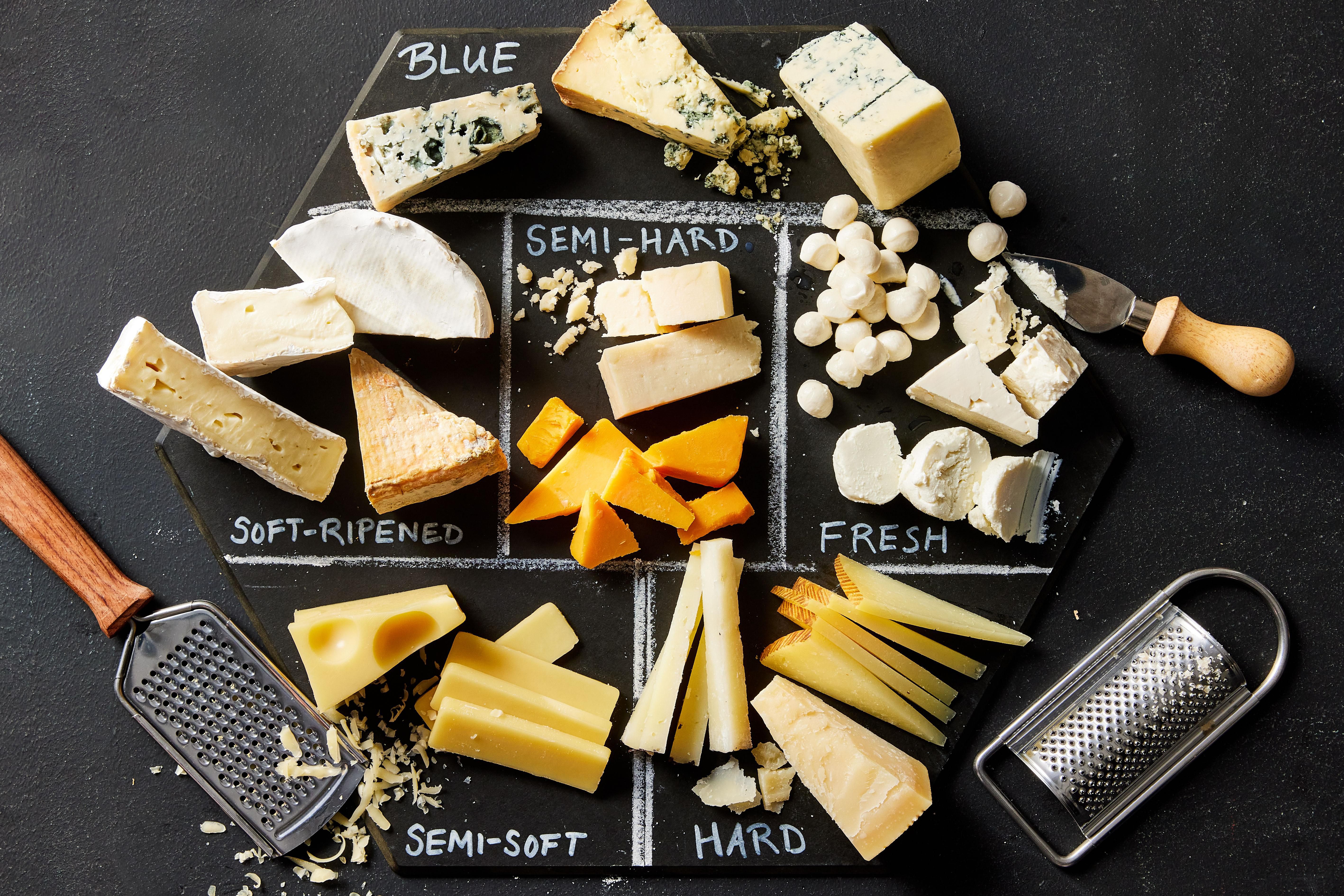
Cheese is basically milk that went to finishing school and came back with a new personality, a fancy outfit (rind), and opinions about temperature. It can be mild, sharp, nutty, funky, grassy, buttery, smoky, and occasionally “Is this supposed to smell like a gym bag?” (Yes. Sometimes yes.)
This guide will help you buy, store, serve, pair, and cook with cheese like someone who casually says “bloomy rind” without feeling like a fraud. We’ll keep it practical, a little nerdy, and only slightly dramatic.
Cheese 101: What Cheese Actually Is (In Human Terms)
At its core, cheese is milk transformed by cultures (friendly bacteria), enzymes (often rennet), and time. Those three things decide almost everything you care about: texture, tang, aroma, meltability, and whether your fridge smells like a quaint French village or an unsolved mystery.
How cheese is made (the quick, useful version)
- Start with milk. Cow, goat, sheep, or a blend. Milk gets standardized and often pasteurized.
- Add cultures + rennet. Cultures acidify; rennet helps the milk set into curds.
- Cut and heat the curd. Smaller curds + more heat = more whey expelled = generally firmer cheese.
- Drain, salt, shape. Salting flavors, preserves, and affects moisture and aging.
- Age (or don’t). Fresh cheeses are ready fast; aged cheeses evolve for weeks to years.
That’s the whole arc: milk → curds → salt → time → cheese glory.
Cheese Families: A Friendly Map of the Cheese Universe
There are thousands of cheeses, but you don’t need to memorize them. Learn the families and you can “predict” a cheese’s vibe before you even taste it.
| Family | What it’s like | Examples (styles) | Best uses |
|---|---|---|---|
| Fresh | High moisture, mild, bright, usually unaged | Mozzarella (fresh), chèvre, ricotta, queso fresco-type | Salads, toast, dips, finishing dishes |
| Bloomy rind | Creamy, mushroomy, white fuzzy rind | Brie/Camembert styles, triple-crèmes | Cheese boards, baked cheese, sandwiches |
| Washed rind | Aromatic (“funky”), savory, sometimes sticky rind | Taleggio-style, Munster-style, other washed styles | Bold boards, beer pairings, melting (some styles) |
| Semi-soft / semi-firm | Balanced moisture, versatile, crowd-pleasing | Havarti-style, young Gouda-style, Monterey Jack | Snacking, melting, quesadillas, burgers |
| Hard / aged | Lower moisture, more intense, often nutty or sharp | Cheddar styles, Alpine styles, aged Gouda styles | Boards, grating, sauces (with help), snacking |
| Blue | Salty, tangy, punchy; blue veins from cultures | Blue styles (creamy to crumbly) | Steaks, salads, boards, honey pairings |
| Grating cheeses | Very firm, concentrated, salty/umami | Parmesan-style, Pecorino-style | Finishing, pasta, soups, roasted veggies |
Pro move: when you don’t know what to buy, pick one cheese from three different families. Variety makes people think you planned, even if you absolutely did not.
Buying Cheese Like You Know Someone in the Industry
Step 1: Let the milk type do some decision-making
- Cow: typically buttery, familiar, and a great “starter planet” for most people.
- Goat: can be bright, tangy, and herbal; fresh goat cheeses are famously zippy.
- Sheep: often richer and sweet-nutty; great for people who like depth without sharpness.
- Blends: can be the best of multiple worldslike a buddy-cop movie, but dairy.
Step 2: Read the vibe on the label (or the cheese counter sign)
Two label clues matter most for flavor and texture: age (young vs. aged) and style (fresh, bloomy, washed, blue, etc.). If you’re cooking, also look for “good melter” cues: semi-soft, young, high moisture.
Step 3: Consider crowd comfort
If you’re feeding a group, aim for a “happy triangle” of: one creamy, one firm, one bold. For example: a bloomy rind + an aged cheddar-style + a blue (or a washed rind if your friends are brave).
Storing Cheese Without Making It Sad
Cheese is alive-ish. It breathes. It changes. It dries out. It also gets weird when smothered in plastic like a vampire in a sleeping bag.
The best place in your fridge
Store cheese in a slightly more humid, protected area (many people use the crisper drawer or a dedicated container). The goal is “not dried out” and “not soaking in its own condensation.”
Wrap it right (so it tastes right)
- Best: cheese paper.
- Great: parchment or wax paper, then a loose outer layer (like a zip-top bag left slightly open).
- Avoid for most cheeses: tight plastic wrap directly on the surface (traps moisture → faster mold).
How long does cheese last? (real-world guidance)
Shelf life depends on moisture. In general:
- Hard cheeses: last much longer (months unopened; weeks once opened) when stored properly.
- Soft/fresh cheeses: are short-timers (often about a week or two after opening, depending on the cheese).
- Shredded cheese: goes faster than a block because more surface area = more opportunities for things to happen.
Can you freeze cheese?
You can, but texture might suffer. Harder cheeses freeze better; fresh, high-moisture cheeses tend to turn crumbly or watery after thawing. If you freeze, do it for cooking (soups, sauces, casseroles) rather than for a glamorous cheese board moment.
Serving Cheese: Temperature, Cutting, and the “Don’t Ruin the Board” Rules
Let cheese warm up a bit
Cold numbs flavor and stiffens texture. If you want your cheese to taste like itself (instead of “vaguely dairy”), take it out ahead of time and let it temper. If you’re serving multiple cheeses, bring out only what you plan to eat so the rest stays safely chilled.
Cutting basics (so everyone gets the good part)
- Wedges (Brie-style): slice from tip to rind so each piece gets interior + rind.
- Hard cheeses: pre-slice some pieces to reduce awkward knife wrestling in front of guests.
- Crumbly blues: offer a small knife and let people take what they dare.
One utensil per cheese
Flavor transfer is real. Blue cheese on everything is not “fusion,” it’s an accident. Give each cheese its own knife (even small spreaders work).
Building a Cheese Board That Looks Like You Tried (Even If You Didn’t)
A great board is variety + breathing room + a few crunchy/sweet/salty friends.
Pick 3 to 5 cheeses
Three is elegant. Five is a party. More than five is a cheese seminar (which, honestly, sounds fun).
A simple board formula
- Cheeses: creamy + firm + bold (repeat if you’re going bigger)
- Crunch: crackers, baguette, nuts
- Sweet: jam, honey, dried fruit
- Bright/acid: pickles, cornichons, olives, mustard
- Optional flex: dark chocolate, spicy nuts, or potato chips (yes, chips)
Arrangement tips that make it look “curated”
- Start with the biggest items (cheese blocks, bowls of jam).
- Build little clusters (nuts near firm cheese, honey near blue or bloomy rind).
- Leave space so guests can actually grab food without playing hand-Tetris.
Pairing Cheese With Drinks (Wine, Beer, and No-Alcohol Options)
Pairing is less about rules and more about avoiding one flavor bulldozing the other. Think of it as matchmaking: intensity should be similar, and either contrast or harmony should feel intentional.
Three pairing strategies that work
- Match intensity: delicate cheese + delicate drink; bold cheese + bold drink.
- Contrast: salty cheese + something sweet or fruity; rich cheese + something crisp and bubbly.
- Echo flavors: nutty cheese + nutty beer; buttery cheese + oaky notes; tangy cheese + citrusy accents.
Easy pairings (examples you can actually use)
- Aged cheddar-style: IPA, lager, or a bright red wine; apple slices are also a win.
- Bloomy rind (Brie-style): sparkling wine, crisp cider, or even a light wheat beer.
- Blue: dessert wine, stout, or honey + sparkling water (sweet + salty magic).
- Alpine-style (nutty, firm): pilsner, dry white wine, or iced tea with lemon.
No-alcohol pairings that don’t feel like a punishment
- Sparkling water: cleans the palate like a tiny, fizzy reset button.
- Unsweetened iced tea: especially good with nutty or smoky cheeses.
- Apple cider (non-alcoholic): a natural partner to cheddar-style cheeses.
Cooking With Cheese: Melt Like a Pro (Not a Greasy Tragedy)
Not all cheeses melt the same way. Some turn silky and stretchy. Some “break” into oil + clumps. Some do both, depending on how you treat them (cheese has boundaries).
Why some cheeses melt beautifully
A reliable melter tends to have enough moisture and the right protein/fat balance. Younger, higher-moisture cheeses usually melt smoothly. Very dry, aged grating cheeses can separate when heated hard.
Best cheeses for different melting missions
- Stretchy pulls (pizza, mozzarella moments): mozzarella (low-moisture for pizza), young provolone-style.
- Silky sauces (mac & cheese, queso): a blend of good melters (Jack-style, young Gouda-style, cheddar-style) plus a little American cheese for emulsifying help.
- Fondue vibes: Alpine-style cheeses are classic for a reasonnutty flavor and cooperative melt.
- Finishing & punch: grating cheeses add salt/umami at the end rather than doing the heavy melting.
Three anti-disaster tips
- Grate it yourself. Pre-shredded cheeses often have anti-caking agents that can mess with smooth melting.
- Low and slow heat. High heat encourages separation.
- Use a blend. Combine flavor cheese (cheddar-style) with melt-friendly cheese (Jack-style) and a stabilizer helper (American cheese) for sauces.
Food Safety: The “Enjoy Cheese, Don’t Regret Cheese” Section
Cheese is generally safe when handled well, but a few categories deserve extra attentionespecially soft, high-moisture cheeses and fresh cheeses. Certain people (pregnant, older adults, immunocompromised) need to be extra careful.
Soft cheeses and Listeria risk
Soft cheeses are higher moisture, which can make them more vulnerable to contamination. Public health guidance has linked outbreaks to various soft cheeses, including queso fresco-type cheeses and Brie-style cheeses. If you’re pregnant or otherwise high-risk, follow food safety guidance carefully and choose safer options.
Queso fresco-type cheeses: extra caution
Fresh, soft, high-moisture, low-acid cheeses (like queso fresco-type cheeses) can provide a favorable environment for Listeria growtheven in the fridge. Buy from reputable sources, keep cold, and respect use-by guidance.
Raw milk cheeses and the “60-day” rule
In the U.S., raw (unpasteurized) milk cheeses are generally required to be aged for at least 60 days at regulated temperatures. That said, aging is not a magic forcefield against every possible pathogen. If you’re in a high-risk group, it’s wise to stick with pasteurized options and follow current public health recommendations.
How long can cheese sit out?
For most healthy adults, a cheese board at room temperature isn’t instantly dangerousbut it’s not an all-day buffet. A practical rule many food safety experts use is a few hours at room temp; soft cheeses spoil faster than hard cheeses. When in doubt, serve smaller amounts and replenish from the fridge.
Lactose Intolerance: Yes, You May Still Be Friends With Cheese
Lactose intolerance doesn’t automatically mean “no cheese forever.” Many aged cheeses are naturally low in lactose because fermentation and aging reduce it. Hard cheeses are often better tolerated than milk, while fresh or very soft cheeses tend to have more lactose.
Commonly easier choices
- Often lower-lactose: many aged/hard cheeses (cheddar-style, Swiss-style), and some firmer cheeses.
- Often higher-lactose: milk, ice cream, and some soft/fresh cheeses like cottage and ricotta styles.
Practical tips
- Try small portions with meals and see how you feel.
- Choose aged cheeses more often.
- Consider lactase products if they work for you.
Is This Cheese “Bad”? A Calm, Sensible Checklist
Cheese is one of the few foods that can develop mold as part of its personality and as a sign it’s time to say goodbye. The trick is knowing which is which.
Generally safer situations
- Hard cheese with a small spot of surface mold: you can often cut it off generously (think: at least an inch around and below) and keep the rest.
- Cheeses designed to have mold: blues and bloomy rinds are doing what they were born to do.
When to toss it
- Soft/fresh cheese with mold: usually a discard (mold can spread invisibly through high moisture cheese).
- Shredded cheese with mold: toss it.
- Strong ammonia smell, sliminess, or “something is off”: trust your senses and your future self.
Quick “Cheese Confidence” Cheat Sheet
- For a board: 3–5 cheeses, vary texture + milk type, add sweet + acid + crunch, serve slightly warmed.
- For cooking: grate your own, use blends, heat gently, add a little emulsifying help for sauces.
- For storage: breathable wrap, protected spot in the fridge, keep it from drying out or sweating.
- For safety: soft cheeses require more care; high-risk groups should follow public health guidance.
of Cheese Experiences (A Mini Adventure You Can Steal)
Picture this: you decide you’re going to “learn cheese,” which is a perfectly normal hobby and definitely not a sign you’re entering your cozy era. You walk up to the cheese counter and immediately forget every plan you made. There’s a cheddar that promises “crystals,” a wedge with a rind that looks like it fought in a forest war, and something soft that appears to be one gentle breeze away from becoming a puddle. The cheese person asks what you like, and you say, “Um… good?” Bold strategy.
Here’s the experience that changes everything: you pick three cheeses on purposeone fresh, one aged, one “adventurous.” At home, you unwrap them like they’re tiny dairy gifts. You let them sit out a little, because you remembered the most underrated cheese tip: cold cheese is shy, but warmed cheese tells stories. You cut a small piece from each. You don’t overthink it. You taste.
The fresh cheese is bright and milkylike yogurt’s cooler cousin. It tastes clean, almost sweet, and it begs for a tomato, olive oil, or a sprinkle of salt. The aged cheese hits next: nutty, sharper, more complex. Maybe you feel a little zing. Maybe there’s that crunchy crystal moment, the kind that makes you pause and go, “Wait… is this… delicious gravel?” (Yes. Yes it is.) Then comes the adventurous one. It might be blue. It might be washed rind. You take a bite, and suddenly your brain is trying to file flavors under “savory,” “funky,” “buttery,” and “why do I kind of love this?”
Now you add simple companions: apple slices, a handful of nuts, something pickled, and one jam that you “accidentally” eat with a spoon. You notice how the apple makes sharp cheese taste sweeter, how pickles make creamy cheese taste brighter, how a dab of honey turns blue cheese into a dessert that makes you feel like you own a small vineyard (you do not; it’s fine). You learn pairing isn’t magicit’s contrast and balance, like putting a good playlist after a long day.
The best part is the confidence that sneaks up on you. Next time, you don’t freeze at the cheese case. You know what you want: a creamy, a firm, a bold. You know how to store it. You know to warm it before serving. You know that a cheese board doesn’t need perfectionjust variety, a little breathing room, and snacks that make you smile. And that’s the real cheese experience: not being an expert, but enjoying the ride like you belong there… because you do.
Conclusion
Cheese is a whole world, but you don’t need a passportjust a map. Start with families (fresh, bloomy, washed, aged, blue), store it so it can breathe, serve it with a little warmth, and pair it with something crisp or sweet for balance. Cook with melters, finish with graters, and treat high-moisture cheeses with the food-safety respect they deserve. Do that, and you’ll go from “I like cheese” to “I have a cheese plan,” which is an elite lifestyle upgrade.