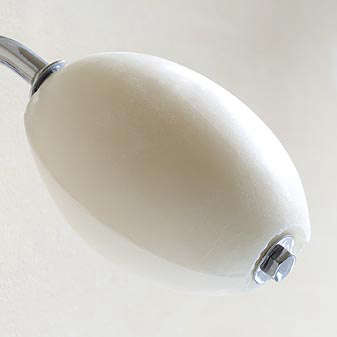
White Provendi Lemon Soap is one of those small household objects that makes you pause, tilt your head, and think, “Why doesn’t every sink have this?” It is not just a bar of soap. It is a rotating French soap with a built-in sense of theater: mounted on a wall arm, ready to spin, dry, and politely refuse to become a soggy little swamp in a dish.
At first glance, the White Provendi Lemon Soap looks charmingly old-school. It has the clean, practical shape of something designed before everyone decided that every bathroom product needed a plastic pump, a “moisture technology complex,” and a label longer than a grocery receipt. But behind its simple white oval form is a surprisingly smart idea: keep soap close at hand, let it dry between uses, make it hard to lose, and reduce the mess around the sink.
This article explores what White Provendi Lemon Soap is, why design lovers keep rediscovering it, how it compares with liquid hand soap, where it works best, and how to use it without turning your bathroom into a French train stationunless, of course, that is your aesthetic goal. Très chic.
What Is White Provendi Lemon Soap?
White Provendi Lemon Soap is a refill soap made for a rotating wall-mounted soap holder, often called a savon rotatif. The soap is typically oval or rounded, with a hole through the center so it can slide onto a metal wall arm and rotate as you rub your wet hands against it. Unlike a loose bar, it does not sit in a dish, slide into the sink, or develop that mysterious translucent puddle that nobody wants to discuss at breakfast.
Provendi’s rotating soap concept dates back to France in the 1950s, when wall-mounted soaps became common in schools, public buildings, restaurants, and communal wash areas. The concept was wonderfully straightforward: soap should be accessible, economical, and able to dry all around. The white lemon version keeps that utilitarian heritage but adds a cleaner, brighter look that fits modern kitchens, bathrooms, utility rooms, and even garden sinks.
The “lemon” part refers to the scent profile. Rather than smelling like a neon-yellow cleaning spray with emotional issues, a good lemon soap gives a fresh, lightly citrusy impression. It works particularly well near kitchen sinks because lemon reads as clean, crisp, and food-friendly. It says, “I just chopped garlic, but I am now a civilized person again.”
Why the Rotating Soap Design Still Feels Brilliant
The genius of White Provendi Lemon Soap is not that it reinvents soap. Soap already had a pretty impressive résumé. The brilliance lies in storage. Most soap problems are not really soap problems; they are water problems. Leave a bar sitting in a dish with poor drainage, and it softens, melts, sticks, cracks, and eventually becomes something between a cleaning product and a tiny beige pancake.
A rotating wall soap avoids that drama. Because the soap hangs in the air, water can run off after use. The surface dries more evenly, which helps the bar last longer and keeps the surrounding area cleaner. The wall-mounted setup also saves counter space. In a small powder room or apartment kitchen, that matters. Countertop real estate is precious. Nobody wants to choose between hand soap and the one decent candle that makes guests think you have your life together.
The rotating mechanism also makes the soap easy to use. Wet your hands, rub them against the soap as it spins, build a lather, wash thoroughly, and rinse. The process feels satisfyingly mechanical, almost like using a beautifully simple tool. No pump to clog. No bottle to tip over. No mystery refill bag leaking under the sink like a very boring crime scene.
White Provendi Lemon Soap vs. Liquid Hand Soap
Liquid soap is popular for obvious reasons. It is familiar, convenient, and available in every scent from “fresh linen” to “vanilla cupcake in a nervous breakdown.” But White Provendi Lemon Soap offers a few advantages for people who prefer durable, low-waste, visually distinctive household products.
Less Counter Clutter
A bottle of liquid soap needs counter space or a sink ledge. A rotating soap lives on the wall. That gives the sink area a tidier look and makes cleaning the counter easier. If you have ever lifted three bottles, a toothbrush cup, and a decorative tray just to wipe around the faucet, you already understand the appeal.
Longer-Lasting Use
Because the soap dries between washes, it is less likely to dissolve quickly from constant contact with water. The rotating design encourages controlled use: you lather what you need, and the rest stays in place. For busy sinks, that can make the bar feel more economical than a loose soap sitting in a wet dish.
Less Plastic Packaging
Many liquid soaps come in plastic bottles, pumps, refill pouches, or multi-layer packaging. A solid soap refill usually needs less packaging overall, especially when purchased in simple paper or cardboard wrapping. For households trying to reduce bathroom and kitchen plastic, this is a small but practical switch.
A More Memorable Look
Let’s be honest: a rotating wall soap has personality. It is functional, but it is also a conversation piece. Guests may ask about it. Children may actually want to wash their hands. Adults may pretend not to be amused by the spinning action while absolutely being amused by the spinning action.
Is Bar Soap Hygienic?
One common concern is whether bar soap is hygienic. For normal household handwashing, plain bar soap and liquid soap both work well when used properly. The important part is not whether the soap comes from a bar or a bottle; it is the washing technique. Soap helps lift dirt, oils, and microbes from the skin so they can be rinsed away with water.
White Provendi Lemon Soap has an extra practical benefit: it is not sitting in a puddle. A dry bar is generally more pleasant to use than a wet one, and the rotating setup helps the soap dry on all sides. That does not mean you should install it and then forget basic cleaning. The wall arm and surrounding sink area should still be wiped regularly, especially in shared bathrooms or high-traffic kitchens.
For best results, wet your hands, lather with the soap, scrub all surfaces of the hands, rinse under clean running water, and dry with a clean towel. The soap can be charming and French, but it cannot do the scrubbing for you. Very rude, perhaps, but fair.
Where White Provendi Lemon Soap Works Best
White Provendi Lemon Soap is versatile, but it shines in certain places more than others.
Kitchen Sinks
The lemon scent makes this soap a natural fit for the kitchen. It feels fresh after handling onions, garlic, herbs, fish, or garden vegetables. The wall-mounted design also keeps the sink ledge clear, which is helpful in kitchens where every inch is already occupied by cutting boards, mugs, and at least one spoon nobody remembers using.
Powder Rooms
In a guest bathroom, White Provendi Lemon Soap adds instant character. It looks intentional, not generic. Paired with simple hand towels, unlacquered brass, chrome fixtures, white tile, or painted beadboard, it gives the room a European utility-chic feeling without requiring a full renovation.
Utility Rooms and Laundry Areas
A rotating soap is useful in spaces where hands get genuinely dirty. Think potting soil, pet bowls, cleaning buckets, paint brushes, muddy shoes, and laundry pre-treatment. A mounted soap is easy to find and hard to knock into the sink.
Garden Sinks and Outdoor Wash Stations
If you have an outdoor sink, greenhouse area, or garden bench, this soap can be a practical upgrade. The lemon scent feels right at home around herbs and soil, and the mounted format keeps the soap from disappearing under a pile of gloves.
Design Appeal: Why Decor Enthusiasts Love It
White Provendi Lemon Soap belongs to a category of household objects that are useful first and beautiful secondbut because they are honestly useful, they become beautiful. It has the same appeal as enamel hooks, café curtains, wooden dish brushes, glass storage jars, and old-fashioned towel rails. Nothing is trying too hard. Everything has a job.
The white color is especially flexible. Yellow lemon soap can look cheerful and nostalgic, but white lemon soap feels calmer and more adaptable. It suits minimalist bathrooms, vintage kitchens, farmhouse utility rooms, modern powder rooms, and small urban apartments. It does not fight with tile, paint, brass, nickel, marble, soapstone, butcher block, or stainless steel.
In design terms, the rotating wall soap also adds vertical interest. Most sink accessories sit horizontally on a counter. A wall-mounted soap interrupts that pattern and draws the eye upward. It looks curated without feeling precious. That is a difficult balance, and this little soap handles it better than many expensive accessories that mostly exist to hold other accessories.
How to Install and Use a Provendi-Style Rotating Soap
Installation depends on the holder style. Some holders screw into the wall; others may use different mounting methods. For a permanent setup, a screw-mounted holder is usually the most secure, especially near a sink used several times a day. Before installing, choose a spot where the soap is easy to reach but not directly in the splash zone of the faucet. Too close, and it may get wetter than necessary. Too far, and people will ignore it and use the bottle you were trying to replace.
A good placement is often a few inches above and beside the sink, near the natural path of the hand. The arm should allow the soap to rotate freely without hitting the backsplash, faucet, mirror, or wall trim. Once mounted, the refill soap slides onto the arm, and the retaining end or screw holds it in place.
To use it, wet your hands first. Then roll the soap between your palms or rub both hands over the rotating surface. After lathering, wash as usual and rinse. Avoid leaving the soap under running water longer than needed. It is designed to dry, not audition for a role as a tiny submarine.
Skin Feel and Ingredient Considerations
Traditional soaps are typically made from oils and alkali through saponification. Many Provendi-style soaps are vegetable-oil-based and designed for regular handwashing. Lemon fragrance gives the soap its bright character, while ingredients such as glycerin or plant-derived oils may contribute to a smoother wash feel depending on the exact formulation.
That said, people with very dry, sensitive, eczema-prone, or fragrance-reactive skin should be thoughtful. Lemon-scented soap smells lovely, but fragrance can bother some skin types. If your hands get dry from frequent washing, follow with a moisturizer, especially in winter or after cleaning, cooking, gardening, or repeated handwashing.
White Provendi Lemon Soap is best understood as a practical hand soap with strong design appeal, not as a medical or therapeutic skin-care treatment. It is not meant to diagnose, treat, or cure skin conditions. If your hands crack, burn, itch, or react badly to scented products, choose a fragrance-free cleanser and talk with a dermatologist if symptoms continue.
Buying Tips: What to Look For
When shopping for White Provendi Lemon Soap or compatible refills, check the size, shape, and mounting compatibility. Rotating soaps usually need a central hole that fits the holder arm. Not every oval soap will work, no matter how confidently it sits in the product photo looking oval and innocent.
Look for product descriptions that mention compatibility with a Provendi rotating holder or wall-mounted savon rotatif system. Check whether the listing includes the soap only, the holder only, or a set with both. This sounds obvious until you excitedly order a refill and realize you have purchased a beautiful soap with nowhere to spin. Tragic, but fixable.
Also pay attention to color and scent. Some retailers use “white lemon” to describe a pale lemon-scented refill, while others may sell yellow lemon versions. If your design plan depends on a white soap for a clean, neutral look, confirm the product images and description before buying.
Care and Maintenance
White Provendi Lemon Soap is low-maintenance, but not no-maintenance. Wipe the wall arm occasionally with a damp cloth to remove residue. Clean the wall area behind it, especially if the sink is used by children, enthusiastic cooks, or anyone who believes water should be experienced dramatically.
If the soap begins to look uneven, simply keep using it. Rotating soaps naturally wear down over time. That is part of their charm. When the bar becomes too small to use comfortably, remove it and replace it with a compatible refill. Small leftover pieces can be used in a soap saver bag or placed near a utility sink until fully used.
To make the soap last longer, avoid installing it where the shower spray or faucet stream hits it directly. Good airflow is your friend. Constant soaking is the villain. In this tiny domestic drama, you are the director.
Who Should Choose White Provendi Lemon Soap?
This soap is a great match for people who like useful design, vintage European fixtures, low-clutter sinks, and household items with a story. It is also a smart choice for anyone trying to reduce reliance on disposable soap bottles without sacrificing style.
It may not be ideal for every household. If you strongly prefer liquid soap, need a fragrance-free product, rent a home where wall mounting is not allowed, or share a bathroom with someone who treats every object like a gym apparatus, a rotating soap may require compromise. Still, for many homes, it is both practical and delightful.
Real-Life Experience: Living With White Provendi Lemon Soap
The first thing you notice about White Provendi Lemon Soap is how quickly it changes the mood of a sink. A normal soap bottle says, “Here is soap.” A wall-mounted rotating soap says, “Here is soap, but also I may have once lived in a charming French schoolhouse where everyone had excellent handwriting.” It adds a little ceremony to one of the most ordinary habits in the day.
In a kitchen, the experience is especially satisfying. After chopping herbs, rinsing vegetables, seasoning chicken, or wrestling with a stubborn jar of olives, you reach for the soap without moving anything on the counter. Wet hands, spin, lather, rinse. The lemon scent feels appropriate because it belongs in a kitchen environment. It does not compete with food the way sugary or floral soaps sometimes do. Nobody wants their hands smelling like birthday cake while handling tomatoes. Lemon knows its place.
The second noticeable benefit is tidiness. A soap dish can look good on day one and suspicious by day four. Liquid soap bottles can collect drips around the pump, and refillable dispensers often develop fingerprints, water spots, or that little crusty ring at the nozzle. A rotating soap avoids most of that. It hangs there, dries off, and keeps the sink edge clearer. Cleaning around it is easier because there is less to lift and move.
Guests tend to notice it. Some immediately understand how it works. Others stare at it as though it might require a password. Children usually figure it out fastest because spinning an object while washing hands is basically hygiene with a bonus activity. If you are trying to encourage better handwashing habits, the novelty helps. The soap turns a routine into something slightly fun, which is more than can be said for many responsible adult behaviors.
There is also a small learning curve. The first few uses may feel different if you are used to pumping liquid soap. You need to wet your hands before touching the bar, and you need to rub long enough to create a good lather. Once the habit clicks, it feels natural. In fact, going back to a plastic pump can feel oddly clunky afterward, like using a disposable pen after writing with a good fountain pen.
The white color matters more than expected. Yellow lemon soap has nostalgic appeal, but white is quieter. It blends into white tile, marble, porcelain, and painted walls. It looks clean without shouting. In a small bathroom, that subtlety helps. The object is distinctive enough to be noticed, but neutral enough not to dominate the room.
Over time, the soap wears down slowly and visibly, which is strangely satisfying. You can see the product being used, not wasted. Because it stays lifted away from puddles, it does not vanish as quickly as a neglected bar in a dish. The experience feels economical in an old-fashioned, sensible way. Not glamorous, exactlybut there is a certain glamour in things that simply work.
The biggest practical tip is placement. Install it where hands naturally go after turning on the faucet. If it is too high, too low, or too far to the side, people may ignore it. If it is too close to the water stream, it may stay wetter than it should. The sweet spot is easy to reach, lightly protected from splash, and open enough for the soap to spin freely.
After living with it, the appeal becomes clear: White Provendi Lemon Soap is not just about washing hands. It is about making a daily routine cleaner, calmer, and a little more beautiful. It proves that practical objects do not have to be boring. Sometimes the best home upgrades are not the biggest ones. Sometimes they are small, white, lemon-scented, and spinning politely beside the sink.
Conclusion
White Provendi Lemon Soap is a rare household product that combines function, nostalgia, sustainability, and style in one compact object. Its rotating wall-mounted design helps the soap dry between uses, reduces sink clutter, and adds a memorable design detail to kitchens, bathrooms, laundry rooms, and garden sinks. The lemon scent feels fresh and practical, while the white color keeps the look clean and versatile.
For people who love thoughtful design, this soap is more than a refill. It is a reminder that everyday routines can be improved by simple, durable ideas. It will not remodel your bathroom, organize your pantry, or convince everyone in the house to replace the toilet paper roll correctly. But it will make handwashing feel just a little more elegantand honestly, we should take our victories where we can get them.