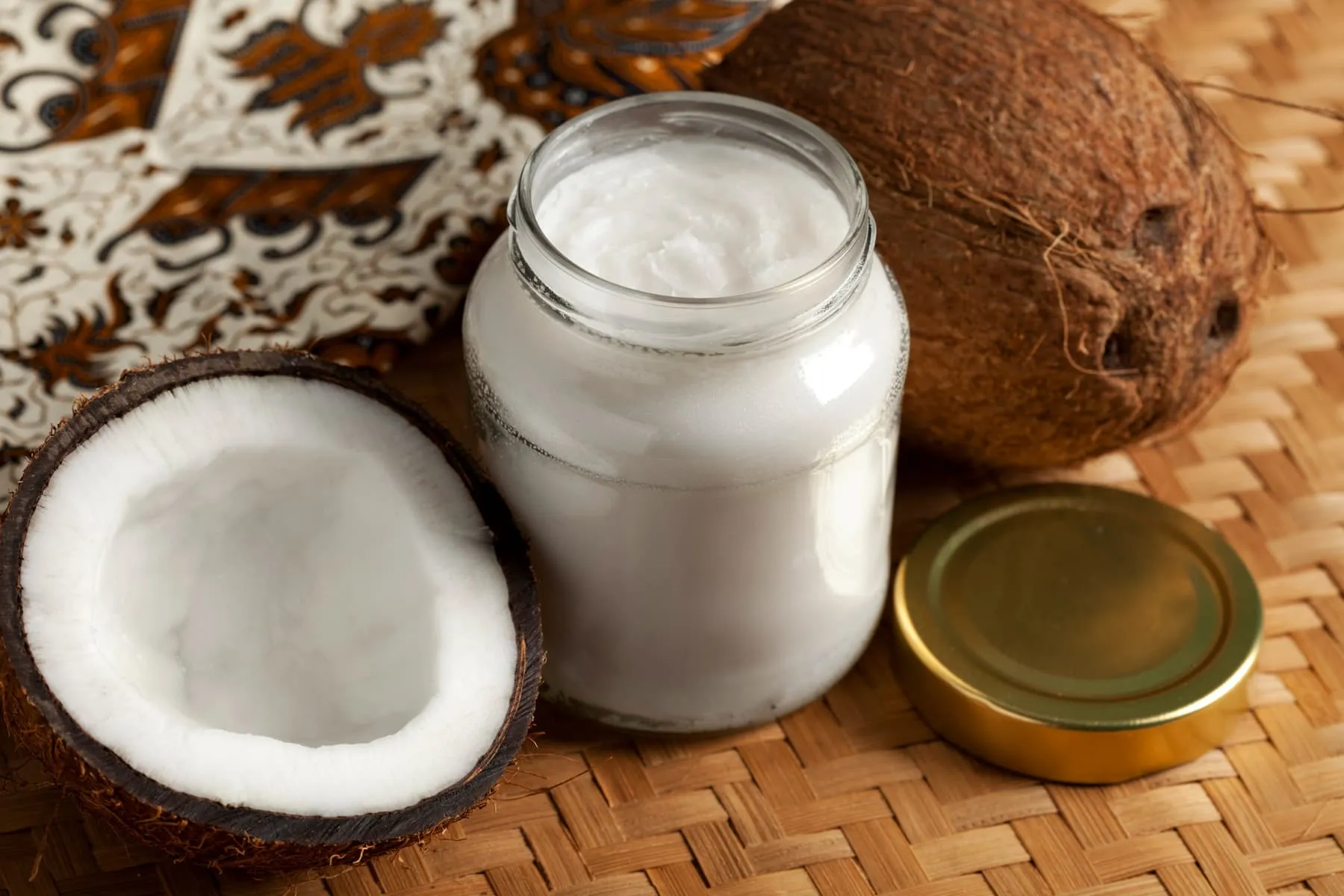
Coconut oil has lived several lives. One year, it is the darling of wellness blogs, stirred into coffee like a tropical magic potion. The next, heart experts are giving it the side-eye from across the room. So, what's the truth? Is coconut oil a kitchen hero, a skincare helper, or just butter in a Hawaiian shirt?
The honest answer is this: coconut oil can be useful, but it is not a cure-all. It has a distinct flavor, a creamy texture, and a few practical uses in cooking and personal care. At the same time, it is very high in saturated fat, which means it deserves a “use thoughtfully” label rather than a “pour freely on everything” crown.
This guide breaks down what coconut oil is, how it compares with other oils, what the science says about its health effects, and how to use it in a balanced way without falling for every shiny jar on the grocery shelf.
What Is Coconut Oil?
Coconut oil is a fat extracted from the meat of mature coconuts. Unlike many liquid vegetable oils, coconut oil is usually solid or semi-solid at room temperature because it contains a high percentage of saturated fat. That firm texture is why it behaves beautifully in certain baked goods, homemade granola, and no-bake snacks.
It is also popular in personal care. People use it as a skin moisturizer, hair oil, makeup remover, shaving balm, and occasionally as part of oil pulling routines. In other words, coconut oil is the multitasking friend who shows up to the party with snacks, lip balm, and unsolicited wellness advice.
Virgin vs. Refined Coconut Oil
There are two main types of coconut oil you will see in stores: virgin and refined.
Virgin coconut oil, sometimes labeled unrefined coconut oil, is made from fresh coconut meat. It usually has a strong coconut aroma and flavor. It is best for recipes where that tropical taste is welcome, such as coconut curry, banana bread, roasted sweet potatoes, or chocolate energy bites.
Refined coconut oil is made from dried coconut meat and processed to remove much of the flavor and aroma. It is more neutral, which makes it easier to use in recipes where you do not want everything tasting like a beach vacation. Refined coconut oil also generally tolerates higher heat than virgin coconut oil.
Coconut Oil Nutrition Facts
Coconut oil is pure fat. It does not provide protein, fiber, meaningful carbohydrates, or a major dose of vitamins and minerals. One tablespoon contains roughly 120 calories and about 14 grams of fat. Most of that fat is saturated fat.
This matters because saturated fat has a long-standing connection with higher LDL cholesterol, often called “bad” cholesterol. LDL cholesterol is not evil in a cartoon-villain sense, but when levels are too high, it can contribute to plaque buildup in arteries over time.
Why the Saturated Fat Content Gets So Much Attention
Coconut oil is often marketed as different from other saturated fats because it contains medium-chain triglycerides, or MCTs. MCTs are fats that may be absorbed and used by the body more quickly than longer-chain fats. This is where many coconut oil health claims begin.
However, coconut oil is not the same as purified MCT oil. Much of coconut oil's fat is lauric acid, which behaves partly like a longer-chain saturated fat in the body. That means you should be cautious about treating coconut oil as a shortcut to faster metabolism, effortless weight loss, or superhero-level energy. If coconut oil could do all that, grocery stores would need velvet ropes around aisle six.
Is Coconut Oil Healthy?
Coconut oil can fit into a healthy diet in small amounts, but it should not be your main cooking oil if heart health is your goal. Most nutrition experts recommend using unsaturated oils, such as olive, avocado, canola, safflower, sunflower, or soybean oil, more often than saturated fats like coconut oil, butter, and palm oil.
The key issue is not whether coconut oil is “good” or “bad” in a dramatic courtroom sense. The better question is: compared with what? If coconut oil replaces butter in a cookie recipe, the overall difference may be small because both are high in saturated fat. If coconut oil replaces olive oil in your daily cooking, that could be a less heart-friendly swap.
Coconut Oil and Heart Health
Research shows that coconut oil can raise HDL cholesterol, sometimes called “good” cholesterol. That sounds promising, but the story does not end there. Coconut oil can also raise LDL cholesterol. For heart health, lowering LDL cholesterol is usually a more important target than raising HDL cholesterol.
This is why major health organizations continue to recommend limiting saturated fat and replacing some of it with unsaturated fats. For example, instead of sautéing vegetables in coconut oil every night, you might use olive oil most of the time and save coconut oil for dishes where its flavor truly adds something.
Coconut Oil and Weight Loss Claims
Coconut oil is sometimes promoted as a weight loss tool because of its MCT content. Some studies on MCT oil suggest it may slightly increase energy expenditure or support fullness, but coconut oil is not the same as concentrated MCT oil. It is also calorie-dense, which means large spoonfuls can quickly add extra calories to your day.
If someone adds coconut oil to coffee, smoothies, oatmeal, toast, and stir-fries, they may be adding hundreds of calories without adding fiber or protein. That is not a weight loss strategy; that is a very expensive way to make breakfast slippery.
Possible Benefits of Coconut Oil
Coconut oil does have some useful qualities. The trick is to separate realistic benefits from overexcited marketing.
1. It Adds Flavor and Texture to Food
Virgin coconut oil has a naturally sweet, nutty, tropical flavor. It works well in curries, rice dishes, roasted vegetables, dairy-free desserts, granola, popcorn, and baked goods. In vegan baking, coconut oil can sometimes replace butter because it becomes firm when cooled.
For example, coconut oil can help create a crisp coating on roasted chickpeas or add richness to a coconut-lime soup. It can also make chocolate shell toppings harden quickly when poured over frozen desserts. That little kitchen trick is less “medical miracle” and more “science wearing an apron.”
2. It May Help Moisturize Dry Skin
Topical coconut oil may help some people with dry skin because it acts as an occlusive moisturizer, helping reduce water loss from the skin. Virgin coconut oil has also been studied for mild to moderate atopic dermatitis, with some evidence suggesting it may improve skin hydration and barrier function.
Still, skin is personal. Some people love coconut oil on their elbows and legs. Others find that it clogs pores or feels too greasy. If you have acne-prone skin, sensitive skin, eczema, or allergies, test a small area first. Your face does not need to be the experimental lab rat.
3. It Can Be Useful for Hair Care
Coconut oil is popular as a pre-wash hair treatment because it can help reduce moisture loss and may make hair feel smoother. People with thick, curly, coarse, or dry hair may especially enjoy it. A small amount can be applied to the ends before shampooing or used sparingly to tame frizz.
The keyword is “small.” Too much coconut oil can make hair look heavy, limp, or greasy. Start with less than you think you need. Hair products have a sneaky way of turning from “glossy” to “I lost a fight with a doughnut” in three seconds.
4. It Works in Some Specialty Diets
Coconut oil is dairy-free, vegan, and naturally free of gluten. That makes it useful in certain recipes for people avoiding butter or dairy-based fats. It is common in plant-based baking, raw desserts, keto recipes, and paleo-style cooking.
That said, being vegan or gluten-free does not automatically make a food heart-healthy. Coconut oil still needs portion control. A cookie made with coconut oil is still a cookie. A delicious cookie, perhaps, but not a salad wearing a disguise.
Potential Risks and Downsides
Coconut oil is not dangerous for most people when used occasionally in normal food amounts. The concern is regular, heavy use, especially for people with high cholesterol, heart disease, diabetes, or a strong family history of cardiovascular disease.
It May Raise LDL Cholesterol
The biggest nutritional concern is LDL cholesterol. Diets high in saturated fat can raise LDL cholesterol in many people. Because coconut oil is so high in saturated fat, using it as your everyday cooking oil may not be the best choice.
If you already have high cholesterol, ask your doctor or registered dietitian how much saturated fat is appropriate for you. Personalized advice matters because cholesterol response varies from person to person.
It Is Calorie-Dense
Like all oils, coconut oil is energy-dense. One tablespoon can add around 120 calories. That is not a problem if it is used intentionally. But when coconut oil gets added casually to coffee, smoothies, snacks, and dinner, the calories can pile up quickly.
For weight management, the overall eating pattern matters more than one trendy ingredient. Coconut oil cannot outsmart a calorie surplus, no matter how charming the jar looks on your counter.
It Can Cause Digestive Discomfort
Some people experience nausea, loose stools, or stomach cramps after consuming too much coconut oil, especially if they are not used to eating high-fat meals. Start with small amounts if you are adding it to your diet.
How to Use Coconut Oil in Cooking
Coconut oil works best when used for flavor, texture, or a specific recipe purpose rather than as an all-purpose health upgrade.
Best Culinary Uses
Use virgin coconut oil when you want a coconut flavor. It pairs well with Thai-inspired curries, Caribbean-style rice, tropical smoothies, roasted squash, pancakes, muffins, and dark chocolate desserts.
Use refined coconut oil when you want the texture of coconut oil without the strong taste. It can work in baking, sautéing, and recipes where a neutral fat is preferred.
How Much Coconut Oil Should You Use?
There is no official “required” amount of coconut oil because the body does not need coconut oil specifically. A practical approach is to treat it like butter: enjoyable, useful, but best used in moderation.
For many people, that may mean using one teaspoon to one tablespoon occasionally, depending on the rest of the day's diet. If a meal already includes cheese, red meat, creamy sauces, or dessert, adding coconut oil may push saturated fat higher than intended.
Coconut Oil vs. Other Oils
When choosing cooking oils, think about the job you need the oil to do. Flavor, smoke point, fat profile, and recipe style all matter.
Coconut Oil vs. Olive Oil
Olive oil is richer in monounsaturated fat and is strongly associated with heart-healthy eating patterns, especially Mediterranean-style diets. Coconut oil is much higher in saturated fat. For everyday cooking, olive oil is usually the better choice for heart health.
Coconut Oil vs. Butter
Both coconut oil and butter are high in saturated fat. Coconut oil is dairy-free and has no cholesterol, while butter provides a creamy flavor and contains small amounts of fat-soluble vitamins. Neither should be used as the main fat in large amounts if you are trying to reduce saturated fat.
Coconut Oil vs. MCT Oil
MCT oil is a concentrated supplement made mostly of medium-chain fats. Coconut oil contains some medium-chain fats but is not as concentrated. If a study uses MCT oil, its findings should not automatically be applied to regular coconut oil.
Common Myths About Coconut Oil
Myth 1: Coconut Oil Burns Belly Fat
No food melts belly fat by itself. Fat loss depends on overall calorie intake, activity, sleep, hormones, genetics, and long-term habits. Coconut oil may be delicious in a smoothie, but it will not march into your abdomen with tiny tools and remodel the place.
Myth 2: Coconut Oil Is a Superfood
“Superfood” is a marketing term, not a scientific category. Coconut oil can be part of a balanced diet, but it is not nutrient-dense compared with whole foods like vegetables, fruit, beans, nuts, seeds, whole grains, seafood, and yogurt.
Myth 3: Natural Means Unlimited
Coconut oil is natural, but that does not mean more is better. Poison ivy is natural too, and nobody is sprinkling it on avocado toast. Portion size still matters.
Who Should Be Careful With Coconut Oil?
People with high LDL cholesterol, heart disease, a history of stroke, diabetes, metabolic syndrome, or strong cardiovascular risk factors should be especially careful with coconut oil. That does not always mean total avoidance, but it does mean coconut oil should not be used heavily or treated as a health supplement.
People with acne-prone skin should also be cautious when applying coconut oil to the face, as it may clog pores for some individuals. Anyone with a coconut allergy should avoid it entirely.
Smart Ways to Enjoy Coconut Oil
If you enjoy coconut oil, you do not need to banish it from your kitchen like a villain in a cooking show finale. Use it with intention.
- Choose olive, avocado, or canola oil for most everyday cooking.
- Use coconut oil when its flavor improves the dish.
- Measure it instead of scooping freely.
- Balance meals with vegetables, whole grains, lean proteins, beans, nuts, seeds, and fruit.
- Keep saturated fat from all sources in mind, not just coconut oil.
Practical Examples
Better Use
Making a coconut chickpea curry with one tablespoon of coconut oil for the whole pot, plus vegetables, beans, spices, and brown rice.
Less Ideal Use
Adding two tablespoons of coconut oil to morning coffee every day and calling it breakfast. That provides calories and saturated fat without protein, fiber, or much staying power.
Better Use
Applying a pea-sized amount to dry hair ends before washing.
Less Ideal Use
Slathering coconut oil over acne-prone facial skin and hoping your pores will simply “understand the assignment.” They may not.
Real-Life Experiences With Coconut Oil
Coconut oil tends to become popular because it is easy to experience. Unlike some nutrition trends that require a spreadsheet, a blender the size of a lawn mower, and a password-protected supplement subscription, coconut oil is simple. You open the jar, scoop a little out, and immediately understand why people like it. It smells good, feels rich, and gives food a cozy, tropical personality.
In the kitchen, the best experiences with coconut oil usually happen when it is used for a reason. A small spoonful in a vegetable curry can round out spices and make the sauce taste fuller. In banana muffins, it can add tenderness and a gentle coconut note that makes the whole batch smell like someone cleaned the kitchen and booked a vacation at the same time. On popcorn, melted coconut oil can create a crisp, lightly sweet flavor that feels more special than plain butter.
The less successful experiences usually come from overconfidence. Coconut oil has a strong personality, especially the virgin kind. Use too much in eggs, pasta, or savory dishes that do not want coconut flavor, and suddenly dinner tastes confused. Coconut oil in coffee is another divisive experiment. Some people love the creamy texture. Others take one sip and feel as if their mug is trying to become soup. If you try it, start with a tiny amount and blend it well rather than letting an oil slick float on top like a tiny breakfast lagoon.
For skincare, coconut oil can feel wonderful on dry shins, elbows, heels, and hands. Many people like applying it after a shower when skin is slightly damp. It can make rough areas feel softer and more comfortable. However, it is not perfect for everyone. On the face, it may feel too heavy, especially for people prone to clogged pores. A smart real-world approach is to test it on a small area for a few days. Skin feedback is usually honest, and occasionally dramatic.
For hair, coconut oil works best as a pre-shampoo treatment rather than an all-day styling product. People with dry, thick, curly, or textured hair may find that a small amount on the ends helps reduce frizz and adds shine. Fine hair, however, can become limp quickly. The difference between “smooth and glossy” and “accidentally buttered” can be about half a teaspoon.
The biggest lesson from everyday use is that coconut oil is a tool, not a lifestyle. It can make certain recipes better, help with some dry skin, and support a few practical beauty routines. But it does not need to be eaten by the spoonful, added to every meal, or treated like a medical treatment. Enjoy it where it genuinely helps, skip it where it does not, and let common sense sit next to the jar.
Conclusion
Coconut oil is one of those ingredients that inspires big opinions. It is flavorful, versatile, shelf-stable, and genuinely useful in certain recipes and personal care routines. But it is also high in saturated fat and calories, which means it should be used with moderation, especially by people watching cholesterol or heart health.
The best way to think about coconut oil is not as a miracle food or a forbidden food. It is a specialty fat. Use it when the coconut flavor, texture, or topical effect makes sense. For everyday heart-smart cooking, lean more often on unsaturated oils such as olive, avocado, or canola oil. Coconut oil can have a place in your pantry; it just does not need to run the whole kitchen.