Note: This article is original, rewritten in a natural editorial style, and based on researched public information about online humor communities, viral “wait what” posts, Reddit-style moderation, meme culture, and the psychology of surprise humor.
Introduction: When Your Brain Hits the Emergency Brake
Every once in a while, the internet hands us a photo, sign, headline, product label, or innocent-looking screenshot that makes the brain pause like a laptop trying to install 47 updates at once. You look. You blink. You zoom in. Then comes the universal reaction: “Wait a minute… what?”
That tiny mental speed bump is exactly why “wait what” moments have become one of the internet’s most reliable forms of entertainment. They do not require a long setup, a celebrity scandal, or a 14-part documentary series. All they need is one strange detail hiding in plain sight: a restaurant sign with suspicious wording, a family photo with an unexpected background guest, a product design that should have gone through at least one more meeting, or a perfectly normal sentence that becomes wildly unhinged when read twice.
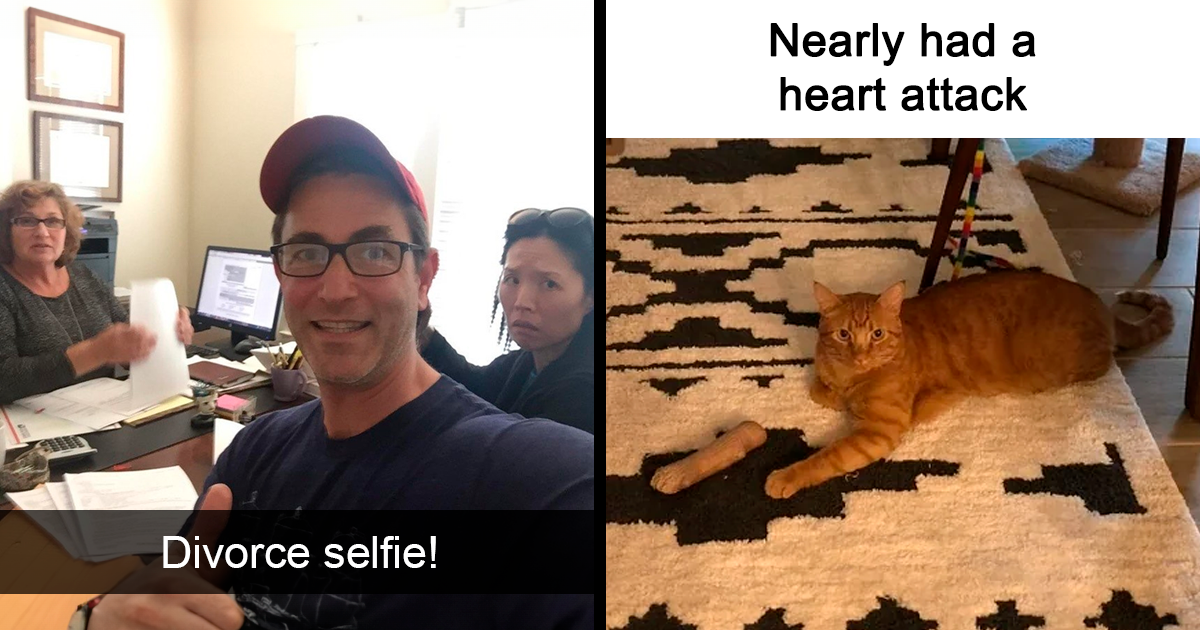
The title ““Wait A Minute”: 50 Of The Best ‘Wait What’ Moments, As Shared By This Dedicated Community” captures the spirit of a very specific online genre: posts that begin ordinary and end with your eyebrows filing a formal complaint. These moments are popular in humor communities because they reward attention. The joke is not always shouted. Sometimes it is quietly standing in the corner wearing a fake mustache.
In this article, we will explore what makes these funny confusing moments so addictive, why dedicated communities keep collecting them, and how 50 classic types of “wait what” moments turn everyday life into a comedy sketch written by a raccoon with Wi-Fi.
What Is a “Wait What” Moment?
A “wait what” moment is a small piece of content that forces viewers to reassess what they just saw or read. At first glance, everything seems fine. Then one detail breaks the pattern. The result is a tiny collision between expectation and reality.
It might be a photo of a dog sitting politely at a dinner table like he is about to discuss mortgage rates. It might be a sign that says “Children left unattended will be given espresso and a puppy.” It might be an online review that begins with “Great hotel” and ends with “except for the goat in the elevator.” The humor comes from the gap between what we expected and what actually appeared.
In comedy theory, this is often connected to incongruity: the funny feeling that happens when two incompatible ideas unexpectedly share the same room. In internet terms, it is the emotional equivalent of opening a fridge and finding your car keys next to the yogurt. You are not necessarily upset. You are simply forced to process the fact that the universe has chosen nonsense today.
Why Dedicated Communities Love These Moments
Online communities are built around shared taste. Some people gather to discuss home improvement. Some gather to debate fantasy football. Others gather because a grocery store label accidentally made a cucumber sound like a wanted criminal. Humanity contains multitudes.
Dedicated “wait what” communities thrive because they turn confusion into a group activity. One person posts the odd image or screenshot. Others inspect it, decode it, laugh at it, and add their own interpretations. The best posts become collaborative puzzles. Someone spots the strange sign. Another person notices the even stranger reflection in the window. A third person arrives late and says, “I thought the cat was the manager.” Now everyone is involved.
This is one reason Reddit-style humor communities are so powerful. Their voting systems reward posts that deliver a fast reaction, while comment sections allow the joke to keep evolving. A single “hold up” image can become funnier through captions, corrections, side jokes, and dramatic overanalysis. The crowd does not merely consume the joke; it seasonings it like internet chili.
The Secret Formula Behind the Best “Wait What” Posts
1. The Setup Looks Normal
The strongest “wait what” moments do not begin with chaos. They begin with normal life. A store aisle. A family photo. A wedding sign. A school worksheet. The ordinary setup lowers your defenses. Then the strange detail sneaks in wearing socks on hardwood floors.
2. The Twist Is Discoverable
A great post lets the viewer feel clever. The hidden oddity should be noticeable but not too obvious. If the joke is too buried, people scroll away. If it is too loud, it loses the delicious second-look effect. The sweet spot is that magical moment when the viewer thinks, “Oh no. I see it now.”
3. The Confusion Is Harmless
Most viral “wait what” humor works because the violation feels benign. It is weird, not cruel. Absurd, not harmful. A badly placed advertisement, a silly translation, or a cat sitting like a retired accountant can feel surprising without becoming mean-spirited.
4. The Caption Adds Just Enough
Captions matter. A simple “Wait a minute” or “Look again” can guide viewers without ruining the joke. The best captions act like a friend nudging your shoulder, not a tour guide yelling through a megaphone.
50 Of The Best Types Of “Wait What” Moments
Instead of copying anyone’s exact posts, let’s break down 50 classic categories of “wait what” moments that dedicated communities love to share. These examples reflect the kinds of real-world oddities, design fails, accidental comedy, and visual surprises that regularly make people stop scrolling.
- The accidental sign disaster: A business sign tries to be helpful but accidentally sounds like a threat from a cartoon villain.
- The background photobomber: Everyone poses beautifully while something deeply unserious happens behind them.
- The suspicious product name: A snack, shampoo, or toy arrives with branding that should have been questioned by at least one adult.
- The translation fail: A menu promises “fried mystery happiness” and somehow still sounds delicious.
- The animal acting human: A dog sits like a disappointed landlord; a cat looks like it has seen your search history.
- The impossible shadow: The photo seems normal until the shadow suggests physics took the afternoon off.
- The double-take T-shirt: A harmless phrase becomes a scandal when folded, blocked, or photographed from the wrong angle.
- The menu item with drama: “Grandma’s Revenge Soup” may taste good, but questions remain.
- The school worksheet gone rogue: A math problem begins with apples and ends with an existential crisis.
- The ad placement fail: A cheerful billboard appears next to a completely incompatible news headline.
- The oddly specific warning label: “Do not iron shirt while wearing it” suggests someone gave science a sad case study.
- The mannequin nightmare: Store mannequins pose in ways that imply the mall closes at midnight for a reason.
- The family photo secret: A sweet memory includes one face in a window that nobody invited.
- The bathroom sign mystery: The restroom icon looks less like a person and more like a confused spaghetti ghost.
- The pet with perfect timing: A cat enters the frame exactly when dignity leaves it.
- The cooking fail that became modern art: The cake was supposed to be a unicorn but now appears to be filing taxes.
- The headline collision: Two unrelated headlines sit together and accidentally create a tiny newspaper sitcom.
- The optical illusion outfit: Pants, patterns, and perspective combine to create one extra leg nobody ordered.
- The store display with questionable logic: Halloween candy appears next to dental floss. Balanced, yet threatening.
- The baby name announcement surprise: The name is sweet until the initials spell something the family will discuss for years.
- The hotel rule that raises concerns: “Please do not feed the lobby chicken” implies a rich backstory.
- The road sign contradiction: “No stopping at any time” placed directly before a stop sign. Government comedy, unpaid.
- The package instructions from another planet: Step one is normal. Step two says “calmly rotate destiny.”
- The pet adoption profile twist: “Loves children” followed by “as rivals.”
- The wedding photo weirdness: A romantic kiss happens while Uncle Dave fights a folding chair in the background.
- The office memo with accidental menace: “Mandatory fun begins at 3 p.m.” never sounds optional.
- The toy design mistake: A children’s plushie has the haunted stare of someone who knows tax law.
- The grocery label confusion: Organic bananas labeled “boneless” are technically correct and emotionally alarming.
- The historical statue angle: From one perspective, a noble monument appears to be doing something deeply silly.
- The restaurant bathroom mirror trick: You think someone is standing behind you. It is decor. Your soul still leaves.
- The badly cropped photo: A normal picture becomes suspicious because half the context got chopped away.
- The wholesome post with a dark turn: “My grandma still texts me every day” followed by “from my old phone, which she stole.”
- The typo that changes everything: One missing letter transforms a sale announcement into a legal concern.
- The dog breed mix surprise: A “small lap dog” turns out to weigh 92 pounds and own the couch.
- The public art confusion: The sculpture is probably meaningful, but it also looks like a melted trumpet arguing with a chair.
- The parking note escalation: It begins polite and ends like a courtroom closing statement.
- The overly honest review: “Five stars. The food was terrible, but the waiter looked like my cousin.”
- The classroom poster misfire: A motivational message accidentally teaches chaos instead of perseverance.
- The suspiciously human doll: It is marketed as cute, yet appears to remember the Renaissance.
- The apartment listing twist: “Cozy studio” turns out to mean the bed high-fives the refrigerator.
- The pet camera discovery: You bought it to monitor the dog and learned the cat runs a midnight organization.
- The medical form oddity: A checkbox asks if you are “currently a pirate.” Clarification needed.
- The delivery photo surprise: The package is there, but so is a raccoon inspecting the brand experience.
- The neighborhood notice board saga: A lost umbrella poster becomes a community-wide detective thriller.
- The sports photo frozen at the wrong second: Athletic excellence becomes accidental interpretive dance.
- The museum label that sounds fake: A 700-year-old artifact is described with the energy of a meme caption.
- The vacation photo realization: You discover later that a stranger perfectly matched your pose 20 feet behind you.
- The packaging window betrayal: The visible part looks generous; the hidden part is mostly air and broken dreams.
- The email subject line panic: “Urgent: ducks” is either spam or the most important meeting of the week.
- The second-read sentence: A phrase seems innocent until grammar unlocks the trapdoor.
Why These Posts Spread So Fast
“Wait what” moments spread because they are easy to share and fun to explain. They offer the viewer a quick reward: spot the oddity, feel the surprise, laugh, and send it to someone else with the sacred internet phrase, “Look closely.”
They also work across age groups and interests. You do not need to know celebrity gossip, sports statistics, or the entire timeline of a streaming series. A badly designed sign is a universal language. A confused cat is practically international diplomacy.
Another reason these moments travel well is that they create micro-conversations. People tag friends because the content feels personal: “This is so you,” “This looks like our office,” or “This is exactly what happened on our road trip.” The image becomes less about the original post and more about shared memory.
The Difference Between “Random” And Truly Funny
Not every weird image becomes a great “wait what” moment. Randomness alone is not enough. A banana on a chair is odd, but unless the chair is in a courtroom or the banana is wearing a tiny tie, the joke may not land. The best examples combine surprise with context.
Good “wait what” humor has internal logic. It gives viewers just enough information to understand why the moment is strange. A sign that says “Please keep dogs off the roof” is funny because it implies a problem that has happened before. A warning label saying “Do not use as a parachute” is funny because somewhere, somehow, a legal team lost sleep.
That implied backstory is the secret ingredient. The viewer does not just laugh at what is visible. They laugh at the invisible meeting, mistake, or incident that must have produced it.
What These Moments Say About Internet Culture
The popularity of “wait what” posts says something surprisingly charming about online culture: people still love noticing things together. In an internet often dominated by outrage, arguments, and suspiciously perfect vacation photos, these posts invite playful observation. They ask us to slow down and inspect the absurdity hiding in normal life.
They also prove that humor does not always require professional polish. In fact, many of the funniest online moments are accidental. A local sign, a misprinted package, a badly timed photo, or a pet with dramatic posture can outperform a carefully produced campaign because it feels real. The imperfection is the point.
There is also a democratic quality to this type of humor. Anyone can find a “wait what” moment. You do not need expensive equipment. You only need curiosity, timing, and the willingness to photograph a cereal box that appears to be threatening your family.
How To Spot A Great “Wait What” Moment In Real Life
If you want to find your own “wait what” moments, start by paying attention to places where human systems meet human error: signs, menus, labels, instruction manuals, store displays, public notices, and family group chats. These are fertile lands. Bring snacks.
Look for contradictions. A “quiet zone” sign beside a jackhammer. A “fresh seafood” poster in a desert gas station. A “luxury apartment” listing where the shower appears to be in the kitchen. The more confidently something presents itself while being slightly wrong, the funnier it becomes.
Also watch for perspective. Many visual jokes depend on angles, shadows, reflections, and timing. A person standing behind another person can create an accidental two-headed business executive. A dog near a laptop can look like it is leading a quarterly review. A reflection in a window can turn a simple photo into a supernatural PowerPoint.
Related Experiences: Why “Wait What” Moments Feel So Personal
Most people have experienced at least one real-life “wait what” moment that lives permanently in their memory like a tiny sitcom episode. Maybe you once read a restaurant menu that listed “emotional support fries.” Maybe you saw a neighbor walking a dog in a stroller while the toddler walked beside them on a leash. Maybe your office printer displayed an error message so dramatic it sounded like it was resigning from society.
These experiences stick because they interrupt routine. We move through the day on autopilot: coffee, email, errands, bills, more coffee, wondering why the laundry multiplies like a wet science experiment. Then suddenly something does not fit. A sign in a parking lot says, “Do not park here unless you are a wizard.” A grocery receipt includes “one sad onion.” A child asks a question so strange that every adult in the room briefly forgets how language works.
The beauty of these moments is that they make ordinary life feel less flat. They remind us that the world is not always efficient, polished, or sensible. Sometimes it is gloriously awkward. Sometimes the packaging designer chose the wrong font. Sometimes a cat decides the fruit bowl is a throne. Sometimes a local business posts a handwritten sign that says, “Closed because Gary made a decision.” We may never know who Gary is, but we respect the lore.
On a personal level, “wait what” moments are also social glue. When you send one to a friend, you are not just sharing a joke. You are saying, “This made my brain trip over a curb, and I wanted you there emotionally.” That shared confusion becomes a small connection. It is why group chats thrive on strange photos, typo screenshots, and unbelievable little scenes from daily life.
In my experience, the best ones are never staged. They arrive while buying groceries, scrolling too fast, reading a local notice board, or glancing at a background detail in a vacation picture months later. They are accidental gifts from the chaos department. The trick is to stay observant enough to catch them and generous enough to share them.
That is why dedicated communities continue to collect these gems. They are not only laughing at mistakes; they are celebrating attention. They prove that funny things are everywhere, hiding in plain sight, waiting for one person to pause and say, “Hold on. Everybody needs to see this.”
Conclusion: The Joy Of Looking Twice
“Wait what” moments are the internet’s favorite double-take machines. They turn ordinary images, signs, products, posts, and conversations into tiny mysteries with punchlines. Their power comes from surprise, harmless confusion, and the shared pleasure of noticing something strange together.
Whether it is a hilarious design fail, an accidental optical illusion, a bizarre sign, or a pet behaving like a middle manager, these moments remind us that the world is funnier when we look closely. In a digital landscape full of polished content, the messy, accidental, and absurd still wins hearts because it feels human.
So the next time something makes you stop and whisper, “Wait a minute,” do not ignore it. Take the second look. Share it with a friend. Somewhere out there, a dedicated community is ready to appreciate the exact brand of nonsense you just discovered.