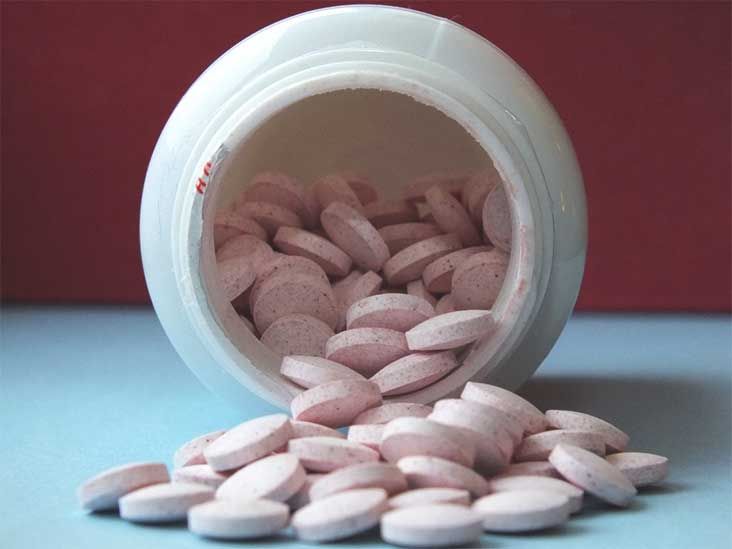
Vitamin B12 has a reputation for being the “friendly” vitamin: water-soluble, essential, and usually well tolerated. It helps your body make red blood cells, supports nerve function, contributes to DNA production, and keeps your energy system from running like a laptop at 2% battery. But even helpful nutrients can cause questions, especially when they come in high-dose pills, gummies, sprays, or injections promising “superhuman energy” before breakfast.
So, what are the real vitamin B12 side effects? For most healthy people, B12 supplements are considered safe, even at higher doses. The body uses what it needs and typically removes extra amounts through urine. Still, side effects can happen. They are usually mild, such as nausea, headache, diarrhea, itching, or injection-site soreness. Rarely, people may experience allergic reactions, acne flare-ups, heart-related symptoms, or low potassium during treatment for severe deficiency.
This guide explains common, uncommon, and serious B12 side effects in plain American English, with practical examples, safety tips, and a little humor because supplement labels already do enough to make people squint.
What Is Vitamin B12?
Vitamin B12, also called cobalamin, is an essential nutrient your body cannot make on its own. You need to get it from food, fortified products, or supplements. Natural food sources include beef, fish, poultry, eggs, milk, yogurt, and cheese. Fortified breakfast cereals, nutritional yeast, and plant-based milks can also provide B12 for people who avoid animal products.
B12 plays several major roles in the body. It helps create healthy red blood cells, supports the nervous system, assists with DNA formation, and helps convert food into usable energy. That does not mean B12 is an instant energy drink in vitamin form. If your B12 level is normal, taking more usually will not turn you into a productivity superhero. If you are deficient, however, correcting the deficiency can make a noticeable difference.
Is Vitamin B12 Generally Safe?
Yes, vitamin B12 is generally considered safe for most people. Unlike fat-soluble vitamins such as A, D, E, and K, B12 is water-soluble. That means excess amounts are usually excreted rather than stored in large quantities. This is one reason there is no established tolerable upper intake level for vitamin B12 in healthy people.
However, “generally safe” does not mean “impossible to overdo” or “perfect for everyone.” Side effects depend on the dose, form, delivery method, health status, medications, and whether a person is treating a true deficiency. A 25-mcg tablet in a multivitamin is not the same situation as repeated high-dose injections given to correct severe anemia.
Common Vitamin B12 Side Effects
Most people who take B12 do not experience major problems. When side effects occur, they are often mild and temporary. They may include digestive discomfort, skin changes, headache, or reactions related to injections.
1. Nausea or Upset Stomach
Some people report nausea after taking B12 supplements, especially if they take a high-dose tablet on an empty stomach. The stomach may react with a polite protest, or in some cases, a dramatic “why have you done this to me?” moment.
Taking B12 with food may help reduce stomach upset. People who are sensitive to supplements may also do better with a lower dose, a different form, or a product without added sweeteners, dyes, or herbal blends.
2. Mild Diarrhea
Diarrhea is one of the more commonly mentioned vitamin B12 side effects, especially with injections or higher-dose supplements. It is usually mild and short-lived. Still, persistent diarrhea should not be ignored, particularly if it leads to dehydration, weakness, or weight loss.
Sometimes the problem is not B12 itself but the supplement formula. Sugar alcohols in gummies, artificial flavors, magnesium, or other B vitamins in a “B-complex” product can also loosen stools. The detective work may require reading the label, which is nobody’s favorite hobby but can be surprisingly useful.
3. Headache
Headaches can occur in some people after taking B12, although they are not usually severe. A headache may be related to dose, timing, hydration, caffeine habits, or other ingredients in the supplement.
If headaches start soon after beginning a new B12 product, consider the pattern. Did the headache appear after every dose? Did it happen only with an energy blend containing caffeine or other stimulants? If symptoms continue, it is wise to check with a healthcare professional.
4. Itching, Rash, or Skin Irritation
Skin reactions may include itching, rash, redness, or hives. Mild itching can occur, but hives, swelling, or breathing problems may signal an allergic reaction and require immediate medical attention.
People may react to the B12 compound itself, preservatives, cobalt, or other ingredients in injections or supplements. Injectable B12 is more likely than food-based B12 to cause noticeable reactions because it enters the body differently.
5. Injection-Site Pain or Redness
B12 injections can cause soreness, redness, swelling, or tenderness where the shot is given. This is usually mild and improves quickly. A small amount of soreness after an injection is not unusual; your muscle has just received an unexpected visitor with a needle.
However, worsening pain, spreading redness, warmth, pus, fever, or severe swelling could suggest infection or another reaction. Those symptoms deserve medical attention.
Less Common Vitamin B12 Side Effects
Less common side effects are not the everyday experience, but they are important to know. They may include dizziness, anxiety-like sensations, acne flare-ups, palpitations, or fluid-related symptoms in certain people.
Dizziness
Dizziness may happen after B12 injections or high-dose supplementation. It can also be caused by the underlying deficiency itself, anemia, dehydration, low blood pressure, medication effects, or anxiety around injections. If dizziness is severe, repeated, or paired with chest pain, fainting, weakness, or shortness of breath, medical evaluation is important.
Acne or Rosacea Flare-Ups
Some people notice acne-like bumps or rosacea flares after taking high-dose B12. This does not happen to everyone, and it is not usually dangerous, but it can be frustrating. After all, nobody starts a vitamin hoping to gain “surprise volcano chin” as a bonus feature.
Researchers have explored how high levels of B12 may influence skin bacteria and inflammation in certain individuals. If acne flares after starting B12, a clinician may suggest lowering the dose, changing the form, or checking whether supplementation is necessary.
Heart Palpitations
Palpitations are feelings of a racing, pounding, fluttering, or irregular heartbeat. They are not a typical B12 side effect for most people, but they have been reported, especially in relation to injections or during treatment of severe deficiency.
Palpitations should be taken seriously if they come with chest pain, shortness of breath, fainting, severe dizziness, or weakness. In that situation, do not treat it like a casual supplement inconvenience. Get medical help.
Rare but Serious Vitamin B12 Side Effects
Serious reactions are rare, but knowing the warning signs helps you respond quickly. B12 is safe for most people, but no supplement gets a permanent hall pass from common sense.
Severe Allergic Reaction
A severe allergic reaction may include hives, swelling of the face or throat, difficulty breathing, wheezing, tightness in the chest, severe dizziness, or trouble swallowing. This can happen with oral supplements but is more commonly discussed with injections.
Anyone with these symptoms after taking B12 should seek emergency medical care. Allergic reactions can progress quickly, and this is not the time to “wait and see” while Googling symptoms with one eye closed.
Low Potassium During Severe Deficiency Treatment
Low potassium, also called hypokalemia, can occur when severe B12 deficiency is treated and the body rapidly begins making new red blood cells. This is uncommon, but it matters because potassium helps regulate muscles and heart rhythm.
Possible symptoms of low potassium include muscle weakness, cramps, constipation, fatigue, palpitations, or abnormal heart rhythm. People being treated for severe anemia or significant deficiency should follow their clinician’s monitoring plan.
Fluid Retention or Heart Strain in High-Risk Patients
People with certain heart or kidney conditions may need extra caution with injections or high-dose therapy. Rare reports include swelling, shortness of breath, fast heartbeat, or symptoms that suggest fluid overload. These are not everyday B12 reactions, but they are reasons medical supervision matters for people with complex health histories.
Can You Take Too Much Vitamin B12?
For healthy adults, vitamin B12 has low toxicity, and no official upper limit has been set. That said, taking giant doses without a reason is not always smart. More is not automatically better. Your body is not a warehouse club where buying 5,000 mcg means you “saved” on nerve health.
High-dose B12 is often used medically to treat deficiency, especially in people who do not absorb it well. But if you are not deficient, huge doses may simply create expensive urine and unnecessary uncertainty. The best dose depends on your age, diet, lab results, medical conditions, and medications.
Who Is More Likely to Need B12?
Some people are more likely to develop B12 deficiency and may benefit from testing or supplementation. These groups include older adults, vegans, vegetarians, people with pernicious anemia, people who have had weight-loss surgery or certain gastrointestinal surgeries, and those with digestive conditions such as Crohn’s disease or celiac disease.
Long-term use of certain medications may also lower B12 levels. These include metformin, proton pump inhibitors, and H2 blockers. If you take these medications regularly, ask your healthcare provider whether B12 testing makes sense.
Vitamin B12 Deficiency Symptoms vs. B12 Side Effects
One confusing part of this topic is that symptoms of B12 deficiency can look like side effects. Fatigue, dizziness, numbness, tingling, mood changes, memory problems, shortness of breath, and weakness may come from low B12 rather than the supplement.
Deficiency can develop slowly because the body stores B12, especially in the liver. Some people do not notice symptoms for months or years. By the time symptoms appear, they may involve the nerves, brain, blood, or digestive system. That is why testing matters. Guessing your B12 status based on vibes is not a medical strategy, even if your vibes are very organized.
Forms of Vitamin B12 and Side Effect Differences
Vitamin B12 supplements come in several forms, including cyanocobalamin, methylcobalamin, hydroxocobalamin, and adenosylcobalamin. Cyanocobalamin is common in supplements and injections because it is stable and widely used. Methylcobalamin is often marketed as an “active” form, though the best choice depends on the person and the reason for supplementation.
Side effects can vary more by dose and delivery method than by form. Injections may cause injection-site soreness and are more likely to produce immediate reactions. Oral tablets, capsules, sprays, and gummies are usually easier to tolerate, though they may include additives that bother sensitive stomachs.
Medication and Supplement Interactions
B12 is not famous for dramatic interactions, but it still deserves attention. Some medications can reduce B12 absorption over time. Metformin, commonly used for type 2 diabetes, is one example. Acid-reducing medications can also affect absorption because stomach acid helps release B12 from food.
Vitamin C may reduce B12 availability if taken at the exact same time in large amounts, so some clinicians suggest separating them by a couple of hours. Chloramphenicol, an antibiotic used in specific cases, may interfere with the body’s response to B12 treatment. If you take prescription medications, do not treat your supplement routine like a secret side quest. Tell your healthcare provider.
When to Call a Doctor
Call a healthcare professional if you develop ongoing diarrhea, persistent headaches, worsening rash, dizziness, palpitations, acne that becomes severe, or symptoms that appear after every dose. Seek urgent care for difficulty breathing, swelling of the face or throat, chest pain, fainting, severe weakness, or signs of a serious allergic reaction.
You should also talk with a clinician before taking high-dose B12 if you are pregnant, breastfeeding, managing kidney disease, have a history of cobalt allergy, have Leber hereditary optic neuropathy, or are receiving treatment for severe anemia.
How to Use Vitamin B12 Safely
Start With a Reason
The best reason to take B12 is a diagnosed deficiency, a high risk of deficiency, a diet low in B12, or a clinician’s recommendation. Taking it because the bottle says “energy” in lightning-bolt font is less convincing.
Choose a Sensible Dose
Many people need only a modest daily amount, while deficiency treatment may require much higher doses. The recommended daily intake for most adults is small, but supplements often contain hundreds or thousands of micrograms because absorption can be limited. Your healthcare provider can help match the dose to your situation.
Check the Label
Look for the amount of B12 per serving, the form of B12, added ingredients, allergens, sweeteners, and third-party testing. Supplements are not reviewed by the FDA for effectiveness before they are sold, so quality matters.
Track Changes
If you start B12, write down the dose, form, timing, and any symptoms. This makes it easier to spot whether nausea, acne, headaches, or sleep changes are connected to the supplement or to something else, such as stress, coffee, or the brave decision to eat gas-station sushi.
Experience Section: What Taking Vitamin B12 Can Feel Like in Real Life
In everyday life, the experience of taking vitamin B12 varies widely. Some people feel absolutely nothing, which can be disappointing if they expected fireworks, laser focus, and the sudden ability to reorganize the garage. Others notice gradual improvements when they were genuinely deficient. The key word is “gradual.” B12 is not usually a movie montage where you swallow one tablet and suddenly sprint up a mountain.
A common experience among people with low B12 is that fatigue improves slowly over several weeks. Someone who was dragging through the day, relying on coffee like it was a personality trait, may begin to feel steadier. They may not feel “wired,” but they may stop crashing as hard in the afternoon. For people with deficiency-related anemia, treatment can help restore red blood cell production, which may improve weakness, light-headedness, and shortness of breath over time.
People with nerve symptoms often have a more complicated experience. Tingling, numbness, burning sensations, balance issues, or brain fog may take longer to improve, and in some cases, nerve damage may not fully reverse if the deficiency has been untreated for too long. This is why early testing is important. Waiting until your feet feel like they are receiving weird radio signals from another planet is not ideal.
Some people say B12 injections feel more powerful than pills. That may be true for people who cannot absorb B12 well through the digestive tract. However, for many people, high-dose oral B12 can also work. The “best” form depends on why the person is low in the first place. If the issue is diet, oral supplements may be enough. If the issue is pernicious anemia or a significant absorption problem, injections may be recommended.
Side effects in real life are usually practical rather than dramatic. A person may notice mild soreness after a shot, a short bout of nausea, or looser stools after switching to a high-dose gummy. Another person may realize the “B12 supplement” is actually a full B-complex with niacin, herbs, caffeine, and enough marketing energy to power a small blender. In that case, the side effect may not be from B12 alone.
Acne flare-ups are another experience worth mentioning. They are not universal, but people prone to acne or rosacea sometimes report changes after high-dose B12. If this happens, it can help to stop guessing and review the dose, timing, and product type with a healthcare professional. Lowering the dose or switching formulas may solve the problem.
The biggest real-world lesson is this: B12 works best when it is used with a purpose. If you are vegan, older, taking metformin, using long-term acid reducers, recovering from bariatric surgery, or have symptoms of deficiency, B12 may be genuinely important. If your levels are already normal and you are chasing “more energy,” the result may be underwhelming. The supplement may be safe, but your wallet may file a complaint.
People tend to have the best experience when they test first, choose a quality supplement, avoid megadosing without guidance, and pay attention to symptoms. Vitamin B12 can be extremely helpful, but it is still part of a bigger health picture that includes diet, sleep, medications, digestion, and medical history.
Conclusion
Vitamin B12 is essential, useful, and usually safe. Most vitamin B12 side effects are mild, such as nausea, diarrhea, headache, itching, or injection-site soreness. Serious reactions are rare but possible, especially allergic reactions, palpitations, severe skin reactions, or low potassium during treatment for severe deficiency.
The smartest approach is not to fear B12 or worship it as a miracle cure. Use it wisely. If you are at risk of deficiency, get tested. If you need treatment, follow medical guidance. If you experience side effects, pay attention and ask for help when symptoms are persistent or severe.
In short, vitamin B12 is like a very competent backstage crew member: essential when it is missing, not always noticeable when it is present, and best appreciated when everything in the body starts running smoothly again.
Note: This article is for general educational purposes only and should not replace medical advice, diagnosis, or treatment from a licensed healthcare professional.