Unfinished round wooden beads may look simple at first glance, but that is exactly their secret power. They are tiny blank canvases with holes in the middle, ready to become farmhouse garlands, handmade jewelry, macramé accents, Montessori-style sorting tools, Christmas ornaments, napkin rings, keychains, wall hangings, and about a hundred other projects that begin with the words, “I saw this cute thing online and I think I can make it.”
Unlike plastic beads or pre-painted craft supplies, unfinished wooden beads bring warmth, texture, and flexibility to DIY projects. Their natural surface can be painted, stained, dyed, sealed, burned, wrapped, distressed, or left beautifully plain. In a world where everything seems to arrive shiny, loud, and already decided, unfinished wood beads politely say, “Your turn.”
This guide explores what unfinished round wooden beads are, why crafters love them, how to choose the right size, how to finish them, and where they shine best in jewelry, home décor, classroom crafts, and seasonal projects. We will also cover practical experience-based tips at the end, because beads are adorable, but they can absolutely roll under the couch like they have urgent business elsewhere.
What Are Unfinished Round Wooden Beads?
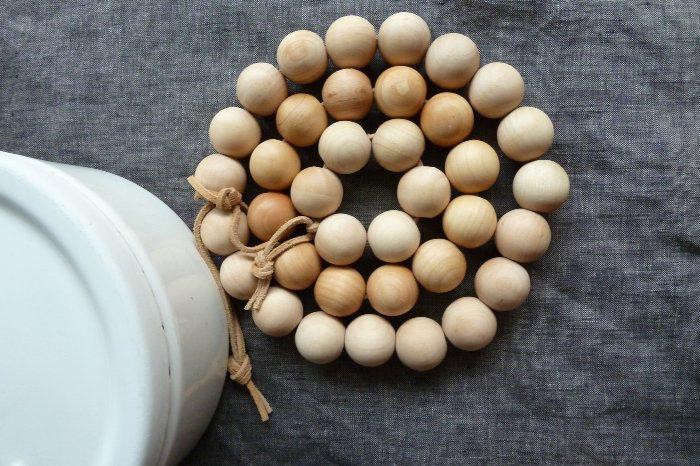
Unfinished round wooden beads are spherical beads made from natural wood and sold without paint, varnish, polish, stain, or decorative coating. Most are pre-drilled through the center so they can be strung on cord, twine, elastic, leather lace, wire, yarn, macramé rope, or ribbon. Some larger wooden balls are sold without holes for peg dolls, game pieces, ornaments, or sculptural crafts, but when people search for “round wooden beads,” they usually mean drilled craft beads.
The word “unfinished” matters. It means the bead has not been given its final decorative surface. That makes it more customizable than a finished bead. You can match a nursery color palette, create a rustic wedding garland, make neutral boho jewelry, or paint tiny faces on them if your inner artist has had too much coffee.
Most unfinished wood beads are sanded smooth enough for crafting, though quality varies. Better beads feel even, lightweight, and comfortable in the hand. The hole should be clean enough for easy stringing, and the bead should not have sharp splinters, rough edges, or major cracks. Natural grain, slight color variation, and small differences in tone are normal because wood is not a factory-perfect material. That is part of the charm.
Why Crafters Love Unfinished Wooden Beads
They Are Extremely Versatile
One bag of unfinished round wooden beads can support several types of projects. Use smaller beads for bracelets, earrings, rosaries, garland accents, and kids’ threading activities. Use medium beads for farmhouse garlands, tassel décor, plant hangers, napkin rings, and wall hangings. Use large beads for statement necklaces, curtain tiebacks, drawer pulls, wreath accents, and oversized holiday ornaments.
Because the round shape is timeless, these beads work in many styles: Scandinavian minimalism, rustic farmhouse, coastal décor, bohemian interiors, modern nursery design, cottagecore, nature-inspired jewelry, and handmade holiday crafts. They are the craft-supply equivalent of a white T-shirt: simple, useful, and surprisingly stylish when paired with the right details.
They Are Easy to Customize
Unfinished wooden beads absorb paint and stain more readily than sealed beads. Acrylic craft paint is one of the easiest options for bold color. Wood stain creates a richer, more natural tone while still letting the grain show. Dye can produce softer, translucent color. Paint pens allow dots, stripes, florals, initials, or tiny geometric patterns. For a modern look, try color-blocking only half the bead and leaving the other half natural.
You can also seal finished beads with a clear topcoat when durability matters. Jewelry, keychains, and frequently handled décor usually benefit from sealing. Decorative garlands that hang on a mantel and live a peaceful, low-contact life may not need as much protection.
They Are Lightweight
Wood beads are generally lighter than glass, ceramic, or stone beads. This makes them comfortable for larger necklaces and earrings. It also makes them useful in home décor projects where heavy materials could pull down a garland, sag a tassel, or stress a delicate branch, hoop, or wreath frame.
Common Sizes of Unfinished Round Wooden Beads
Round wooden beads come in many sizes, often measured in millimeters or inches. Common small sizes include 6mm, 8mm, 10mm, and 12mm. Medium sizes include 14mm, 16mm, 18mm, 20mm, and 25mm. Large craft beads may reach 30mm, 32mm, 40mm, or even larger.
For jewelry, 8mm to 12mm beads are popular because they create a wearable scale without feeling bulky. For farmhouse garlands, 16mm to 25mm beads are common because they are visible from across a room. For macramé projects, the hole size becomes just as important as the bead diameter. Thick cords need large-hole beads, otherwise stringing becomes a dramatic wrestling match between you, the bead, and a piece of rope that suddenly has the personality of a stubborn garden hose.
Always check both the bead diameter and the hole diameter before buying. A 20mm bead with a tiny hole may be perfect for thin twine but frustrating for chunky macramé cord. A bead with a large hole may slide beautifully onto rope but look loose on thin elastic. The best bead is not always the biggest or cheapest one; it is the one that fits your project materials.
Best Uses for Unfinished Round Wooden Beads
1. Wood Bead Garlands
Wood bead garlands are one of the most popular uses for unfinished round wooden beads. They can be draped across a mantel, wrapped around a vase, placed on a coffee table tray, hung on a Christmas tree, or layered into seasonal displays. A simple garland usually requires beads, jute twine or cotton cord, scissors, and tassels.
Natural beads create a calm, neutral look. Whitewashed beads feel bright and coastal. Black or espresso-stained beads look modern and dramatic. For holidays, you can mix red, green, gold, orange, navy, or pastel beads into the design without making the garland look too busy.
2. Handmade Jewelry
Wood beads are excellent for necklaces, bracelets, earrings, and mala-style designs. Their light weight makes them comfortable, and their natural finish pairs well with gemstones, metal spacers, tassels, leather cord, cotton thread, and ceramic beads.
For earrings, smaller wood beads reduce weight and keep the design wearable. For bracelets, elastic cord can work, but strong jewelry cord or stretch cord should be chosen carefully so the bracelet does not snap during use. For necklaces, mix bead sizes to create rhythm. A row of identical beads can look clean and minimal, while graduated sizes create a more intentional designer feel.
3. Macramé and Fiber Art
Unfinished round wooden beads add structure and contrast to macramé plant hangers, wall hangings, keychains, and curtain tiebacks. The smooth round shape creates a visual pause between knots. Natural wood also pairs beautifully with cotton rope, jute, hemp, and wool.
For macramé, choose beads with holes large enough for your cord. If your bead hole is slightly blocked by wood dust or fibers, a thin awl, skewer, or bead reamer can help clear it. Work gently. A bead is not a jar of pickles; brute force is not always the solution.
4. Kids’ Crafts and Learning Activities
Wooden beads can support counting, sorting, color recognition, pattern practice, and fine motor activities. Children can paint them, thread them, sort them by size, or use them in supervised classroom projects. However, small beads can be choking hazards. Beads intended for young children must be chosen with age, size, labeling, and supervision in mind. Craft beads should be kept away from children under 3 unless they are specifically designed and safety-tested for that age group.
For older children, unfinished beads are excellent for name bracelets, backpack charms, holiday ornaments, friendship necklaces, and classroom garlands. Use washable paint, non-toxic craft materials, and a covered work surface unless you want the table to become a permanent abstract mural.
5. Seasonal and Holiday Décor
Round wooden beads are surprisingly useful for seasonal decorating. Paint them orange and green for mini pumpkin garlands, red and white for candy cane accents, black and natural for Halloween farmhouse décor, or soft pastels for spring ornaments. They can be added to wreaths, gift tags, stocking hangers, Easter baskets, Valentine’s Day banners, and Fourth of July table décor.
Because unfinished wood accepts color well, it is easy to create a custom palette instead of relying on store-bought decorations that almost match your home but not quite. We all know that one shade of “festive red” that somehow fights every other red in the room.
How to Paint Unfinished Wooden Beads
Painting unfinished round wooden beads is simple, but a little preparation makes the result much cleaner. First, inspect the beads and lightly sand any rough spots with fine-grit sandpaper. Wipe away dust with a dry cloth. If you are painting many beads, slide them onto skewers, toothpicks, floral wire, or a temporary string so you can paint multiple sides without holding each bead in your fingers.
Acrylic craft paint is a beginner-friendly choice. Apply a thin coat, let it dry, and add another coat if needed. Thin coats reduce drips and help preserve the bead’s round shape. For dots, stripes, and details, use paint pens or a small brush. To create a dipped look, paint only half the bead and leave the rest natural.
After painting, let beads dry fully before stringing. If they will be handled often, apply a clear sealer. Matte sealer keeps the soft natural look. Satin or gloss sealer adds shine and more visual polish. For jewelry, make sure the coating is fully cured before wearing it against skin or clothing.
How to Stain or Dye Wooden Beads
Staining unfinished wood beads is ideal when you want a natural look with deeper color. Wood stain can make pale beads look like walnut, honey oak, driftwood, or espresso-toned wood. Apply stain with a cloth or small brush, allow it to penetrate briefly, then wipe off the excess. Drying time varies by product, so follow the manufacturer’s instructions.
Dye is another option, especially when you want color but still want to see some wood grain. Fabric dye, water-based wood dye, or diluted acrylic paint can create soft washes of color. Test first on a spare bead because wood species, grain, and porosity affect the final shade.
One practical tip: finish more beads than you think you need. Beads can vary slightly in color, and it is easier to complete one batch than to recreate the exact shade later. Future you will appreciate this. Future you is already busy looking for the scissors.
How to Choose Quality Wooden Beads
Good unfinished round wooden beads should be smooth, evenly shaped, and properly drilled. Minor natural grain variations are fine, but avoid beads with deep cracks, jagged holes, splinters, or strong chemical odors. If you are making jewelry, comfort matters. A rough bead near the neck or wrist can turn a charming handmade accessory into a tiny wooden annoyance.
For décor, consistency matters more if the beads will be lined up in a visible pattern. For rustic projects, slight variation can actually look better. For modern jewelry or precise garlands, choose beads with more uniform sizing. If you are buying in bulk, check whether the beads are sold by count, weight, strand length, or mixed assortment. A “mixed size” bag can be fun, but it may not be ideal for a project that needs 100 identical beads.
Project Ideas Using Unfinished Round Wooden Beads
Minimalist Farmhouse Garland
String 20mm natural wooden beads onto jute twine, add tassels on both ends, and drape the finished piece over stacked books, a vase, or a mantel. Leave the beads raw for a soft organic look or whitewash them for a lighter finish.
Color-Blocked Keychain
Paint half of each bead in a bold color and leave the other half natural. String three to five beads on strong cord, tie securely, and attach a key ring. This is a great small gift project because it looks stylish but does not require advanced crafting skills.
Macramé Plant Hanger Accent
Add large-hole wooden beads between knot sections in a plant hanger. Natural beads create contrast against cotton cord and help the design feel more finished without overwhelming the plant.
Personalized Name Garland
Paint beads in a nursery or bedroom color palette, then add letter beads or hand-painted initials. This works well for wall décor, party signs, or baby shower gifts. Keep safety in mind and hang decorative garlands out of reach of babies and toddlers.
Rustic Holiday Ornaments
String small wooden beads into a circle with wire or cord, add a ribbon bow, and hang it as a mini wreath ornament. Paint some beads red, green, white, or metallic for a festive touch.
Care and Storage Tips
Store unfinished wooden beads in a dry place. Wood can absorb moisture, and damp storage may cause swelling, discoloration, or mildew. Clear containers, divided boxes, zip bags, or labeled jars make it easier to organize beads by size and finish.
If beads are already painted or stained, allow them to cure fully before storing them together. Otherwise, they may stick, dent, or transfer color. For delicate painted designs, wrap finished beads in tissue or store them in separate compartments.
Keep beads away from pets and very young children. Cats, in particular, may interpret a rolling wooden bead as a personal invitation from the universe. Dogs may interpret it as a snack. Neither interpretation is ideal.
Common Mistakes to Avoid
One common mistake is buying beads without checking the hole size. Another is applying thick paint that clogs the hole. To prevent this, string beads on a skewer while painting and rotate them as they dry. If paint does clog the hole, gently clear it with a toothpick or awl before the paint fully hardens.
Another mistake is skipping sanding when beads have rough patches. Even a quick smoothing step can improve the final look. Also, avoid rushing the drying process. Paint that feels dry on the surface may still be soft underneath. If you string beads too soon, they may stick together or leave marks.
Finally, do not assume every wood bead is safe for every use. Decorative craft beads are not automatically baby-safe, chew-safe, or toy-safe. For children’s products, use properly labeled supplies and follow applicable safety guidance.
Experience-Based Notes: What Working With Unfinished Round Wooden Beads Teaches You
After working with unfinished round wooden beads on several types of projects, one lesson becomes obvious: the simplest supplies often reveal the most personality. A plain bead may not look impressive in the bag, but once it is lined up with others, painted in soft colors, or paired with cord and tassels, it suddenly looks intentional. It is the craft version of someone putting on a nice jacket and becoming “ready for dinner.”
For garlands, the most useful trick is to lay out the full pattern before stringing. This prevents the classic mistake of reaching the end and realizing the color sequence went rogue halfway through. If you are alternating natural, white, and stained beads, arrange them on a towel first. The towel keeps them from rolling away and gives you a preview of the finished design. A baking tray also works well, especially if the sides are raised.
When painting beads, patience is everything. The fastest-looking method is not always the fastest in reality. Holding each bead between your fingers seems efficient until you discover fingerprints, smears, and one bead permanently attached to your thumb. Skewers, toothpicks, and cardboard drying stands make the process cleaner. Push skewers through a shoebox or foam block, slide on the beads, paint them, and let them dry without touching the table.
For staining, test beads first. Some unfinished wooden beads absorb stain quickly and become darker than expected. Others stay pale and need a second coat. If matching a specific décor style, create a small sample batch before staining all your beads. This is especially helpful for wedding decorations, nursery décor, or projects where color consistency matters.
Macramé projects teach another important lesson: the hole size is the boss. You may have a beautiful bead and beautiful cord, but if they do not fit together, beauty will not save you. Measure the cord, check the bead hole, and leave a little extra room. Twisted cord can compress slightly, but forcing it through a tight bead can fray the fibers and make the project look messy.
For jewelry, unfinished round wooden beads are comfortable, warm, and casual. They pair especially well with linen, denim, cotton, leather, and summer outfits. However, seal painted jewelry beads if they will touch skin, perfume, lotion, or moisture. Unsealed paint may wear over time, especially on bracelets that rub against desks, bags, and sleeves.
One of the best creative uses is mixing bead sizes. A garland made entirely with 20mm beads looks classic, but adding a few 25mm focal beads creates rhythm. In jewelry, a larger center bead with smaller side beads can make a simple necklace feel designed rather than randomly assembled. In home décor, mixing sizes can prevent the “string of wooden peas” look, which is cute in theory but sometimes odd in practice.
Storage also matters more than beginners expect. Once you own several bead sizes, keeping them in one container becomes chaos with a lid. Sort by size, color, and finish. Label bags or jars. Save a few unfinished extras from every project for repairs or future matching. Nothing is more annoying than needing one more bead and discovering the original batch has disappeared into the craft-supply fog.
The biggest experience-based takeaway is that unfinished round wooden beads reward experimentation. Paint a few. Stain a few. Leave some raw. Wrap others in embroidery floss. Add dots, stripes, metallic accents, or tiny floral designs. The material is affordable enough to play with, forgiving enough for beginners, and stylish enough for finished pieces you will actually want to display. That combination is rare, useful, and frankly dangerous for anyone who already owns too many craft bins.
Conclusion
Unfinished round wooden beads are small, simple, and wonderfully flexible. They can become rustic garlands, lightweight jewelry, macramé details, classroom crafts, holiday ornaments, nursery décor, and handmade gifts. Their natural surface makes them easy to paint, stain, dye, seal, or leave raw. Their round shape works across styles, from farmhouse to modern boho, and their lightweight feel makes them practical for both wearable and decorative projects.
The key is choosing the right size, checking the hole diameter, preparing the surface, and using safe materials for the intended purpose. With a little planning, unfinished wooden beads can turn a basic DIY idea into something warm, personal, and polished. Not bad for a tiny wooden sphere with a hole in it.