Almost everyone has had that one stubborn spot in the neck, shoulder, back, or calf that feels like a tiny marble made of bad decisions. You stretch. You roll your shoulders. You ask a friend to “just press right there.” For five seconds, life is beautiful. Then the tight spot returns like it pays rent.
These sore, tight areas are commonly called muscle knots. In medical language, many of them are described as myofascial trigger points: irritated, tender spots in muscle or fascia that can cause local pain, stiffness, and sometimes pain that travels to another area. A knot in the upper shoulder may make your neck ache. A tight hip muscle may complain all the way down the leg. Your body, apparently, enjoys forwarding messages without asking permission.
The good news: most muscle knots are not dangerous. They often improve with better movement habits, gentle stretching, heat, massage, hydration, rest, and physical therapy. The tricky part is figuring out why the knot formed in the first place. Treating the symptom without fixing the cause is like mopping the floor while the sink is still overflowing.
What Are Muscle Knots?
A muscle knot is a small area of tight, irritated muscle tissue that feels tender, firm, or rope-like when pressed. It may feel like a pea, a band, or a sore patch buried under the skin. These knots often develop in muscles that are overworked, underused, stressed, injured, or held in the same position too long.
The phrase “muscle knot” is casual, but it describes a real experience: tightness, tenderness, and reduced comfort during movement. The muscle is not literally tied into a knot like a shoelace. Instead, a portion of muscle fibers may stay contracted, sensitive, and poorly relaxed. This can create a painful cycle: tightness reduces comfortable movement, reduced movement causes more stiffness, and stiffness invites the knot to set up a tiny vacation home in your shoulder blade.
Common Symptoms of Muscle Knots
Muscle knots can be sneaky. Sometimes they hurt only when you press on them. Other times they cause a dull ache all day, especially after sitting, driving, exercising, or sleeping in a weird position that seemed perfectly reasonable at midnight.
Localized Pain or Tenderness
The most common symptom is pain in one specific spot. Pressing the area may feel sore, sharp, deep, or bruised. Some people describe it as a “good pain” during massage, while others describe it as “please remove your elbow from my soul.”
Referred Pain
A trigger point may cause pain somewhere else. For example, knots in the upper trapezius or neck muscles can contribute to headaches or pain near the jaw, shoulder, or upper back. Knots in the glutes or hips may create discomfort that feels like it travels toward the thigh.
Stiffness and Reduced Range of Motion
A tight knot can make it harder to turn your head, lift your arm, bend forward, or twist comfortably. You may notice one side feels tighter than the other, especially during stretching or exercise.
Muscle Weakness or Fatigue
Knotted muscles may feel tired even after light activity. This does not always mean the muscle is truly weak, but pain and tightness can interfere with normal movement patterns. Your body may start avoiding certain motions, forcing nearby muscles to work overtime.
A Tight Band or Small Lump
When you run your fingers across the sore area, you may feel a tight band, ridge, or small nodule. Not every tender spot is easy to feel, and not every lump is a muscle knot, so new, growing, warm, swollen, or unexplained lumps should be checked by a healthcare professional.
Where Muscle Knots Usually Show Up
Muscle knots can appear almost anywhere, but they love high-traffic areas of the body. They are especially common in muscles that help with posture, lifting, screen use, and stress tension.
- Neck: Often linked with phone posture, desk work, stress, or sleeping awkwardly.
- Shoulders: Common in the upper trapezius, especially if you carry tension like it is a designer handbag.
- Upper back: Frequently felt around the shoulder blades after computer work or driving.
- Lower back: Can develop from prolonged sitting, weak core support, or lifting with poor form.
- Hips and glutes: Often related to sitting, running, muscle imbalance, or tight hip flexors.
- Calves: May occur after exercise, dehydration, poor footwear, or sudden increases in activity.
What Causes Muscle Knots?
Muscle knots usually do not appear out of nowhere. They are often your body’s way of saying, “We need to talk about your habits.” Common causes include overuse, poor posture, stress, muscle injury, and not enough recovery.
1. Poor Posture
Long hours at a computer can pull your head forward, round your shoulders, and make your neck muscles work harder than they were designed to. Over time, this constant low-level strain may trigger tight spots. The same thing can happen from looking down at a phone, leaning over a laptop, or sleeping with your neck at a dramatic angle worthy of modern art.
2. Repetitive Motion
Repeating the same movement again and again can irritate muscle fibers. Typing, lifting, painting, gardening, playing instruments, sports training, and certain work tasks may all contribute. Repetition is not automatically bad, but repetition without breaks, variety, or good mechanics can be a problem.
3. Muscle Overload
A sudden workout, heavy lifting, or pushing too hard too soon can leave muscles sore and tight. This is especially common when people return to exercise after a break and decide their first session should be called “Revenge of the Squats.”
4. Stress and Tension
Stress does not just live in your thoughts. It often moves into your jaw, neck, shoulders, and back with a suitcase and a long-term lease. When you are anxious or under pressure, you may unconsciously clench muscles for hours. That constant contraction can contribute to knots and tenderness.
5. Injury or Muscle Strain
A minor strain, awkward lift, fall, or sudden twist can irritate muscle tissue. Even after the initial injury improves, surrounding muscles may stay guarded or tight. This protective tension can become uncomfortable if it lingers too long.
6. Inactivity and Weak Supporting Muscles
Sitting for long periods can weaken some muscles and tighten others. For example, weak upper-back muscles may make the neck and shoulders work harder. Weak glutes may force the lower back or hips to compensate. Your body is a team, and when one player naps through the game, another player has to run extra laps.
7. Sleep, Hydration, and Recovery Habits
Poor sleep can reduce your body’s ability to recover from everyday strain. Dehydration may make muscles feel more crampy or irritable for some people. Nutrition, rest, and recovery habits do not magically erase knots, but they create the environment your muscles need to calm down.
Muscle Knots vs. Muscle Cramps: What Is the Difference?
A muscle knot and a muscle cramp can feel similar, but they are not exactly the same. A cramp is usually a sudden, involuntary muscle contraction. It may grab your calf in the middle of the night with the subtlety of a fire alarm. A muscle knot is often more localized and longer-lasting. It may feel like a tender spot or tight band that hurts when pressed or used.
Both can be related to muscle fatigue, dehydration, overload, or poor movement patterns, but treatment may differ. A cramp often needs immediate gentle stretching and relaxation. A knot may need repeated care over days or weeks, including movement changes, massage, strengthening, and better posture.
How Are Muscle Knots Diagnosed?
There is no single scan or blood test that says, “Congratulations, you have a knot.” A healthcare provider usually diagnoses muscle knots or myofascial trigger points through a physical exam, symptom history, and careful palpation of the painful area.
They may ask when the pain started, what makes it better or worse, whether the pain travels, and whether there was an injury. They may check posture, strength, flexibility, joint movement, and nerve-related symptoms. In some cases, imaging or other tests may be used to rule out different conditions, especially if symptoms are unusual, severe, or not improving.
Best At-Home Treatments for Muscle Knots
Most mild muscle knots respond well to consistent self-care. The key word is consistent. Pressing a tennis ball into your shoulder for 30 seconds once every three months is not a treatment plan; it is a cameo appearance.
Use Heat for Tight, Achy Muscles
Heat can help relax tight muscles and increase comfort. Try a warm shower, heating pad, warm towel, or bath for 15 to 20 minutes. Heat works well for chronic tightness, stiffness, and knots that feel better when warmed up. Avoid heat that feels painfully hot, and do not sleep on an electric heating pad.
Use Ice for Fresh Pain or Inflammation
If the knot is related to a recent strain, swelling, or acute irritation, ice may be more helpful in the first day or two. Wrap an ice pack in a towel and apply it for short periods, usually around 15 to 20 minutes. Do not place ice directly on bare skin.
Try Gentle Stretching
Stretching can help, but aggressive stretching can make an irritated muscle angrier. Warm up first, move slowly, and stretch only to mild tension. Hold the stretch while breathing calmly. Pain is not proof that the stretch is working; it is your body’s unsubscribe button.
Massage the Area Carefully
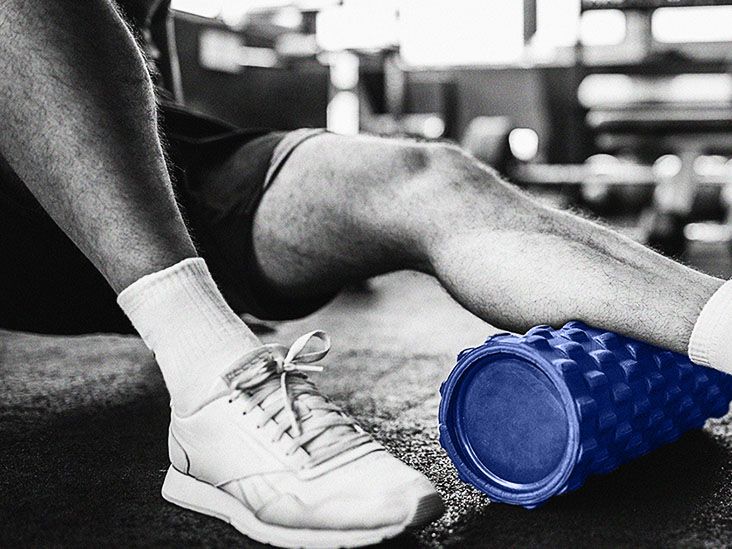
Gentle massage may improve blood flow, reduce sensitivity, and help the muscle relax. You can use your fingers, a massage ball, a foam roller, or a professional massage therapist. Apply steady pressure that feels tolerable, not brutal. More pressure is not always better. Your goal is to persuade the muscle, not interrogate it.
Move More Often
If your knots come from sitting, the best treatment may be frequent movement breaks. Stand up, roll your shoulders, walk for two minutes, stretch your chest, or reset your posture. Small breaks throughout the day often work better than one heroic stretch at bedtime.
Hydrate and Support Recovery
Drink enough water, eat balanced meals, and prioritize sleep. Muscles recover best when your body has the basics: fluids, protein, minerals, carbohydrates, and rest. You do not need a complicated wellness ritual involving twelve powders and a moon calendar. Start with water, food, and sleep.
Professional Treatments for Stubborn Muscle Knots
If a knot keeps coming back or limits your daily activities, professional care can help identify the deeper cause. A physical therapist, sports medicine clinician, physiatrist, chiropractor, or massage therapist may be involved depending on your symptoms and needs.
Physical Therapy
Physical therapy is often one of the most useful options for recurring muscle knots. A physical therapist can assess posture, movement patterns, muscle imbalances, flexibility, and strength. Treatment may include manual therapy, stretching, strengthening exercises, mobility work, ergonomic advice, and a home program.
The strengthening part matters. Many people chase knots with massage alone, but if weak muscles or poor mechanics keep overloading the same area, the knot may return. Massage may calm the alarm. Strength training helps fix the wiring.
Myofascial Release
Myofascial release uses gentle, sustained pressure on tight fascia and muscle tissue. It is often slower and less forceful than deep tissue massage. The goal is to reduce restriction, improve movement, and calm sensitive areas.
Dry Needling
Dry needling is performed by trained clinicians in some states and settings. A thin needle is inserted into or near trigger points to reduce pain and improve movement. It is not the same as acupuncture, although both use thin needles. Dry needling is usually part of a larger treatment plan, not a standalone miracle button.
Trigger Point Injections
For persistent myofascial pain, a healthcare provider may recommend trigger point injections. These may involve a local anesthetic or other medication placed into the trigger point. This option is usually considered when conservative care has not provided enough relief.
Medication
Over-the-counter pain relievers may help some people manage short-term discomfort. In more persistent cases, clinicians may discuss other medications, especially if pain is interfering with sleep or daily life. Medication should be used as directed and is best combined with movement-based treatment when possible.
Simple Daily Habits That Help Prevent Muscle Knots
Prevention is less glamorous than treatment, but it works. Think of it as maintenance for the human vehicle you are driving around all day.
- Take movement breaks: Change position every 30 to 60 minutes when possible.
- Improve desk setup: Keep your screen at eye level, shoulders relaxed, and feet supported.
- Strengthen your back and core: Strong support muscles reduce strain on the neck, shoulders, and lower back.
- Warm up before exercise: Cold muscles are less cooperative.
- Increase workouts gradually: Sudden intensity spikes are a classic knot invitation.
- Manage stress: Breathing exercises, walking, journaling, or quiet time can reduce muscle tension.
- Sleep smarter: Use a pillow that supports your neck without forcing it into extreme angles.
When to See a Doctor
Most muscle knots are manageable, but some symptoms deserve medical attention. See a healthcare professional if pain lasts more than a couple of weeks despite self-care, keeps getting worse, follows a significant injury, or interferes with work, sleep, school, or exercise.
Get prompt medical care if you have numbness, tingling, severe weakness, fever, unexplained weight loss, chest pain, trouble breathing, loss of bladder or bowel control, or pain after a fall or accident. These symptoms may point to something more serious than a simple muscle knot.
Practical Examples: What Muscle Knots Can Look Like in Real Life
The Desk Shoulder Knot
You work at a laptop for hours. By afternoon, the area between your neck and shoulder feels tight and sore. Pressing it sends an ache up toward your head. The likely contributors may include forward-head posture, raised shoulders, stress, and not enough movement breaks. Helpful steps may include raising your screen, relaxing your shoulders, stretching your chest, strengthening your upper back, and taking short walking breaks.
The Weekend Warrior Calf Knot
You decide to run after not running for months. The next day, your calf feels like a braided rope. This may come from sudden overload. Helpful steps may include gentle walking, calf stretching, hydration, gradual return to training, and checking footwear. If there is swelling, bruising, sharp pain, or trouble walking, medical evaluation is wise.
The Lower Back Tight Spot
You lift a heavy box while twisting. Later, your lower back feels tight and guarded. Mild strain can lead muscles to tighten protectively. Initial rest, gentle movement, and careful ice or heat may help. If pain travels down the leg, causes weakness, or does not improve, a clinician should evaluate it.
Experience-Based Insights: Living With and Managing Muscle Knots
Anyone who has dealt with recurring muscle knots knows they are not just a body problem; they are a lifestyle detective story. The knot is the clue, not always the criminal. You may feel the pain in your neck, but the real suspect might be your laptop height, your sleeping position, your stress level, your workout form, or the fact that your “quick phone check” became 47 minutes of scrolling with your chin parked near your chest.
One of the most useful lessons is that muscle knots respond better to patterns than panic. When a sore spot appears, many people attack it with intense pressure, hoping to crush it into submission. Sometimes that brings short-term relief, but the area may feel bruised the next day. A steadier approach often works better: warm the muscle, apply moderate pressure, stretch gently, then move through a comfortable range of motion. The sequence matters. Warm tissue usually tolerates stretching and massage better than cold, irritated tissue.
Another real-world lesson is that the “perfect stretch” is not always the missing piece. For example, someone with constant upper-back knots may stretch the upper back repeatedly, but the real issue might be tight chest muscles and weak mid-back muscles. In that case, stretching only the painful spot is like apologizing to the wrong person. Adding rows, wall angels, band pull-aparts, or posture resets may be more effective over time because they teach the body to share the workload.
Stress management is also more practical than it sounds. You do not need to become a meditation guru floating above your laundry basket. Even simple breathing can help. Try inhaling slowly through the nose, relaxing the jaw, dropping the shoulders, and exhaling longer than you inhale. Do that for a minute during work breaks. Many neck and shoulder knots are fueled by unconscious bracing. The body cannot fully relax if it thinks every email is a bear attack.
People who exercise often learn that knots are sometimes training feedback. A knot in the hip after running may suggest stride changes, weak glutes, tight hip flexors, or too much mileage too soon. A shoulder knot after lifting may suggest poor warm-up, limited shoulder mobility, or shrugging during exercises. The answer is not always to stop moving. Often, it is to move better, warm up longer, reduce intensity temporarily, and build strength gradually.
Sleep position can be surprisingly important. A pillow that is too high or too flat may keep the neck rotated or tilted for hours. Side sleepers may need enough pillow height to keep the neck neutral. Back sleepers may prefer moderate support. Stomach sleeping often places the neck in a rotated position for a long time, which can irritate tight muscles. Changing sleep habits is not easy, but even small improvements can reduce morning stiffness.
Finally, recurring muscle knots teach patience. A knot that took months to develop may not disappear permanently after one massage, one stretch, or one heroic foam rolling session performed while making dramatic facial expressions. Progress usually comes from a combination of small habits: better posture, more movement, smarter training, enough recovery, stress reduction, and professional help when needed. The body likes consistency. It is less impressed by occasional grand gestures.
Conclusion
Muscle knots are common, annoying, and usually manageable. They often develop from posture problems, repetitive motion, stress, muscle overload, injury, or poor recovery. Symptoms may include tenderness, stiffness, reduced range of motion, referred pain, and that familiar “tiny rock under the skin” feeling.
The best treatment depends on the cause. Heat, gentle stretching, massage, movement breaks, hydration, sleep, and posture changes can help mild knots. Stubborn or recurring knots may need physical therapy, myofascial release, dry needling, trigger point injections, or a broader plan that includes strengthening and stress management.
The main takeaway is simple: do not just chase the knot. Ask why it keeps showing up. When you fix the habits, movements, and recovery gaps behind the pain, your muscles have a much better chance of relaxingand you can stop treating your shoulder like a customer-service complaint department.
Note: This article is for general educational purposes and does not replace medical advice. Readers with severe, persistent, worsening, or unusual pain should consult a qualified healthcare professional.